Celebrities & Music
Close your eyes, leave the noise behind, and let this forgotten classic take you somewhere words never could. More than fifty years later, its magic still feels untouched.
This article explores the timeless beauty of The Moody Blues’ song “Are You Sitting Comfortably,” highlighting its emotional depth and the invitation it offers to listeners for reflection and imagination.
Some songs never demand immediate attention because they quietly reveal their greatest beauty only to listeners willing to slow down and truly hear every gentle moment.
That is precisely the invitation offered by “Are You Sitting Comfortably,” a remarkable recording that feels less like a song and more like opening the first page of an unforgettable story.
Released during one of the most imaginative periods in The Moody Blues’ remarkable career, the track reflected a band determined to expand what popular music could become.
Rather than following predictable formulas, they blended poetry, philosophy, folk influences, and progressive arrangements into something wonderfully timeless and deeply personal.
From the opening notes, an atmosphere of calm curiosity settles gently over the listener, encouraging reflection before a single lyric fully unfolds.
The title itself feels like an invitation spoken by an old friend preparing to share a meaningful tale beside a quiet evening fire.

Instead of rushing toward excitement, the melody unfolds patiently, allowing every instrument enough room to breathe with graceful confidence.
Acoustic guitars shimmer softly beneath elegant orchestration, creating a peaceful landscape where imagination naturally begins wandering beyond everyday concerns.
Nothing feels unnecessary because every musical choice exists only to deepen the emotional atmosphere surrounding the story.
That remarkable restraint gives the recording an intimacy rarely found within even the finest albums of its remarkable era.
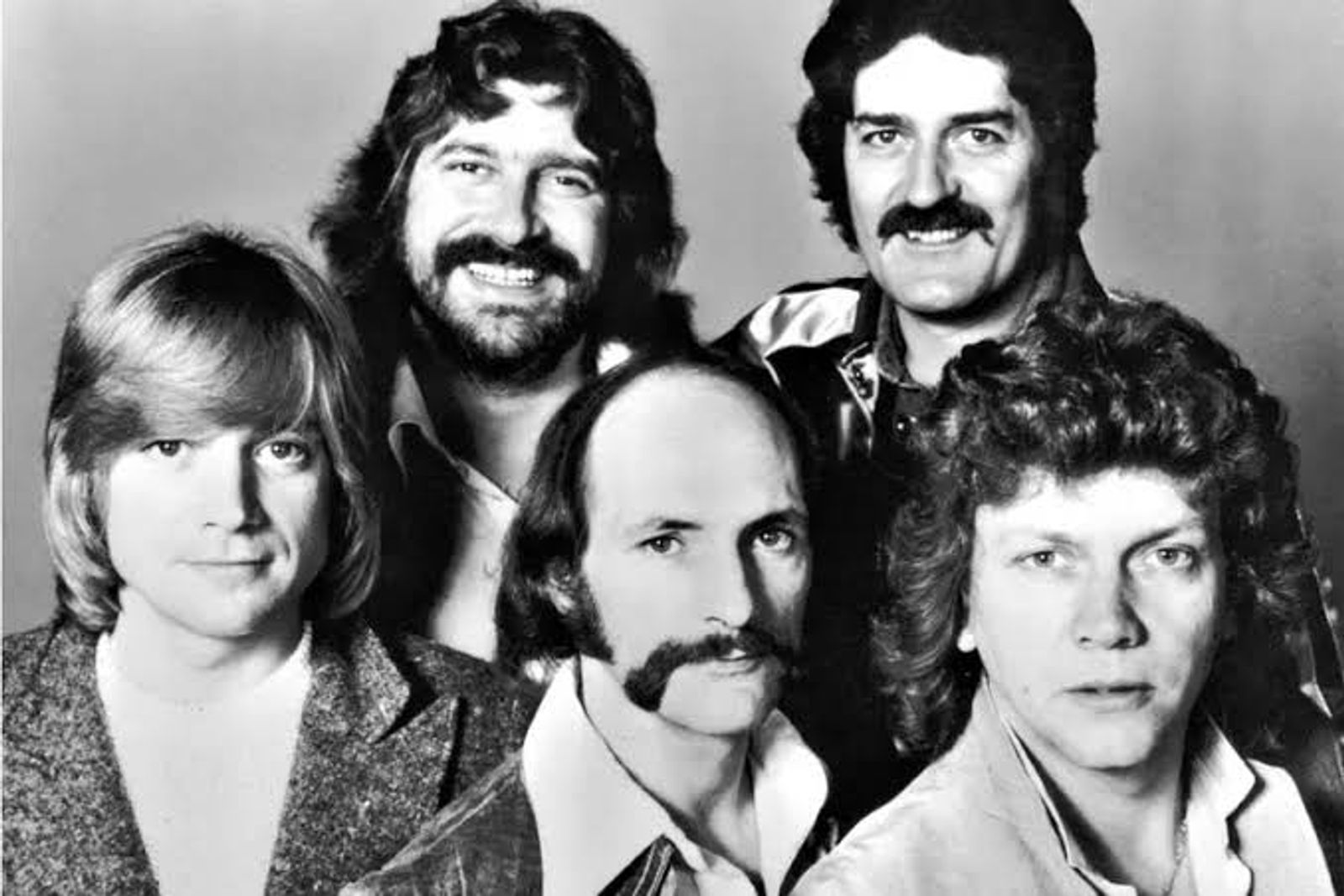
Justin Hayward’s warm, unmistakable voice carries the lyrics with effortless sincerity, balancing quiet wonder and thoughtful reflection throughout every carefully delivered phrase.
He never forces emotion because the words themselves already possess enough beauty to leave a lasting impression.
Listening closely reveals countless delicate details that often disappear beneath the distractions of ordinary life.
A subtle harmony suddenly becomes noticeable.
A graceful guitar phrase gently lingers.
Even silence seems carefully placed, giving every note greater emotional weight than constant sound ever could.
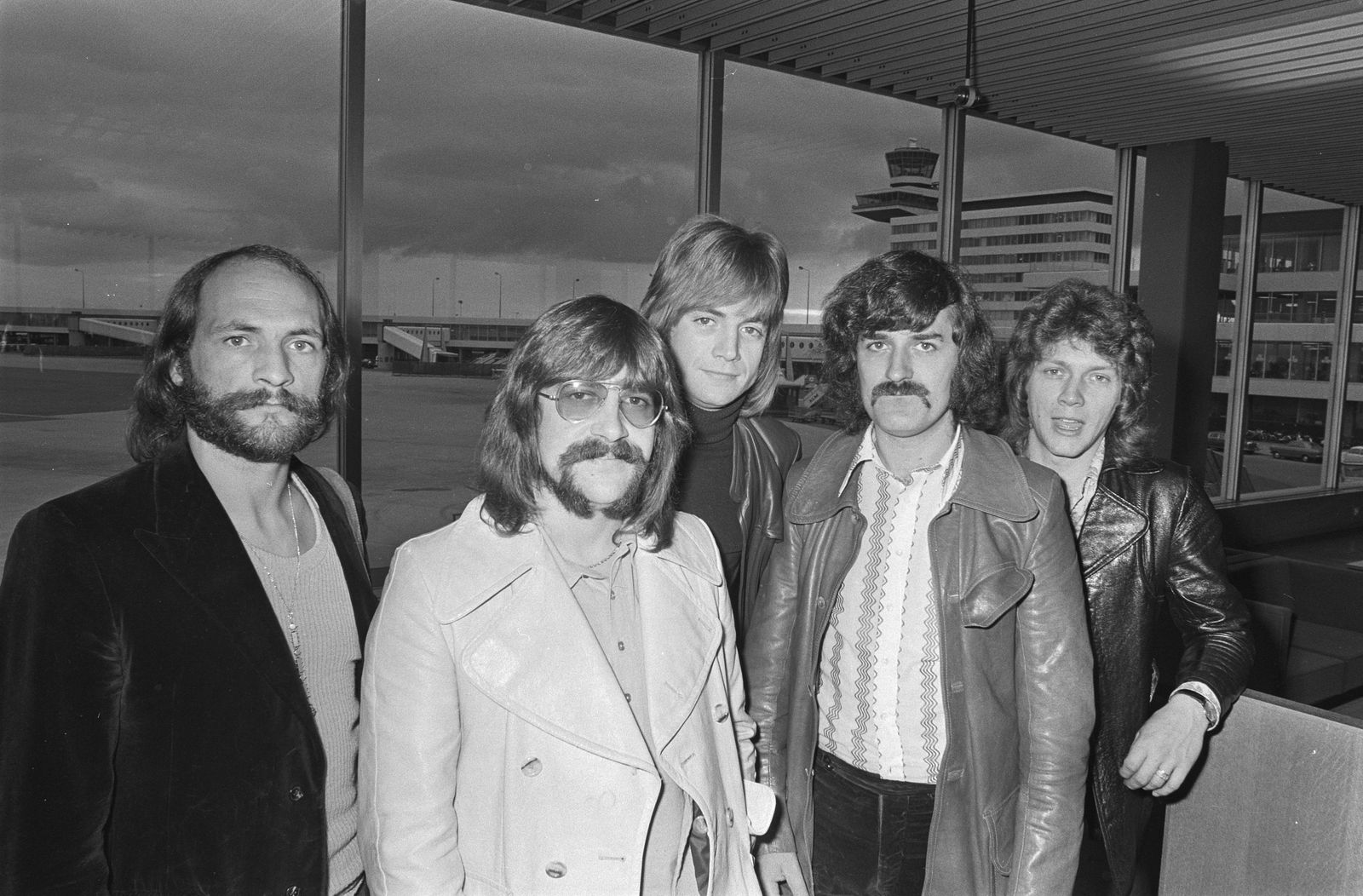
The Moody Blues always understood that music should invite listeners into an experience rather than simply entertain them for a few passing minutes.
“Are You Sitting Comfortably” captures that philosophy beautifully by creating a world where imagination quietly becomes part of the performance itself.
Its lyrics feel almost dreamlike, encouraging listeners to interpret each image through their own personal memories and experiences.
Rather than providing clear answers, the song gently celebrates curiosity, reminding us that life’s greatest questions often deserve thoughtful reflection instead of quick conclusions.
That openness explains why every return to the recording uncovers another layer previously hidden beneath its peaceful surface.
Some hear a story about innocence quietly fading with time.
Others discover reflections about growing older while protecting the imagination that once made childhood feel endless.
Perhaps there is no single correct interpretation, and that beautiful mystery remains one of the recording’s greatest strengths.
The finest art rarely tells us exactly what to think because it quietly trusts every listener to complete the journey alone.
That trust creates a deeply personal connection impossible to manufacture through simpler songwriting or louder production.
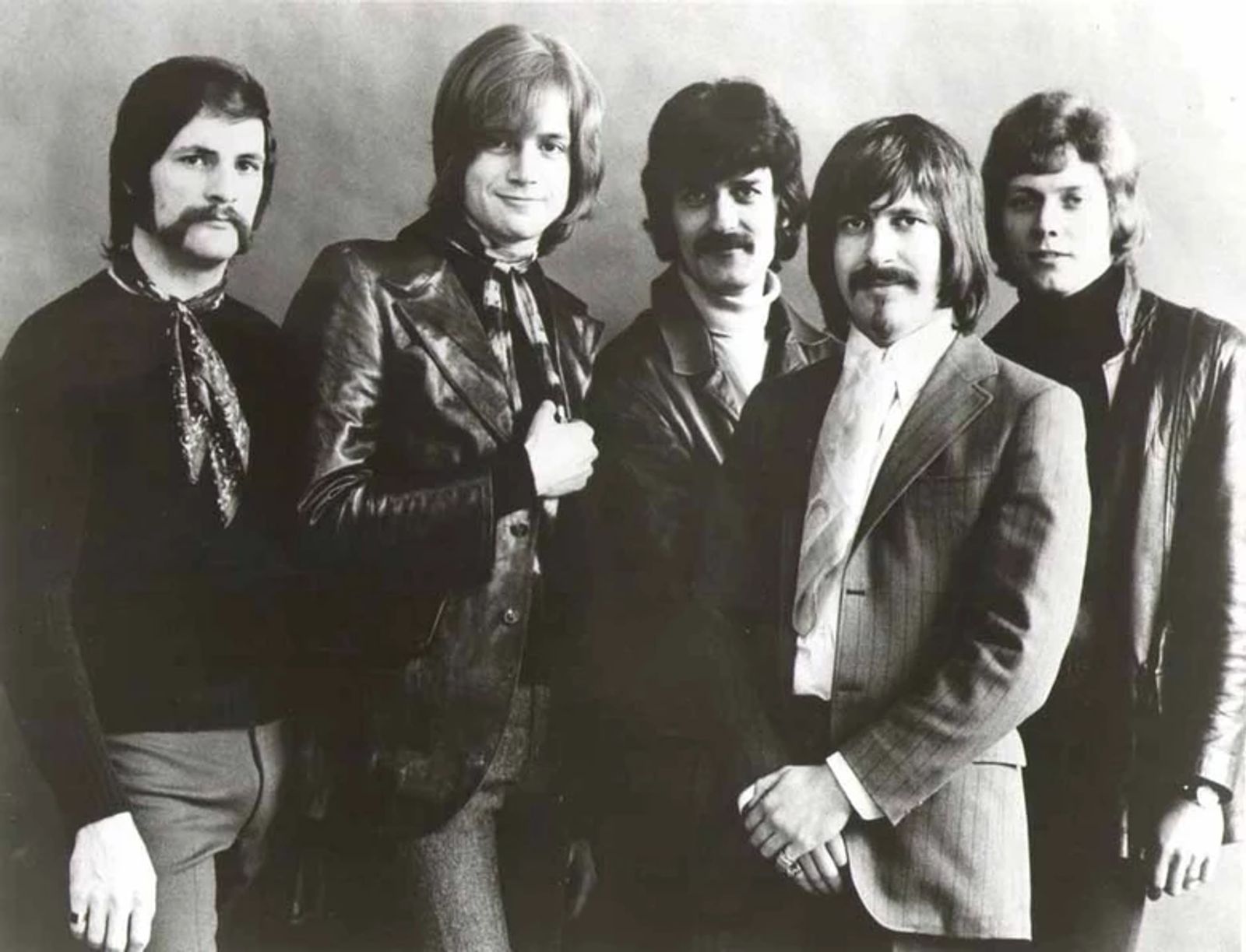
During the late nineteen-sixties, many artists experimented with expanding popular music beyond familiar boundaries, yet few succeeded as elegantly as The Moody Blues.
Their recordings combined sophisticated musicianship with emotional accessibility, proving thoughtful music could still remain warm, inviting, and beautifully memorable.
Listening today feels almost like walking through an old forest where every familiar path somehow reveals something entirely new with each visit.
The world outside continues moving at extraordinary speed, filled with endless notifications, constant conversations, and overwhelming distractions.

Against that restless background, this recording feels wonderfully timeless because it quietly encourages patience instead of urgency.
Its gentle pace reminds us that meaningful experiences rarely appear when we hurry through life searching for the next destination.
Sometimes the richest discoveries happen only after we become still enough to truly notice them.
That quiet wisdom flows naturally through every verse without ever sounding preachy or unnecessarily complicated.
The arrangement continues unfolding with remarkable elegance, balancing folk influences, orchestral textures, and graceful harmonies into one unforgettable musical landscape.
Every instrument contributes something meaningful while never disturbing the peaceful atmosphere that defines the recording from beginning to end.

Modern listeners may initially find its slower pace unusual, yet those who remain soon discover an emotional richness impossible to rush.
Like turning the pages of a treasured novel, every moment rewards patience with deeper understanding and unexpected beauty.
Perhaps that explains why devoted fans continue returning to this remarkable composition after so many decades have quietly passed.
It never depends upon fashionable production or temporary musical trends because genuine imagination rarely becomes outdated.
Instead, the recording quietly reminds us that wonder, curiosity, and thoughtful reflection remain among life’s greatest treasures regardless of generation.
Every listen feels less like revisiting an old song and more like accepting another invitation into a beautifully familiar conversation.

May you like
This wasn't just a hit song—it was a celebration that brought an entire…
Some performances do far more than entertain because they capture the exact moment when popular music begins changing forever befo…
Long before love was measured by messages and screens, one timeless melo…
Some love songs fade with changing generations, but a precious few continue speaking directly to the heart because genuine devotio…
REO Speedwagon’s “Keep on Loving You” Redefines the Power Ballad for a N…
In 1980, REO Speedwagon released what would become one of the defining anthems of the early ’80s: “Keep on Loving You.”Featured on…
The years may continue changing the world around us, but recordings like this gently remind us that the human desire to dream, question, and imagine has never truly changed.
That enduring truth allows “Are You Sitting Comfortably” to remain far more than an overlooked classic, standing instead as a timeless reminder that music’s greatest gift is not simply filling silence, but awakening the quiet places within ourselves where imagination continues living forever.