
News
Charley Pride’s Quiet Gamble: Singing Love Songs Across the Jim Crow South
Before he became one of country music’s biggest stars, Charley Pride navigated segregated venues, racial danger, and the nightly pressure of winning over rooms that were never meant to welcome him.

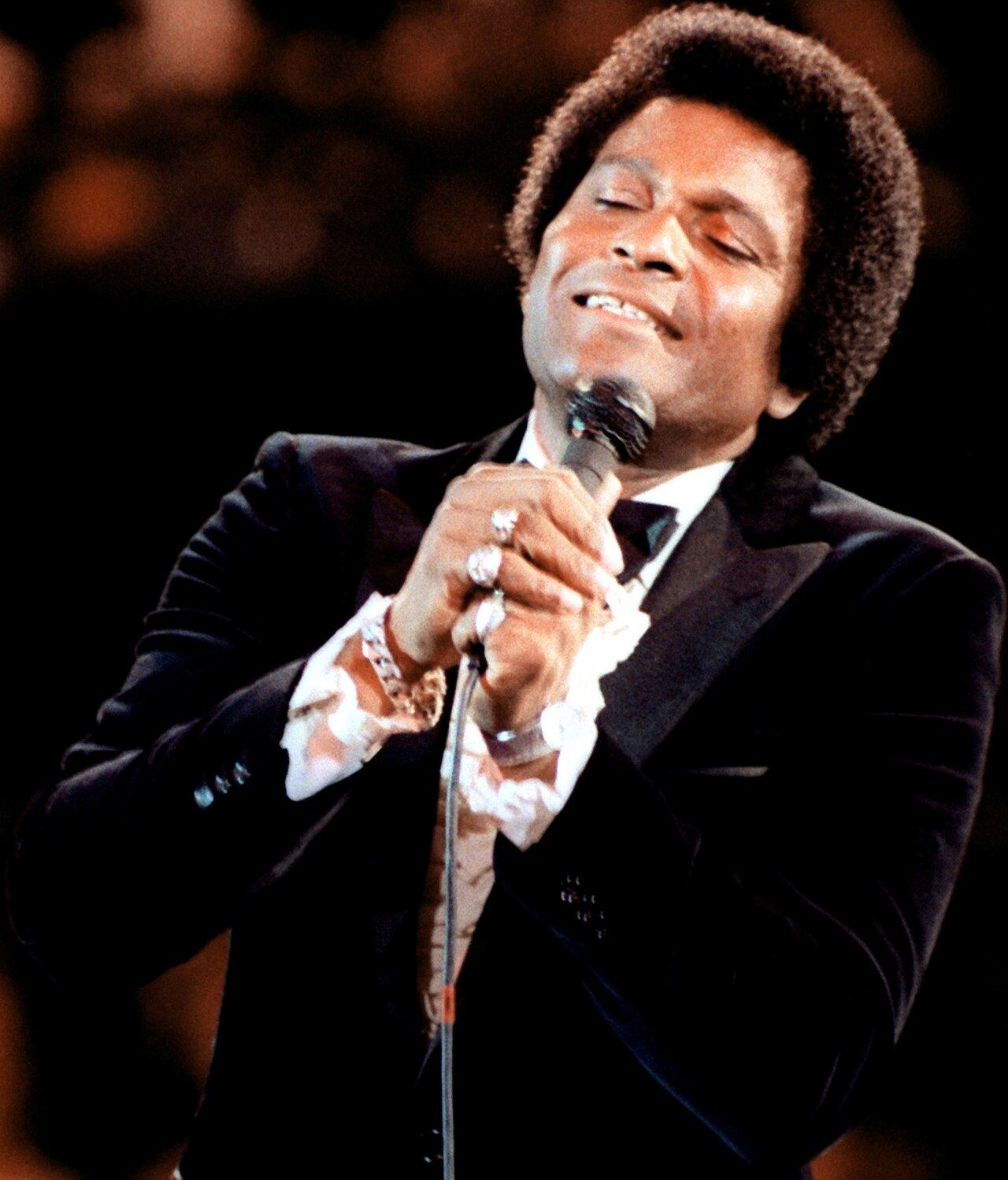
A country voice entering hostile territory
Charley Pride’s rise in country music was remarkable on its own terms: a rich, relaxed baritone, impeccable phrasing, and a style rooted in classic country storytelling. But the sound that would eventually make him a star first had to survive the world it entered. In the 1960s, as Pride worked his way through Southern venues and radio markets, he was doing so as a Black man in a genre marketed overwhelmingly to white audiences and in regions where segregation was still law, custom, or both.
That meant every performance carried layers of calculation invisible to the crowd. Pride had to read a room before he could win it, gauging whether curiosity, resistance, or open hostility was waiting beyond the stage lights. The miracle of those early years is not only that he sang so well, but that he sang with such composure while moving through an environment that could turn dangerous at any moment.
He wasn’t just performing songs; he was measuring risk in real time, one audience at a time.
Why one song could raise the temperature in the room
Among the most perilous moments in Pride’s early sets were songs that asked him to inhabit country music’s familiar language of romantic devotion. In a segregated South obsessed with policing racial boundaries, even a ballad could become charged. A lyric describing tender affection for a woman with unmistakably white features was not merely poetic imagery when sung by a Black performer before a mostly white audience; it could be heard as a provocation in places shaped by Jim Crow’s brutal logic.
That was the tension Pride carried into performance. He did not telegraph fear, and he did not retreat into novelty. Instead, he sang directly and beautifully, relying on control, understatement, and the authority of his voice. That steadiness mattered. It gave listeners less room to treat the moment as spectacle and more reason to hear it as music. In hostile rooms, artistry itself became a form of de-escalation.
Winning the room without surrendering to it
Pride’s gift onstage was not confrontation in the obvious sense. He did not muscle audiences into acceptance. He did something more subtle and, in many ways, more difficult: he made himself undeniable. His delivery was warm rather than flashy, emotionally precise rather than showy. That approach let him enter rooms that may have arrived ready to judge his presence and leave talking about the quality of the singer they had just heard.
That did not make the danger disappear. It meant only that he had found a way to navigate it. Each set was part performance, part survival strategy. He had to project ease while staying alert, to maintain the calm center of a professional entertainer while understanding that the social order beyond the microphone could shift with terrifying speed. Walking offstage safely was not routine; it was a quiet triumph.
The Nashville figures who helped protect him
Pride’s early career was not built by voice alone. It also depended on a small circle of Nashville allies who recognized both his talent and the reality of the road. Most central was Jack D. Johnson, his manager, who played a crucial role in helping guide Pride through the country industry. Producer Cowboy Jack Clement was another key believer, an influential Nashville figure who helped champion Pride’s recordings and present him first as a singer rather than as a racial exception.
There were practical reasons that kind of support mattered. In the early going, Pride’s identity was sometimes withheld from radio programmers until they heard the records for themselves, a strategy meant to let the music cut through prejudice before the man could be dismissed. On the road, allies and promoters could shape logistics, venues, introductions, and security in ways that reduced exposure to danger. None of that erased the threat, but it created a buffer around an artist doing something historically fraught and commercially unprecedented.
A career built against the grain of the era
As Pride’s records found a wider audience, the contradiction at the heart of his success became impossible to ignore. Here was a Black singer becoming a major voice in country music at a moment when much of the country still enforced rigid racial separation. His achievements would eventually include major hits, gold records, and industry honors, but those milestones can flatten the harder truth: before the accolades, there were miles of road, tense backstage moments, and crowds that had to be won over one song at a time.
What makes Pride’s story endure is not only that he broke barriers, but how he did it. He did not arrive as an outsider mocking country tradition; he mastered its language from the inside. He sang heartbreak, devotion, and loneliness with such conviction that resistance often had to give way. His success was not symbolic in place of substance. The substance came first.
The hidden cost behind the smooth voice
To hear Charley Pride at his best is to hear ease: the unforced line, the centered tone, the lack of strain. Yet part of the power of revisiting his early career is recognizing how much pressure lived beneath that ease. The poise was real, but it was also armor. In an America still structured by racial danger, his professionalism was doing more than entertaining audiences. It was protecting him.
That reality gives his early triumphs a deeper weight. The man behind those records was not simply crossing over into a new market; he was moving through hostile territory with discipline, instinct, and help from trusted people around him. The fact that listeners heard warmth where there might have been fear is part of the achievement. Pride turned the act of singing into proof of belonging, and sometimes into a means of getting safely to the next night.

Quick Facts
- Subject: Charley Pride
- Known for: Groundbreaking country singer with a signature baritone voice
- Early challenge: Performing for largely white country audiences in the segregated South
- Key Nashville allies: Jack D. Johnson and Cowboy Jack Clement
- What made the sets risky: Romantic songs could trigger racist hostility under Jim Crow norms
- Why it mattered: His stagecraft and talent helped him survive and reshape country music’s boundaries
Image credits: GREG MATHISON / Wikimedia Commons / Public domain; Republic Country Club / Wikimedia Commons / CC BY 2.0; Republic Country Club / Wikimedia Commons / CC BY 2.0.

