
News
Charley Pride’s Lasting Lesson: The Humbleness Dion Pride Saw Up Close
For Dion Pride, the greatest inheritance from his father was not fame or acclaim, but a way of moving through the world with gratitude, discipline, and deep respect for ordinary people.

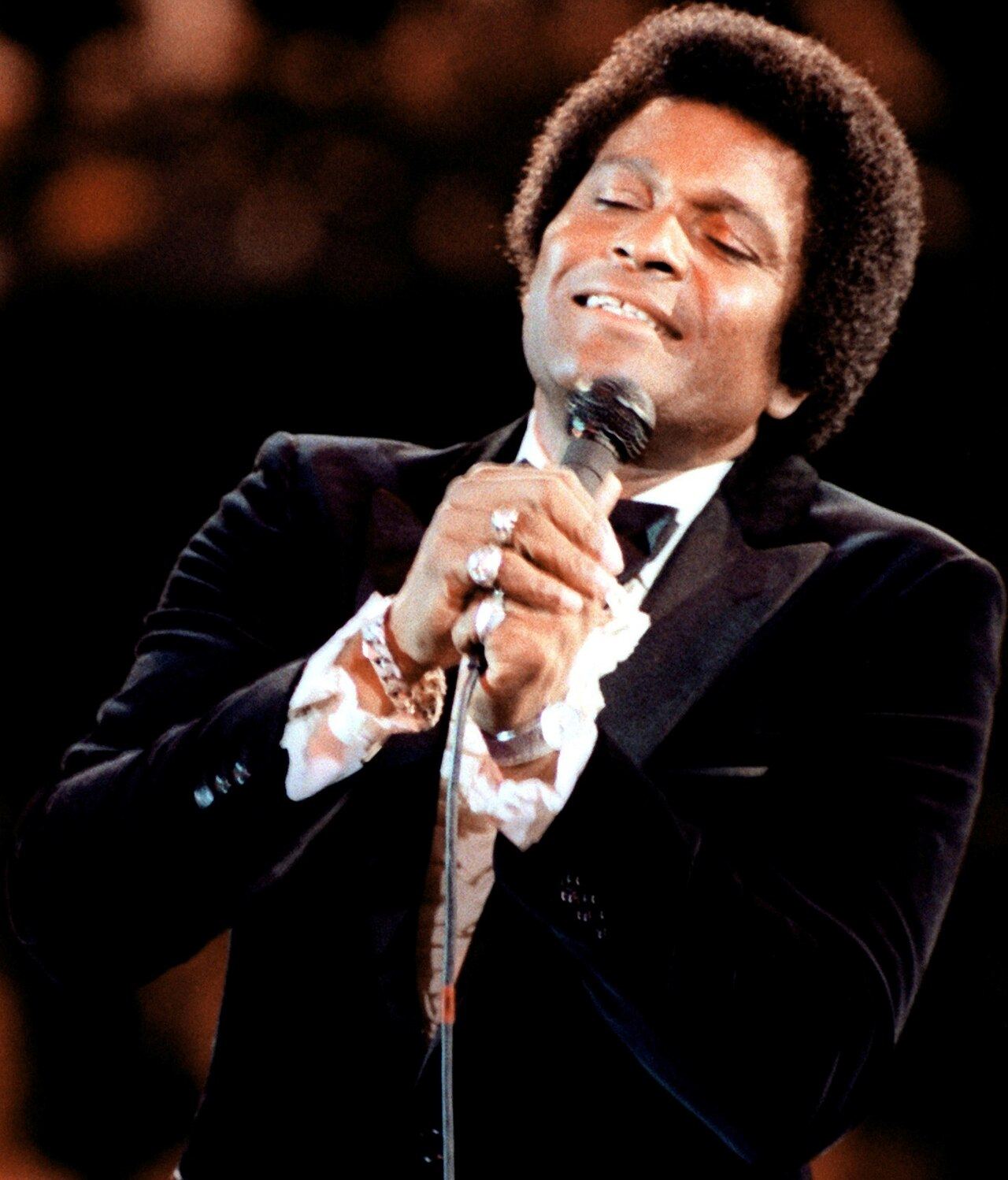
A single word that explained a giant career
After Charley Pride died in late 2020, interviewers often asked his youngest son the same question: what was the greatest lesson he learned from his father? Dion Pride’s answer was striking for its simplicity. One word, he said, captured the man behind the legendary voice: humbleness.
It is a revealing answer because Charley Pride’s résumé hardly suggested a life lived modestly. He was one of country music’s most decorated stars, a singer whose run of hits made him a fixture on radio and on the road. Yet the quality that remained most vivid to the son who knew him onstage and off was not ambition, celebrity, or authority. It was the refusal to act bigger than anyone else in the room.
“Humbleness” was the word Dion Pride used to describe the defining lesson his father left behind.
From Mississippi cotton fields to country music history
That humility, Dion has made clear, was not a public-relations pose acquired after success. It was formed much earlier, in Sledge, Mississippi, where Charley Pride grew up working in the cotton fields. Long before packed auditoriums and major awards, there was a boy under a punishing sun learning how much labor could be stored inside a single dollar.
That kind of beginning can shape an artist’s relationship to an audience forever. For Charley Pride, it appears to have created a permanent awareness that concert tickets were bought by people who worked hard for their money. The cheers at night were never separate from the daily effort of the people in the seats. Dion’s portrait of his father suggests a man who never forgot that connection, even after his career reached rare heights.
Grace under pressure on Southern stages
When Charley Pride began stepping onto stages across the American South in the 1960s, he was entering country music as a pioneering Black artist in a world that could greet him with skepticism before he ever sang a note. In those rooms, presence mattered as much as repertoire. By all accounts, his composure became part of his power.
Dion’s recollections point to a performer who did not answer doubt with swagger. He answered it with steadiness, a genuine smile, and the kind of calm confidence that lets the music do the convincing. That approach disarmed audiences not through confrontation but through poise. It was a personal style that mirrored the broader lesson Dion would later name: humility is not weakness; in the right hands, it can be a formidable strength.
Success without the trappings
By any conventional standard, Charley Pride had every reason to indulge the luxuries of stardom. His catalog produced 29 number-one hits and more than 50 Top 10 singles on the Billboard country charts. He was inducted into the Country Music Hall of Fame, and his sales for RCA Records were surpassed only by Elvis Presley. Those are the kinds of milestones that often bring entourage thinking and ever-expanding demands.
But Dion saw something else. Even after Charley Pride built a comfortable life in Texas, he did not ask for lavish dressing rooms or cultivate unnecessary distance from the crews and fans around him. The point was not performative simplicity. It was consistency. The man who knew the value of a dollar in Mississippi remained, decades later, a star who behaved as though every privilege of the road was still something to be respected rather than expected.
A son’s education on the road
Dion Pride’s understanding of his father did not come from holiday stories or secondhand legend. It was earned in close quarters over years of work. He wrote his first song for his father at age 14, learned to play five instruments, and eventually joined him on the road as both opening act and member of the backing band, playing guitar and keyboards.
That apprenticeship placed him inside the everyday machinery of touring life. From the side of the stage, on buses, and in backstage corridors, he could study not just how Charley Pride performed, but how he treated people when no spotlight required it. For a son growing into a musician, the lesson was practical as much as moral: artistry may win applause, but character determines the atmosphere surrounding the music.
Remembering names, honoring work, meeting every fan
The details Dion remembers are the ones that reveal a person’s habits. Night after night, he watched his father recall the names of bus drivers, sound technicians, and stagehands—the workers whose labor makes a show possible but whose contributions are often overlooked. Remembering names is a small act, but it carries a message: I see you, and I know your work matters.
After the curtain fell, Charley Pride would remain to sign autographs and speak with fans rather than vanish into a private cocoon. That routine was not simply good manners. It was an extension of the values formed in the fields and reinforced over a lifetime in music. To the people who came to hear him sing, he was not above them. To the crews who helped carry the show from city to city, he was not indifferent. In Dion Pride’s telling, that was the real legacy behind the trophies and chart success: a discipline of respect practiced over and over again, until it became inseparable from the man himself.

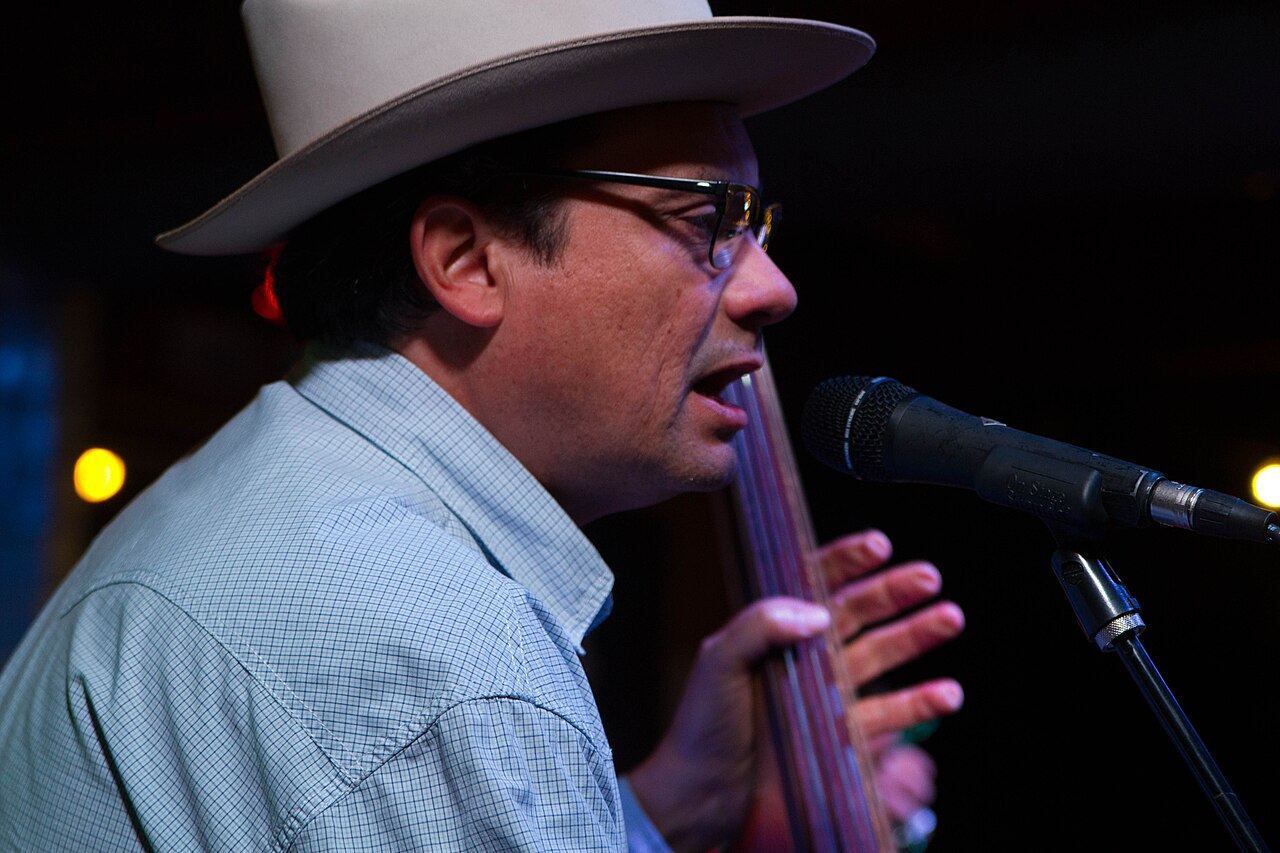
Quick Facts
- Subject: Charley Pride and Dion Pride
- Key lesson Dion named: Humbleness
- Charley Pride hometown: Sledge, Mississippi
- Country chart achievements: 29 number-one hits and more than 50 Top 10 Billboard country singles
- Major honor: Induction into the Country Music Hall of Fame
- Dion’s role on tour: Opening act and backing band member on guitar and keyboards
Image credits: GREG MATHISON / Wikimedia Commons / Public domain; Republic Country Club / Wikimedia Commons / CC BY 2.0; Republic Country Club / Wikimedia Commons / CC BY 2.0.

