
Connect with us
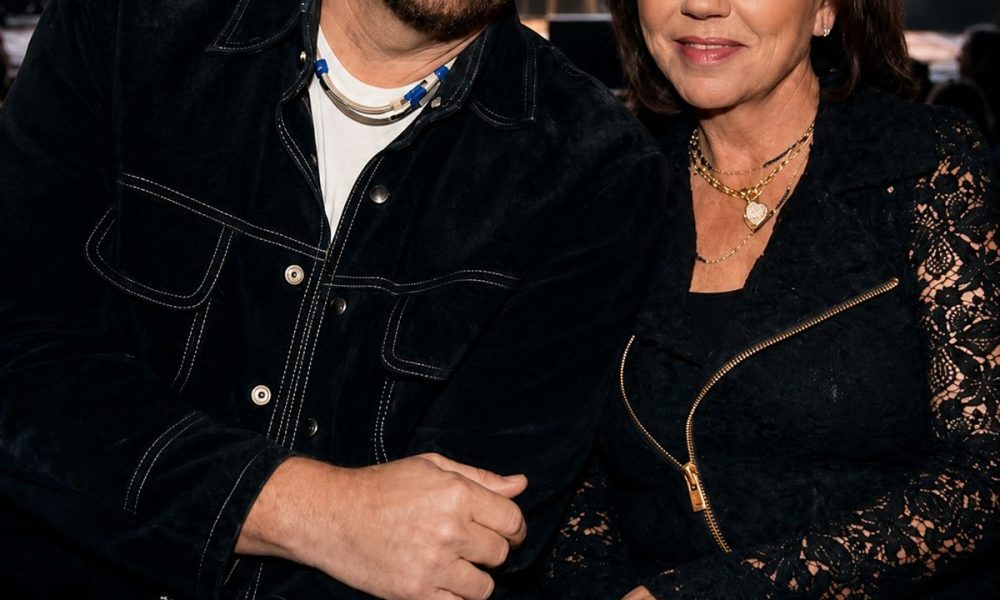


Toby Keith’s success story is framed as being inseparable from Tricia Lucus, the woman who supported him through poverty, rejection, and the early years of his...

The article examines how The Kinks’ 1966 hit “Sunny Afternoon” blended breezy pop with sharp satire to comment on class tensions, taxation, and British identity. It...
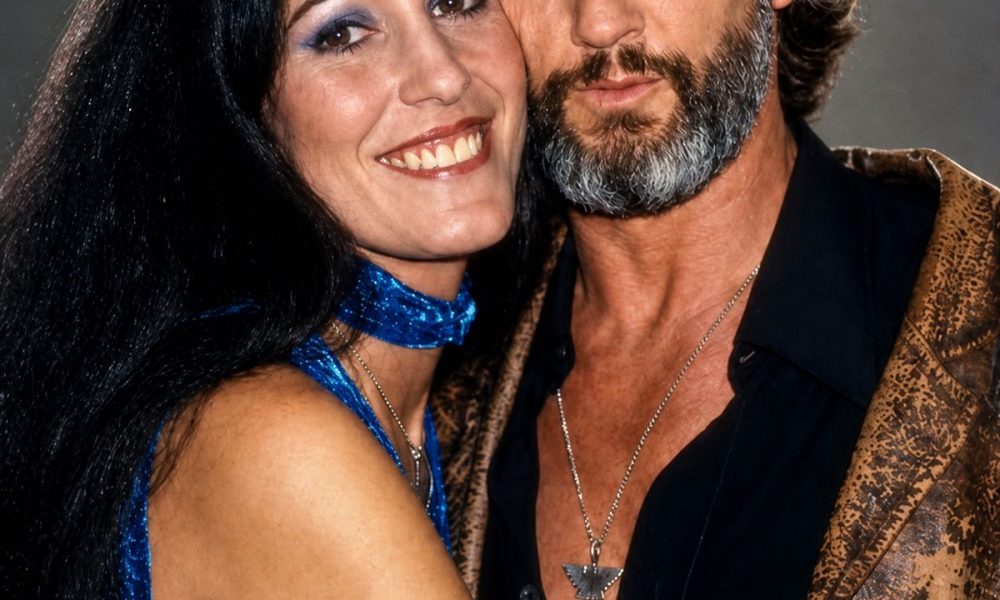
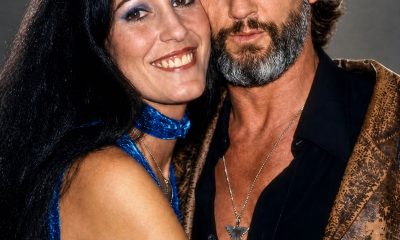

Kris Kristofferson’s unconventional path from West Point and a military career to sweeping floors in Nashville helped shape his songwriting and the Outlaw Country movement. The...
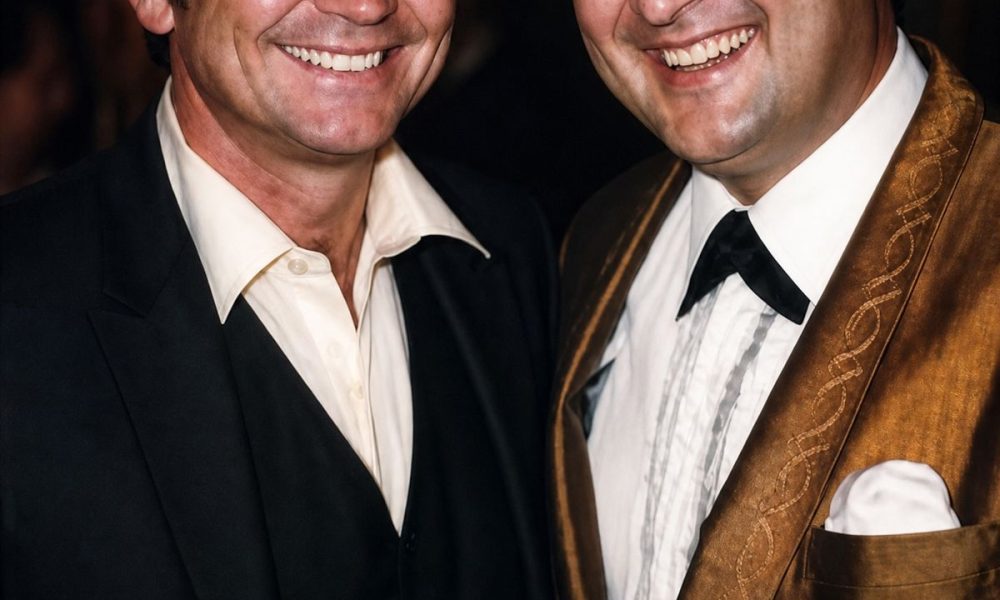


Willie Nelson made Johnny Bush’s “Whiskey River” a nightly concert opener, turning the song into a lasting country music tradition. The article traces Bush’s career, his...

Johnny Cash famously refused ABC’s demand to censor a word in Kris Kristofferson’s “Sunday Morning Coming Down” during a 1970 broadcast of The Johnny Cash Show....
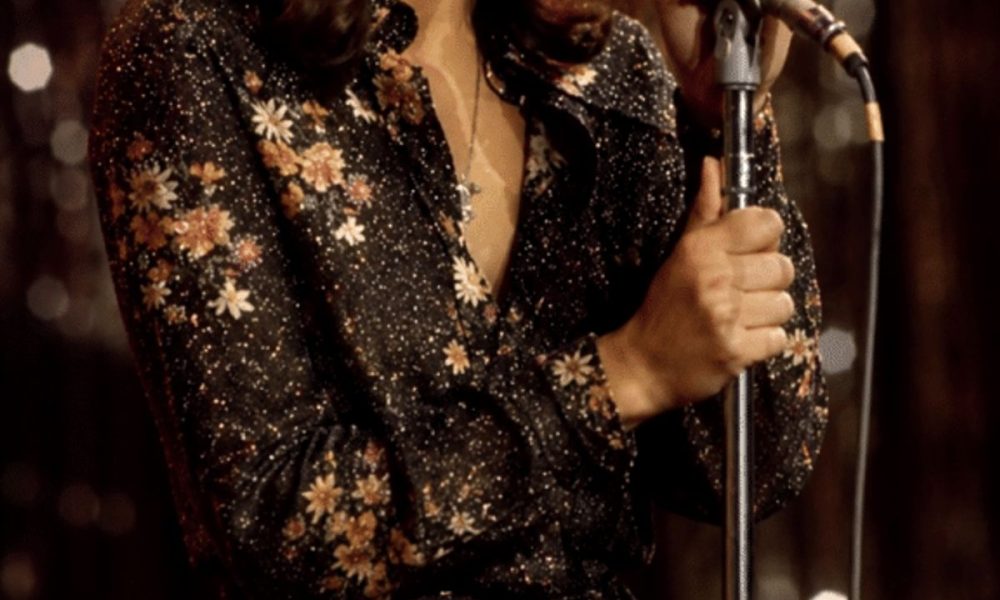

Linda Ronstadt’s “You’re No Good” became a defining breakthrough hit in late 1974 and early 1975, propelling her to No. 1 on the Billboard Hot 100...
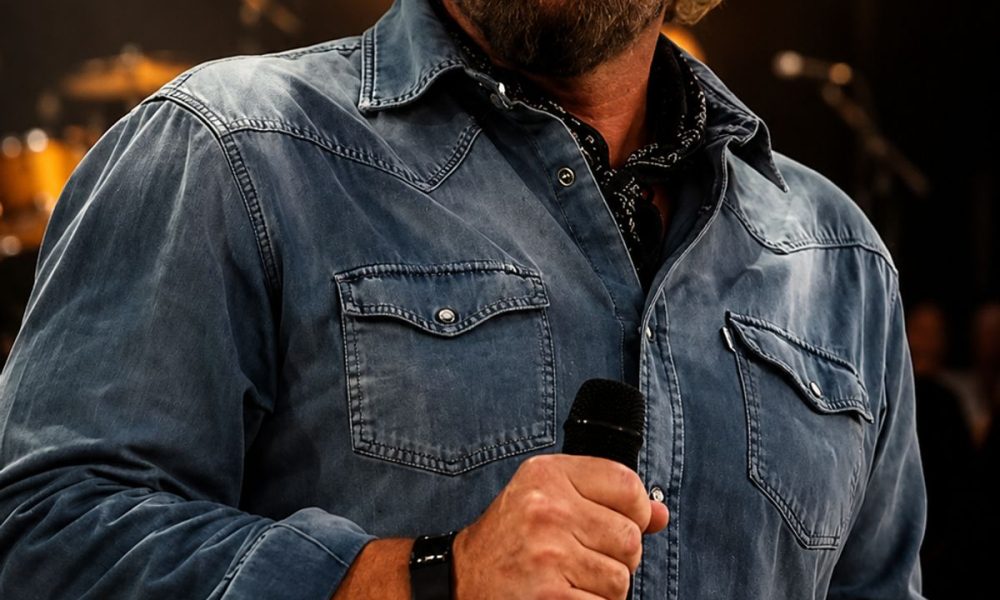


This article recounts Toby Keith’s refusal to soften the lyrics of “Courtesy of the Red, White and Blue” for an ABC July 4th special, explaining how...
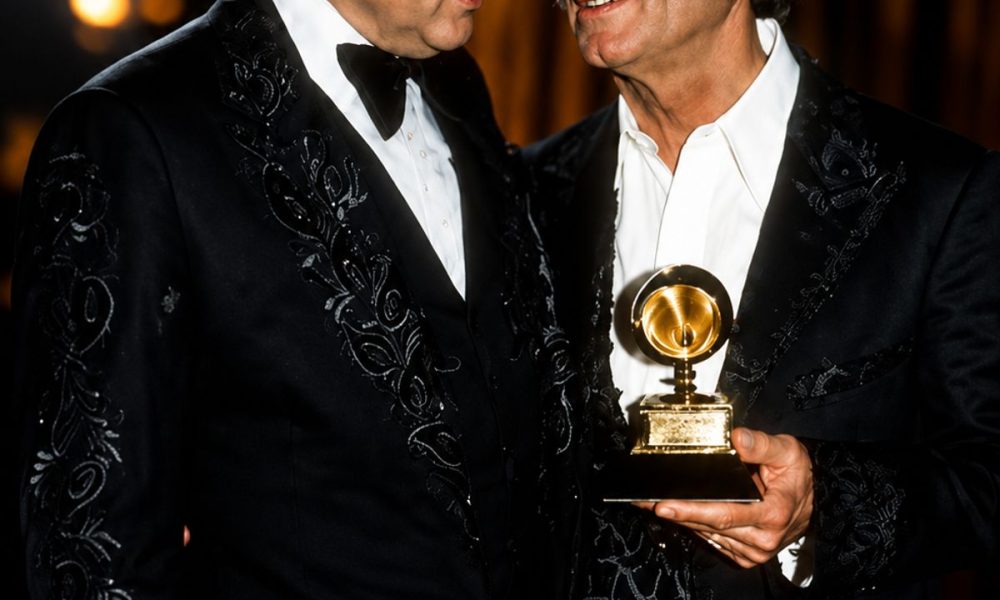
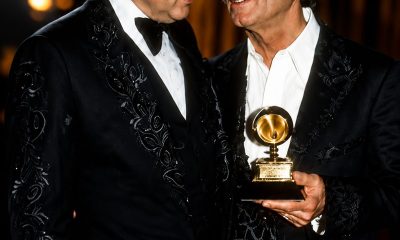

The article contrasts Conway Twitty and George Jones as opposite forces in country music, highlighting their touring partnership, mutual respect, and the way their lives reflected...



Roger Miller borrowed $1,600 to cut 16 songs in Nashville, expecting to use the money to leave town for California. Instead, “Dang Me” became a massive...



Morgan Wallen’s baseball career ended with a torn UCL in high school, but the setback pushed him back toward music, where his church-raised voice and songwriting...