
Celebrities & Music
Buddy Holly – Crying, Waiting, Hoping: The Unfinished Goodbye That Time Could Never Silence
This article explores Buddy Holly’s song “Crying, Waiting, Hoping,” highlighting its emotional depth and timeless resonance across generations.

Released in the late 1950s, this song lasted barely a few minutes—but its quiet heartbreak has echoed across generations ever since. Some voices never truly fade.
Buddy Holly – Crying, Waiting, Hoping: The Unfinished Goodbye That Time Could Never Silence
Some songs become unforgettable because they dominate the charts, while others remain immortal because they quietly preserve emotions that words alone could never fully explain.
Buddy Holly’s “Crying, Waiting, Hoping” belongs to the second kind, carrying the fragile sound of a young man whose voice continues speaking long after history expected it to fall silent.
Recorded during the final chapter of his extraordinary career, the song feels less like a polished performance than a deeply personal confession wrapped inside a deceptively simple melody.
Every note carries the unmistakable honesty that made Buddy Holly one of rock and roll’s most influential pioneers before the world even realized how much it still needed him.
Released after his tragic death in 1959, the recording arrived with an emotional weight that listeners could never separate from the heartbreaking story surrounding its creator.
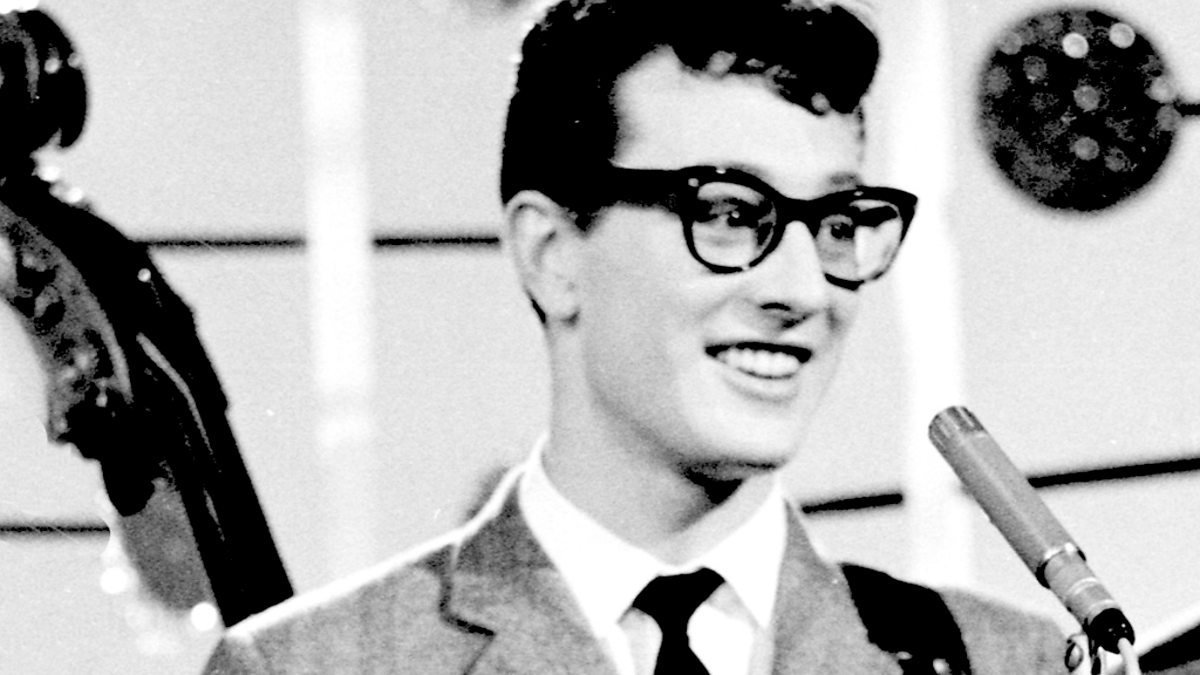
Knowing what happened only deepens every lyric, transforming an ordinary song about longing into something that feels almost painfully prophetic.
The title itself says everything without saying very much because crying, waiting, and hoping are emotions nearly everyone has experienced at some point in life.
There are no complicated metaphors or elaborate poetic images because Buddy Holly always understood that the simplest truths often linger the longest.
His gentle Texas voice never sounds dramatic, yet every phrase quietly carries the ache of someone refusing to give up on love.
That remarkable sincerity became one of his greatest gifts, allowing listeners to believe every word without ever questioning its authenticity.
The arrangement remains refreshingly modest, built around clean guitar lines, steady rhythm, and a melody that never tries to overwhelm the emotion at its center.
Instead of chasing grandeur, the music leaves room for silence, allowing the listener’s own memories to complete the story unfolding between each verse.
Perhaps that explains why the song continues feeling personal no matter how many decades pass between its recording and today’s listeners.
One person may hear a first love that never returned, while another remembers someone whose absence quietly reshaped an entire lifetime.
Great songs rarely belong to a single generation because genuine human emotion refuses to recognize the boundaries created by passing years.
Buddy Holly possessed the rare ability to make heartbreak sound gentle rather than bitter, creating sympathy instead of despair.
Even while singing about loneliness, there remains a quiet belief that hope still deserves a place beside disappointment.
That balance between sadness and optimism gives the recording its extraordinary emotional resilience.
The melody never collapses beneath grief because somewhere inside every line remains the possibility that tomorrow may still bring reconciliation.

It is a feeling many listeners continue searching for whenever life leaves difficult questions without immediate answers.
Unlike modern productions overflowing with layers of sound, this recording trusts simplicity to carry the entire emotional journey.
Every guitar chord feels purposeful, every vocal phrase perfectly measured, and every pause speaks almost as loudly as the lyrics themselves.
The performance reminds us that emotional honesty can never be replaced by expensive production or technical perfection.
Perhaps that is why Buddy Holly’s influence stretched far beyond the brief years he was given.
Artists across multiple generations borrowed pieces of his songwriting, vocal style, and fearless simplicity while building entirely new musical worlds.
Yet no imitation has ever fully captured the unique warmth that existed whenever Buddy Holly stood behind a microphone.
His recordings always sounded as though he were singing directly to one person rather than performing for millions.
That intimate connection still survives inside “Crying, Waiting, Hoping,” making each replay feel surprisingly immediate.
The years may continue passing, but the emotions preserved within the recording remain untouched by time.
Listeners who discover the song today often find themselves surprised by how contemporary its feelings still seem.
Heartbreak has changed very little, even if the world surrounding it now looks completely different.
We still wait for messages that never arrive, hope for second chances, and quietly revisit memories that refuse to disappear.
Buddy Holly understood those emotions long before smartphones, streaming services, or social media ever existed.
His music reminds us that technology may transform communication, but it can never simplify the complicated nature of the human heart.
Perhaps that timeless emotional truth explains why his songs continue appearing in films, documentaries, playlists, and family record collections around the world.
Each new generation discovers not merely an early rock and roll pioneer but an artist whose honesty remains remarkably fresh.
“Crying, Waiting, Hoping” stands as more than another classic recording because it preserves the voice of a musician whose creative journey ended far too soon.
There is an undeniable sadness in knowing how much more Buddy Holly might have created had fate granted him additional years.
May you like
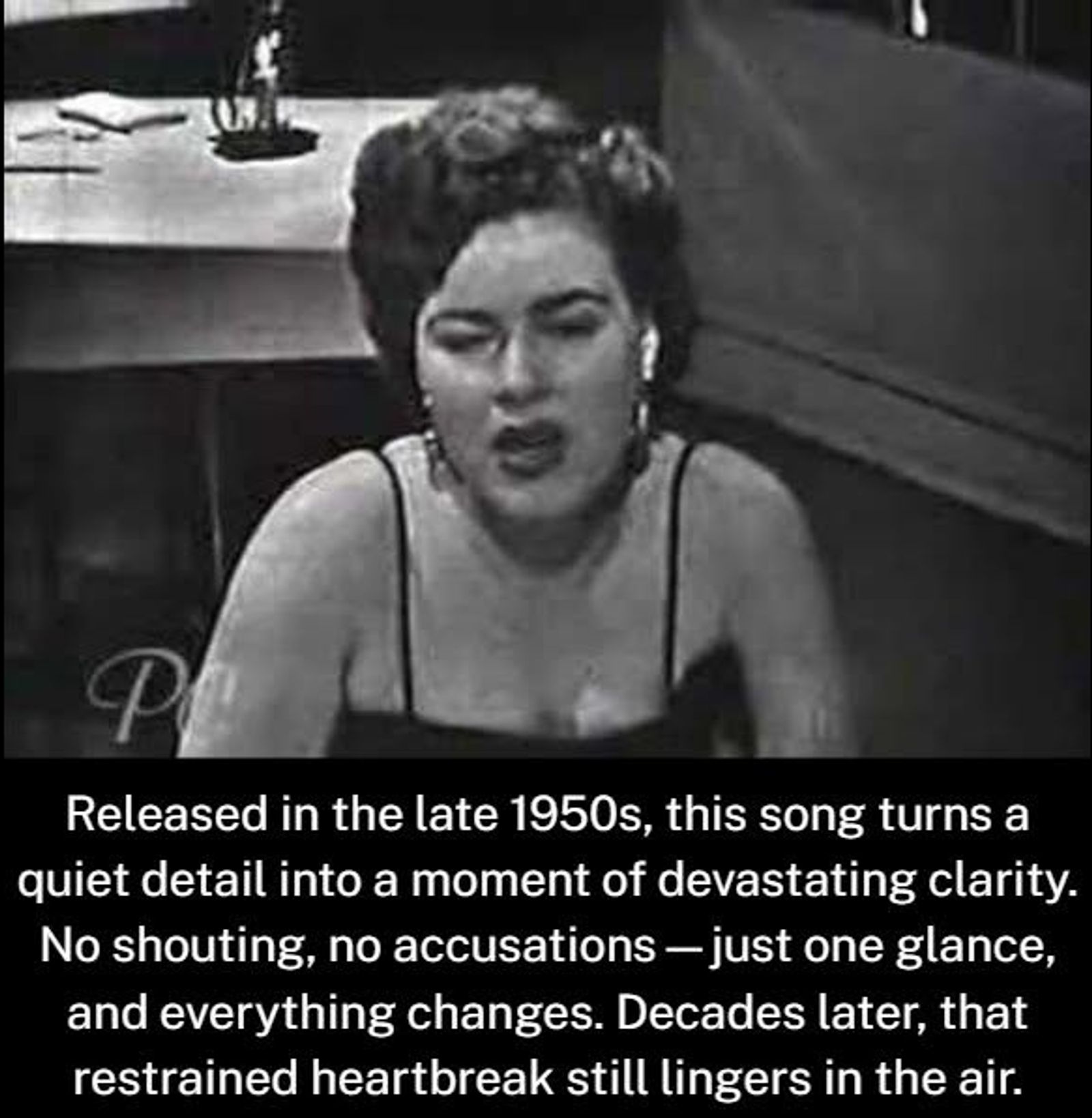
Released in the late 1950s, this song turns a quiet detail into a moment…
In the early 1950s, Patsy Cline recorded “Three Cigarettes in an Ashtray,” a song that quietly revealed the emotional depth and vulnerability of love.
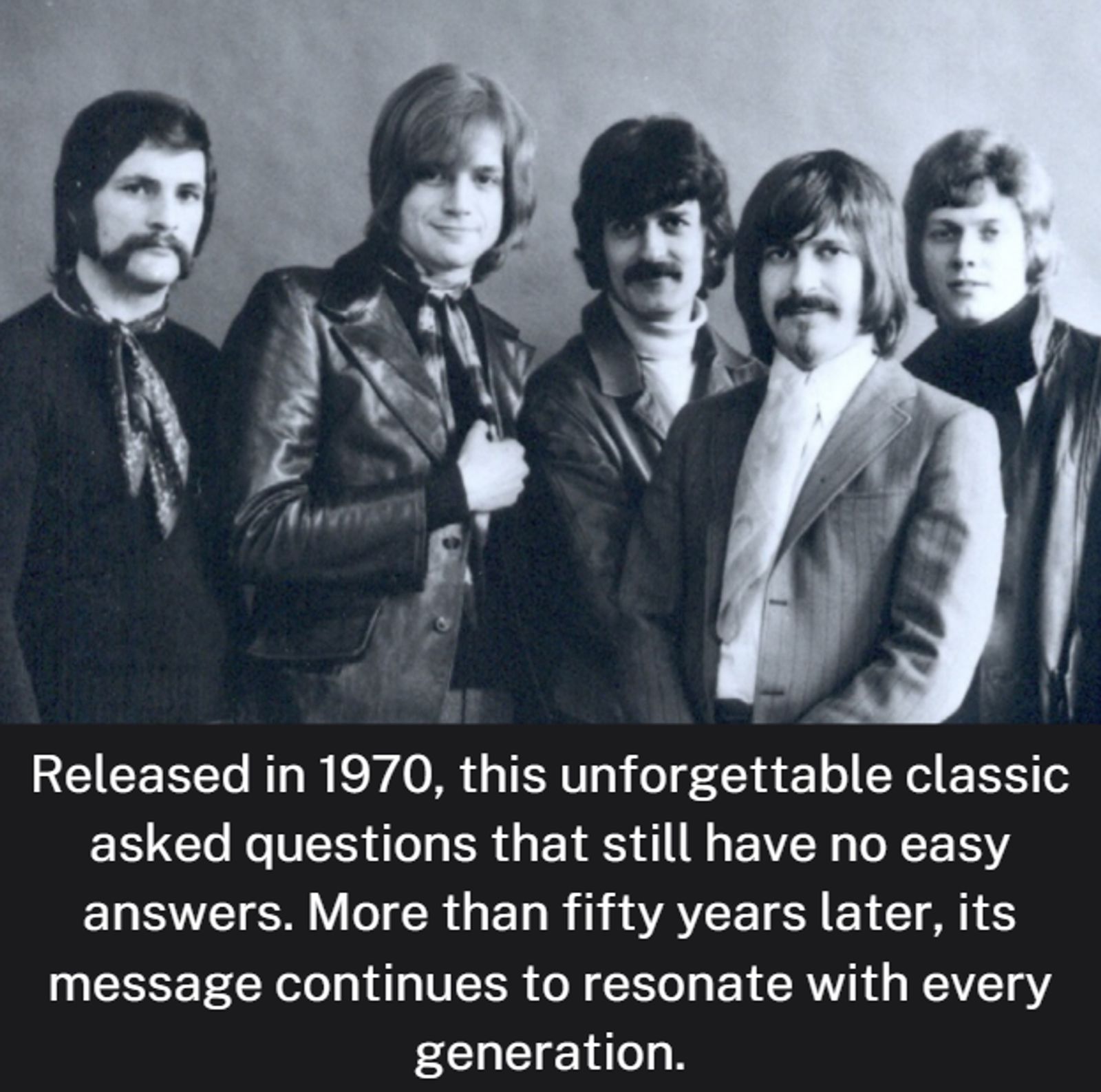
Released in 1970, this unforgettable classic asked questions that still resonate today.
The Moody Blues – Question: The Song That Asked What Millions Were Afraid to Say Out LoudSome songs become famous because of their boldness.
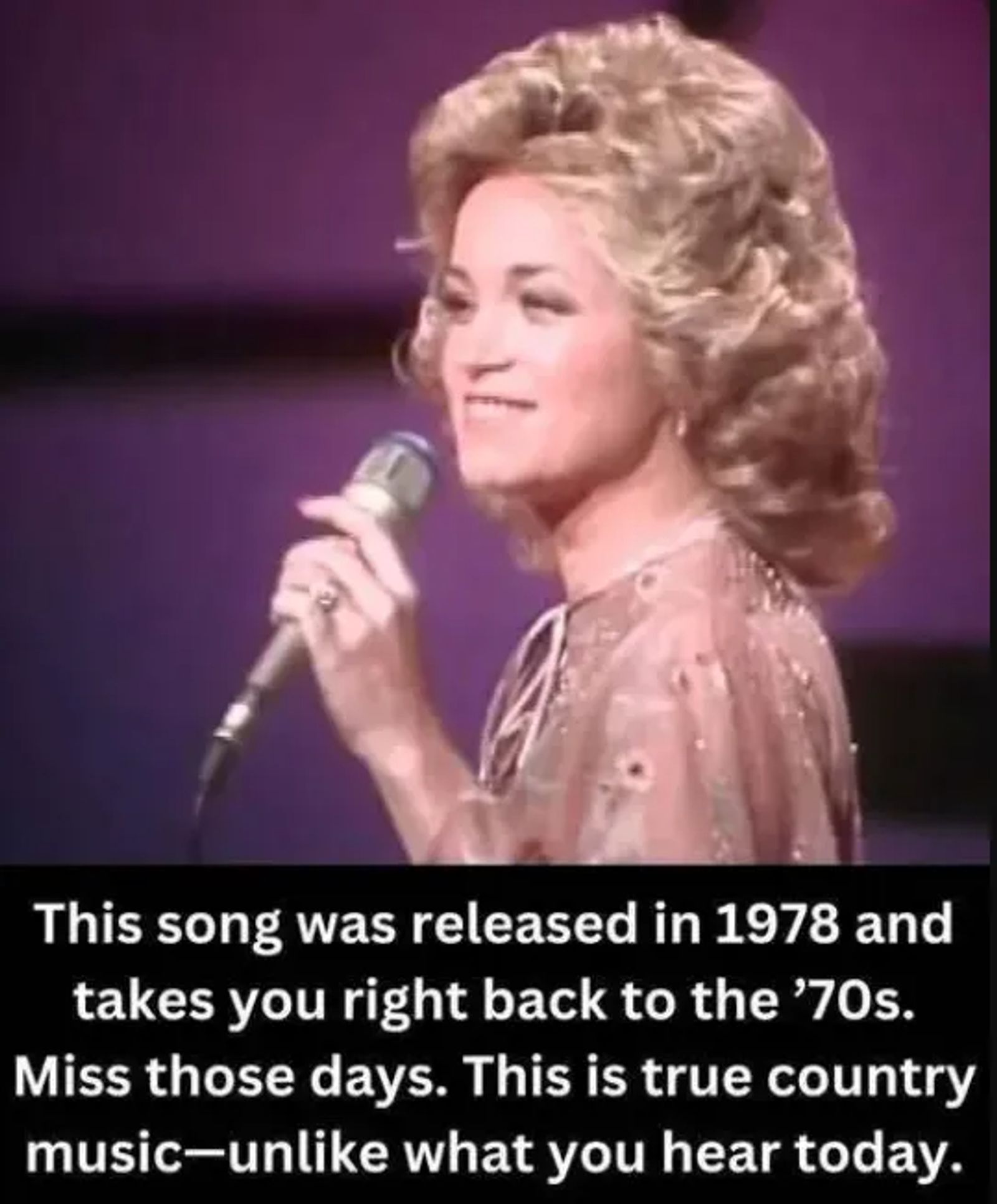
Barbara Mandrell’s ‘Sleeping Single in a Double Bed’ Redefines Country Pop.
In 1978, Barbara Mandrell released a song that would not only become her first No. 1 hit on the country charts but also signal a new era in country music.
Yet there is also comfort in realizing that truly meaningful music never depends upon the length of a lifetime.
Long after countless chart-topping hits have faded into history, this quiet masterpiece continues reminding us that the deepest songs are often the ones that simply tell the truth, trusting broken hearts everywhere to understand the rest.
Read more stories
- He Was Rejected By His Own Mom And Raised To Think ‘Women Are Evil’ But He Became A Legendary Rockstar
- TOBY KEITH RECORDED SOME OF THE BIGGEST PATRIOTIC ANTHEMS IN COUNTRY MUSIC HISTORY—BUT HIS REAL LEGACY WAS BUILT ON MILITARY BASES WHERE NO CAMERAS WERE ROLLING.
- [Video]: The One-Take Hit That Took Over Rock Radio
- The Box Tops’ “The Letter” Captures Lightning in a Bottle and Redefines Blue-Eyed Soul in 1967-2