Celebrities & Music
Behind this timeless ’70s hit is a story of love, doubt, and quiet heartbreak that sounds completely different once you know what inspired it.
The article explores the emotional depth and complexity of Gordon Lightfoot’s song “Sundown,” highlighting its themes of love, doubt, and vulnerability. It discusses how the song resonates across generations and invites listeners to reflect on their own experiences.
Some songs feel like quiet conversations held just before sunset, when the fading light seems to reveal emotions we spend the entire day trying to hide.
When Gordon Lightfoot released “Sundown” in 1974, he created far more than another folk-rock hit.
He crafted a haunting portrait of love, uncertainty, and the fragile line between devotion and doubt.
By the mid-1970s, Gordon Lightfoot had already earned worldwide respect as one of the greatest singer-songwriters of his generation.
His music never relied on flashy production or dramatic performances.
Instead, it found lasting power through thoughtful lyrics, unforgettable melodies, and an unmistakable sense of honesty.

“Sundown” perfectly embodies those qualities.
From its opening guitar pattern, the song creates an atmosphere filled with quiet tension.
The melody moves gently forward, yet beneath its calm surface lies an emotional storm waiting to unfold.
Listeners immediately sense that this is not an ordinary love song.
Something deeper is quietly unfolding between every line.
The lyrics explore the complicated emotions that emerge when love becomes entangled with jealousy, uncertainty, and fear.

Rather than presenting simple answers, Lightfoot allows conflicting emotions to exist side by side.
Affection and suspicion walk together throughout the song.
That emotional complexity gives the recording remarkable depth.
Everyone has experienced moments when love feels both comforting and unsettling.
“Sundown” captures those contradictions with extraordinary subtlety.
Its narrator never claims certainty.
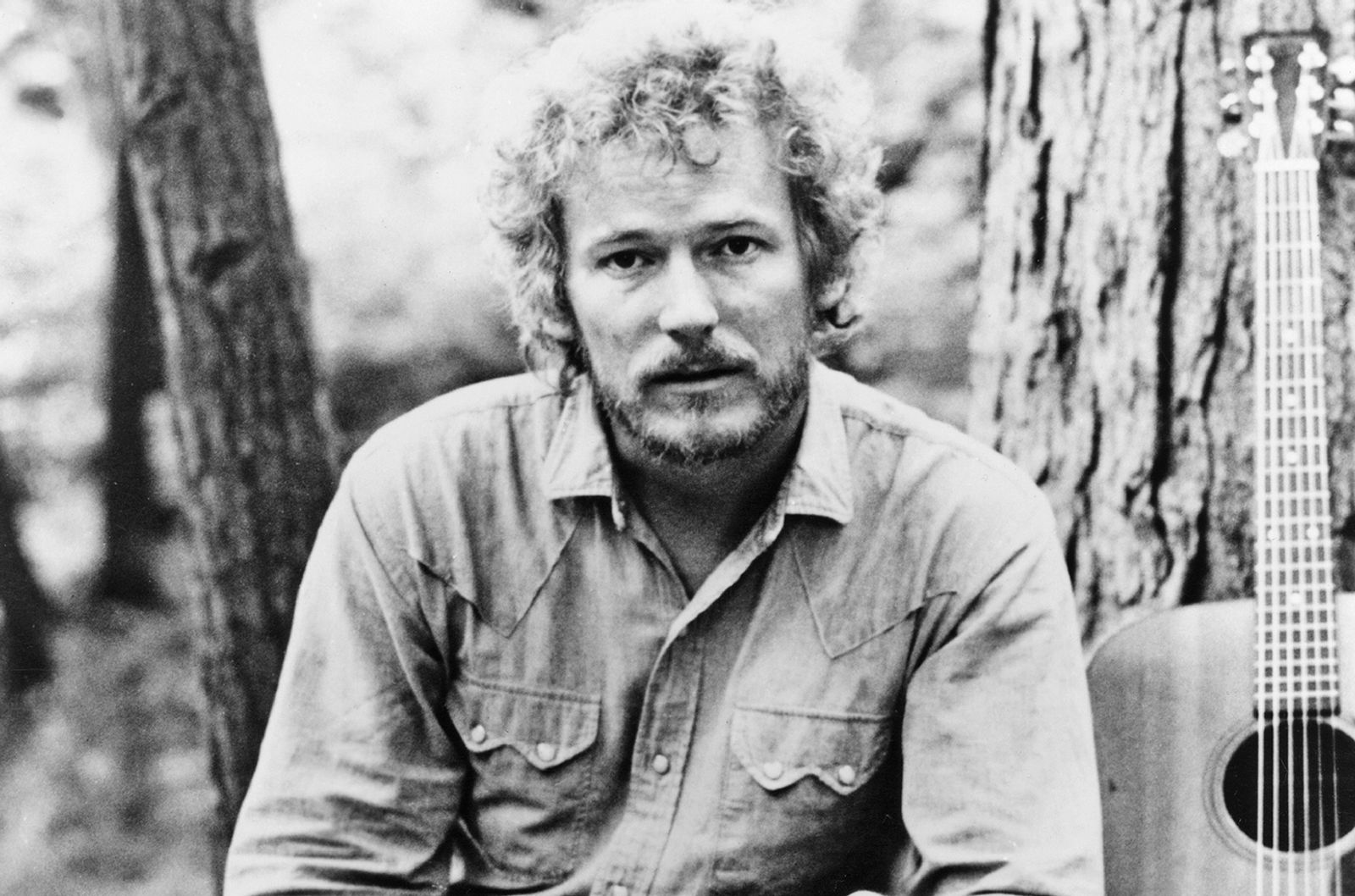
Instead, he openly reveals vulnerability, making the song feel painfully human.
That honesty continues to resonate across generations.
Gordon Lightfoot delivers every lyric with remarkable restraint.
His warm baritone never exaggerates emotion because he trusts the words themselves to carry the story.
Each phrase unfolds naturally, almost like pages from a private journal that listeners were never expected to read.
That intimate style became one of his greatest artistic strengths.
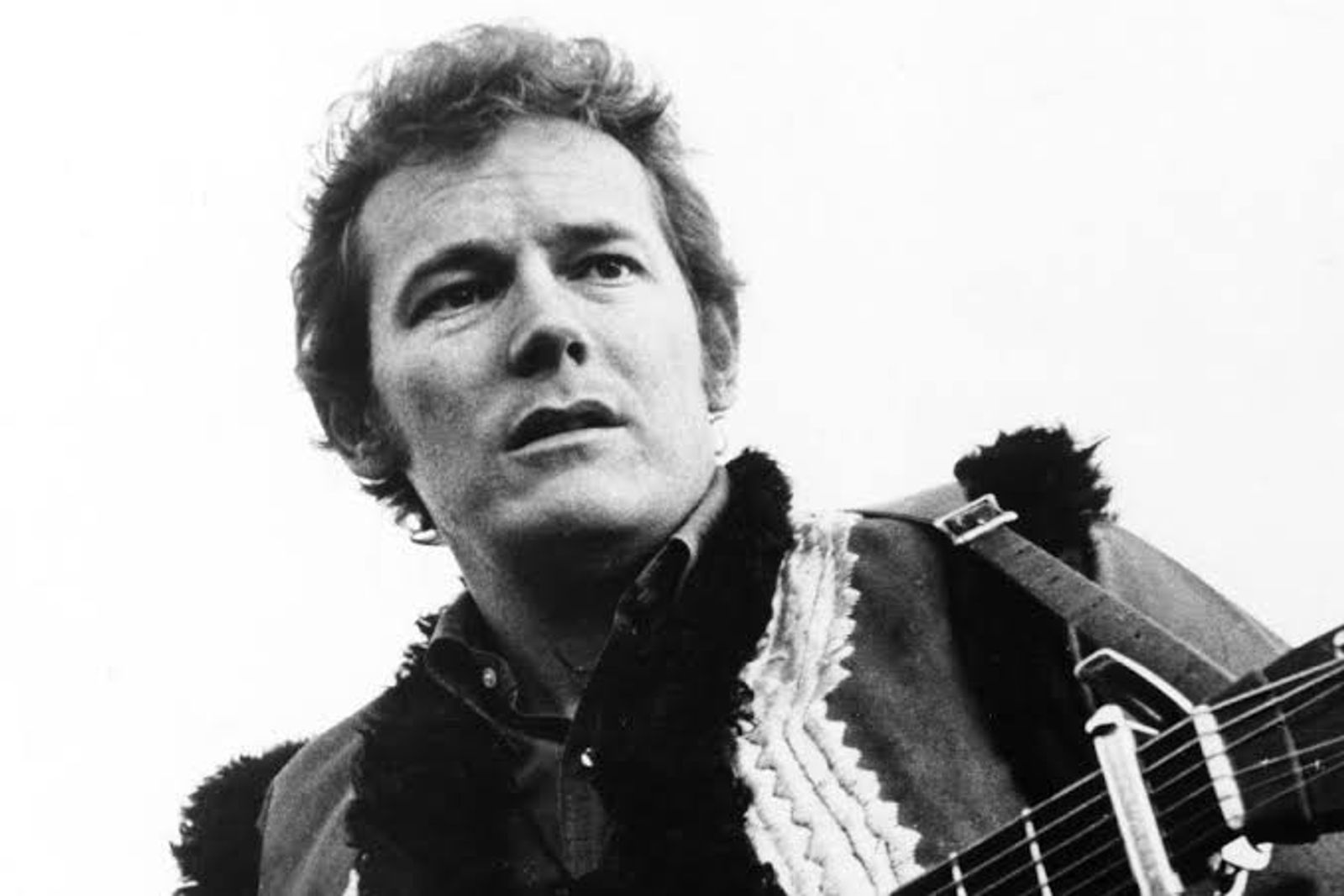
Musically, the arrangement reflects elegant simplicity.
Acoustic guitar forms the song’s steady heartbeat while tasteful rhythm, bass, and understated accompaniment quietly build emotional tension.
Nothing feels excessive.
Every musical choice supports the story without distracting from it.
The result is both intimate and unforgettable.
When “Sundown” reached the top of the charts, audiences immediately recognized its unique emotional atmosphere.

Unlike many hit songs driven by obvious hooks, this recording invited repeated listening.
Each return revealed another subtle detail hidden within its lyrics.
That layered songwriting explains why it continues attracting devoted listeners decades later.
Many fans have debated the song’s inspiration over the years.
Some hear it as a deeply personal reflection drawn from Lightfoot’s own experiences.
Others view it as a universal meditation on relationships tested by insecurity and misunderstanding.

Perhaps its greatest strength lies in refusing to provide definitive answers.
The mystery itself becomes part of the song’s lasting appeal.
As listeners grow older, its meaning often changes alongside their own experiences.
Young audiences may hear romance.
Older listeners recognize the complicated balance between trust, vulnerability, and emotional honesty that every lasting relationship eventually requires.
The song matures with the people who continue returning to it.

For many longtime fans, hearing “Sundown” instantly recalls quiet evenings, long highway drives, and moments when life’s biggest questions arrived without warning.
Its melody carries the warmth of fading daylight while its lyrics invite quiet reflection.
Few recordings create such a vivid emotional landscape.
Lightfoot possessed a remarkable gift for writing songs that never hurried their audience.
He allowed silence to carry meaning just as effectively as melody.
That patience gives “Sundown” an almost cinematic quality.
Listeners are encouraged to observe rather than simply consume the story unfolding before them.
Although musical styles have evolved dramatically since 1974, the emotional truth inside the song remains untouched by time.
Love still brings uncertainty.
Trust still requires courage.
The setting sun still reminds us that beautiful moments often arrive alongside quiet reflection.
Those timeless realities continue giving the recording extraordinary relevance.