
News
Behind the Smile: Dolly Parton’s Private Vigil for Carl Dean in the Final Months of Their Marriage
Throughout 2024 and into early 2025, Dolly Parton balanced public cheerfulness with a deeply private routine of overnight care for her husband, Carl Dean, as his health declined at home in Nashville.

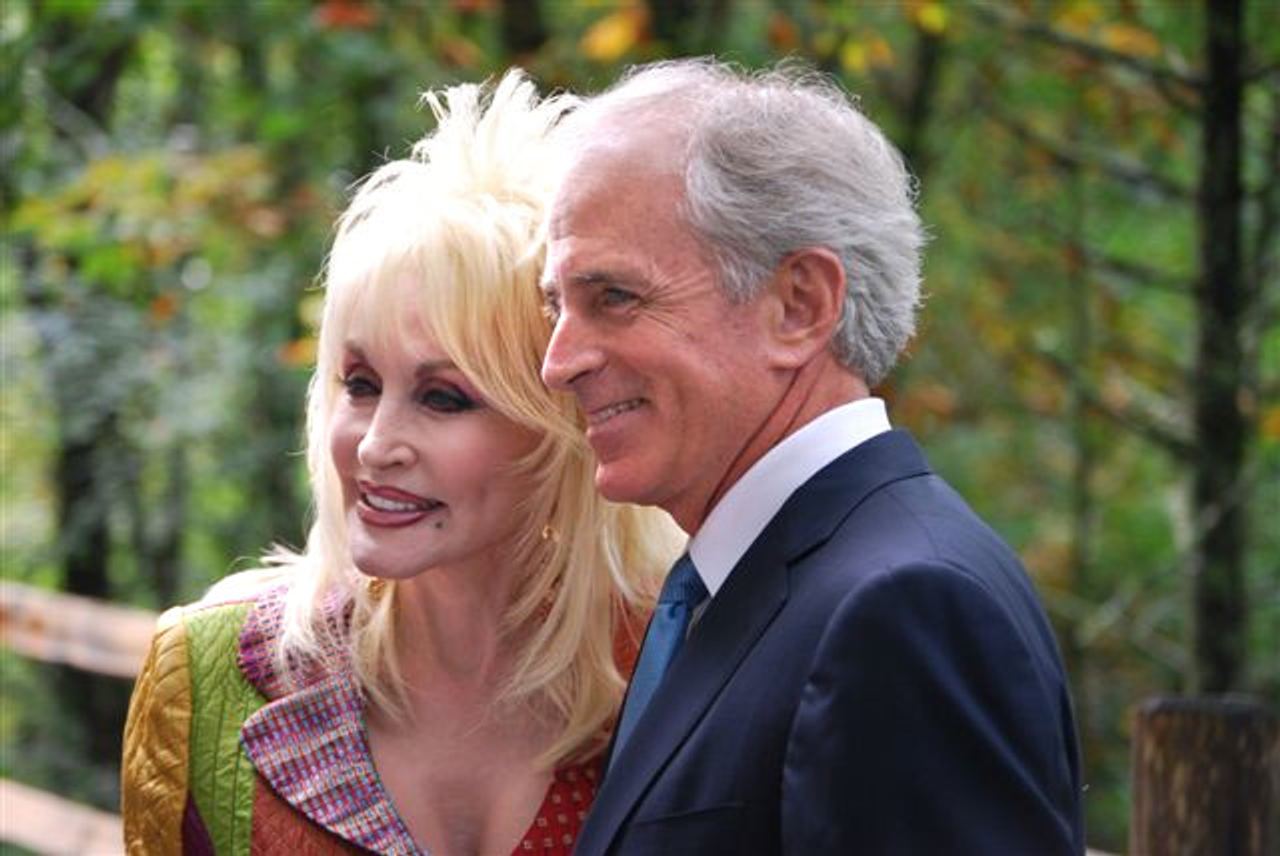
A public glow, a private burden
By day, Dolly Parton remained what audiences have long expected her to be: witty, polished, generous, and seemingly tireless under the glare of studio lights. She moved through television appearances and promotional obligations with the same sparkling ease that has defined her public life for decades, giving production crews and interviewers no obvious sign of the strain waiting for her at home.
But the contrast was stark. Away from the cameras, Parton was living through the exhausting intimacy of caregiving, returning to Nashville nights shaped by illness, interrupted sleep, and the emotional pressure of watching her husband, Carl Dean, weaken during the final stretch of their nearly sixty-year marriage. The brightness she projected publicly was not false so much as fiercely maintained.
The night shift she chose for herself
Even with the resources to delegate much of the work, Parton reportedly insisted on handling the nighttime care herself. That decision says something revealing about both the marriage and the woman at its center. She was not simply overseeing care; she was participating in it in the most human, ordinary ways, staying awake through dark hours to check Dean’s temperature, prepare small meals, and sit close beside him when fevers rose.
There is a particular solitude to overnight caregiving, when the world is quiet and time seems to move differently. For Parton, those hours came before full workdays in public. The routine demanded physical stamina, but it also required emotional discipline: to absorb fear in private and then, a few hours later, step into a studio ready to charm an audience.
She was carrying two versions of the same day: one lit for television, the other lived in whispers, medicine, worry, and love.
Protecting Carl Dean’s peace
Parton has long guarded Dean’s privacy. Unlike many celebrity marriages lived in public, theirs endured in part because Dean stayed almost entirely outside the spotlight. In his final months, that instinct toward protection appears to have become even more important. She reportedly said nothing publicly about his condition, choosing instead to preserve calm around the home and keep attention away from whatever fragility filled those rooms.
That silence was not emptiness. It was labor. To keep a loved one’s illness private while continuing to fulfill a demanding public schedule means constantly managing what to reveal, what to conceal, and how to prevent the spectacle of fame from intruding on a family’s hardest moments. In that sense, discretion became another form of care.
What happened when the cameras stopped
If her on-camera appearances still carried warmth and humor, the effort behind them became visible only once the performance ended. According to the account, the toll showed itself the moment studio doors closed. Assistants sometimes had to help support her as she made her way back to the dressing room, a small but telling detail that captures how much strength it took simply to remain upright through the workday.
Then came the comedown familiar to anyone who has had to keep going in crisis: costumes off, makeup chair, silence. The glamorous image associated with Parton gave way to physical pain, deep fatigue, and the private dread of anticipating loss. The dressing room became the place where the body finally registered what the spirit had forced it to postpone.
A marriage measured in decades, not appearances
Parton and Dean’s relationship has always carried a mythic quality precisely because it was so lightly performed for the public. They married in 1966 after meeting in 1964, and while Parton became one of the most recognizable entertainers in the world, Dean remained famously out of view. That distance from celebrity culture gave their bond an unusual texture: enduring, domestic, and largely untouched by the constant exposure that reshapes many high-profile unions.
In the account of his final decline, that long history matters. Holding a spouse’s hand through fever is tender in any marriage, but after six decades together it also becomes an act threaded with memory. The rough hands she held were not abstract symbols of devotion; they belonged to the man who had accompanied the whole arc of her adult life, from youth to legend.
The meaning of the smile after the news
When sad news about Dean was shared in March 2025, it cast Parton’s public appearances from the preceding months in a different light. What had looked like routine professionalism took on the shape of endurance. The smile remained real, but so did the grief gathering behind it. In retrospect, those appearances can be seen as part of the same love story as the nights at home: she kept going, and she kept caring.
There is a temptation, when writing about icons, to separate the extraordinary from the ordinary. Yet what gives this period its emotional force is how ordinary the central acts were. Watching over a fever. Making food someone might manage to eat. Sitting awake while the house is still. In the end, beneath the makeup, schedule, and legend, Dolly Parton was doing what countless devoted spouses do when time grows short: showing up, again and again, until she no longer could keep the loss at bay.
Quick Facts
- Subject: Dolly Parton
- Spouse: Carl Dean
- Setting: Nashville, Tennessee
- Time frame: Throughout 2024 and early 2025
- Marriage length described: Nearly sixty years
- News referenced: Sad news about Carl Dean was shared in March 2025
Image credits: United States Congress / Wikimedia Commons / Public domain; Curtis Hilbun / Wikimedia Commons / CC BY 3.0; Moeller Talent, Inc. Nashville (management) / Wikimedia Commons / Public domain.