
News
Bee Gees’ ‘For Whom the Bell Tolls’: The 1993 Ballad That Reintroduced Their Emotional Power
With “For Whom the Bell Tolls,” the Bee Gees stepped beyond the long shadow of disco and delivered a poised, aching ballad that showed their songwriting and harmonies had only deepened with time.

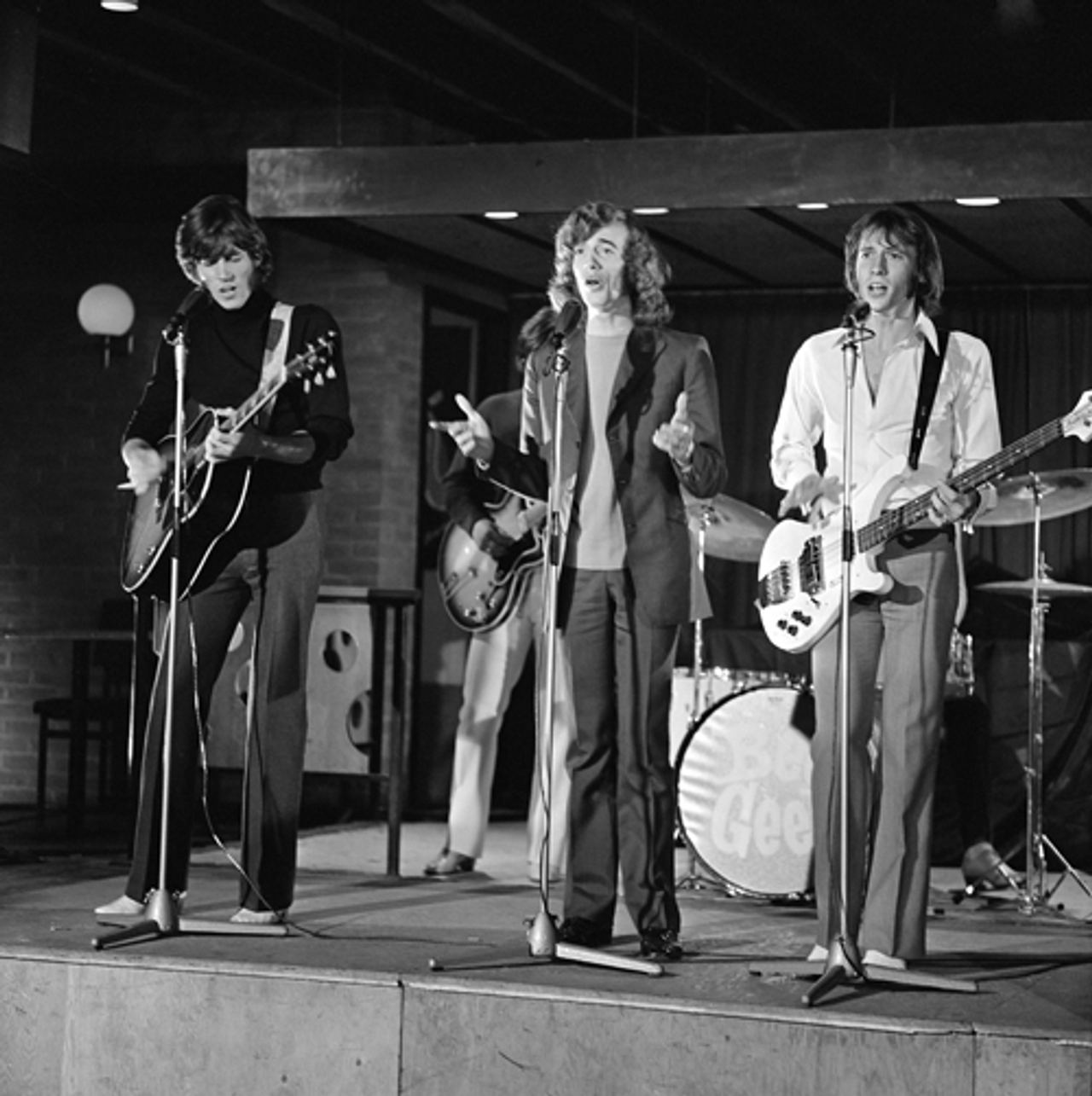
A comeback framed by restraint, not nostalgia
By 1993, the Bee Gees had little left to prove as hitmakers, yet “For Whom the Bell Tolls” arrived with the feeling of a quiet revelation. Rather than revisit the sleek dance pulse most casually associated with their name, Barry, Robin, and Maurice Gibb chose a stately, emotionally rich ballad that moved with patience. It was the kind of record that asked listeners to lean in.
paras
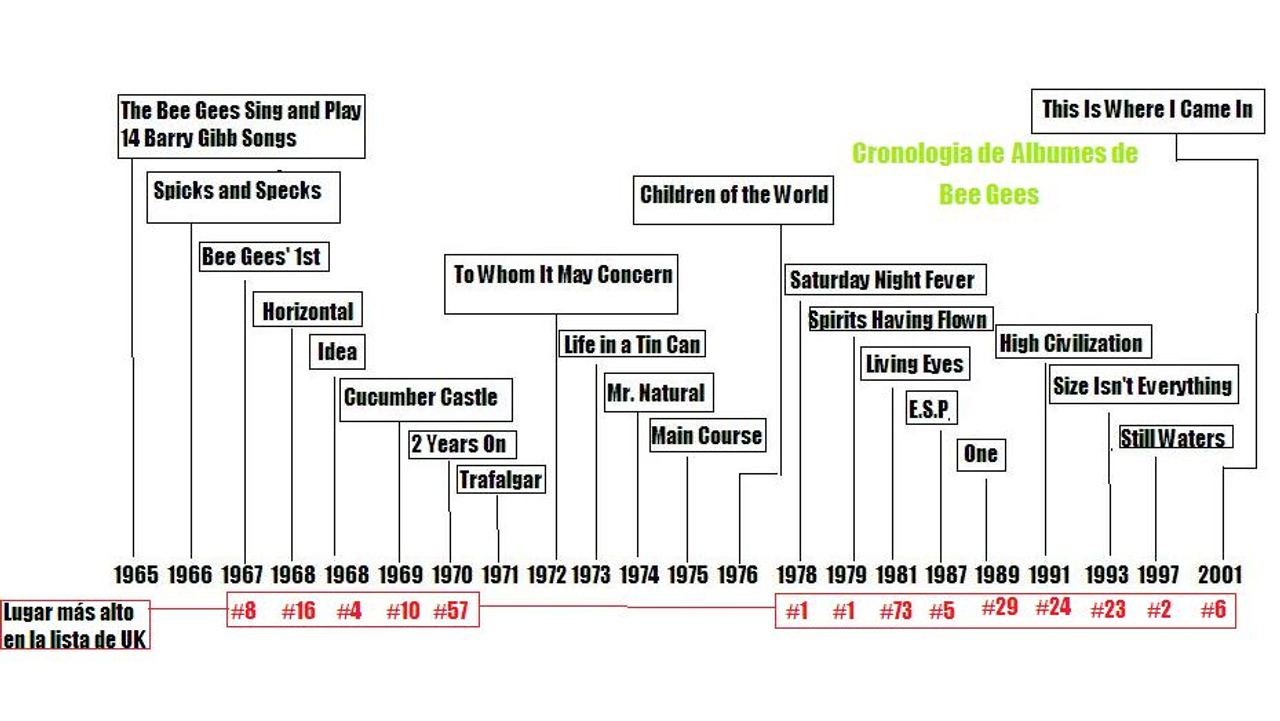
Appearing on Size Isn’t Everything, the song worked almost like a corrective to the simplified version of the Bee Gees story. Yes, they had defined an era, but they had also always been craftsmen of melody, mood, and vocal interplay. “For Whom the Bell Tolls” reminded audiences that their gifts were not tied to one trend or one decade; they were embedded in the brothers’ instinctive sense of drama and song form.
The sound of grown-up heartbreak
What makes “For Whom the Bell Tolls” so effective is its refusal to overstate. The arrangement is sweeping, but never gaudy. It opens space for the Bee Gees’ harmonies to gather gradually, letting tension build in measured waves. That slow rise gives the song its emotional architecture: heartbreak is not presented as a sudden explosion, but as something that echoes, settles, and returns.
The performance carries distance and reflection as much as pain. This is not youthful melodrama; it is sorrow viewed through experience. The brothers sing with a kind of controlled intensity, shaping the ballad around feeling rather than vocal showmanship. The result is elegant and deeply human, a song that understands how adult emotion often arrives with composure on the surface and devastation underneath.
It didn’t sound like a band trying to reclaim an old identity. It sounded like artists trusting that maturity could be just as moving as momentum.
A showcase for the Gibb brothers as writers
Barry, Robin, and Maurice Gibb wrote “For Whom the Bell Tolls” themselves, and that fact matters to the song’s lasting appeal. The Bee Gees were never merely interpreters of an era’s sound; they were builders of songs, attentive to structure, phrasing, and the emotional logic of a chorus. In this track, their writing is disciplined and clear, allowing the central ache to remain in focus.
The title suggests inevitability and loss, and the song lives up to that gravity without becoming ponderous. The brothers understood how to make melancholy feel melodic, how to let sadness travel on a tune memorable enough to linger after the last note. That balance between accessibility and depth was one of their defining strengths, and in 1993 it felt newly visible again.
Stepping out from under the disco shadow
For many listeners, the Bee Gees’ public image had long been dominated by the towering success of the late 1970s. That legacy was enormous, but it could also flatten the wider picture of their career. “For Whom the Bell Tolls” served as a reminder that the Bee Gees were not a museum piece from the disco era; they were still active, evolving musicians capable of making contemporary work with emotional weight.
That reinvention was triumphant precisely because it was so unforced. The song did not argue for relevance through trend-chasing production or fashionable gimmicks. Instead, it offered confidence, craft, and sincerity. In doing so, it invited older fans to hear continuity and younger listeners to discover a group whose appeal ran deeper than cultural shorthand.
Why the song connected across generations
Part of the ballad’s staying power lies in its universality. Themes of heartbreak, regret, and emotional distance do not age out, and the Bee Gees delivered them in a style broad enough to reach multiple audiences. Longtime admirers could hear the unmistakable familial blend of their voices, while new listeners could respond to the song simply as an impeccably made pop ballad.
There is also something inherently cross-generational about the Bee Gees at their best: three brothers singing with near-telepathic unity, each voice helping shape a larger emotional whole. On “For Whom the Bell Tolls,” that unity becomes the song’s soul. It is the sound of experience transformed into harmony, and that quality remains immediately legible whether one came to the group through vinyl, radio, CD, or later rediscovery.
The legacy of a late-career statement
“For Whom the Bell Tolls” endures because it captures the Bee Gees in a mode that often receives less attention than it deserves: reflective, elegant, and mature. It stands as proof that their artistry did not peak in a single cultural moment. If anything, the song reveals how durable their core strengths were — songwriting discipline, emotional intelligence, and one of popular music’s most distinctive vocal blends.
As a chapter in the Bee Gees story, the track feels less like a footnote than a reaffirmation. It showed that the harmony never left; it had simply aged into something deeper. In 1993, that mattered. And for listeners returning to the song now, it still does.
Quick Facts
- Song: “For Whom the Bell Tolls”
- Artist: Bee Gees
- Year: 1993
- Album: Size Isn’t Everything
- Writers: Barry, Robin, and Maurice Gibb
- Style: Dramatic pop ballad
Image credits: NCRV / Wikimedia Commons / CC BY-SA 3.0 nl; Bestgibb / Wikimedia Commons / CC BY-SA 4.0; NBC Television / Wikimedia Commons / Public domain.

