Celebrities & Music
Back in the early ’70s, one song dared to laugh at fame… and somehow ended up becoming part of music history itself.
The article discusses the impact of Dr. Hook’s song ‘The Cover of the Rolling Stone,’ highlighting its humorous yet insightful commentary on fame and the music industry during the early 1970s.
Back in the early ’70s, one song dared to laugh at fame… and somehow ended up becoming part of music history itself. It sounded playful, even ridiculous at first — but hidden inside was a sharp truth about ambition, ego, and the moment every artist dreams of seeing their face where it truly “counts.”
In 1972, The Cover of the Rolling Stone burst onto the radio with a grin, a wink, and a satirical edge that felt unlike anything else in popular music at the time.
Performed by Dr. Hook & the Medicine Show, the song was funny, sharp, and strangely insightful, capturing the wild dreams and contradictions of rock stardom during the early 1970s.
At first listen, it sounded like a novelty hit, but beneath the humor was a clever commentary on fame, ambition, and the music industry itself.
Dr. Hook was not a traditional rock band chasing glory through stadium anthems or guitar solos.
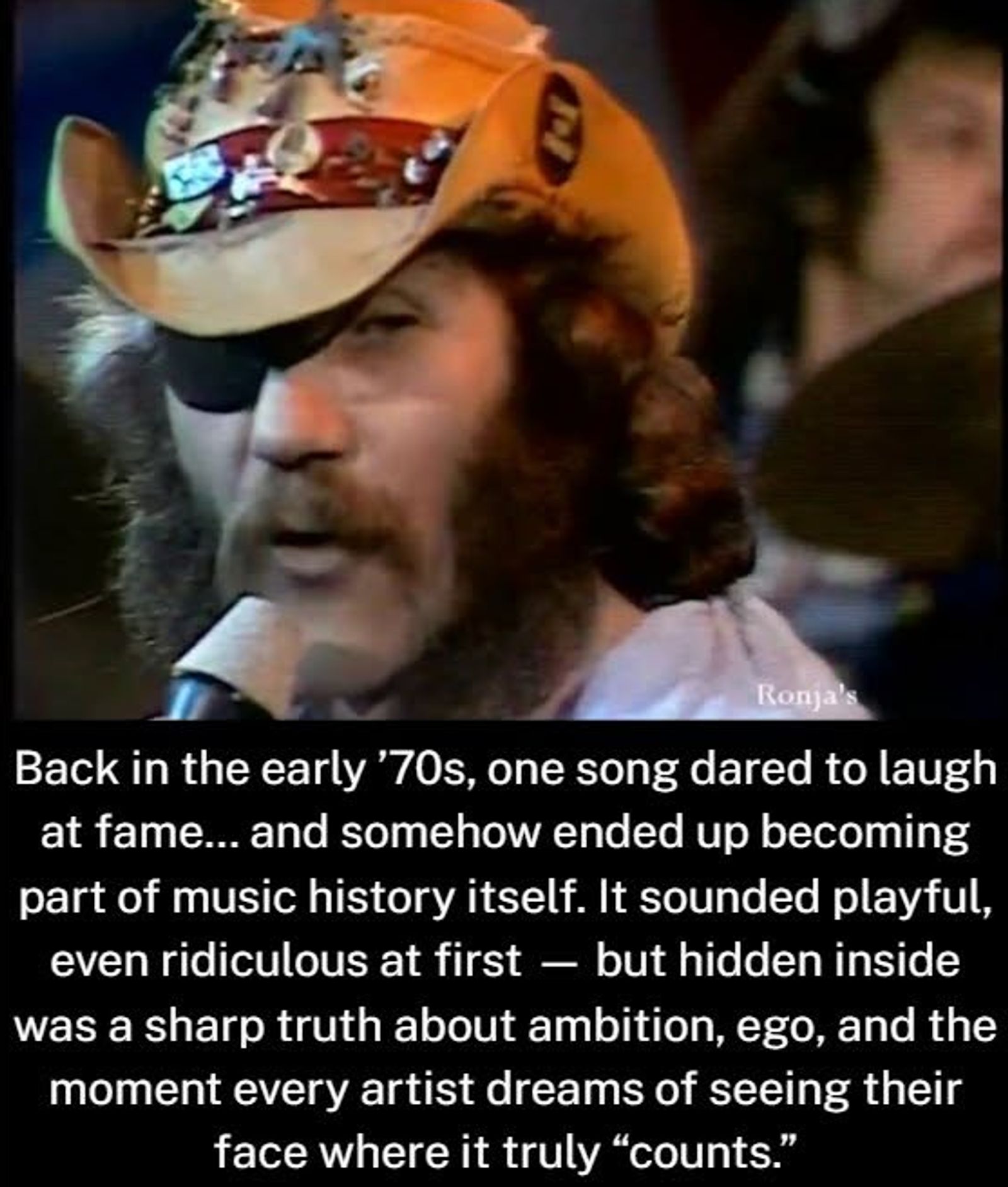
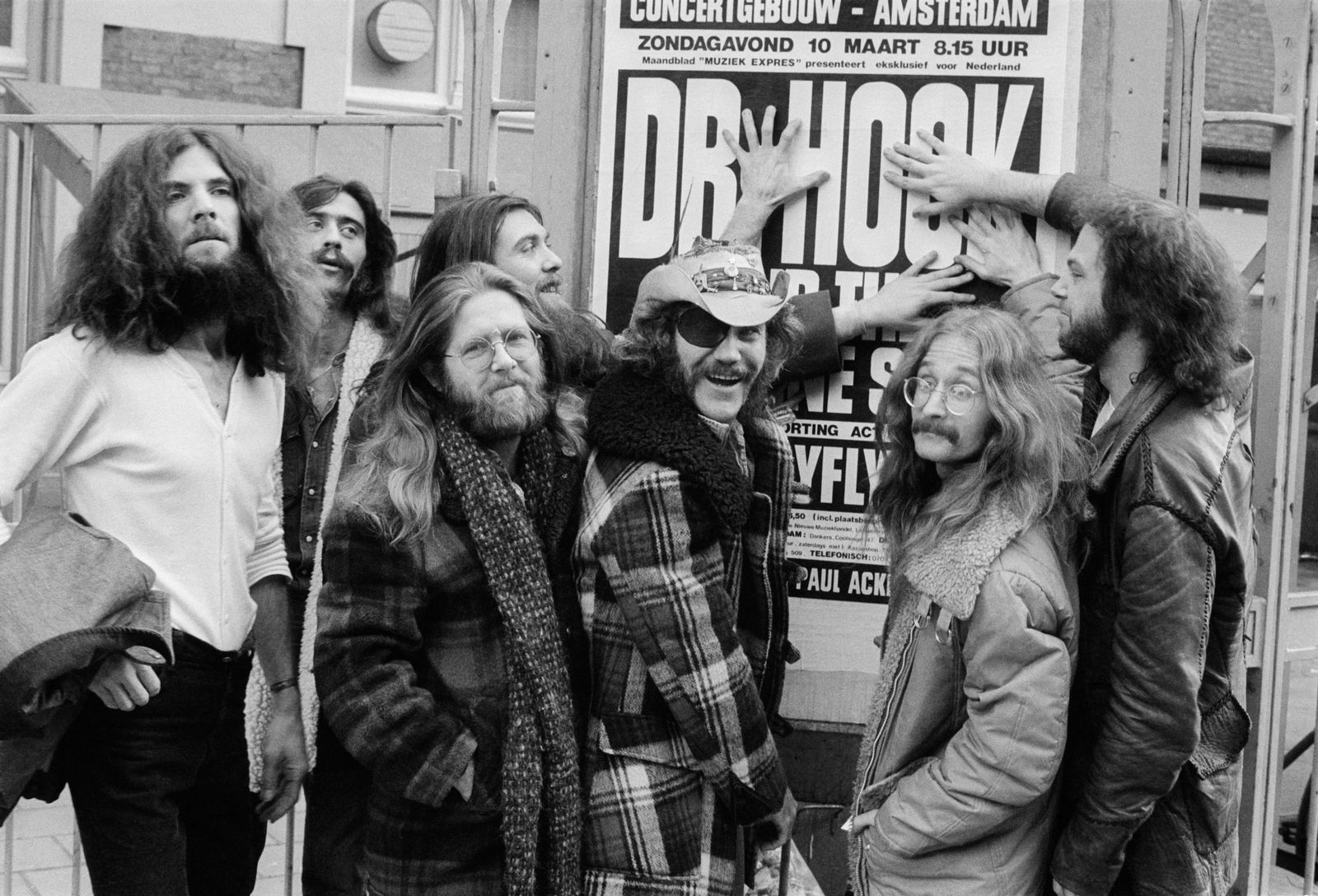
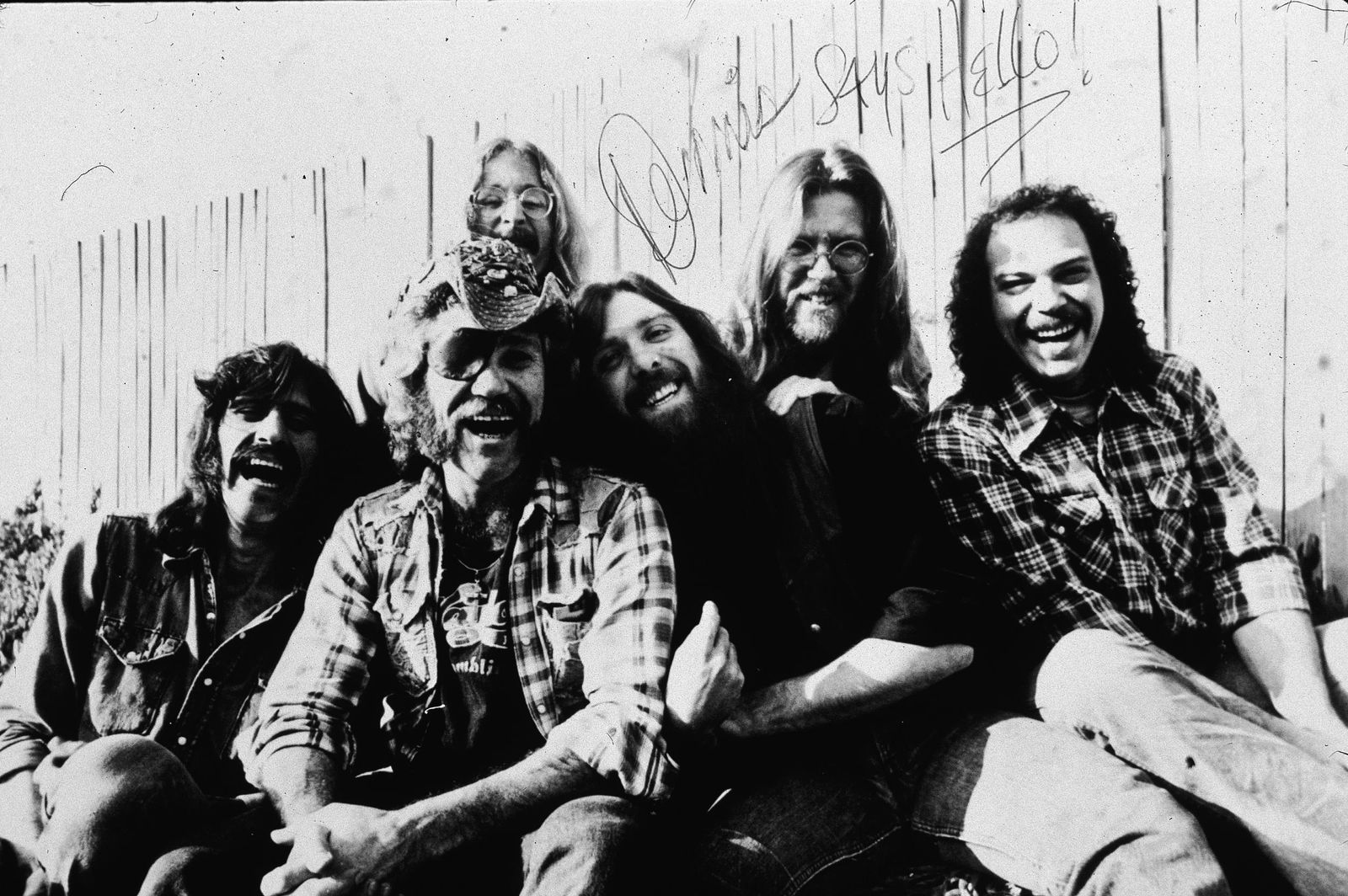
They were a group of long-haired, bearded outsiders with a playful spirit, blending country, rock, folk, and comedy into a sound that felt both rebellious and approachable.
The song was written by Shel Silverstein, the celebrated poet, cartoonist, and songwriter whose wit and observational humor made him a perfect match for the band’s personality.
Silverstein understood the absurdity of fame, and The Cover of the Rolling Stone was his way of turning the spotlight into a mirror.
The lyrics tell the story of a band that has everything money can buy—beautiful groupies, expensive drugs, and private jets—but still can’t achieve the one thing they crave most.
They want validation.
They want recognition.
They want to see their faces staring back at them from the cover of Rolling Stone magazine.
In an era when Rolling Stone represented ultimate cultural credibility, being on its cover meant you had truly “made it.”
The song humorously exposes how even success can feel incomplete when measured against fame’s ever-moving finish line.
Dr. Hook delivered the lyrics with exaggerated swagger, drawling vocals, and tongue-in-cheek confidence that made the satire unmistakable.
Lead singer Ray Sawyer, with his eye patch and raspy voice, became an instantly recognizable figure who embodied the song’s larger-than-life attitude.
When the single was released, it quickly gained attention for its boldness and cleverness.
Radio stations embraced it, and audiences laughed, nodded, and sang along, recognizing the truth hidden inside the joke.
The song climbed to number six on the Billboard Hot 100, an impressive achievement for a track that openly mocked the very industry it depended on.
Ironically, the success of The Cover of the Rolling Stone created a real-world situation that mirrored its lyrics.

Because the song repeatedly mentioned Rolling Stone magazine, the publication initially refused to put Dr. Hook on its cover.
But public pressure and the song’s popularity became impossible to ignore.
In a twist that felt scripted by fate itself, Dr. Hook eventually appeared on the cover of Rolling Stone in March 1973.
The band celebrated the moment by wearing masks of their own faces, fully embracing the absurdity of achieving fame by mocking it.
That cover became one of the most iconic examples of pop culture irony in music history.

Beyond its chart success, the song helped redefine what a hit single could be.
It proved that humor and intelligence could coexist with commercial appeal.
It also showed that audiences were ready for songs that didn’t take themselves too seriously, even as they spoke honestly about ambition and desire.
For Dr. Hook, the song marked a turning point.
While they would later score softer, more romantic hits like Sylvia’s Mother and When You’re in Love with a Beautiful Woman, this track established their identity.

They were storytellers, observers, and satirists, not just performers.
Over the decades, The Cover of the Rolling Stone has remained a staple of classic rock radio.
It continues to resonate because the hunger for fame it describes has never disappeared.
If anything, the modern world of social media, viral moments, and instant celebrity has made its message even more relevant.
Listening to the song today feels like opening a time capsule from an era when rock stars were becoming brands and image was beginning to rival music itself.
Yet its charm lies in its warmth, reminding listeners that behind the jokes are real people chasing dreams, validation, and meaning.
More than fifty years later, The Cover of the Rolling Stone stands as one of rock music’s smartest and most entertaining self-portraits.
It is funny without being cruel, critical without being bitter, and nostalgic without losing its edge.
In the end, Dr. Hook didn’t just sing about wanting fame—they turned the chase itself into a timeless song that still makes listeners smile, laugh, and reflect on what success truly means.