
Celebrities & Music
AT TWENTY YEARS OLD, SHE HAD RECORD EXECUTIVES READY TO LAUNCH HER CAREER — BUT CAROLYN QUIETLY TRADED THE SPOTLIGHT TO RAISE THE BOY WHO WOULD BECOME TOBY KEITH.
The article explores how Carolyn, mother of Toby Keith, traded her promising music career to raise him, ultimately influencing his musical journey and legacy.

Long before Toby Keith filled stadiums, his mother stood on a much smaller stage. Carolyn sang regularly at her grandmother’s supper club, possessing a voice and stage presence so natural that industry executives began taking notice.
Toby always remembered his mother carrying the sharp, striking elegance of a young Patsy Cline. A professional recording contract was entirely within her reach.
But when she became a mother at twenty, the trajectory shifted. There was no dramatic farewell or bitter resentment toward the industry. Carolyn simply stepped away from the microphone, replacing the applause of a crowded room with the quiet of a nursery.
The voice that could have reached the national radio charts became the foundation of Toby’s childhood. She gave him his life, and in return, he spent his career carrying her unfulfilled dream into the brightest arenas in the world.
She gave up her chance at fame so he could have his. The specific songs Carolyn performed in those early supper club days—and the exact way her vocal phrasing influenced Toby’s first acoustic demos—remains a deeper chapter of the family’s musical archive.
AT TWENTY YEARS OLD, SHE HAD RECORD EXECUTIVES READY TO LAUNCH A TRADITIONAL COUNTRY CAREER — BUT CAROLYN QUIETLY TRADED THE SPOTLIGHT TO RAISE THE BOY WHO WOULD BECOME TOBY KEITH.
Long before sold-out stadium tours and multi-platinum records defined his name, the foundation of Toby Keith’s musical legacy was built on a much smaller, more intimate stage.
The venue was a local supper club owned by his great-grandmother, a room where the clinking of glasses and evening conversations would routinely fade the moment Carolyn stepped up to the microphone.
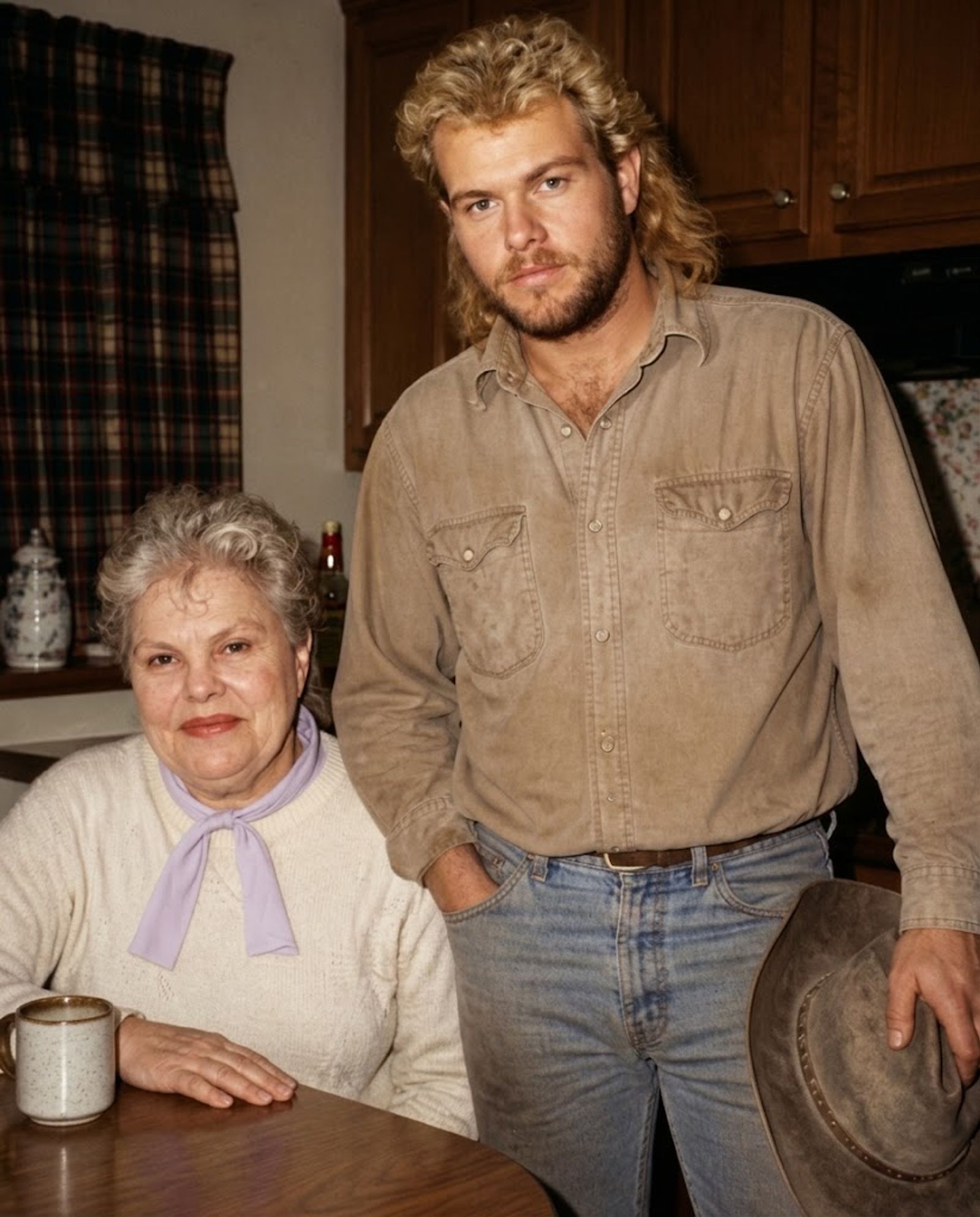
She was Toby’s mother, but to the patrons in that room, she was a genuine, undeniable talent who commanded the space with a rare ease.
Her ability was not merely the subject of fond family lore. Carolyn possessed a vocal authenticity and a natural stage presence that had begun to draw serious attention from outside the local circuit.
Record executives and industry scouts had heard the young singer and recognized the commercial potential in her delivery. Toby would later recall how his mother carried herself with the sharp, striking elegance of a young Patsy Cline.
A professional recording contract was not just a distant hope. It was entirely within her reach, waiting just on the other side of a signature.
But the arrival of her son altered the trajectory of that promise. Becoming a mother at twenty years old presented a sudden, life-defining crossroads.
For Carolyn, the decision did not come with a dramatic farewell or years of lingering resentment toward an industry she was leaving behind. She simply chose a different path.
She stepped away from the microphone, trading the bright glare of the stage for the quiet hum of a family home. The applause of a crowded supper club was replaced by the stillness of a nursery.
The powerful country voice that had captivated talent scouts and could have easily climbed the national radio charts found a new, singular purpose. It became the comforting sound of evening lullabies, sung under the warm glow of a bedside lamp to a child who was quietly absorbing every note.
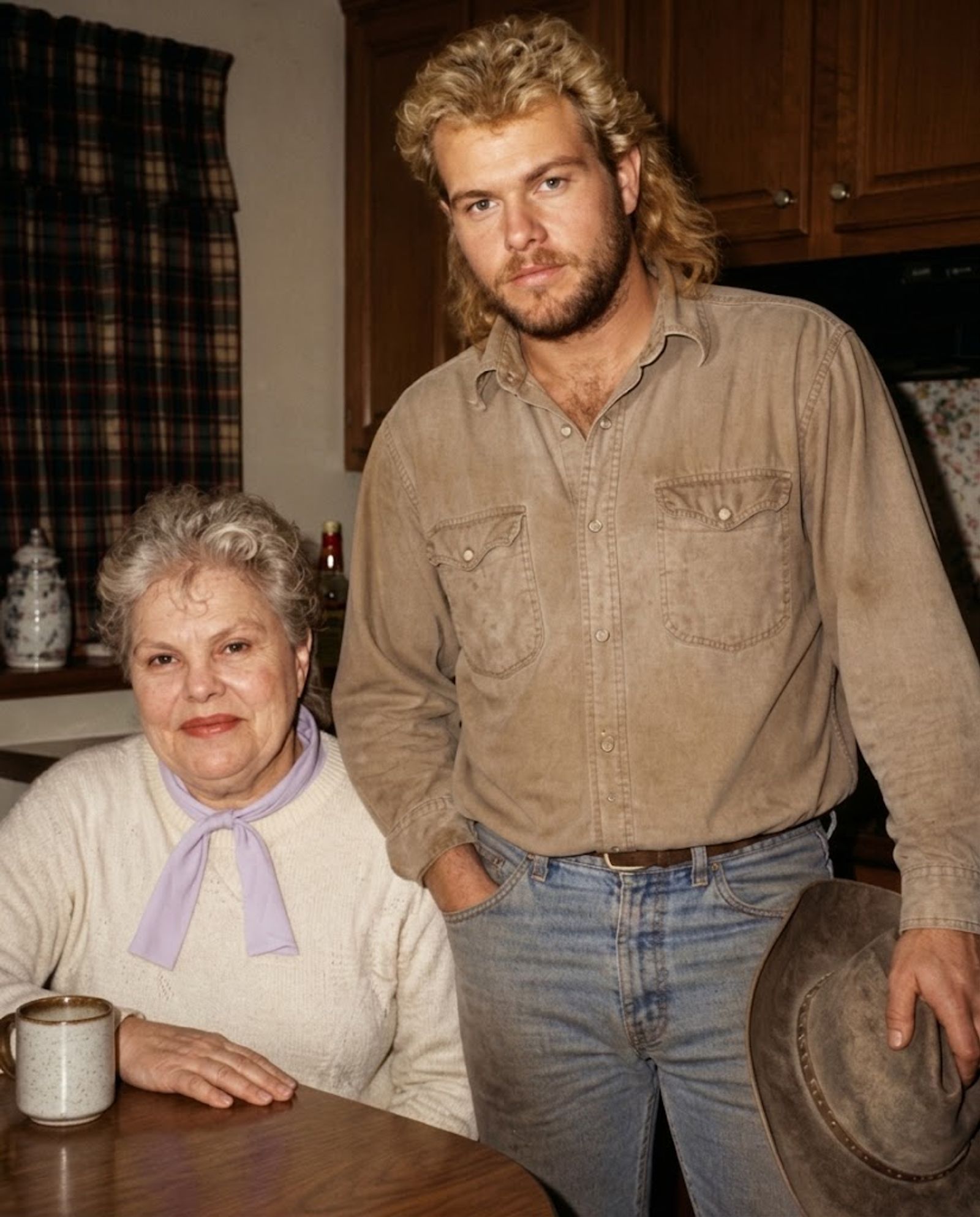
Carolyn did not surrender her musical gifts. She transferred them.
Toby grew up immersed in the rhythms and phrasings of a woman who understood how to deliver a song. The specific traditional country tracks she performed during those early supper club days laid the groundwork for his own musical education.
Her vocal stylings deeply influenced his first acoustic demos, serving as the uncredited architecture behind a voice that would eventually define a modern era of country music.
The profound weight of her choice revealed itself decades later.
When Toby Keith stood in the center of the world’s brightest arenas, looking out over seas of thousands of fans, he was carrying more than just his own catalog of hits. He was carrying the unfulfilled dream of a twenty-year-old girl who had prioritized his life over her own ambition.
Carolyn lived to sit in those massive audiences, watching her son become the very icon she once had the potential to be.
Her legacy is not recorded on a vinyl pressing from the 1960s or preserved in a Nashville vault. It was woven directly into the career of one of the genre’s most towering figures.
She surrendered her moment in the spotlight, ensuring he would never have to step out of his.
Read more stories
- He Was Rejected By His Own Mom And Raised To Think ‘Women Are Evil’ But He Became A Legendary Rockstar
- TOBY KEITH RECORDED SOME OF THE BIGGEST PATRIOTIC ANTHEMS IN COUNTRY MUSIC HISTORY—BUT HIS REAL LEGACY WAS BUILT ON MILITARY BASES WHERE NO CAMERAS WERE ROLLING.
- [Video]: The One-Take Hit That Took Over Rock Radio
- The Box Tops’ “The Letter” Captures Lightning in a Bottle and Redefines Blue-Eyed Soul in 1967-2