Celebrities & Music
A two-minute classic about one unexpected message still leaves millions wondering what was written and why it changed everything.
The article explores the enduring impact of The Box Tops’ song “The Letter,” highlighting its emotional depth and timeless storytelling despite its brief duration.
Some songs race by in barely two minutes, yet somehow manage to tell a story that lingers in our hearts for decades after the final note has faded.
When The Box Tops released “The Letter” in 1967, they proved that unforgettable music does not depend on length but on honesty, emotion, and timeless storytelling.
At a time when psychedelic rock and elaborate studio productions were becoming increasingly popular, this simple recording offered something refreshingly direct.
Its raw energy immediately separated it from countless other songs climbing the charts.
From the opening line, listeners are thrown into the middle of an urgent journey.
A letter has arrived, carrying news so important that nothing else seems to matter.
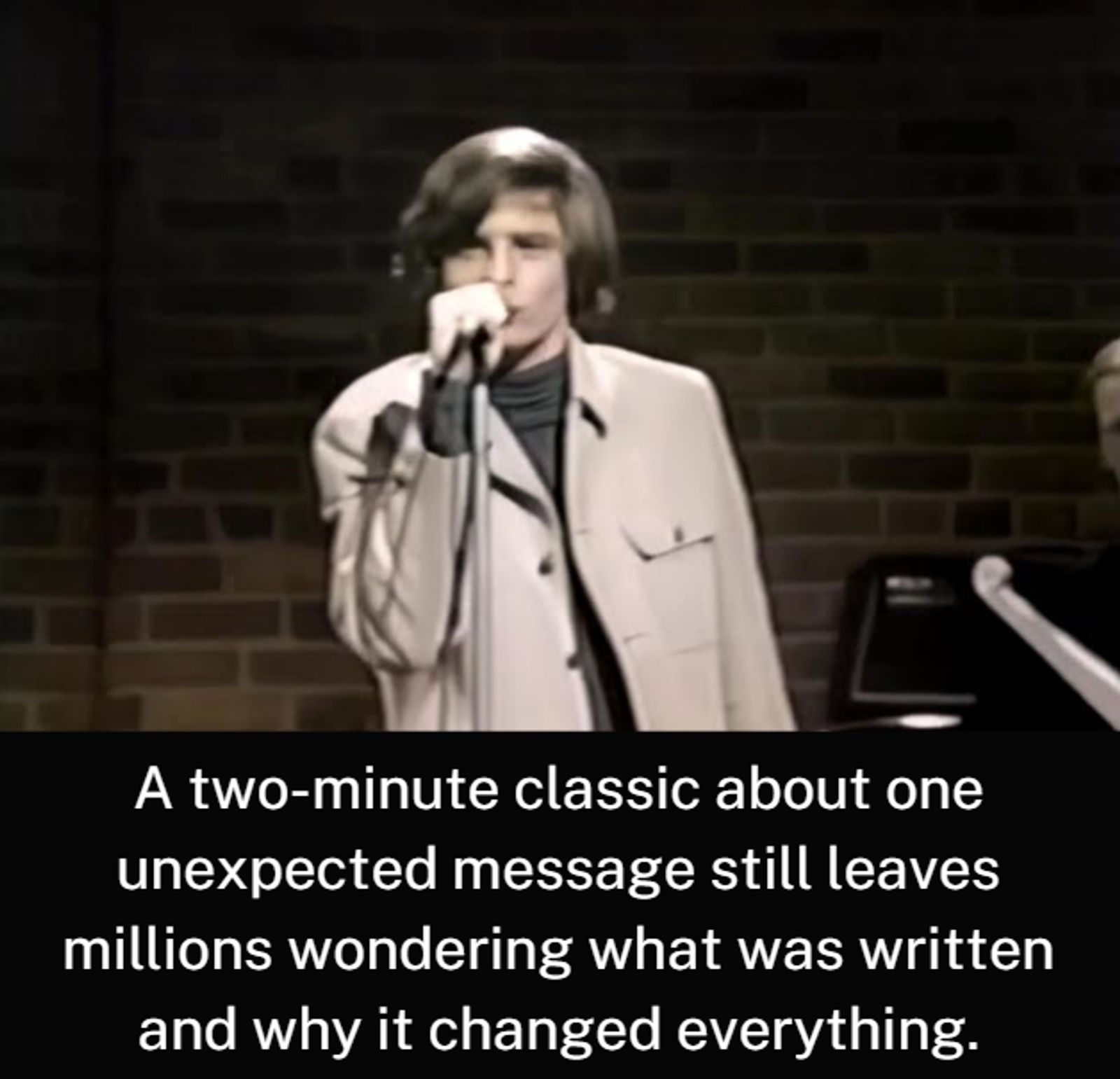
The narrator is willing to leave everything behind without hesitation.
That powerful sense of urgency gives the song its remarkable momentum.
Unlike many love songs filled with long explanations, “The Letter” trusts listeners to imagine the missing pieces.
It never fully reveals what was written inside the letter.
Instead, the mystery becomes part of the song’s lasting appeal.
Every listener quietly fills those empty spaces with emotions drawn from their own life.
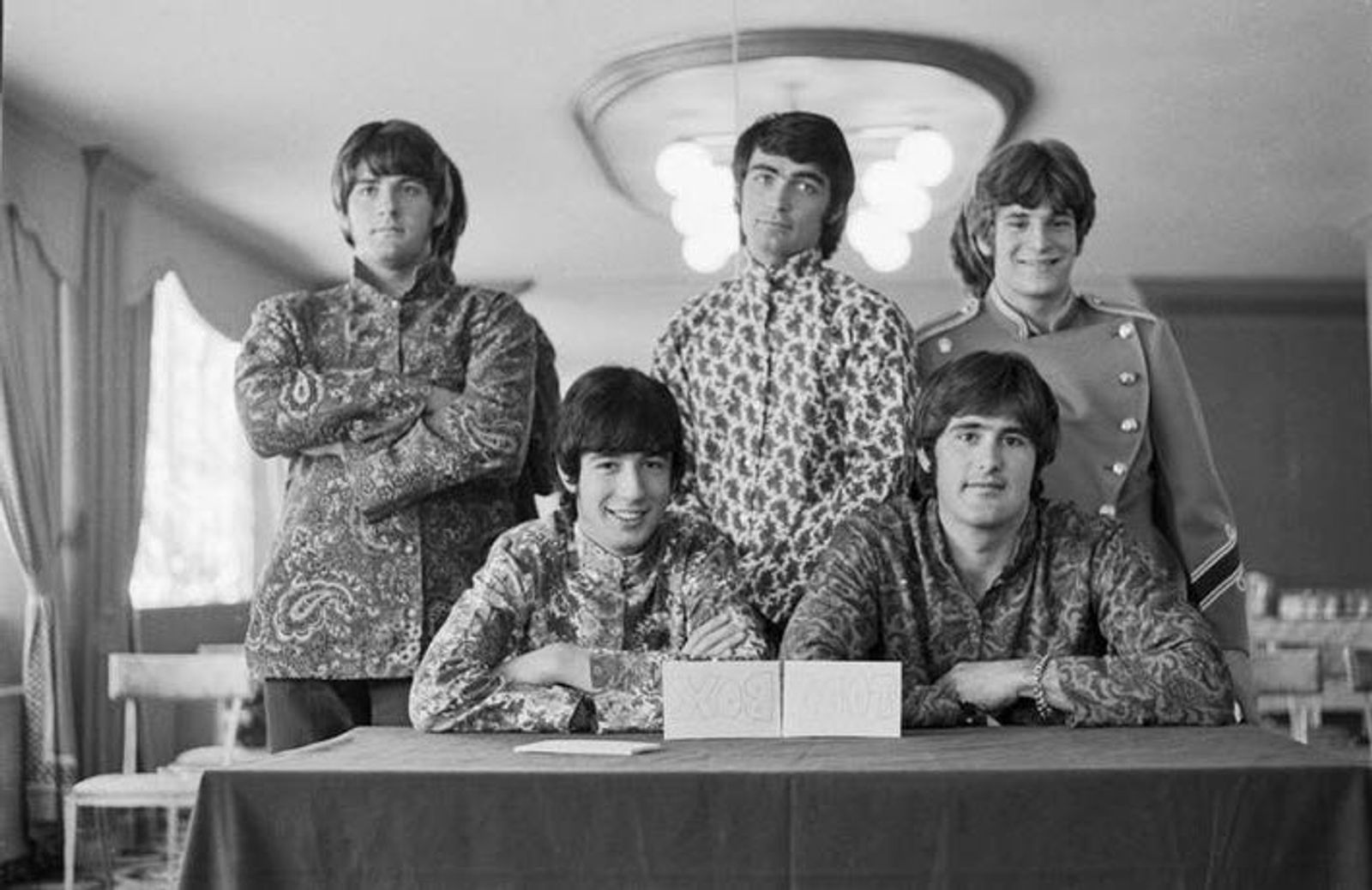
That simple storytelling technique has helped the recording remain timeless.
At the center of it all stands Alex Chilton, whose extraordinary voice sounded astonishingly mature despite his young age.
Only sixteen years old during the recording, he sang with the confidence and emotional depth of someone far beyond his years.
His slightly weathered vocal tone became one of the song’s defining characteristics.
Rather than sounding polished, it sounded authentic.
That authenticity gave every lyric remarkable emotional weight.
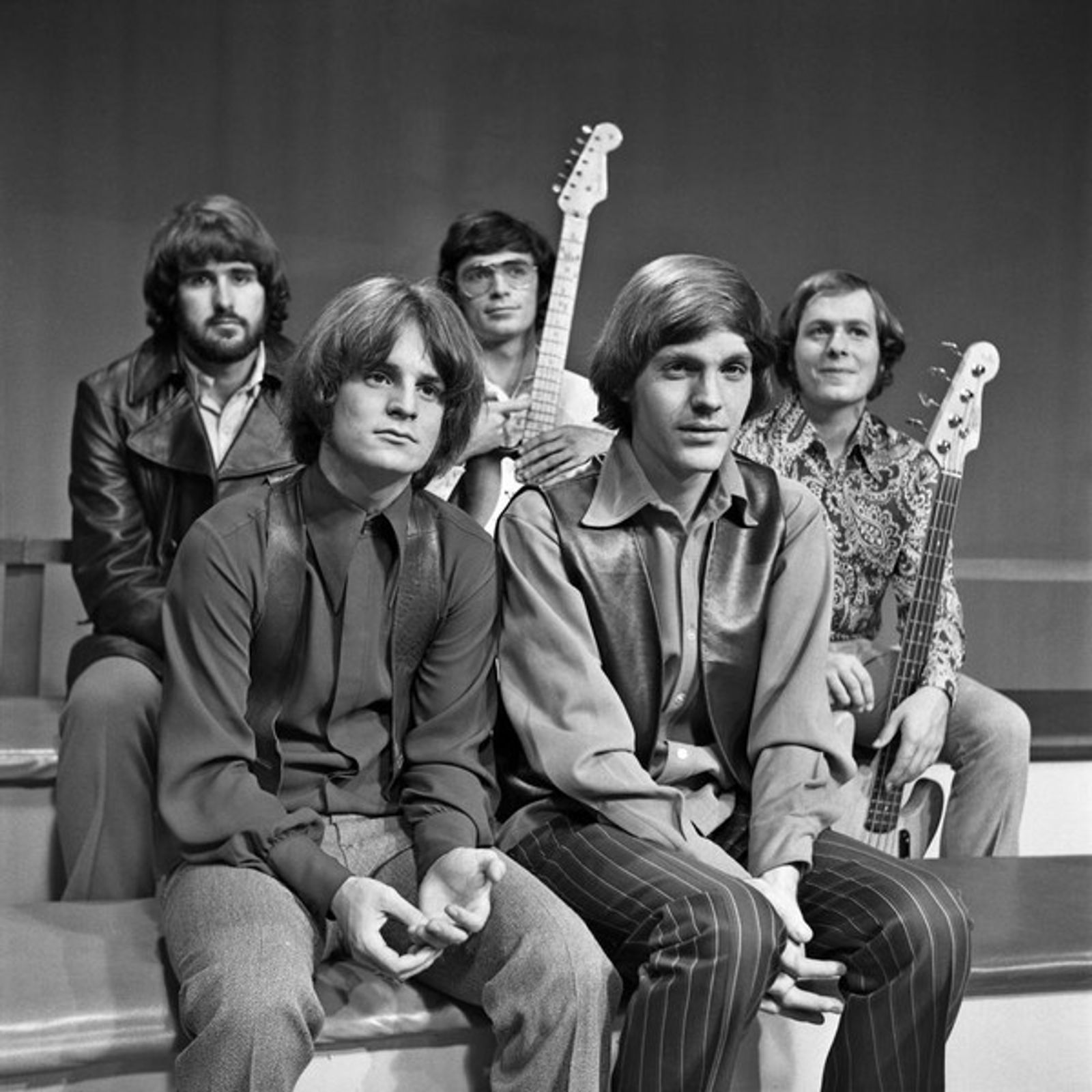
Musically, the arrangement embraces simplicity with complete confidence.
Driving piano, soulful horns, steady rhythm, and crisp guitar combine to create an unforgettable groove.
Nothing feels unnecessary.
Every instrument pushes the story forward with relentless determination.
The recording moves like a train that refuses to slow down.
Its brief running time only strengthens its emotional impact.
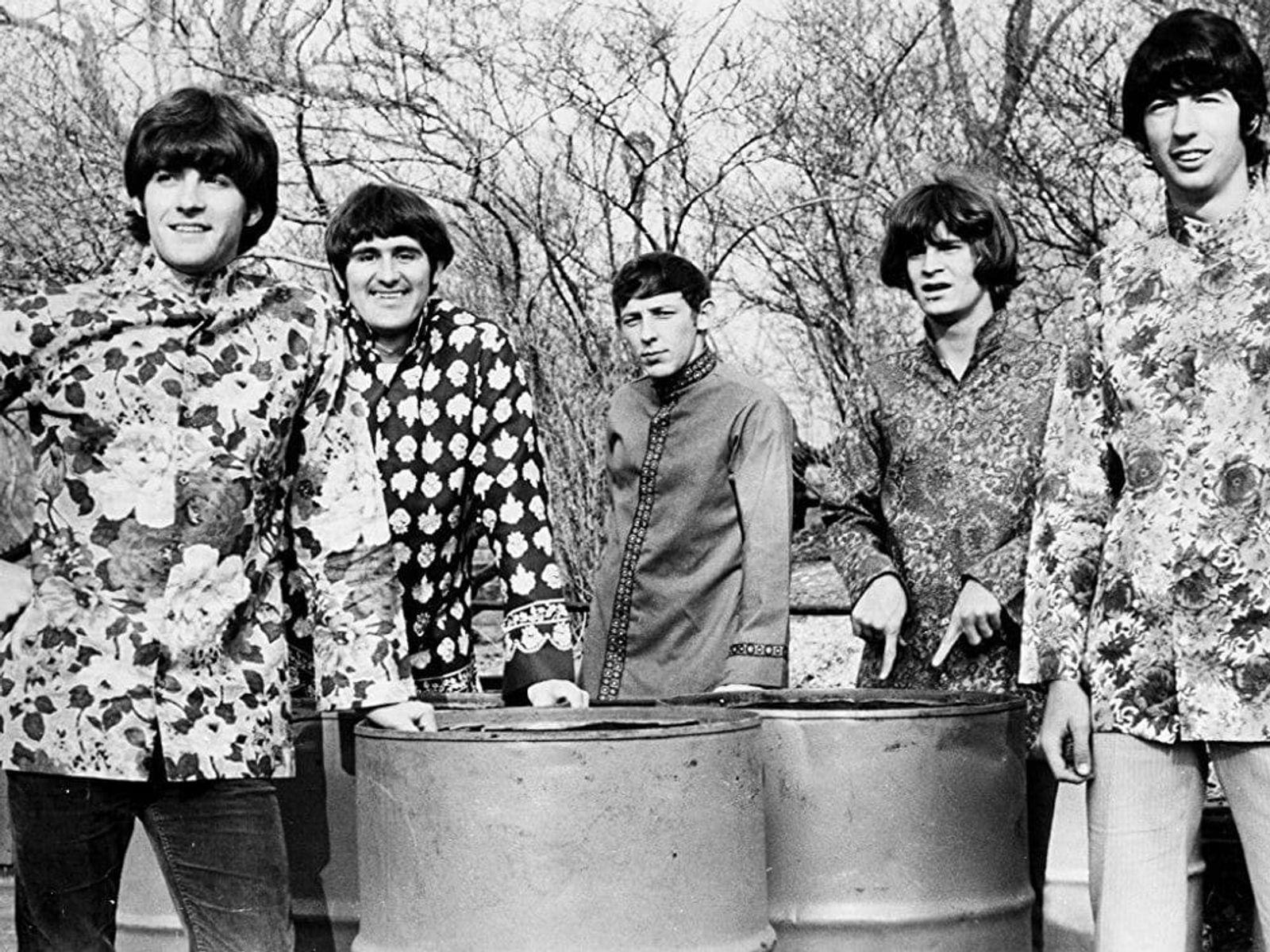
Before listeners have time to settle comfortably, the journey is already reaching its destination.
That efficiency became one of the song’s greatest strengths.
Few recordings accomplish so much in so little time.
Although often remembered as a romantic song, “The Letter” quietly explores something much deeper.
It captures the irresistible pull of home, love, and unfinished relationships.
Everyone understands the feeling of dropping everything because someone important suddenly needs us.

That emotional truth continues connecting with audiences across generations.
The late 1960s were filled with musical experimentation, social change, and cultural transformation.
Yet amid all that complexity, this straightforward recording became one of the year’s biggest hits.
Its success demonstrated that genuine emotion never requires complicated arrangements.
Sometimes honesty speaks loudest through simplicity.
For many longtime listeners, hearing “The Letter” immediately recalls transistor radios, family road trips, and afternoons when music poured through open windows during warm summer days.

Others remember hearing it from old jukeboxes where every selection seemed to become part of someone’s personal story.
Those memories have become inseparable from the song itself.
Music possesses a remarkable ability to preserve ordinary moments forever.
Few recordings capture that gift more completely than this energetic classic.
Even younger audiences discovering the song today often find themselves drawn to its timeless spirit.
Its rhythm still feels fresh.
Its melody remains unforgettable.
Its emotional urgency sounds just as convincing today as it did nearly sixty years ago.
That lasting appeal explains why so many artists have chosen to record their own versions over the decades.
Yet the original performance by The Box Tops continues standing above them all.
There is an honesty inside Alex Chilton’s youthful voice that simply cannot be recreated.
He sings every word as though the letter truly arrived only moments before the recording began.
That remarkable sincerity continues defining the song’s enduring legacy.