Celebrities & Music
A Timeless Classic: The Enduring Legacy of a 1955 Masterpiece
This page collects several music-related retrospective pieces, including one about the enduring legacy of a 1955 classic, another on the story behind The Eagles’ “Hotel California,” a John Denver and Cass Elliot duet, and a reflective essay on 10cc’s “I’m Not In Love.”
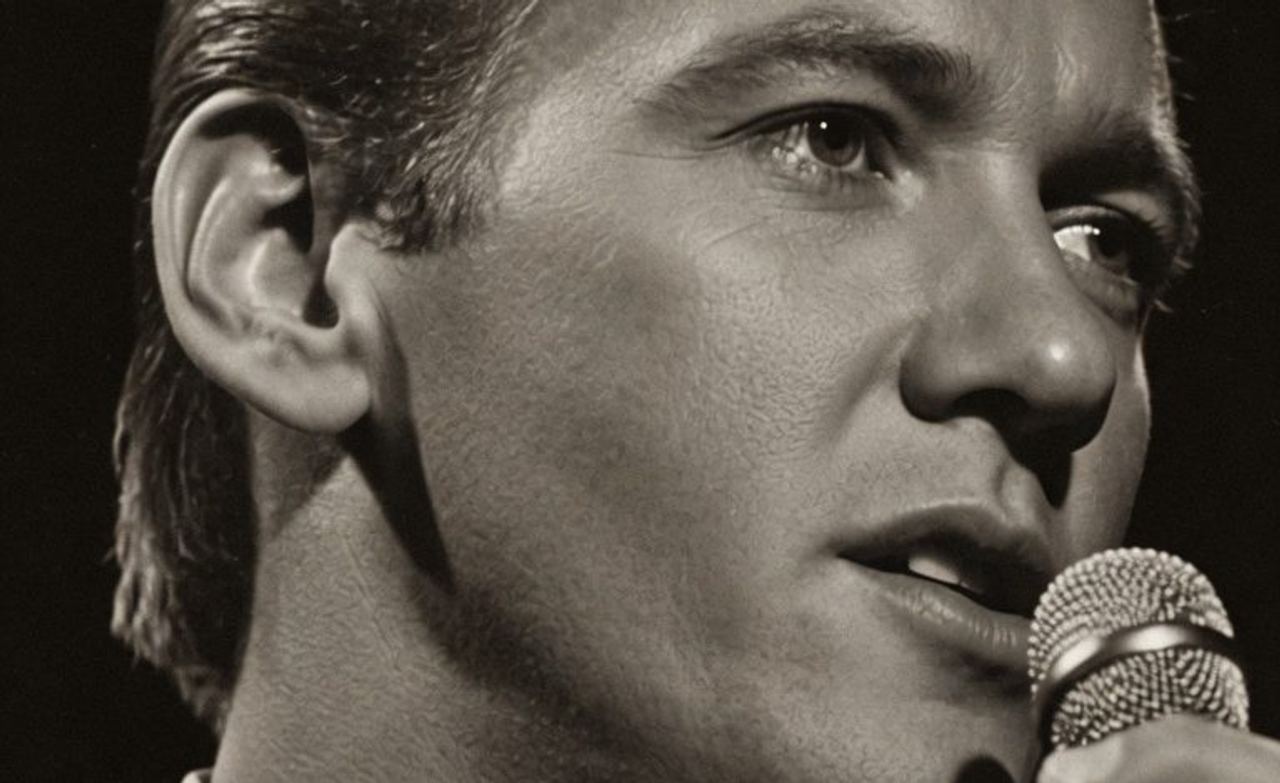
First penned in 1955, this song has become one of the most iconic in music history, with its influence spanning generations and genres.
Initially brought to life by a talented vocalist, the song’s journey didn’t end there. Over the decades, it has been performed by more than 670 artists in various languages, but it was a famous duo’s 1965 version that truly cemented its legacy and enduring fame.
Their rendition is widely regarded as the definitive take on the song, with its deeply emotional delivery and flawless harmonies resonating with listeners across the globe. The soaring vocals and heartfelt performance elevated the track to a new level of artistry.
The song’s profound emotional power lies in its striking high notes and poignant lyrics, which have continued to captivate audiences for decades. It remains a moving experience for listeners, evoking feelings of nostalgia and deep connection.
One fan eloquently described their reaction to the song, saying, “It sends chills down my spine when he reaches those high notes. It’s heartbreaking to know such incredible talent is no longer with us.” Comments like these highlight the song’s enduring impact on its listeners.
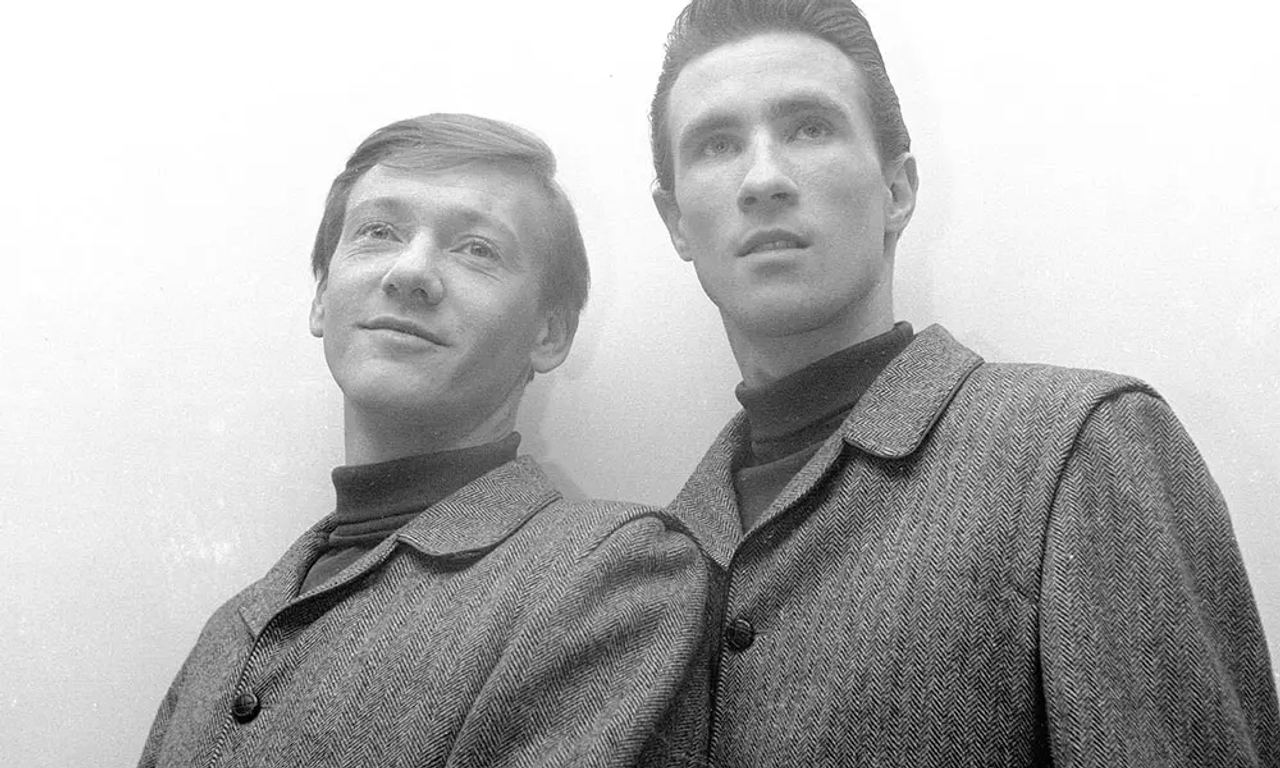
The Righteous Brothers – Vocal Pop Duo | uDiscover Music
While the famous duo’s rendition is unforgettable, another legendary artist also left an indelible mark on the song. His live performances added another layer of depth and emotion, showcasing an unparalleled ability to make every song uniquely his own.
During the later years of his career, he infused the ballad with distinctive charisma and raw vocal power, creating performances that mesmerized audiences and ensured the song’s timeless appeal remained intact.
His contribution cannot be overstated. Heartfelt interpretations brought the song to new audiences, expanding its reach and ensuring its place in pop culture. Unique artistry transformed each performance into a legend of its own.
The legacy of both the famous duo and this artist’s renditions is a testament to the song’s extraordinary power. Even decades later, their versions continue to breathe life into this timeless ballad, securing its place as one of the most beloved songs of all time.
1 minute read
The Dark Truth Behind The Eagles and Hotel California
It started as a simple, unassuming home demo, a humble cassette tape that gave no hint of the dark, sprawling epic it would eventually become. In the mid-1970s, the California sun was setting on the idealism of the flower power era, and The Eagles were standing at the epicenter of a cultural shift. When they stepped into the studio to record what would become their signature masterpiece, Hotel California, they were not just making music; they were crafting a haunting, cinematic narrative that would forever define the decadence and disillusionment of the American dream. The process was not easy, nor was it particularly healthy, as the band entered a period of obsessive, grueling perfectionism that would eventually fracture their internal bonds.
The creation of Hotel California was an exercise in intense psychological pressure. The band members, already feeling the weight of sudden, explosive fame, turned the recording process into a meticulous dissection of sound. Don Henley and Glenn Frey, the primary architects of the track, were determined to capture a specific, eerie atmosphere that felt like a fever dream. Night after night, the studio became a sanctuary and a prison, filled with the haze of cigarettes and the tension of competing egos. The iconic, dueling guitar solos between Don Felder and Joe Walsh were not just improvised jams; they were precision-tooled sequences that had to be captured perfectly, layer upon layer, until the track felt both ethereal and suffocating.
At its core, Hotel California is a biting critique of the dark side of the California lifestyle that The Eagles were living themselves. It was a world of glitz, excess, and spiritual emptiness, often fueled by the substances that were rampant in the industry at the time. By 1976, the band was exhausted, caught between the desire for artistic immortality and the crushing reality of global stardom. The lyrics, with their cryptic references to mirrors on the ceiling and pink champagne on ice, painted a vivid, claustrophobic picture of a place you could check out of but never leave. It was a mirror held up to the music industry itself, exposing the rot underneath the glamour that defined the era.
The resonance of the song remains undiminished decades later because it captures a universal feeling of entrapment within one’s own success. The Eagles had tapped into something primal, a sense of foreboding that lingered long after the turntable stopped spinning. For those who remember the sound of a crackling vinyl record or the weight of a heavy stereo system, the opening notes of that twelve-string guitar are an immediate invitation back to a world of high-concept rock. It represents a time when an album was an event, and a song was a story that required deep, undivided attention from the listener.
Even now, the legacy of The Eagles is inseparable from the mythos of this song. Their journey from country-rock pioneers to the architects of stadium-filling decadence serves as a reminder of the high cost of creative perfection. The haunting beauty of the track remains, serving as both a monument to their musical brilliance and a cautionary tale about the perils of life in the fast lane. Do you remember where you were the first time those final, echoing guitar notes faded into silence, leaving you to ponder the shadows in the dark?
John Denver and Cass Elliot live duet on Leaving on a Jet Plane (1972)
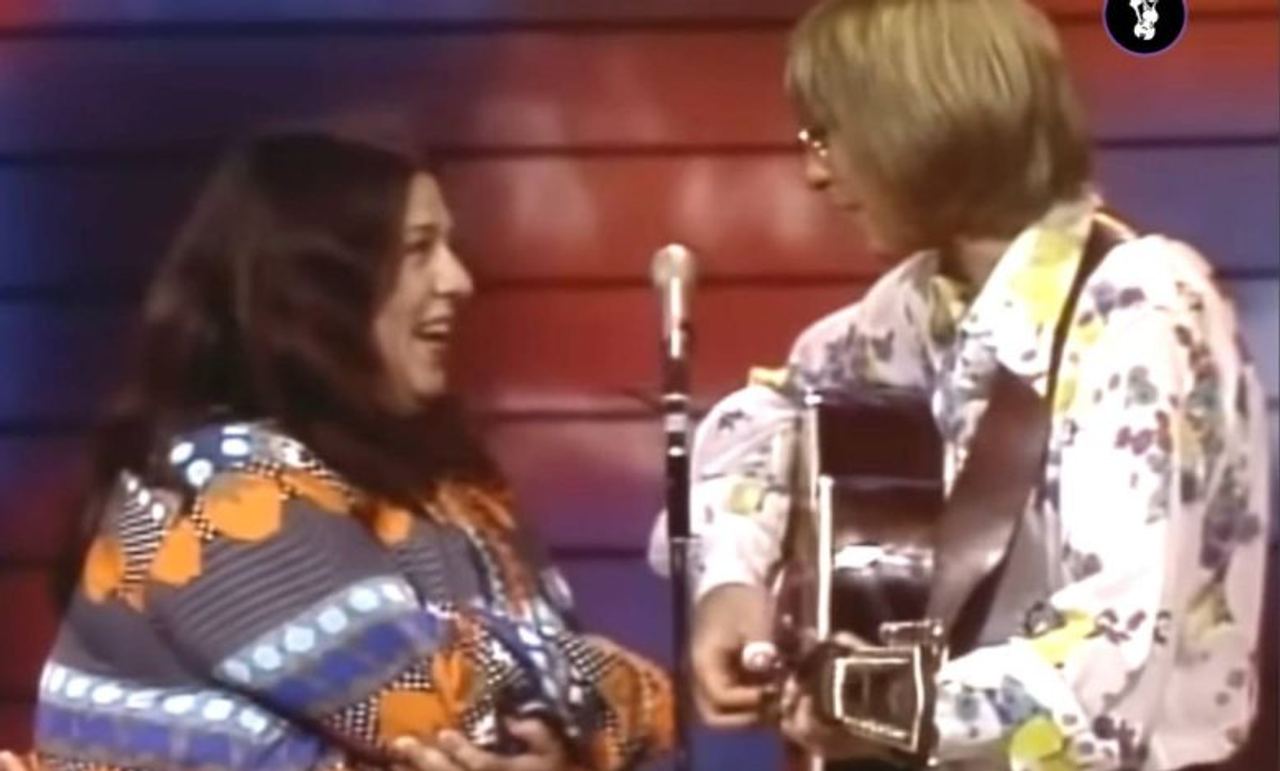
John Denver. Cass Elliot. Two of the all-time greats of folk music. Get ready for goosebumps listening to the late legends’ live duet on John’s classic “Leaving on a Jet Plane.” As a top commenter said, “The harmonies are just crushingly beautiful.” This has to be one of the greatest vocal duos ever right here. And hearing John and Cass sing together with John’s masterful acoustic guitar playing for accompaniment is exactly how we love to hear them.
John and Cass sang “Leaving on a Jet Plane” on Burt Sugarman’s Midnight Special, with the segment originally airing on August 19, 1972. You really had to have some deep talent to make it back in those days. John and Cass sing absolutely flawlessly, both solo and in harmony, even though they only had a single live take to nail the parts. And the way their voices blend together touches something in the soul. The Music Man has to say we could listen to these two icons singing together all day!
John’s official YouTube channel’s upload of the duet hit 12.6 million views. Fans loved the throwback performance, and added comments such as “No Auto-Tune, no computer-generated anything. Just raw, clean musicianship and beautiful harmonies. Thanks John and Cass.” and “At nearly 65 years old, this song still gives me chills and brings tears to my eyes… RIP John and Cass.”
John’s live performances always hit the mark. His 1972 live solo performance of “Leaving on a Jet Plane” is the perfect showcase for his gorgeous voice. You can tell he was shooting straight from the heart when he wrote this song, and it comes through so beautifully every time he performs it live. We also have to give it up for John’s deft 12-string acoustic guitar playing – he really had it all as a musician.
John Denver wrote “Leaving on a Jet Plane” and first recorded it in 1966 for his first demo, John Denver Sings. The New Mexico star re-recorded the song for his first studio album, Rhymes & Reasons, and issued it as the second single from the release. The Music Man readers might be interested to hear the curious fact that “Leaving on a Jet Plane” failed to chart. Despite this, over the years it became one of John’s most popular songs and a certified folk classic. On BBC Radio, John said “Leaving on a Jet Plane” is “a very personal and very special song for me” and said it conjures up “the simple scenes of leaving… someone that you care for very much” to head on the road.
Released in 1975, it sounded almost like a confession nobody was supposed to hear. Decades later, its quiet heartbreak still lingers long after the music fades.
There are love songs that shout their feelings from the rooftops, and then there are songs that spend four minutes trying desperately to hide them.
Released in 1975, “I’m Not In Love” by 10cc sounded unlike anything else on the radio at the time, floating through the air like a dream that refused to explain itself.
The first notes arrive almost like a whisper from another world, surrounded by layers of voices so soft and mysterious that listeners often feel suspended between reality and memory.
At first glance, the lyrics seem simple enough, telling the story of a man who repeatedly insists that he is not in love despite all evidence pointing in exactly the opposite direction.
Yet the more he denies it, the more obvious the truth becomes, and that contradiction is what gives the song its lasting emotional power.
Many love songs are built on confession, but this one is built on resistance, capturing the strange moment when the heart knows something that the mind refuses to admit.
The narrator tries to sound calm, detached, and completely in control, but every sentence reveals cracks in the emotional wall he has constructed around himself.
He keeps explaining away his feelings with awkward excuses, pretending that photographs, memories, and thoughts of a certain person mean absolutely nothing.
But anyone who has ever fallen deeply in love recognizes the performance immediately because it is the oldest act in the world.
Sometimes the strongest emotions are hidden behind the loudest denials.
That universal truth helped transform “I’m Not In Love” into one of the most unforgettable recordings of the 1970s.
The song arrived during an era overflowing with energetic rock anthems, ambitious progressive music, and powerful singer-songwriters competing for attention.
Yet somehow this quiet, almost weightless recording managed to stop listeners in their tracks.
Its atmosphere felt intimate and enormous at the same time, as if someone had opened a diary inside a cathedral.
Part of the song’s magic came from the extraordinary production that sounded decades ahead of its time.
Rather than relying on traditional instruments for many of its textures, the band built enormous vocal layers that drift through the recording like clouds.
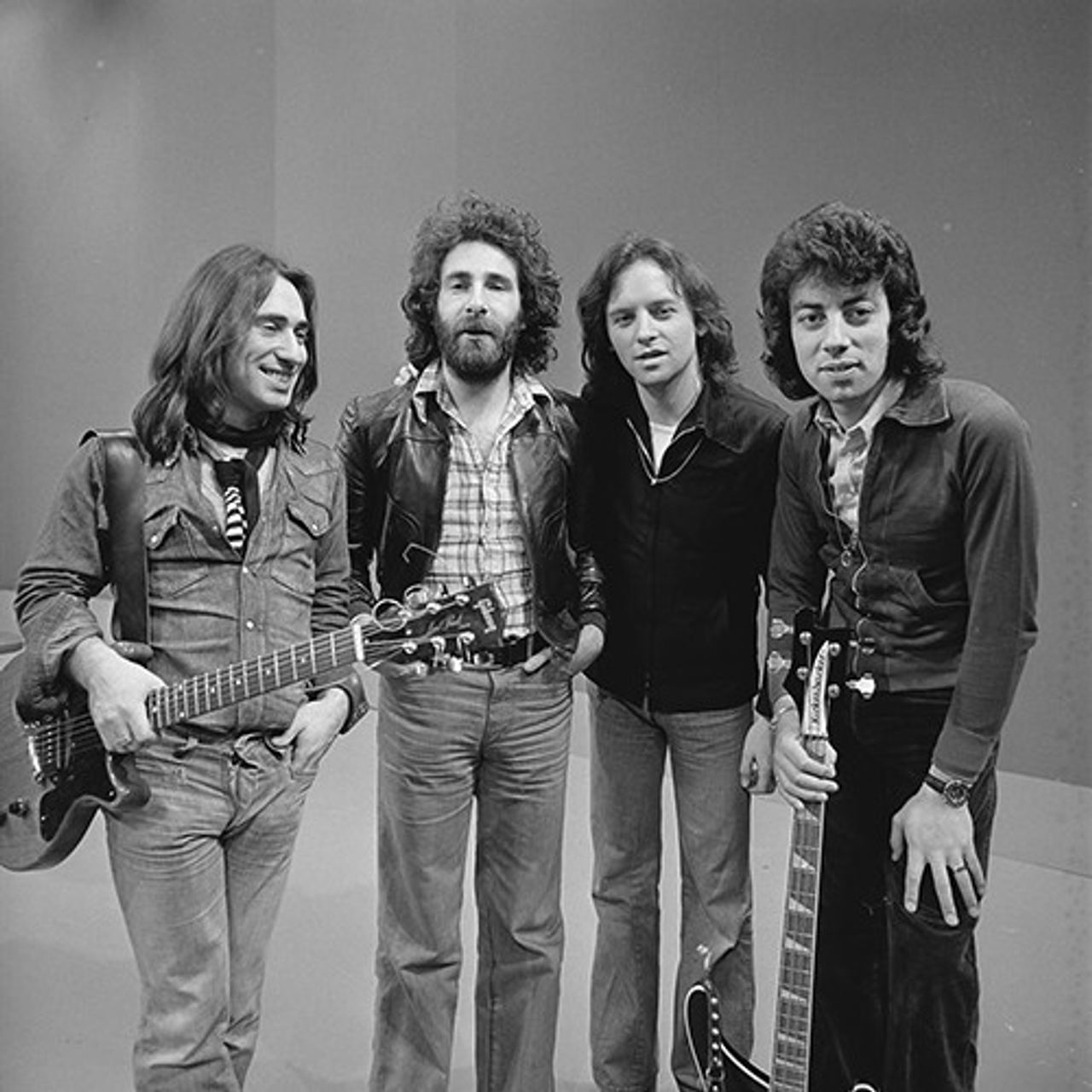
The result was a sound both human and supernatural, warm yet distant, familiar yet impossible to fully understand.
Even today, decades later, the recording still feels startlingly modern.
Many listeners discover it for the first time and assume it belongs to a much later era because of its cinematic quality and emotional sophistication.
Yet technology alone cannot explain why the song continues to resonate across generations.
Its real secret lies inside the vulnerability hidden beneath the narrator’s stubborn words.
The character at the center of the song is not confident or heroic.
He is frightened.
Frightened of being exposed.
Frightened of needing someone.
Frightened of surrendering the illusion of emotional independence that so many people spend years trying to maintain.

That fear makes the song feel intensely personal because almost everyone understands the risk that comes with genuine affection.
To love someone is to place a part of yourself in their hands.
To admit that love is to accept the possibility of heartbreak.
The narrator knows this instinctively, which is why he keeps repeating the title like a protective shield against the truth.
But with every repetition, the shield grows weaker.
What begins as denial slowly transforms into confession.
Not through dramatic declarations or grand romantic gestures, but through tiny emotional fractures that become impossible to hide.
The brilliance of the song is that listeners are allowed to witness that transformation in real time.
By the final moments, the words themselves almost become irrelevant because the emotion underneath them has already spoken.
The song says one thing while the heart says another.

And the heart wins.
Perhaps that is why “I’m Not In Love” continues to feel timeless.
Its story is not tied to a particular decade, fashion trend, or generation.
It speaks to an emotional experience that remains unchanged whether someone first heard it on vinyl in 1975 or through headphones in 2025.
Every generation discovers people who struggle to express what they truly feel.
Every generation experiences relationships filled with hesitation, uncertainty, and unspoken longing.
Every generation learns that denying love rarely makes it disappear.
For many listeners, hearing “I’m Not In Love” today feels like opening a forgotten box of memories hidden away for years.
The song drifts through the room like a faded photograph, carrying fragments of old conversations, missed opportunities, and faces that once meant everything.
Its beauty lies not in dramatic heartbreak but in emotional honesty disguised as emotional resistance.
The narrator spends the entire song trying to escape his feelings.
Yet in doing so, he reveals them more completely than he ever intended.
That paradox remains as moving now as it was half a century ago.
Read more stories
- A five-year-old girl told me she had nowhere to sleep
- I refused to co-sign my sister’s mortgage, and my brother-in-law b3at me so badly I
- My six-year-old nephew dragged his broken leg across seven blocks of pavement to reach my porch, with his starving three-year-old sister clinging to his shirt. I was fixing a loose hinge when I heard scraping on the steps and turned to see Drew crawling toward me, pale, shaking, and whispering, “She locked us downstairs again.” I called 911 before I even understood the whole story. But when he told me about Reena’s punishment room, I knew my brother had died believing a terrible lie.
- HE TOOK $1,600 TO RECORD 16 SONGS — JUST ENOUGH MONEY TO LEAVE NASHVILLE FOREVER.