Celebrities & Music
A Timeless Classic: The Enduring Legacy of a 1955 Masterpiece
This article explores the enduring legacy of a 1955 song that has been covered by over 670 artists, highlighting its emotional impact and the iconic performances that have defined its history.
First penned in 1955, this song has become one of the most iconic in music history, with its influence spanning generations and genres.
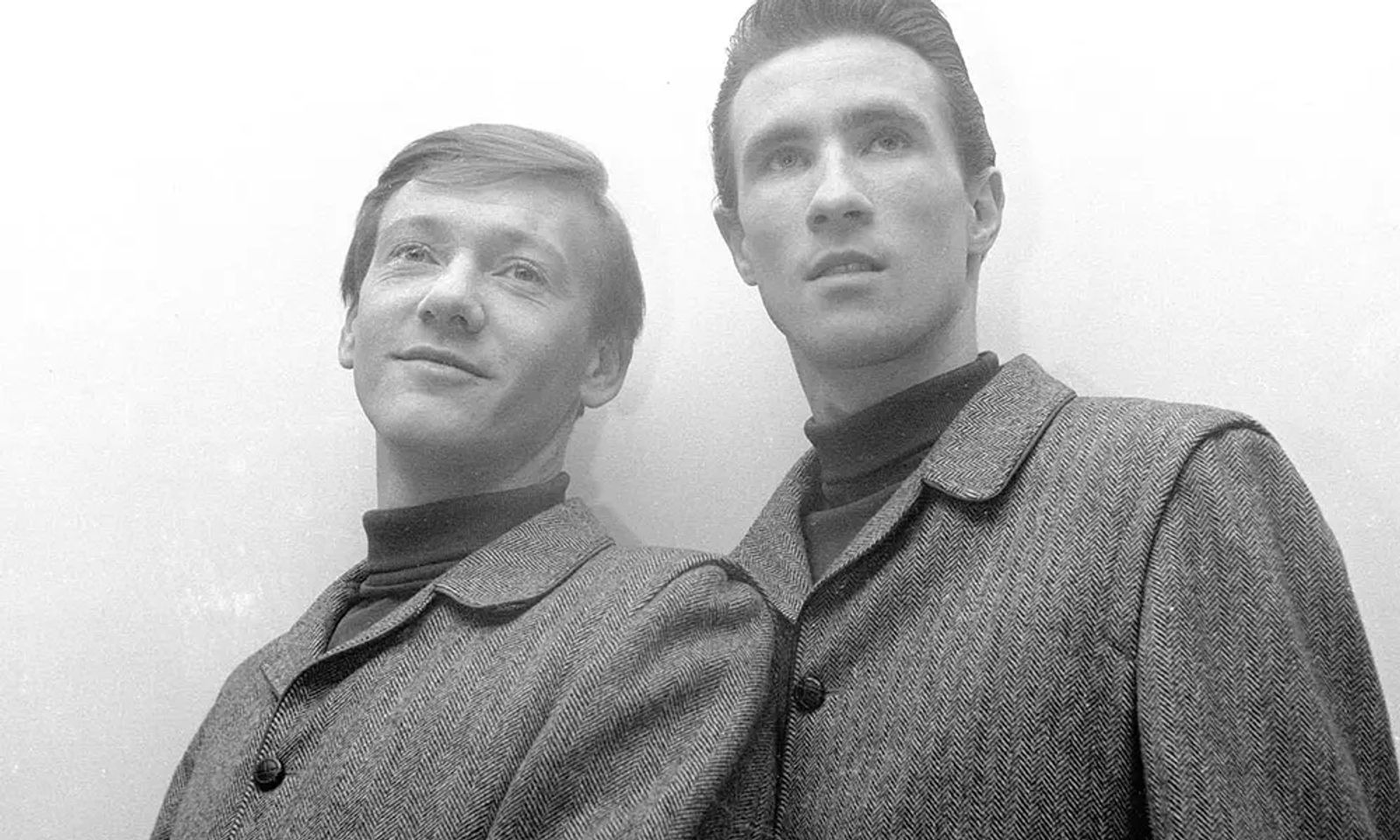
Initially brought to life by a talented vocalist, the song’s journey didn’t end there. Over the decades, it has been performed by more than 670 artists in various languages, but it was a famous duo’s 1965 version that truly cemented its legacy and enduring fame.
Their rendition is widely regarded as the definitive take on the song, with its deeply emotional delivery and flawless harmonies resonating with listeners across the globe. The soaring vocals and heartfelt performance elevated the track to a new level of artistry.
The song’s profound emotional power lies in its striking high notes and poignant lyrics, which have continued to captivate audiences for decades. It remains a moving experience for listeners, evoking feelings of nostalgia and deep connection.
One fan eloquently described their reaction to the song, saying, “It sends chills down my spine when he reaches those high notes. It’s heartbreaking to know such incredible talent is no longer with us.” Comments like these highlight the song’s enduring impact on its listeners.
While the famous duo’s rendition is unforgettable, another legendary artist also left an indelible mark on the song. His live performances added another layer of depth and emotion, showcasing an unparalleled ability to make every song uniquely his own.
During the later years of his career, he infused the ballad with distinctive charisma and raw vocal power, creating performances that mesmerized audiences and ensured the song’s timeless appeal remained intact.
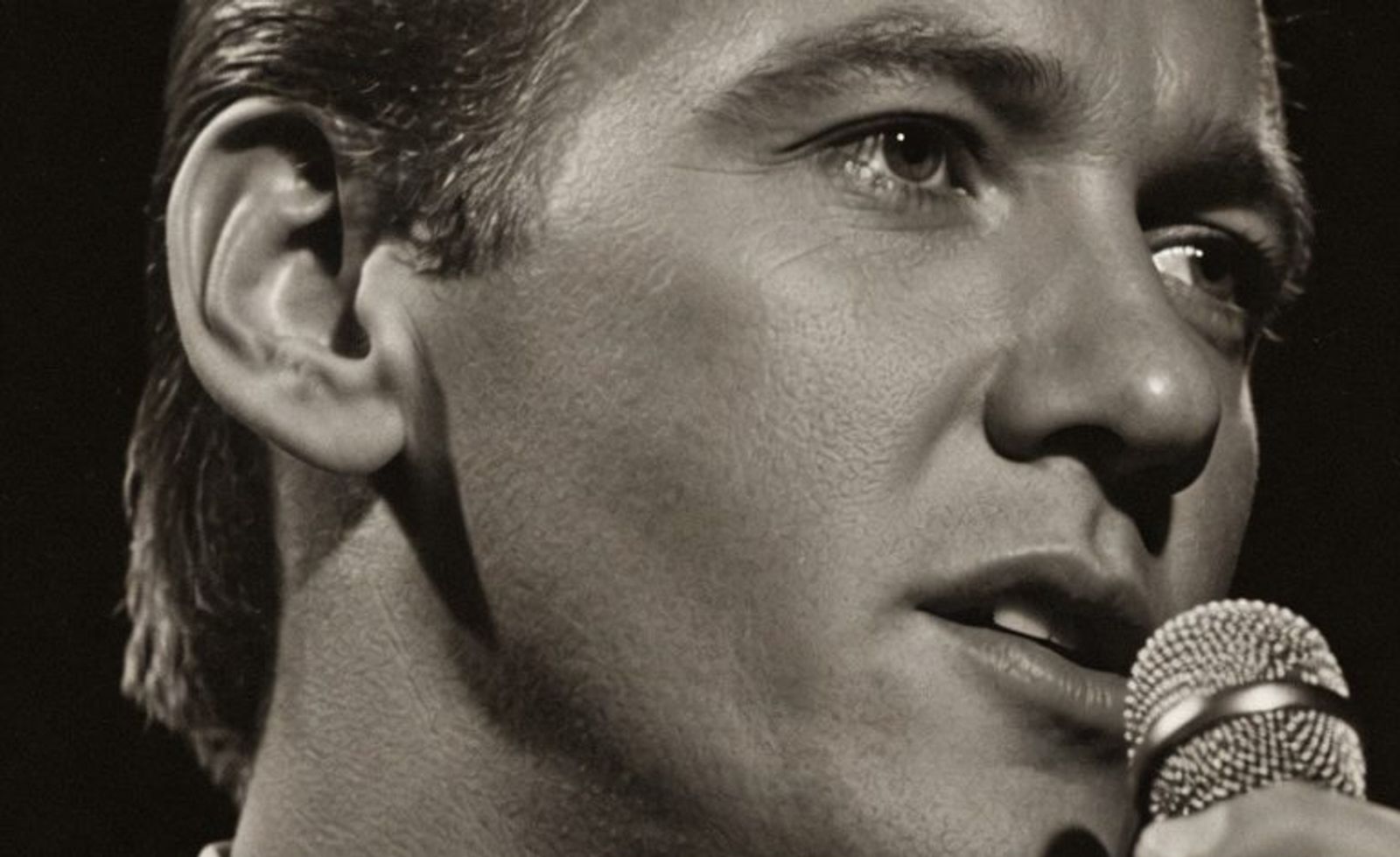
His contribution cannot be overstated. Heartfelt interpretations brought the song to new audiences, expanding its reach and ensuring its place in pop culture. Unique artistry transformed each performance into a legend of its own.
The legacy of both the famous duo and this artist’s renditions is a testament to the song’s extraordinary power. Even decades later, their versions continue to breathe life into this timeless ballad, securing its place as one of the most beloved songs of all time.
In 1970, at the height of changing musical tastes and rock dominance, an unlikely voice rose to the top of the UK Singles Chart: actor Lee Marvin’s gruff, gravelly performance of “Wandering Star.”
Taken from the film Paint Your Wagon, the song became an unexpected hit, displacing The Beatles’ “Let It Be” from the No. 1 spot.
What made the achievement all the more remarkable was Marvin’s unapologetically untrained voice, which—far from polished or melodic—delivered the song with raw, weary authenticity.
In an age of musical sophistication, “Wandering Star” struck a chord with its simplicity, storytelling, and deep emotional resonance.
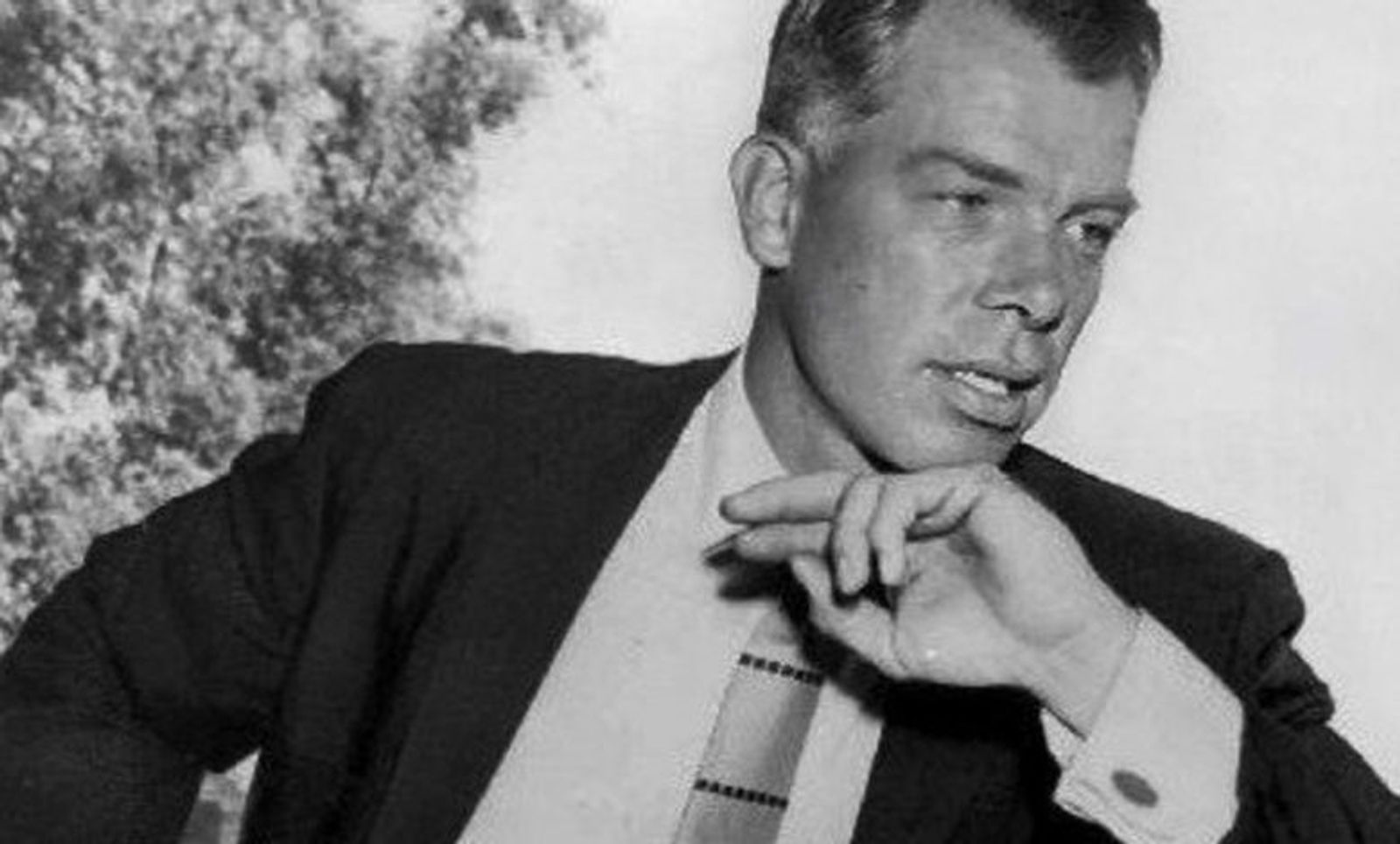
Lee Marvin was never a singer by trade.
Born in New York in 1924, he served in the Marine Corps during World War II before turning to acting in the late 1940s.
He made his name playing hard-boiled characters in Westerns and war films, bringing a rugged screen presence that was both intense and strangely charismatic.
His breakthrough came in the 1950s and ’60s, with films like The Man Who Shot Liberty Valance and Cat Ballou, the latter of which won him an Academy Award.
Yet, despite his film success, few expected Marvin to lend his voice to a musical, let alone one that would make pop history.
“Wandering Star” was written by Alan J. Lerner and Frederick Loewe, the legendary team behind My Fair Lady and Camelot.
The song was composed for Paint Your Wagon, a Western musical originally staged in 1951 and later adapted into a film in 1969.
In the story, Marvin plays Ben Rumson, a gold prospector who delivers the song as a kind of mournful, internal monologue—a confession of his restless nature and refusal to settle down.
The lyrics are sparse, poetic, and steeped in loneliness.
They speak not of ambition or romance, but of a man forever drifting, bound to no one and nowhere.
The recording of “Wandering Star” didn’t require lavish orchestration or vocal flourishes.
Instead, it leaned into Marvin’s gravelly baritone, capturing the weariness of the character he portrayed.
The production was minimalistic, with slow, deliberate pacing and soft instrumental backing that allowed Marvin’s voice to dominate the atmosphere.
What might have been seen as a technical shortcoming—his limited vocal range—was transformed into a strength.
The song didn’t aim for perfection; it aimed for truth.
And in Marvin’s weathered voice, it found it.
Upon its release as a single in early 1970, “Wandering Star” became a surprise sensation.
It topped the UK Singles Chart and remained there for three weeks, even as younger, flashier acts vied for attention.
In doing so, it pushed aside The Beatles’ swan song, “Let It Be,” a moment that would be etched into chart history.
The single also achieved success across Europe and was widely praised for its haunting, unconventional quality.
Critics and audiences alike were caught off guard by its resonance.
Culturally, “Wandering Star” was a departure from the norms of the time.

As rock grew louder and counterculture more defiant, Marvin’s song harkened back to an older American mythos—the lonesome drifter, the weather-beaten cowboy, the solitary man moving through vast, empty landscapes.
The success of the song signaled that audiences still had an appetite for story-driven, character-based ballads, even as they embraced innovation elsewhere.
It was a quiet rejection of the idea that only trained singers or trendy production could move people.
For Lee Marvin, the unexpected hit added a curious footnote to his already illustrious acting career.
While he never pursued a musical path beyond Paint Your Wagon, “Wandering Star” became a permanent part of his legacy.
He remained modest about the song’s success, often laughing off his vocal abilities in interviews.
But the public had spoken—and in their embrace of the song, they honored his ability to communicate something deeper than melody: a life lived, a path wandered.

“Wandering Star” didn’t spawn a wave of spoken or gravel-voiced hitmakers, but it did carve out a unique space in the music landscape.
It showed that authenticity could triumph over polish, and that listeners were still drawn to storytelling in its purest form.
Its influence can be felt in later works that favored mood and tone over vocal finesse, from Leonard Cohen’s deeper cuts to Tom Waits’ whiskey-soaked ballads.
The song has been covered by a few artists, most notably Shane MacGowan of The Pogues, whose own raspy delivery paid homage to Marvin’s style.
Yet none have quite captured the same spellbinding mix of weariness and wonder.
The original remains unmatched in its raw emotion and cinematic stillness, a testament to the unique intersection of character, voice, and story.
At the time of the film’s release, Paint Your Wagon itself received mixed reviews, partly due to its odd casting of non-singers in key musical roles.
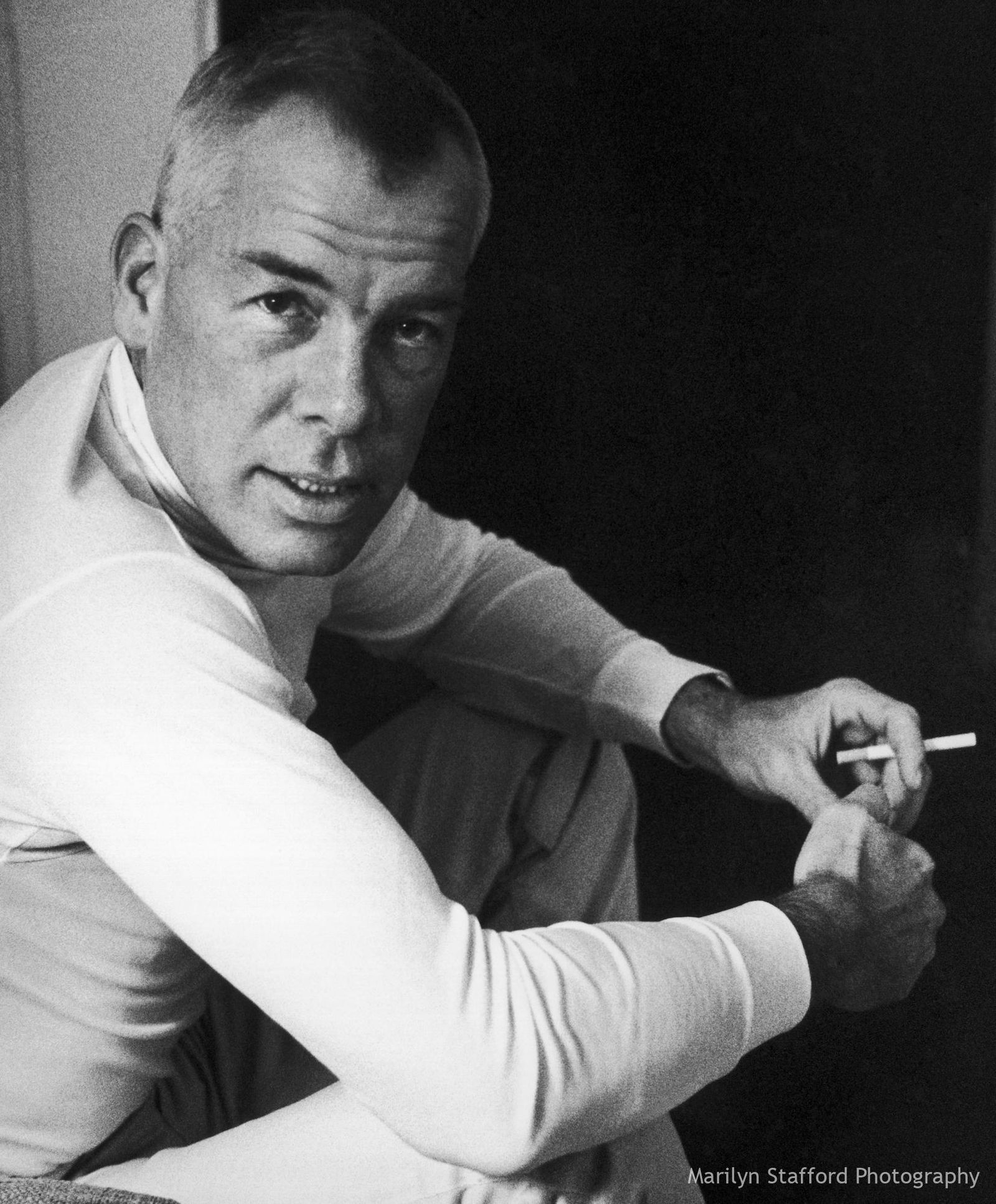
But Marvin’s performance of “Wandering Star” transcended the movie.
It took on a life of its own, standing apart from the film and embedding itself in the public consciousness as something entirely distinct and memorable.
Over the decades, “Wandering Star” has maintained a quiet presence in popular memory.
It’s often cited in lists of surprising chart-toppers, and its unique place in UK music history is frequently revisited.
While it doesn’t dominate radio playlists, its legend has grown among fans of outsider music and classic film alike.
It remains a curious but beloved relic—part folk song, part character study, part ghost story.
In the broader arc of musical history, the track serves as a reminder that sometimes the most powerful performances come not from technical brilliance, but from emotional clarity.
“Wandering Star” was a moment of stillness in a noisy time, and it resonated not because it dazzled, but because it told the truth.
It spoke for the wanderers, the loners, and those who’d long since left the road to fame behind.
Though Lee Marvin never recorded another chart hit, he didn’t need to.
With one song—delivered in a voice full of dust, gravel, and the ache of the open road—he secured a place in the hearts of listeners who understood that not all great singers need to sing perfectly.
Read more stories
- He Was Rejected By His Own Mom And Raised To Think ‘Women Are Evil’ But He Became A Legendary Rockstar
- TOBY KEITH RECORDED SOME OF THE BIGGEST PATRIOTIC ANTHEMS IN COUNTRY MUSIC HISTORY—BUT HIS REAL LEGACY WAS BUILT ON MILITARY BASES WHERE NO CAMERAS WERE ROLLING.
- [Video]: The One-Take Hit That Took Over Rock Radio
- The Box Tops’ “The Letter” Captures Lightning in a Bottle and Redefines Blue-Eyed Soul in 1967-2