
Celebrities & Music
[Video]: The One-Take Hit That Took Over Rock Radio
This article explores the unlikely rise of The Knack’s “My Sharona,” then shifts to a detailed appreciation of The Marshall Tucker Band’s “Can’t You See.” It highlights the songs’ emotional impact, musicianship, and lasting cultural resonance.

Some songs feel carefully engineered for success. Others explode so naturally that they almost seem accidental.
“My Sharona” by The Knack was one of those explosions.
Written in roughly an hour and recorded in a single take, the song became a phenomenon almost instantly after its 1979 release. It spent six straight weeks at No. 1 on the Billboard Hot 100 and quickly turned into one of the most recognizable rock songs ever made.
“It sounded urgent, reckless, catchy—and completely impossible to ignore.”
Frontman Doug Fieger co-wrote the track with guitarist Berton Averre after becoming infatuated with a real teenager named Sharona Alperin, who would later become permanently tied to rock history through the song’s title and famous album cover.
Musically, “My Sharona” thrived on pure momentum.
The pounding bassline, Bruce Gary’s explosive drumming, and Fieger’s stuttering vocal delivery created a sense of nonstop tension and release. Then came Berton Averre’s legendary guitar solo—wild, technical, and far more intricate than most casual listeners expected from a radio hit.
The Knack also arrived with perfect timing.
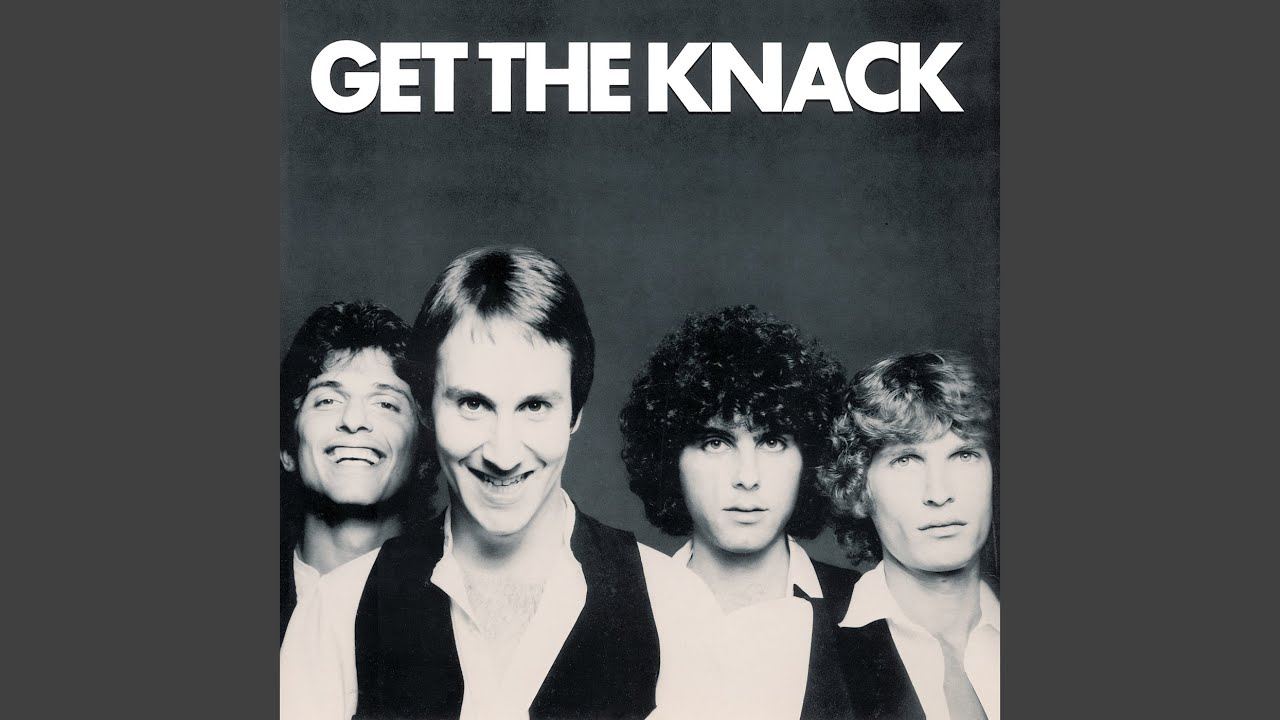
At the end of the 1970s, rock music was caught between bloated arena acts and the rising energy of punk and new wave. The band’s stripped-down image and British Invasion-inspired style felt fresh, direct, and exciting again.
Continue reading
First heard in the early 1970s, this song drifts in like a memory you didn’t plan to revisit.Even now, it carries the quiet weight of roads once taken and feelings never quite left behind.
The Marshall Tucker Band’s “Can’t You See” stands as one of the most enduring anthems of Southern rock.
Released in 1973 on the band’s self-titled debut album, the song captured a raw emotional honesty that immediately set it apart.
Blending elements of country, blues, and rock, it demonstrated how Southern rock could be both deeply personal and broadly universal.
The album _The Marshall Tucker Band_ marked a major breakthrough for the group.
Issued under Capricorn Records, a label closely associated with the Southern rock movement, the record introduced a sound that felt grounded in tradition yet emotionally expansive.
Rather than relying on flash, the band emphasized storytelling and atmosphere, allowing the music to breathe and unfold naturally.
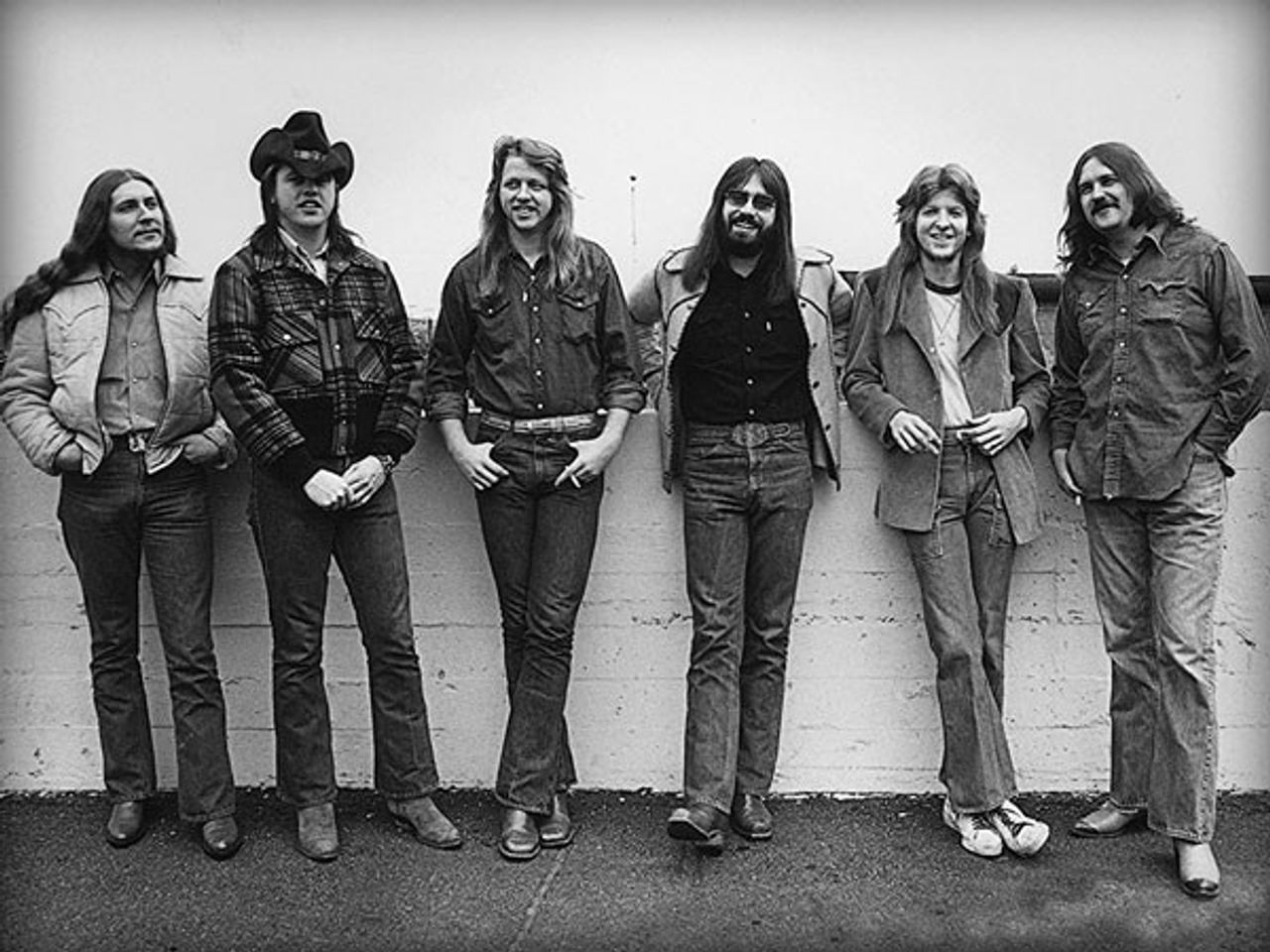
As the album’s opening track, “Can’t You See” established the band’s identity from the very first notes.
Written by Toy Caldwell, the song quickly became their signature piece.
Its themes of heartbreak, restlessness, and escape resonated strongly with listeners, securing its place in the Southern rock canon.
The song’s emotional power begins with its instrumentation.
A haunting flute melody, performed by Jerry Eubanks, opens the track and immediately sets a reflective, melancholic tone.
This flute line is unusual for rock music of the era, and its presence gives the song a sense of openness and vulnerability.
Guitar work lies at the emotional core of “Can’t You See.”
Toy Caldwell’s acoustic guitar establishes a steady, grounded foundation, while his electric and slide guitar lines provide moments of release and intensity.
The slide guitar, in particular, feels almost vocal in its expression, echoing the anguish conveyed in the lyrics.
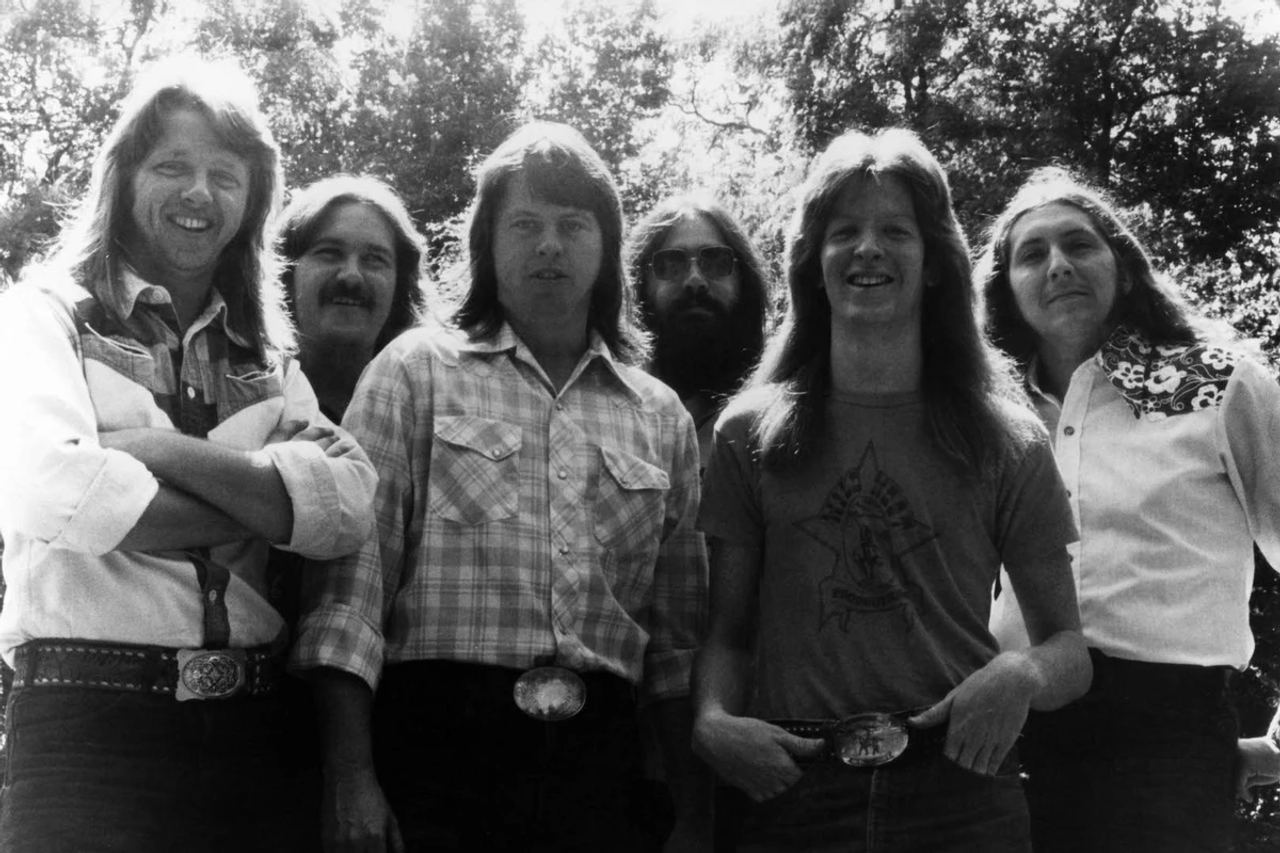
Supporting the guitar is a subtle but effective piano presence.
Rather than dominating the mix, the piano weaves gently through the arrangement, adding warmth and depth.
Its understated role helps balance the song’s raw edges, giving the track a fuller emotional texture.
The rhythm section plays a crucial but restrained role.
The bass line provides forward motion without drawing attention to itself, anchoring the song emotionally and musically.
The drums maintain a steady pulse, emphasizing key moments while allowing the melody and vocals to remain front and center.
Lyrically, “Can’t You See” is a portrait of emotional exhaustion and longing for escape.
The narrator turns to the open road as a means of survival rather than adventure.
This sense of movement reflects an internal struggle, where physical distance becomes a stand-in for emotional relief.
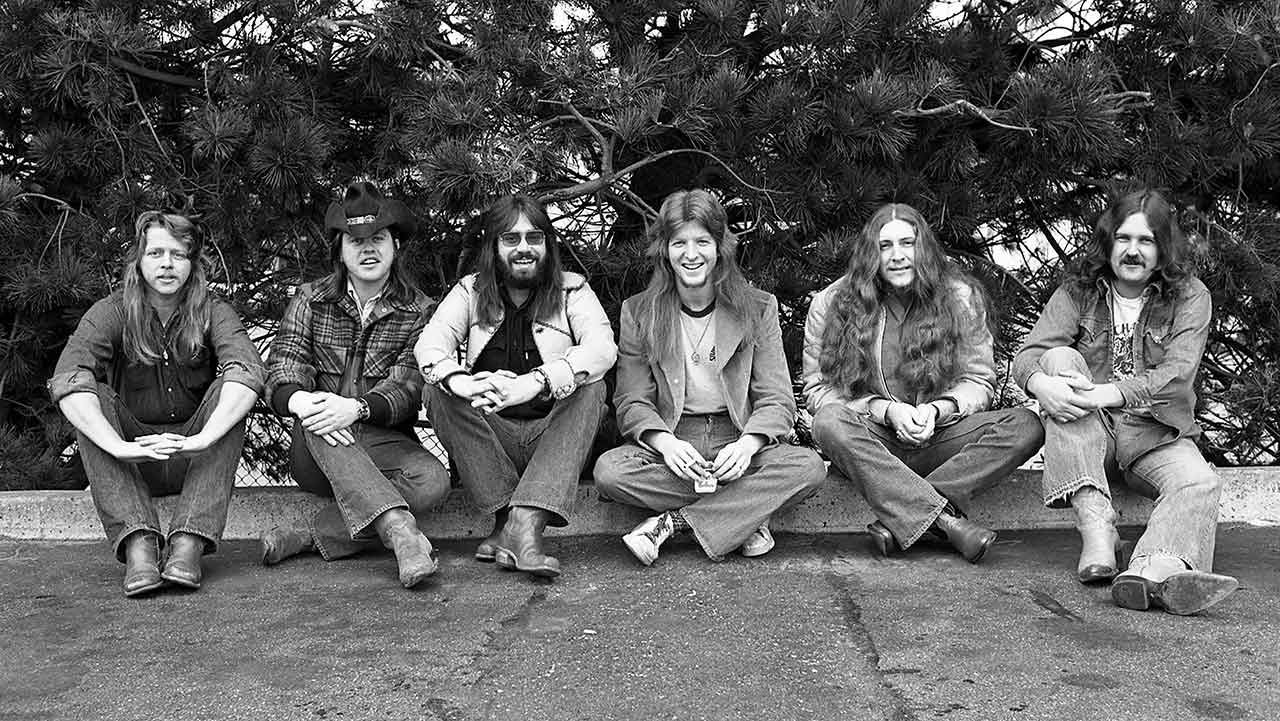
Toy Caldwell’s vocal delivery is central to the song’s impact.
His gravelly, unpolished voice conveys sincerity and pain without exaggeration.
The repeated refrain underscores the helplessness of heartbreak, making the emotion feel immediate and real.
Over time, the song has grown far beyond its original release.
It has appeared in films, soundtracks, and countless playlists, reaching audiences well beyond its Southern rock roots.
Each new generation seems to find its own meaning in the song’s themes of loss and wandering.
“Can’t You See” endures because it never overstates its message.
Its power lies in restraint, atmosphere, and emotional clarity rather than spectacle.
The combination of flute, guitar, and voice creates a soundscape that feels timeless rather than dated.
Among Southern rock classics, the song remains distinctive.
It balances musical sophistication with emotional directness, appealing equally to casual listeners and devoted fans.
Few songs capture heartbreak with such quiet intensity and lasting resonance.
For anyone exploring the foundations of Southern rock, “Can’t You See” is essential listening.