Celebrities & Music
Her Parents Struggled With Poverty And She Moved Over 30 Times But Today She’s A Hollywood Icon
This article is a compiled celebrity and music roundup featuring profiles of Demi Moore, Angelina Jolie, and Mark Wahlberg, followed by short chapters on The Diamonds’ “The Stroll,” The Kinks’ “I’m Not Like Everybody Else,” and The Kinks’ “Sunny Afternoon.” It blends biographical storytelling with brief music-history entries and video embeds.
Demi Moore has revealed disturbing allegations from her past, saying she was sexual assaulted at just 15 years old inside her own home by a man she claims told her he had paid her mother $500 for access to her.
The Hollywood actress, now 56, shared the account during a wide-ranging interview on Good Morning America while promoting her memoir Inside Out, speaking with journalist Diane Sawyer. In the discussion, Moore described returning home as a teenager and encountering an older man she says was known to her mother.
According to Moore, the situation quickly escalated into sexual assault. She further claims the man later confronted her with a chilling statement suggesting her mother had essentially traded her for money. The allegation is also detailed in her book, where she frames the experience as both violence and betrayal within her family environment.
Moore has long spoken about a turbulent upbringing. She has described her mother as struggling with alcoholism and, at times, bringing her into adult social settings during her youth. Moore’s mother died in 1998.

When asked in the interview whether she believed the man’s claim that a transaction had taken place, Moore said she did not fully accept that version of events. However, she also acknowledged that her mother’s actions placed her in unsafe circumstances, creating lasting damage and confusion about what truly happened.
The actress rose to fame in the 1980s with films like Blame It On Rio and St. Elmo’s Fire before becoming one of Hollywood’s biggest stars in the 1990s. Her roles in major hits such as Ghost, A Few Good Men, and Indecent Proposal helped cement her status as one of the most recognizable actresses of her generation.
Moore also reflected on her mother’s mental health struggles, revealing in her memoir that she once intervened during a suicide attempt when she was only 12 years old. She described pulling pills from her mother’s mouth in a desperate attempt to save her life, an experience she said was repeated multiple times throughout her childhood.
In addition to her early trauma, Moore has been open about later struggles with substance abuse and personal setbacks. She previously attended rehab in the 1980s and described another difficult period around 2012, when her marriage to actor Ashton Kutcher ended, she became estranged from her children, and her health deteriorated significantly.
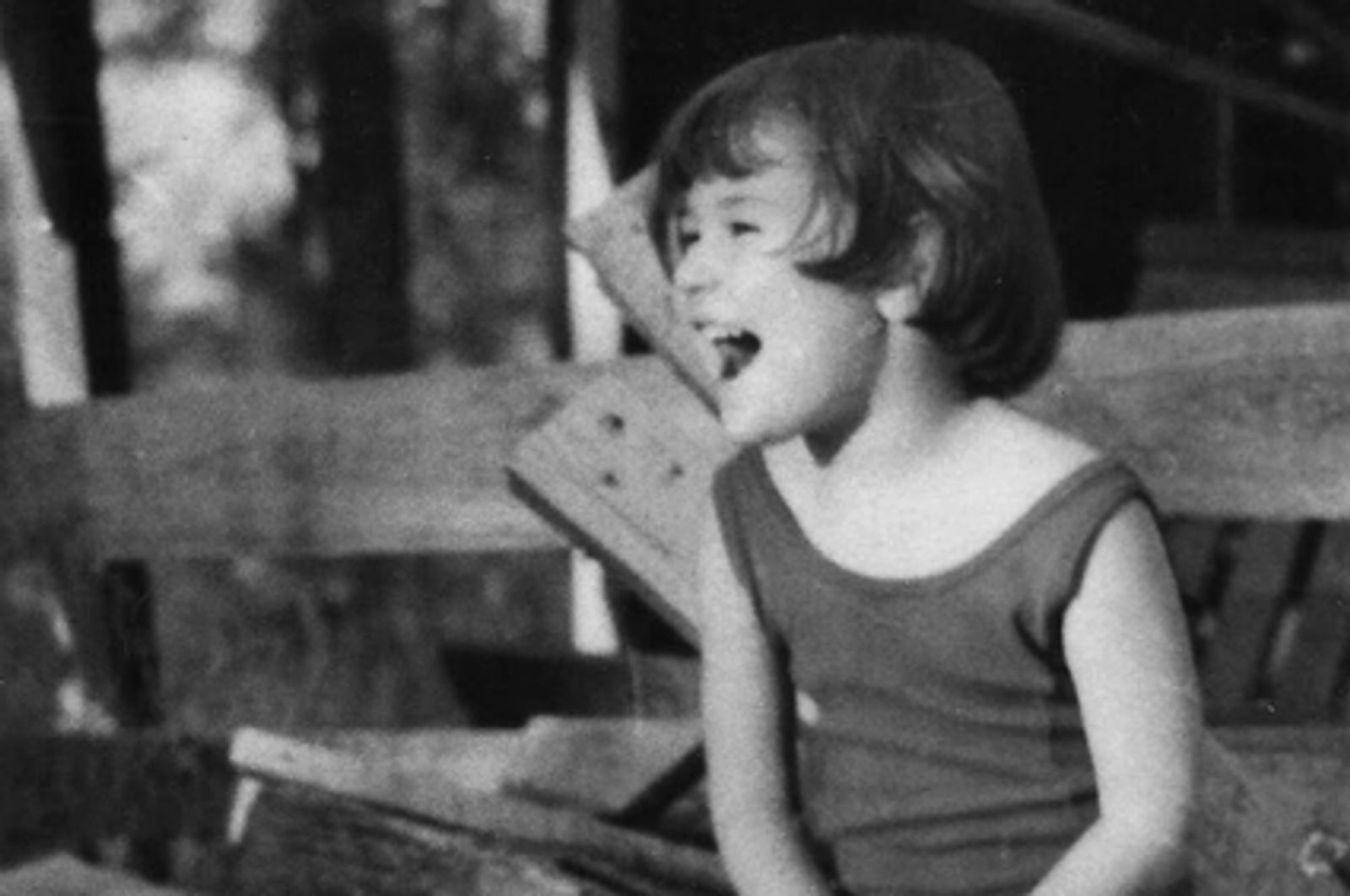
Despite her challenges, Moore ultimately rebuilt her career and public life. She was once dubbed “Gimme Moore” by critics during a period when she became the highest-paid actress in Hollywood, a label she has said never bothered her. She has argued that pay should reflect performance, regardless of gender, emphasizing equality in compensation rather than controversy over her earnings.
Angelina Jolie may be one of Hollywood’s most recognizable stars, but behind the glamour of fame and success is a life shaped by personal pain, family turmoil, and years of intense public attention.
Born on June 4, 1975, in Los Angeles, Jolie grew up in the shadow of Hollywood royalty as the daughter of actor Jon Voight and actress Marcheline Bertrand. While many assumed she was destined for an easy path to stardom, Jolie’s childhood was anything but stable. Her parents split when she was still an infant, leaving her to be raised primarily by her mother alongside her brother.
As a teenager attending Beverly Hills High School, Jolie reportedly battled severe emotional struggles. She later admitted she experienced depression at a young age and often felt isolated from classmates. Her fascination with darker subjects, including funeral science and embalming, only added to her outsider reputation during those formative years.

Jolie has been unusually candid about her mental health journey, speaking openly about self-harm, insomnia, eating disorders, and substance abuse during her youth. Even after becoming one of Hollywood’s brightest stars, she admitted success did not immediately bring happiness or stability. In interviews over the years, Jolie described feeling lost despite achieving fame, wealth, and critical acclaim.
Her career exploded in the late 1990s and early 2000s with roles in films such as Girl, Interrupted, Lara Croft: Tomb Raider, and Mr. & Mrs. Smith. Along the way, she earned both Academy Award and Golden Globe recognition while becoming one of the most recognizable actresses in the world.
But Jolie’s personal life frequently overshadowed her professional achievements. Her marriages to Jonny Lee Miller and Billy Bob Thornton drew intense media attention, though neither relationship lasted. Her highly publicized romance and eventual marriage to Brad Pitt turned the couple into global tabloid fixtures for years.
Jolie also faced painful family losses and serious health concerns. After losing her mother to ovarian cancer in 2007, she learned she carried the BRCA1 gene mutation, dramatically increasing her cancer risk. In a move that sparked worldwide discussion, Jolie chose to undergo preventative surgeries, including a double mastectomy and later the removal of her ovaries and fallopian tubes.
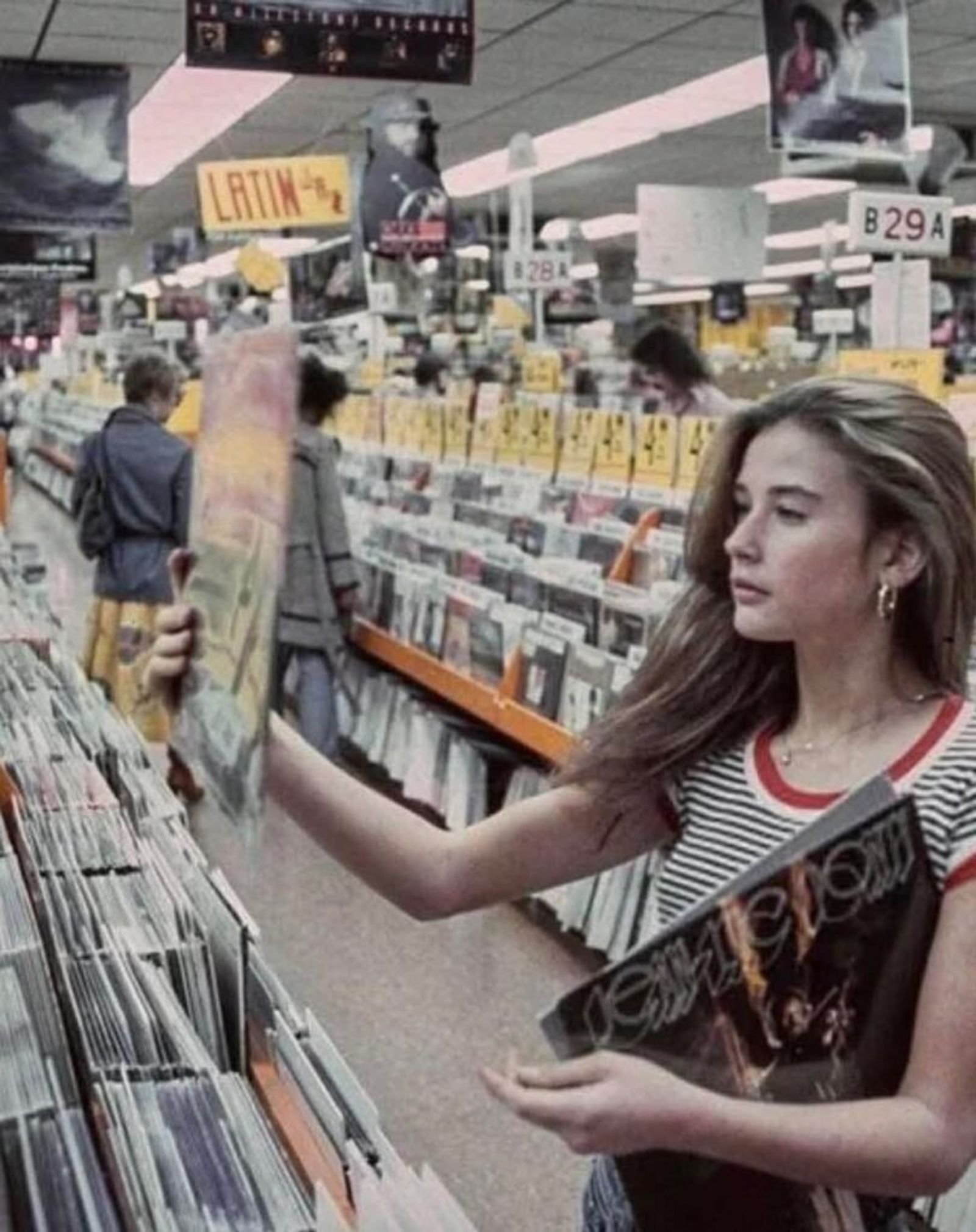
Beyond Hollywood, Jolie devoted much of her life to humanitarian work through the United Nations, visiting refugee camps and advocating for displaced people around the world. She has often credited motherhood and humanitarian efforts with helping her find purpose and direction after years of inner turmoil.
In recent years, Jolie’s contentious legal battles with Pitt — including disputes involving custody arrangements and the French winery Château Miraval — kept her personal life under a harsh spotlight once again. Allegations surrounding a private family flight in 2016 became a major turning point that ultimately led to the collapse of their marriage.
Despite decades of public attention, Jolie has continued to speak openly about trauma, healing, and survival. While her career brought fame and fortune, her story reveals a far more complicated reality behind one of Hollywood’s most famous
Before becoming one of Hollywood’s most recognizable leading men, Mark Wahlberg was growing up in a rough section of Boston where violence, poverty, and crime shaped everyday life.

Raised in the Dorchester neighborhood during the 1970s and 1980s, Wahlberg came from a struggling working-class family with nine children packed into a household stretched thin financially. Public assistance helped keep the family afloat, but life was far from easy. Resources were limited, opportunities were scarce, and the instability at home intensified after his parents separated while he was still young.
For many kids growing up in that environment, trouble was never far away — and Wahlberg was no exception.
As a teenager, he reportedly became involved in street violence and criminal activity while drifting away from school and structure. The future actor eventually dropped out and later faced serious legal consequences following an assault conviction at age 16. He served time behind bars, a turning point that could have permanently derailed his future.
Instead, Wahlberg ultimately found a path out through entertainment.

His older brother, Donnie Wahlberg, had already achieved fame as a member of New Kids on the Block, helping introduce Mark to the music industry at a critical point in his life. Performing under the name Marky Mark, Wahlberg launched a rap career with Marky Mark and the Funky Bunch and quickly attracted national attention.
The group’s debut album, Music for the People, became a commercial success, while the hit song Good Vibrations turned Wahlberg into a pop culture phenomenon almost overnight.
Although his music career was relatively short-lived, it opened doors that eventually led him into acting — a move many initially questioned. Critics were skeptical that the former rapper could transition into serious film work, but Wahlberg gradually proved himself through a string of acclaimed performances.
Movies such as Boogie Nights, The Departed, and The Fighter showcased his dramatic range and helped establish him as a major force in Hollywood. His gritty upbringing and firsthand understanding of working-class struggles often brought authenticity to the tough, streetwise characters he portrayed onscreen.

Today, Wahlberg’s journey from troubled teenager to successful actor, producer, and businessman stands as one of Hollywood’s more remarkable comeback stories. While many young people facing similar circumstances never escape the cycle of crime and poverty, Wahlberg managed to reinvent himself through discipline, opportunity, and persistence.
His rise from the streets of Dorchester to international fame remains a powerful example of how dramatically a life can change when talent meets a second chance.
The Story Behind The Stroll — How The Diamonds Sparked One of the Most Memorable Dance Crazes of the 1950s 0.1
Chapter 1: The Dance Craze That Defined the 1950s

Released in 1957, The Diamonds’ “The Stroll” became far more than a hit record—it launched one of the biggest dance crazes of the rock and roll era. With its smooth rhythm and easygoing groove, the song captured the carefree spirit of American teenagers gathering at sock hops, school dances, and neighborhood parties. Unlike the fast-paced rock songs of the day, “The Stroll” introduced a simple line dance where boys and girls formed two rows while each couple confidently walked down the center, adding their own style and personality. Written by Clyde Otis and Nancy Lee, the song climbed into the Billboard Top 10 and gained nationwide popularity after being featured on Dick Clark’s American Bandstand. Performed by the Canadian quartet The Diamonds, led by Dave Somerville, the recording became one of the defining musical moments of the late 1950s.
Chapter 2: Watch the Video Here →
The Kinks’ ‘I’m Not Like Everybody Else’ Becomes a Cult Anthem of Defiance and Individuality 0.1
Chapter 1: The Kinks’ Anthem for Every Outsider

Released in 1966 as the B-side to “Sunny Afternoon,” The Kinks’ “I’m Not Like Everybody Else” was never intended to be a chart hit, yet it grew into one of the band’s most celebrated songs. Written by Ray Davies and powerfully sung by Dave Davies, the track captured a spirit of independence and defiance that resonated with listeners who never felt they belonged. Built around a dark, driving guitar riff and Dave’s raw, emotional vocal, the song rejected conformity in favor of individuality. While The Kinks were already famous for hits like “You Really Got Me” and “All Day and All of the Night”, this recording revealed a more introspective side of the band. Though overshadowed initially by its successful A-side, the song gradually earned a devoted following and became one of rock music’s most enduring declarations of personal freedom.
Chapter 2: Watch the Video Here →
The Kinks’ ‘Sunny Afternoon’ Captures 1966’s Class Tensions and Transforms Pop with Bittersweet Irony 0.1
Chapter 1: The Song That Didn’t Belong

In the summer of 1966, the air across Britain felt electric. Psychedelic sounds were rising, guitars were bending reality, and music was becoming louder, stranger, and more rebellious by the week. Yet into this swirling chaos came something unexpected—_calm, almost mocking in its simplicity_. Sunny Afternoon drifted onto the radio like a lazy breeze, instantly confusing and captivating listeners.
It didn’t shout. It didn’t experiment wildly. Instead, it smiled.
Behind the song stood The Kinks, already known for their raw, aggressive hits. Fans expected distortion and swagger. What they got instead was satire wrapped in melody—a quiet rebellion disguised as leisure.
_“The tax man’s taken all my dough…”_

Those words didn’t just tell a story. They _mocked an entire class_. The protagonist wasn’t a struggling youth or a working-class rebel. He was rich, idle, and complaining. And that twist made the song dangerous.
Most listeners didn’t realize it yet, but this wasn’t just another hit single. It was a shift. A moment where pop music stopped being just sound—and became observation.
And somewhere in London, the man behind it all was smiling quietly, knowing exactly what he had just set in motion.
Chapter 2: Watch the Video