Celebrities & Music
A late 1960s heartbreak ballad that says what so many never could, some love never really fades. Decades later, this song still lingers like a memory you thought you’d left behind.
This article explores the enduring impact of Gary Puckett & The Union Gap’s 1968 song “Over You,” highlighting its emotional depth and timeless relevance in expressing heartbreak.
In the late 1960s, when pop music was drenched in emotion and dramatic melodies ruled the airwaves, few songs captured heartbreak as powerfully as “Over You” by Gary Puckett & The Union Gap.
Released in 1968, the song quickly became one of the group’s most memorable hits, resonating deeply with listeners who recognized its aching honesty.
At a time when love songs often leaned toward optimism, “Over You” stood out by embracing vulnerability and emotional surrender.
Gary Puckett, with his rich and commanding voice, delivered the song as if he were confessing a truth he could no longer hide.
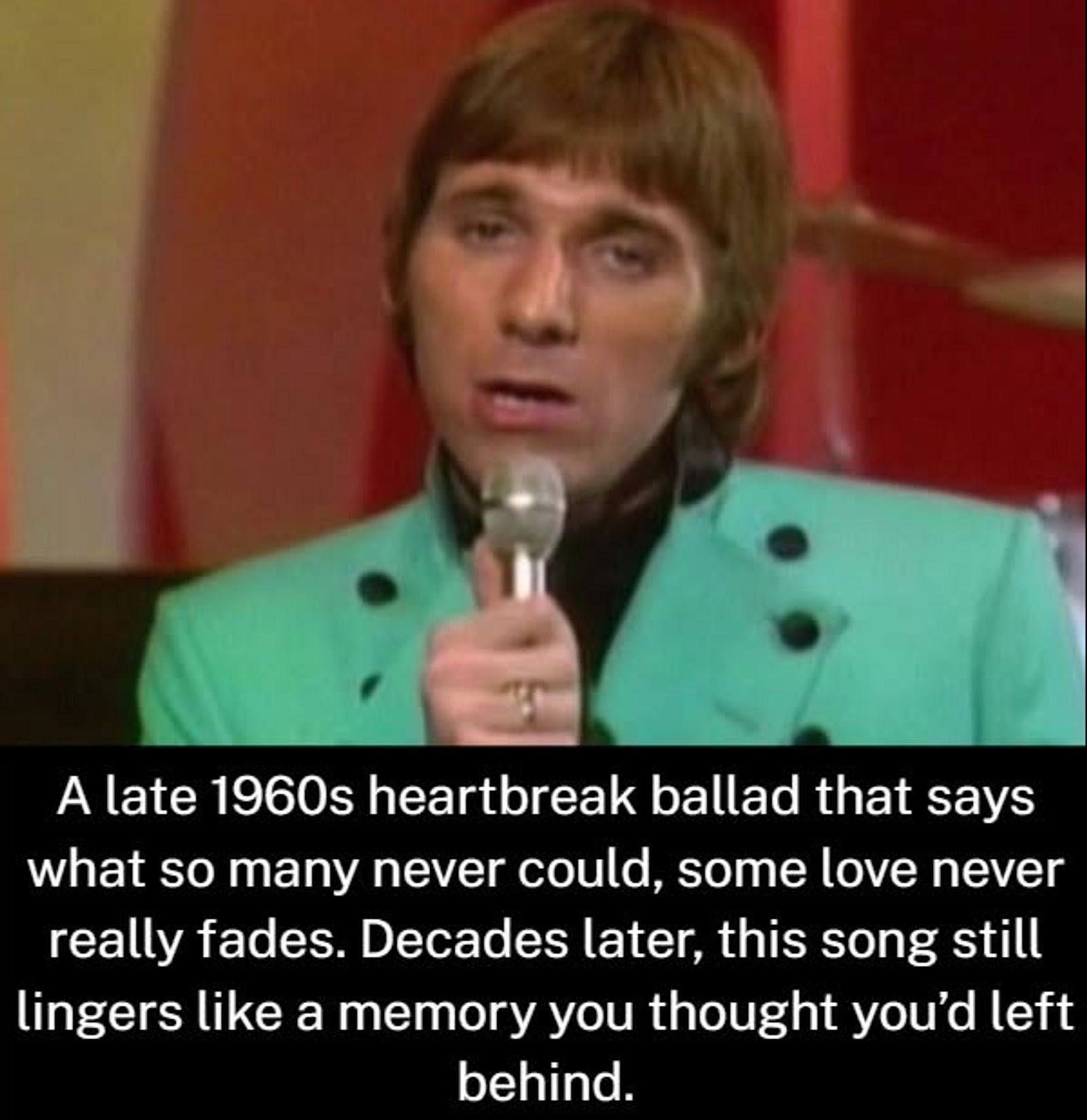
Born in Hibbing, Minnesota, Puckett possessed a vocal strength that felt almost operatic, yet deeply human.
His ability to convey longing and restraint made him the perfect voice for songs rooted in romantic pain.
Gary Puckett & The Union Gap had already found success with earlier hits like “Woman, Woman” and “Young Girl,” establishing themselves as masters of dramatic pop storytelling.
“Over You” continued that tradition but stripped away flirtation, focusing instead on emotional aftermath.
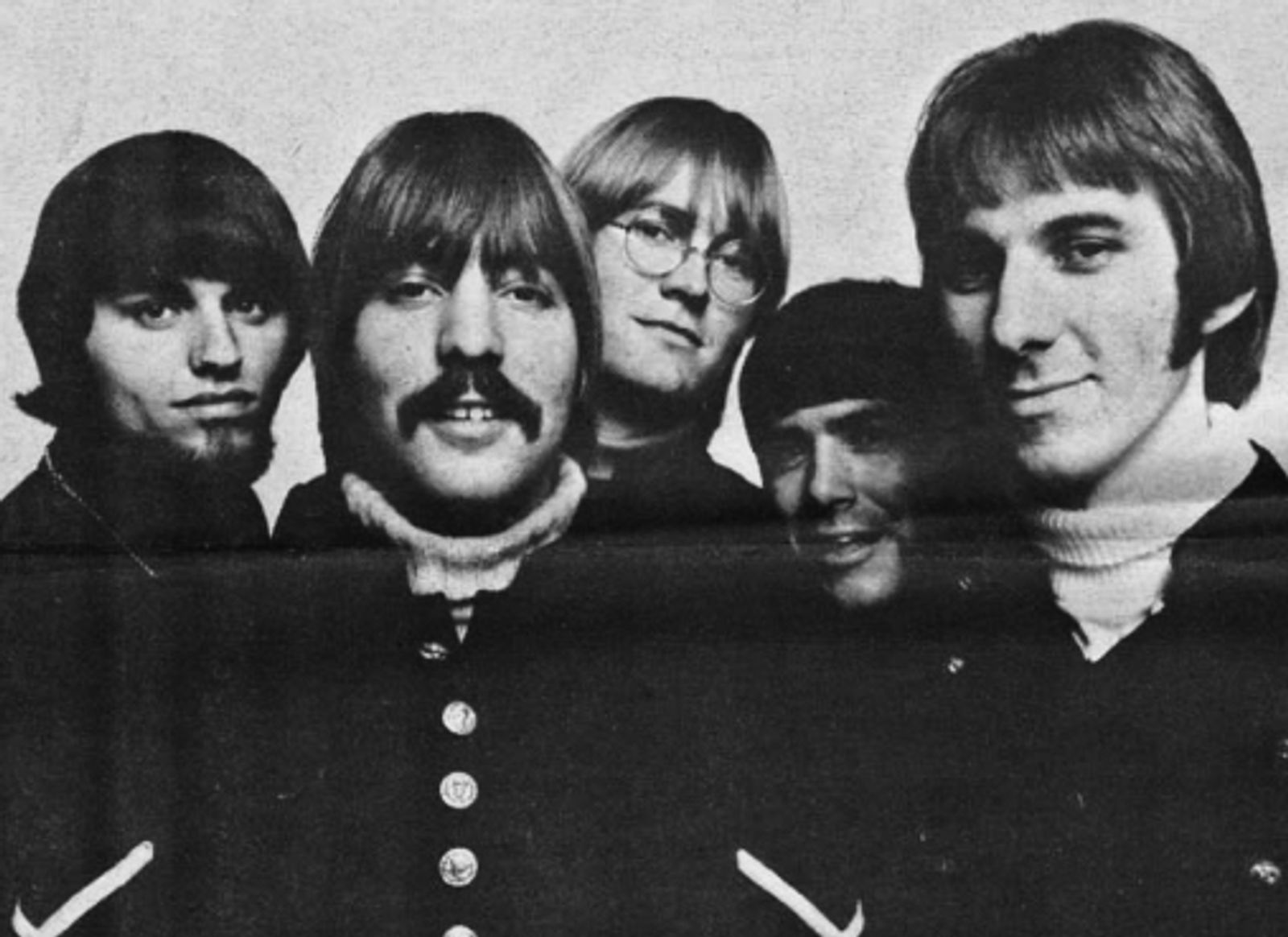
The song opens with a quiet admission of defeat, setting the tone for a narrative about love that refuses to fade.
Rather than anger or bitterness, the lyrics reveal exhaustion and acceptance, emotions many listeners quietly recognized in themselves.
Lines describing sleepless nights and lingering memories turned the song into a mirror for broken hearts everywhere.
Musically, “Over You” balances simplicity with grandeur, allowing the melody to rise and fall like the emotions it portrays.
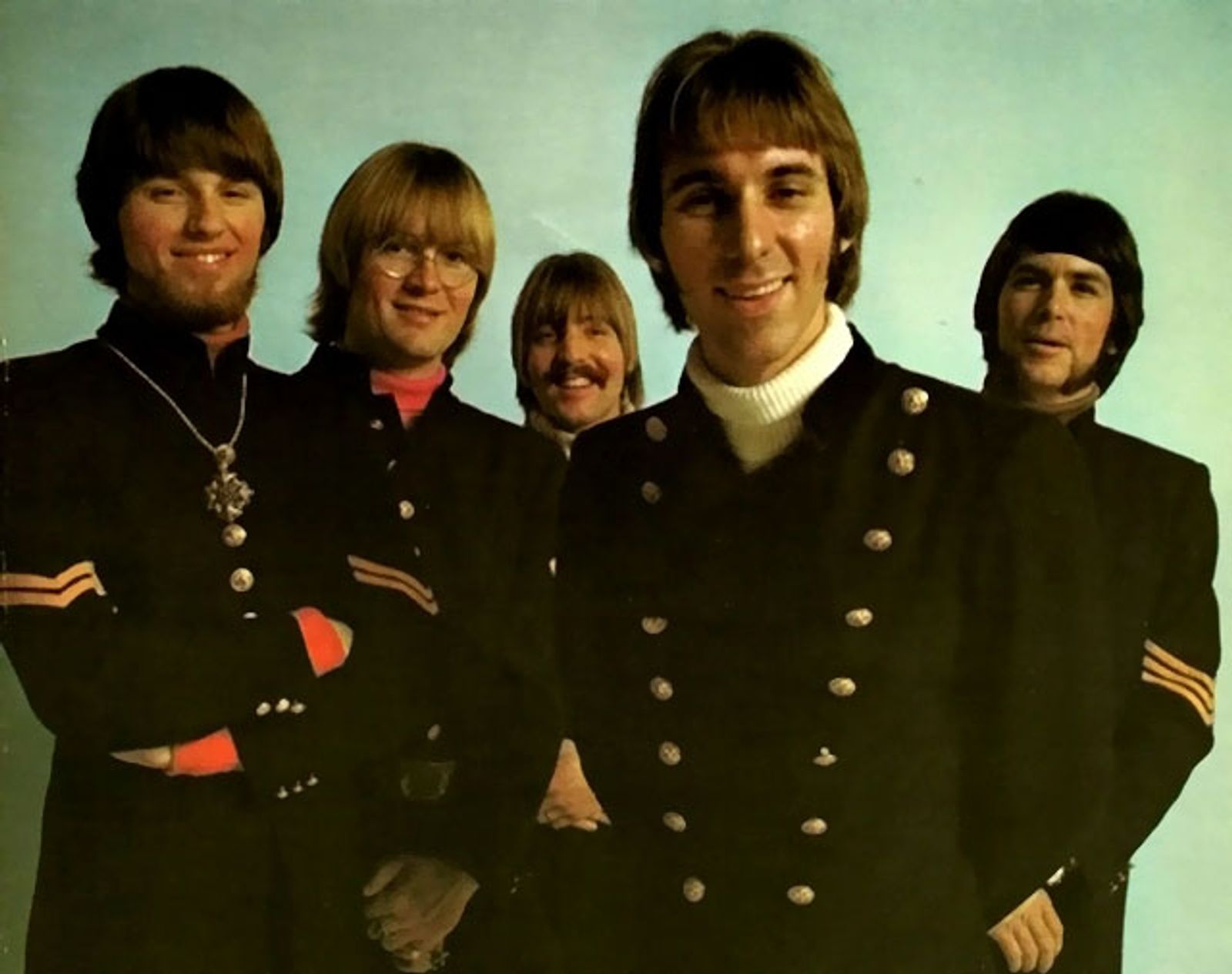
The arrangement builds slowly, giving space for Puckett’s voice to carry the weight of the story.
Each note feels deliberate, as if holding back tears until the very last moment.
When the chorus arrives, it doesn’t explode but instead settles heavily, reinforcing the song’s quiet devastation.
This restraint is what made “Over You” so powerful, proving that heartbreak doesn’t always scream.
Upon its release, the song climbed to No. 7 on the Billboard Hot 100, confirming its connection with the public.
Listeners didn’t just hear the song; they felt it.
Radio stations embraced it as a late-night favorite, perfect for moments of reflection and solitude.
For many fans, “Over You” became the soundtrack to breakups they never fully recovered from.

The late 1960s were a time of cultural change, but emotional truths like lost love remained universal.
In that shifting world, songs like “Over You” offered comfort through shared pain.
Gary Puckett’s delivery avoided melodrama, making the sorrow feel sincere rather than theatrical.
That sincerity helped the song endure long after chart positions faded.
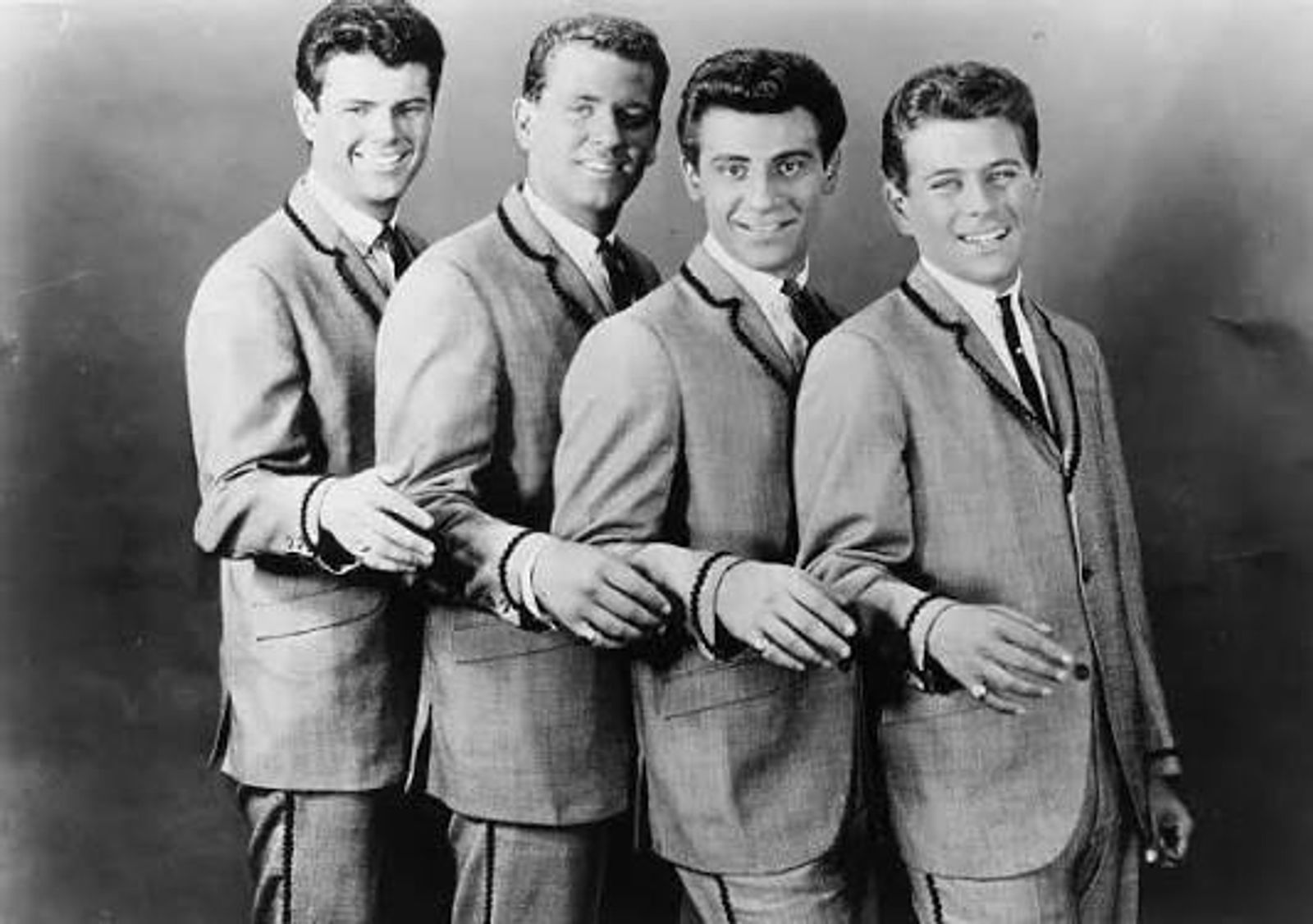
Even decades later, “Over You” still feels timeless, untouched by trends or production fads.
It continues to appear on classic radio playlists, quietly stopping listeners in their tracks.
Many fans recall hearing it late at night, alone with their thoughts and regrets.
The song’s strength lies in its honesty, admitting that moving on is often easier said than done.
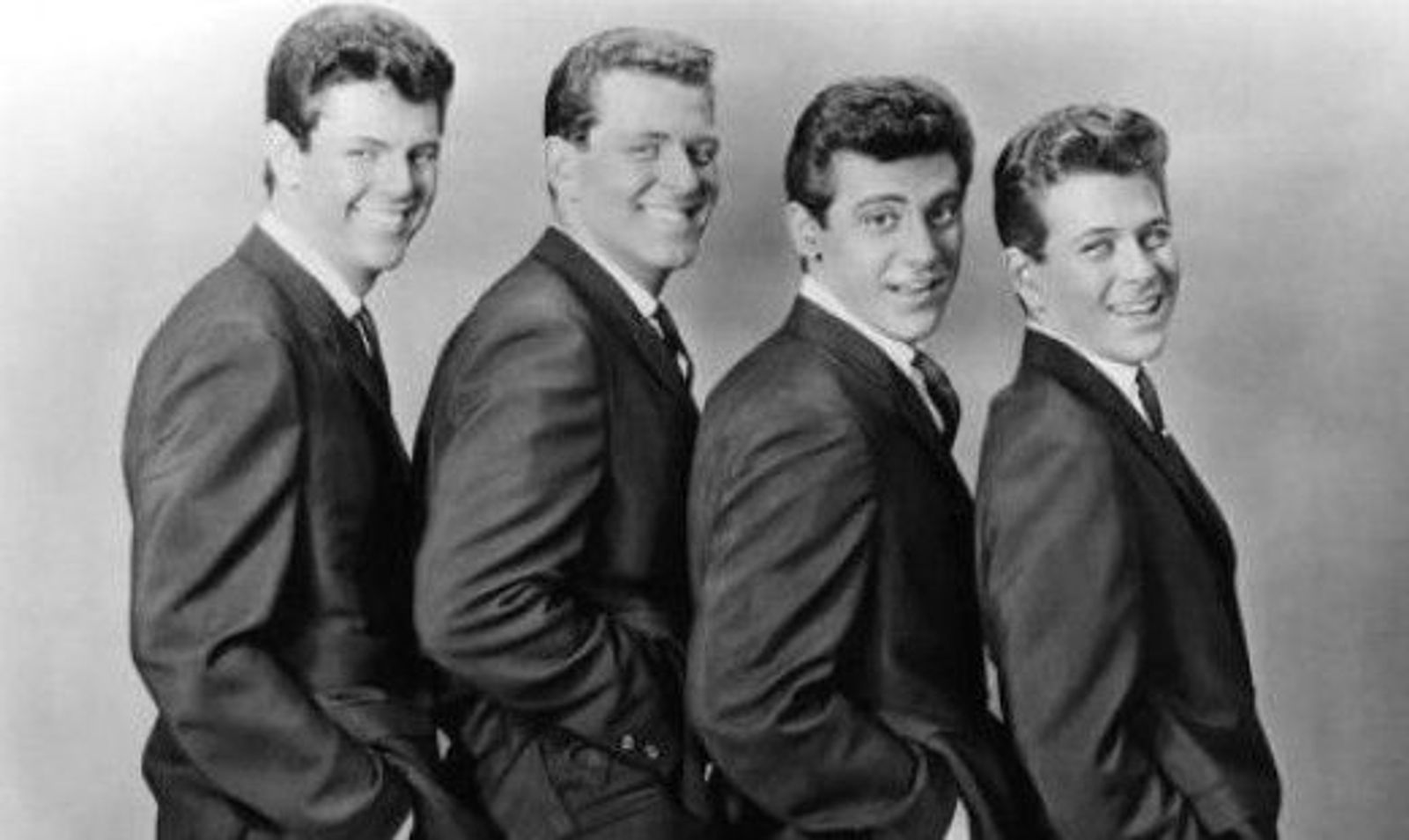
Unlike songs that promise healing, “Over You” accepts that some love never truly leaves.
That emotional realism is what keeps the song relevant across generations.
For Gary Puckett & The Union Gap, the song helped define their legacy as voices of emotional truth.
While the group eventually faded from the spotlight, their music never disappeared from memory.
“Over You” remains a testament to a time when pop music wasn’t afraid to linger in sadness.
It reminds us that heartbreak, when expressed honestly, can be beautiful.
More than fifty years later, the song still whispers the same message to new listeners.
Some loves end, some wounds heal, but some feelings stay with us forever.