Celebrities & Music
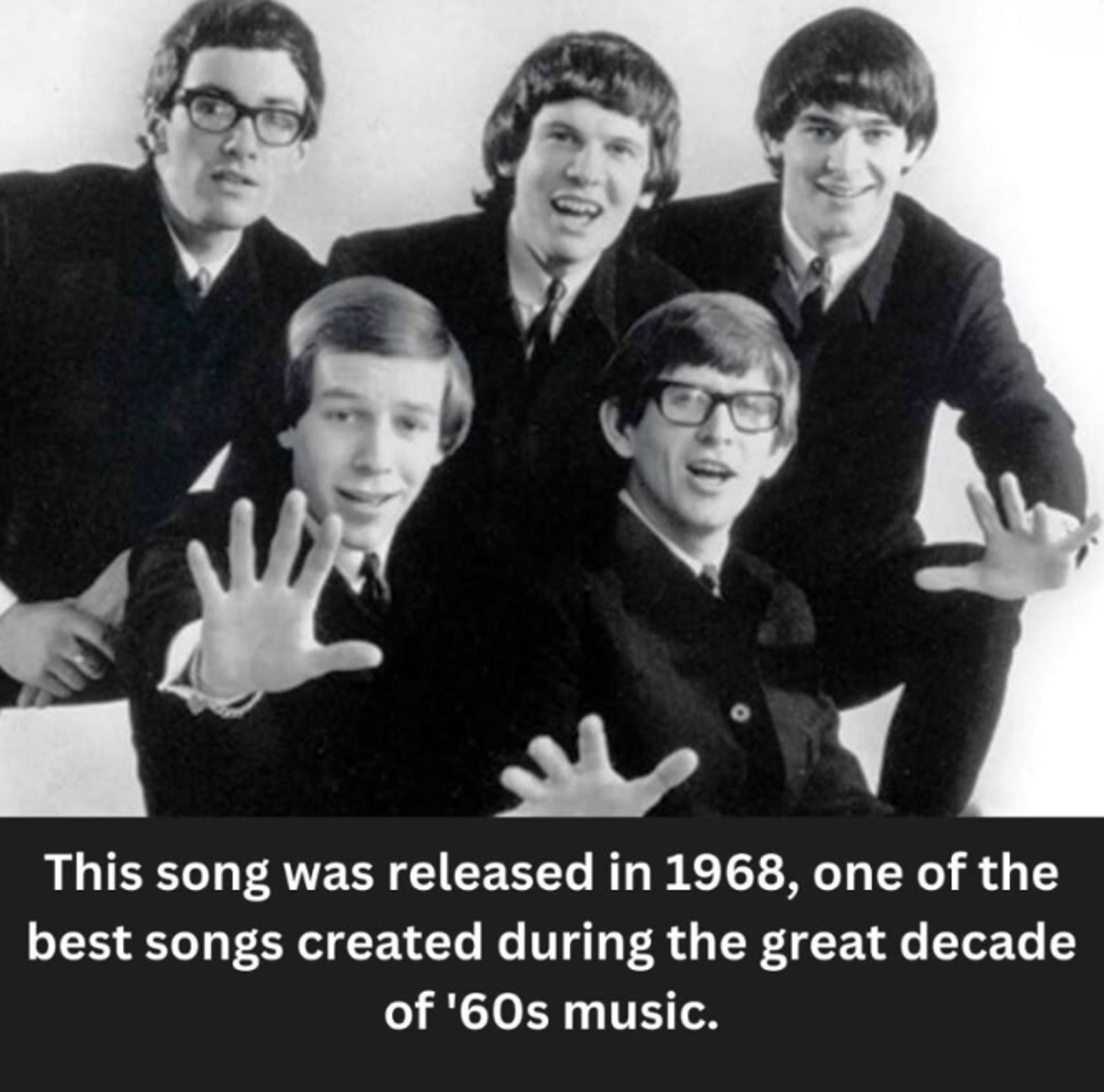
One of the best songs done from a great decade of 60’s music. Timeless classic.
The article explores the timeless appeal of The Zombies’ song “Time of the Season,” highlighting its unique atmosphere, emotional depth, and enduring popularity across generations.
Some songs don’t simply belong to a particular year—they seem to exist outside of time, waiting patiently for every new generation to discover their quiet magic.
When The Zombies released “Time of the Season,” they could hardly have imagined that decades later its hypnotic groove would still sound as mysterious as ever.
Unlike the loud anthems competing for attention during the late 1960s, this song never demands to be heard.
Instead, it quietly pulls listeners closer, one haunting note at a time.
The first breath, the gentle rhythm, and the unforgettable bass line immediately create an atmosphere unlike anything else on the radio.
It feels less like the beginning of a pop song and more like stepping into a dream where everything moves just a little slower.
That atmosphere became the secret behind its timeless appeal.
While many records from the psychedelic era sound tied to their moment in history, “Time of the Season” somehow escaped that limitation.
Its mood remains fresh because mystery never grows old.
The famous opening question doesn’t rush toward an answer.
Instead, it invites curiosity, encouraging listeners to fill the silence with their own imagination.
That subtle storytelling is one reason the song continues to captivate audiences after so many decades.
Rather than explaining every emotion, it leaves enough space for listeners to become part of the experience.
The result is music that feels deeply personal no matter when you first hear it.
Musically, The Zombies created something remarkably sophisticated without sacrificing accessibility.
The gentle keyboard lines drift effortlessly alongside a steady rhythm that feels almost hypnotic.
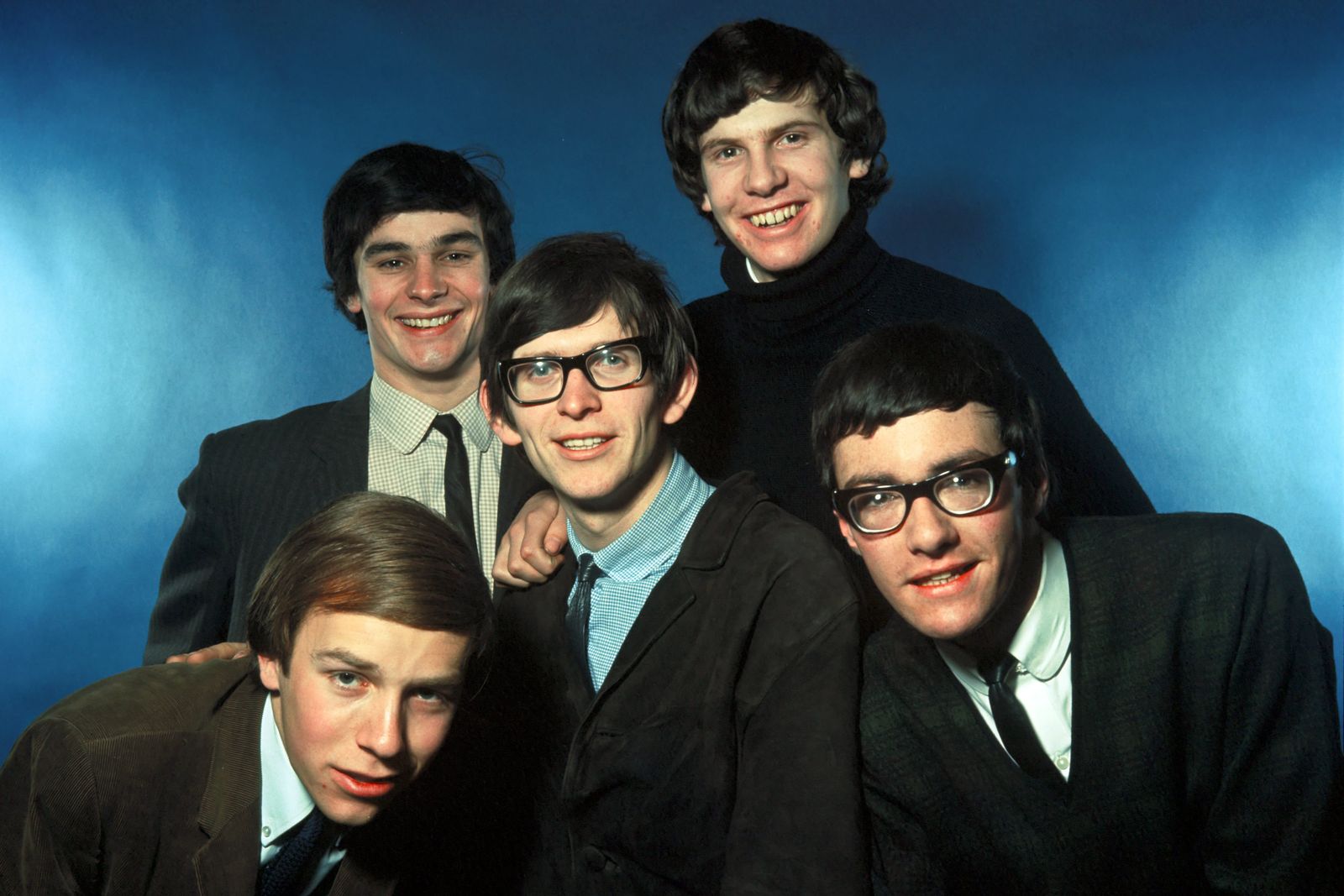
Every instrument seems perfectly placed, never competing for attention yet never fading into the background.
Then comes Colin Blunstone’s unmistakable voice.
Soft, confident, and slightly mysterious, his vocal performance carries the song with remarkable restraint.
He never needs to shout because the emotion is already hiding between every word.
Sometimes the quietest performances leave the deepest impression.
The harmonies surrounding his lead vocal only strengthen that feeling.
Instead of overwhelming the melody, they wrap around it like soft shadows following the evening light.
Listening with headphones reveals countless tiny musical details that are easy to miss at first.
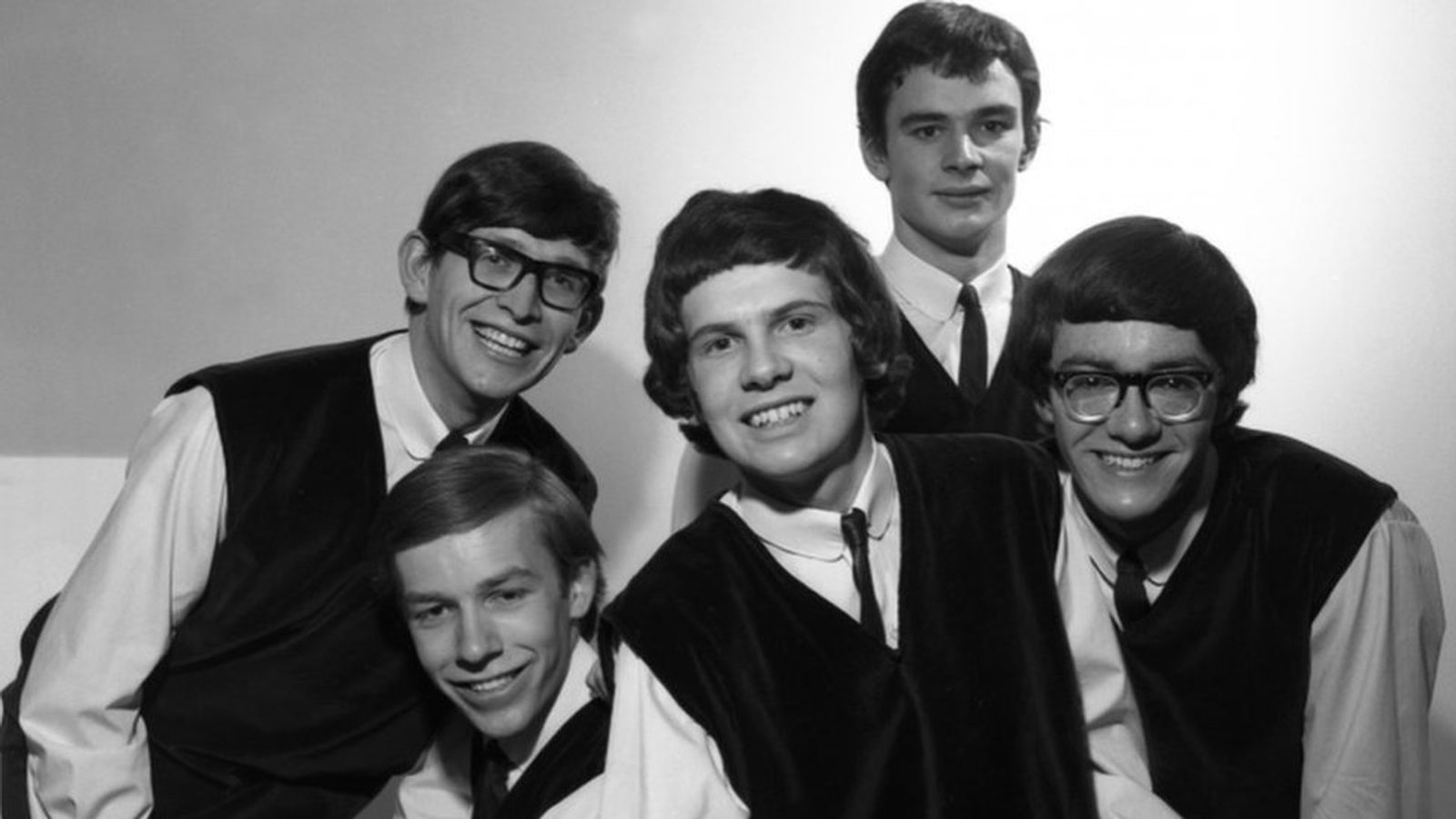
Every return to the song seems to uncover another hidden layer.
Perhaps that explains why so many listeners never grow tired of hearing it.
The more familiar it becomes, the more fascinating it feels.
Released during one of the most creative periods in rock history, “Time of the Season” arrived as popular music was rapidly evolving.
Artists were no longer satisfied with simple love songs.
They were experimenting with atmosphere, poetry, and emotional depth.
The Zombies embraced that creative freedom beautifully.
Their music remained melodic while exploring sounds that felt bold and completely original.
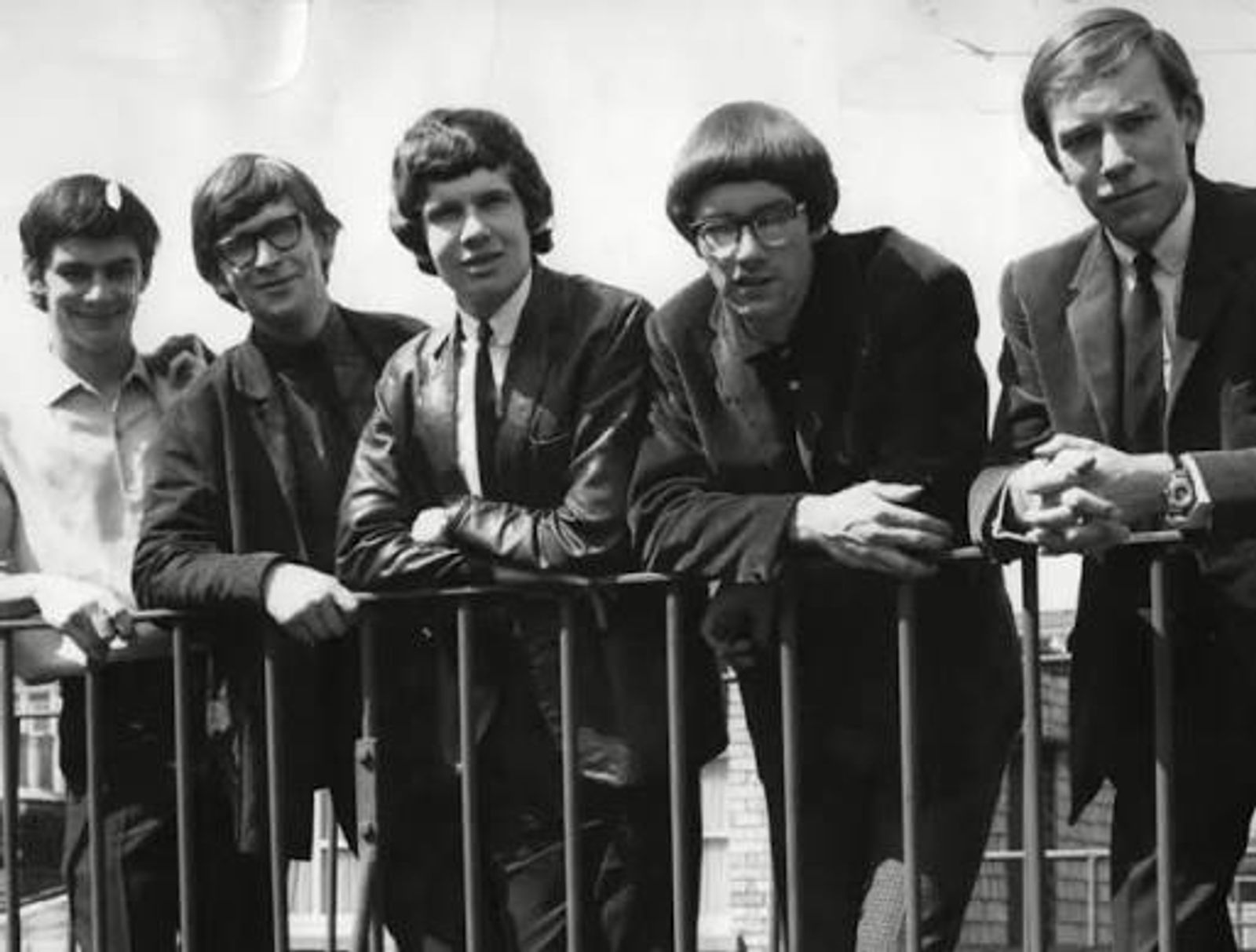
Ironically, the song did not become an immediate worldwide sensation.
Only after time passed did audiences truly recognize its brilliance.
Sometimes history needs a little patience before deciding which songs deserve to become classics.
“Time of the Season” is one of the finest examples of that truth.
Its popularity steadily grew until it became one of the defining recordings of the psychedelic era.
Today, it continues appearing in films, television series, commercials, and documentaries.
Every new appearance introduces another generation to its unforgettable sound.
Many younger listeners discover the song without realizing it was first recorded more than half a century ago.

That realization often comes as a surprise.
Very few recordings from the 1960s sound this effortlessly modern.
Its production remains clean, warm, and surprisingly contemporary.
Unlike songs that depend on temporary musical trends, this record relies almost entirely on atmosphere and emotion.
Those qualities never become outdated.
Listening today feels strangely comforting.
The world outside may be moving faster than ever, yet this song quietly reminds us that not every beautiful moment needs to hurry.
Its slow confidence feels almost rebellious in today’s culture of constant distraction.
Perhaps that is why people continue returning to it.
For four unforgettable minutes, everything seems to breathe a little easier.
The music encourages reflection rather than urgency.
It asks listeners to feel instead of simply consume.
That invitation becomes more valuable with every passing decade.
For older listeners, the song may awaken memories of college campuses, vinyl records, and late-night conversations that stretched until sunrise.
For younger audiences, it offers a glimpse into an era when music was willing to take creative risks without losing its emotional heart.
Despite the passing of generations, those feelings remain remarkably familiar.
Curiosity.
Hope.
Desire.
Wonder.
They are timeless emotions, and “Time of the Season” captures each of them with extraordinary grace.
Its brilliance lies not in elaborate lyrics or technical complexity but in its remarkable ability to create a mood that words alone could never fully describe.
Every note seems to float effortlessly through the air.
Every pause feels intentional.
Every harmony quietly deepens the mystery.
That careful balance between simplicity and sophistication is incredibly rare.
It explains why musicians continue studying the song while listeners simply enjoy getting lost inside it.
Some records entertain for a season.
Others become nostalgic memories.
But only a handful continue whispering to every generation that discovers them.