Celebrities & Music
Sometimes, the greatest love stories don’t begin with a grand gesture—they begin with two strangers, one rainy day, and a moment that almost slipped away forever.
The article explores how the most beautiful love stories often begin with simple, unexpected moments, using The Hollies’ song “Bus Stop” as a poignant example of how ordinary encounters can lead to extraordinary connections.
Some love stories begin with fireworks, unforgettable first glances, or carefully planned dates, but the most beautiful ones sometimes begin with nothing more than an unexpected rainstorm.
When The Hollies released “Bus Stop” in 1966, they transformed one ordinary moment into one of the most charming love stories ever captured in popular music.
It wasn’t built around dramatic heartbreak or impossible romance, but around two strangers standing beneath a shared umbrella while waiting for a bus.
That simple image has survived for decades because it reminds us that life’s greatest moments often arrive without warning.
Long before dating apps and endless online conversations, people met naturally in everyday places where chance quietly worked its magic.
A crowded sidewalk, a train platform, a neighborhood café, or a rainy bus stop could change someone’s entire future.
“Bus Stop” captures that beautiful uncertainty better than almost any other song from the British Invasion.
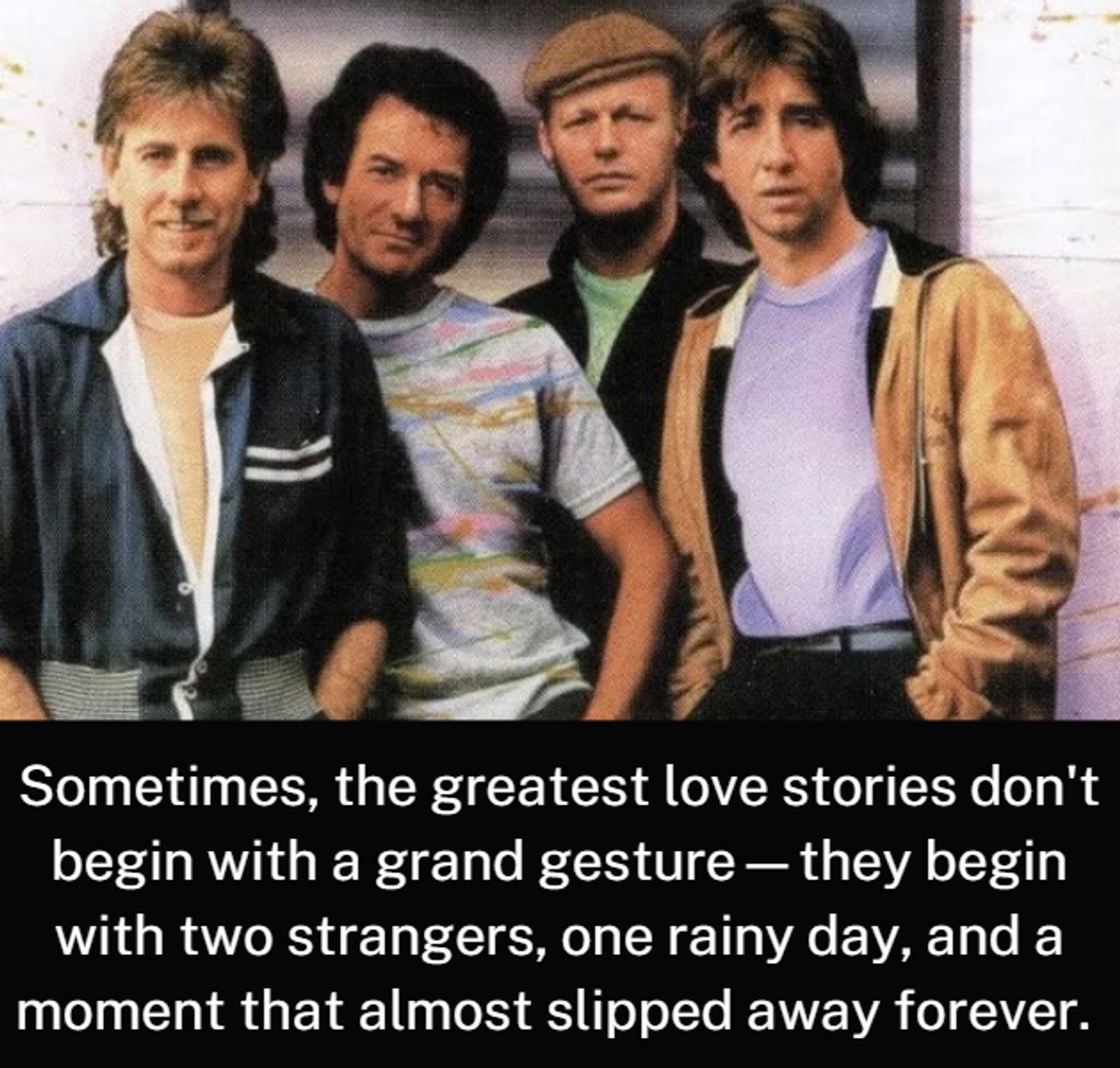
The opening guitar immediately creates a gentle sense of movement, as if a city is slowly waking up beneath cloudy skies.
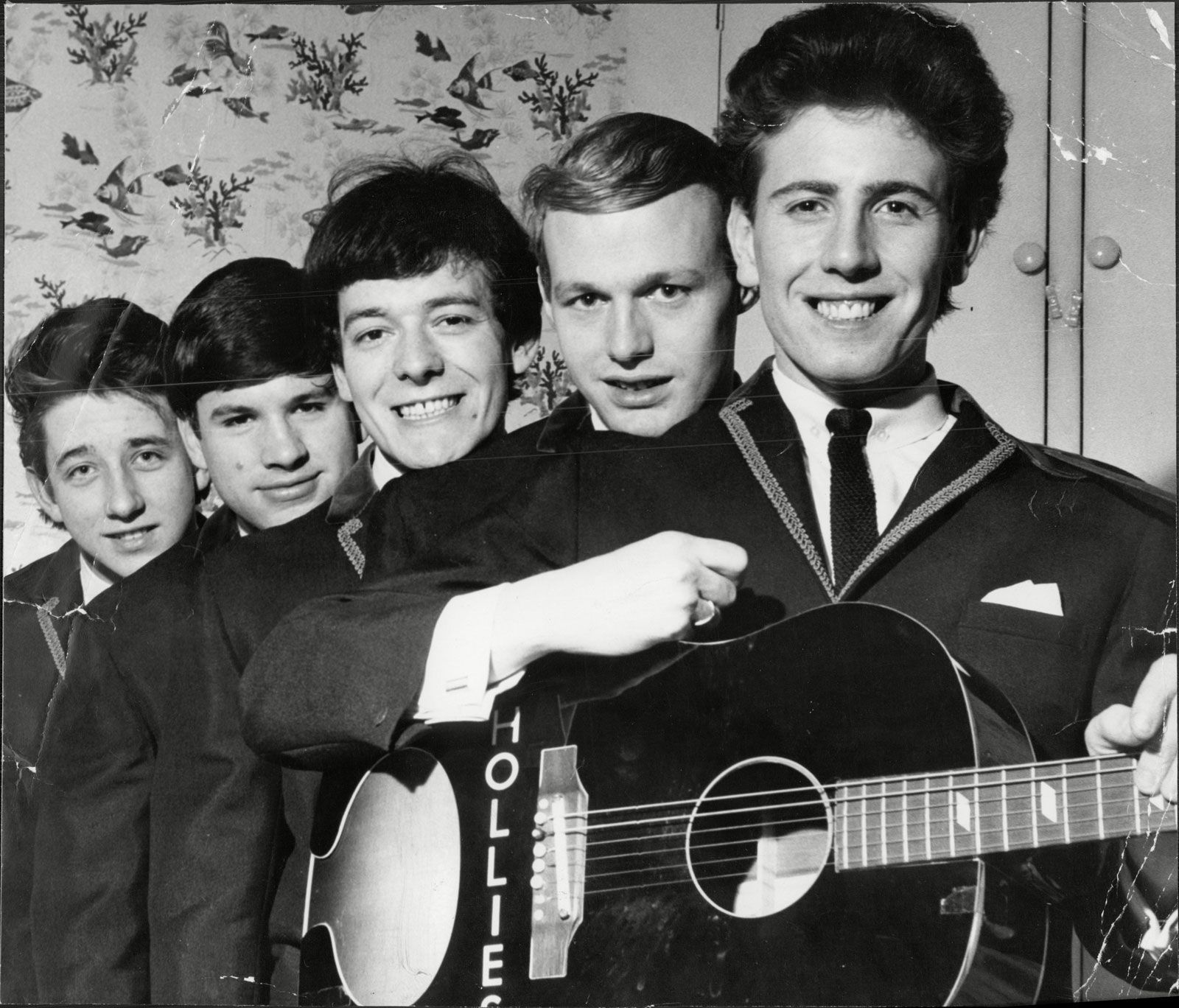
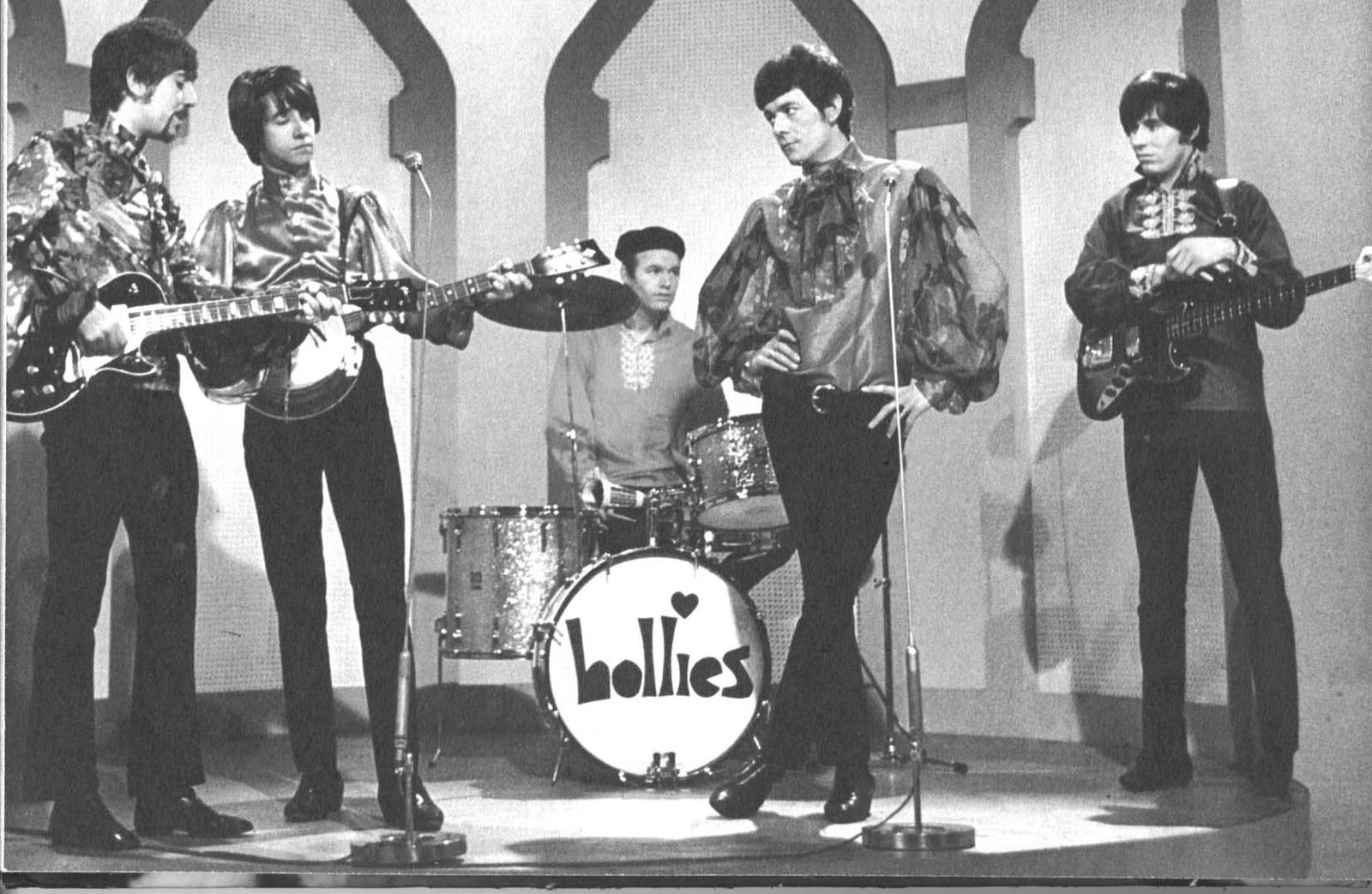
Then comes the warm, unmistakable harmony that made The Hollies one of the finest vocal groups of their generation.
Their voices never compete with one another because each harmony feels like another piece completing the same beautiful picture.
The song tells its story with remarkable efficiency, yet every lyric leaves room for the listener’s own imagination.
You don’t simply hear about two people meeting.
You begin picturing the falling rain, the crowded sidewalk, and two strangers standing just close enough to share an umbrella.
Suddenly, the weather no longer feels inconvenient.
Instead, the rain becomes the invisible matchmaker that neither person expected.
That quiet romantic twist is one reason the song continues to feel timeless even after so many decades.
Rather than relying on dramatic declarations of love, it celebrates the small moments that slowly become unforgettable memories.
Perhaps every lasting relationship has a beginning just as ordinary.
A casual conversation.
A shared smile.
A simple act of kindness.
Looking back years later, those tiny moments often become the chapters people treasure most.
The brilliance of “Bus Stop” lies in its ability to remind us that extraordinary stories rarely announce themselves at the beginning.
Sometimes they look completely ordinary until enough years have passed.
Musically, the record balances bright pop melodies with subtle folk influences that were becoming increasingly popular during the mid-1960s.
The crisp guitar work provides a gentle rhythm that perfectly matches the pace of two people walking together after leaving the bus stop.
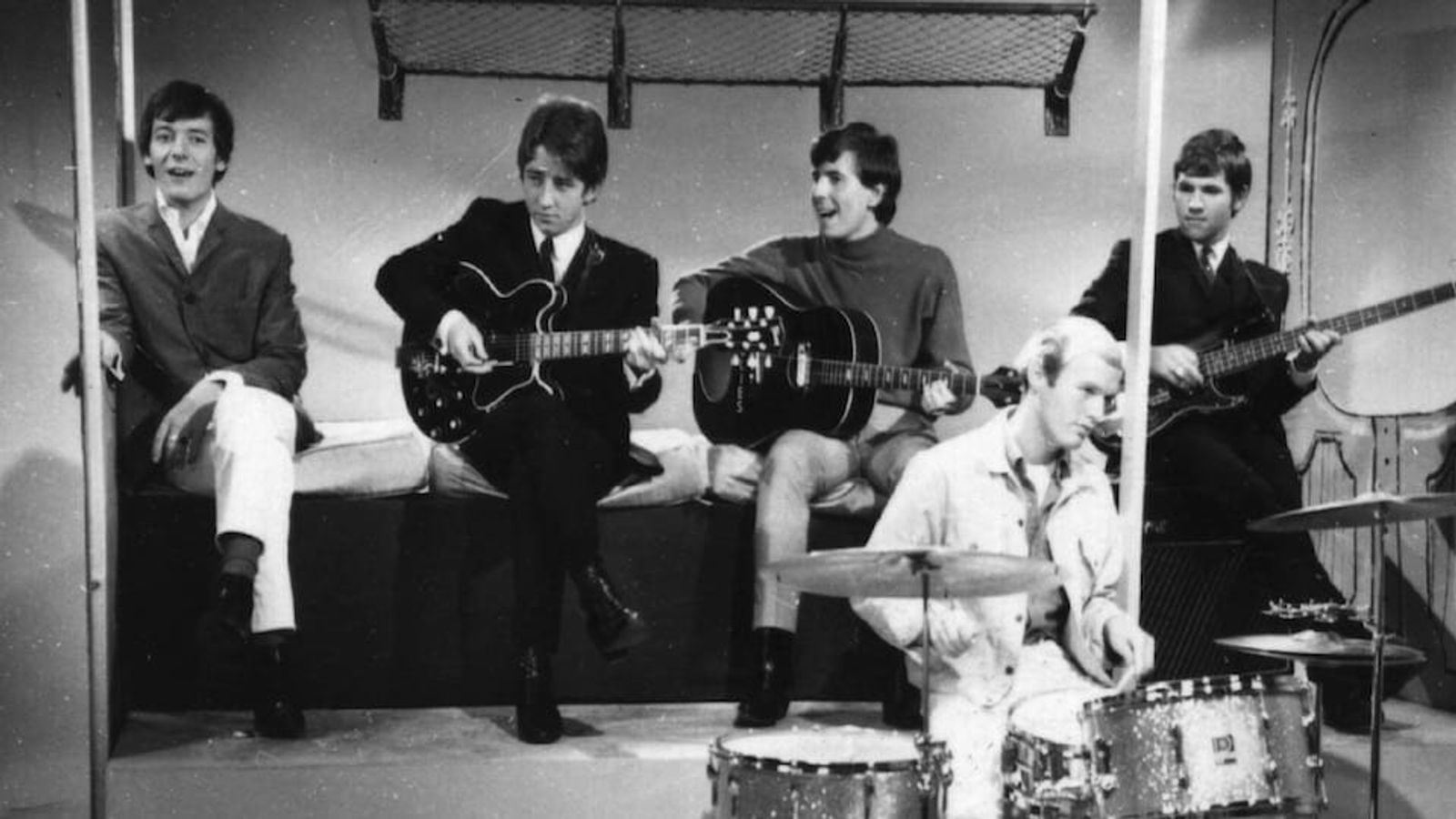
Meanwhile, Allan Clarke’s expressive lead vocal carries both confidence and vulnerability in equal measure.
His delivery never feels exaggerated because the story itself doesn’t require unnecessary drama.
Instead, sincerity becomes the song’s greatest strength.
The harmonies surrounding every chorus create a warmth that few bands could match during that remarkable musical era.
It is no surprise that The Hollies earned a reputation as one of Britain’s greatest harmony groups.
While bands often competed to sound louder or more rebellious, The Hollies demonstrated that elegance could be just as powerful.
“Bus Stop” quickly found audiences on both sides of the Atlantic, becoming one of the group’s biggest international successes.
American listeners embraced its catchy melody, while British fans appreciated its clever storytelling and polished musicianship.
Decades later, the record still sounds remarkably fresh because genuine emotion never becomes outdated.
Unlike many songs built around temporary trends, its message depends entirely on human connection.
Every generation understands what it feels like to meet someone unexpectedly.
Every generation knows the excitement of wondering whether a chance encounter might become something much greater.
That universal emotion allows “Bus Stop” to continue speaking to listeners who were born many years after its release.
Its melody instantly creates feelings of comfort, even for those hearing it for the very first time.
Perhaps that comfort comes from recognizing ourselves somewhere inside the story.
Most people can remember one unexpected meeting that quietly changed everything.

Maybe it happened at school.
Maybe it happened at work.
Maybe it happened while waiting somewhere with no idea that life was about to take a different direction.
The details may change, but the feeling remains remarkably familiar.
Listening today feels like opening an old scrapbook filled with faded photographs and handwritten notes.
Each verse becomes another snapshot preserved from a simpler time when conversations began naturally and patience was simply part of everyday life.
There were no notifications interrupting every moment.

No endless scrolling.
Just real people sharing real moments beneath real skies.
That nostalgia is part of what makes “Bus Stop” such an enduring classic.
It reminds us that romance doesn’t always require grand gestures or extravagant promises.
Sometimes love begins with nothing more than offering someone a little space beneath an umbrella.
That quiet kindness grows into conversation.
The conversation becomes companionship.
And before anyone realizes it, an ordinary bus stop has become the place where an extraordinary future quietly began.
That is why The Hollies’ “Bus Stop” continues to resonate across generations, proving that the smallest moments often become the greatest memories, and that sometimes destiny arrives not with thunder, but with the gentle sound of rain falling on a shared umbrella.
Read more stories
- He Was Rejected By His Own Mom And Raised To Think ‘Women Are Evil’ But He Became A Legendary Rockstar
- TOBY KEITH RECORDED SOME OF THE BIGGEST PATRIOTIC ANTHEMS IN COUNTRY MUSIC HISTORY—BUT HIS REAL LEGACY WAS BUILT ON MILITARY BASES WHERE NO CAMERAS WERE ROLLING.
- [Video]: The One-Take Hit That Took Over Rock Radio
- The Box Tops’ “The Letter” Captures Lightning in a Bottle and Redefines Blue-Eyed Soul in 1967-2