Celebrities & Music
This song was released in 1958 and became a timeless hit with its heartfelt lyrics and nostalgic melody.
The article discusses the enduring impact of Connie Francis’s song “Who’s Sorry Now,” released in 1958, highlighting its emotional resonance and the significance of her performance on American Bandstand.
This song was released in 1958 and became a timeless hit with its heartfelt lyrics and nostalgic melody. In 2026, over 65 years later, it remains a beloved classic, celebrated as one of the most iconic ballads of all time.
There are songs that become popular for a season, and then there are songs that find the perfect moment to change someone’s life forever, just as Connie Francis did with “Who’s Sorry Now” on American Bandstand.
Before that unforgettable television appearance, Connie Francis had already recorded several singles, yet true stardom still seemed frustratingly out of reach.
Record executives questioned whether her career had a future, and even Connie herself wondered if music was the dream she was meant to keep chasing.
Then came one performance that would quietly rewrite everything.
When she stepped onto the stage of American Bandstand, few could have predicted they were about to witness the birth of one of America’s most beloved recording stars.
There were no elaborate visual effects, no dazzling choreography, and no distractions competing for attention.
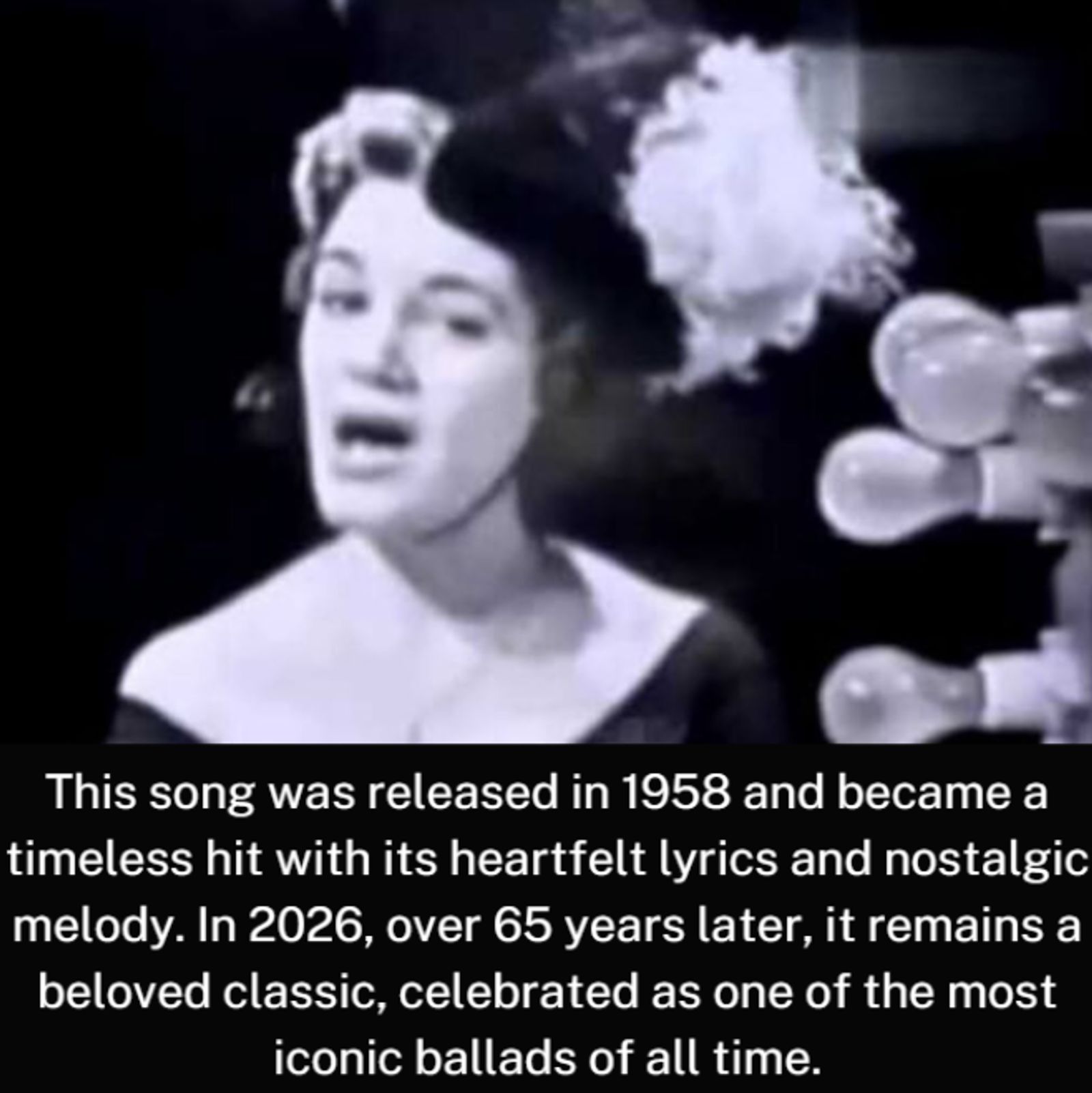
There was simply a young woman with an unmistakable voice singing a song that had actually been written decades earlier.
Originally published in the 1920s, “Who’s Sorry Now” had already lived several musical lives before Connie Francis made it her own.
Many artists had recorded it, but somehow none had uncovered the emotional balance between heartbreak and hope quite the way she did.
Her version sounded fresh while honoring the melody’s timeless elegance.
Every lyric carried the quiet confidence of someone who understood that love often teaches its hardest lessons only after it disappears.
Her voice possessed remarkable clarity, yet beneath its sweetness listeners could hear traces of vulnerability that made every line feel completely believable.
That emotional honesty immediately separated her from countless singers trying to imitate popular trends.
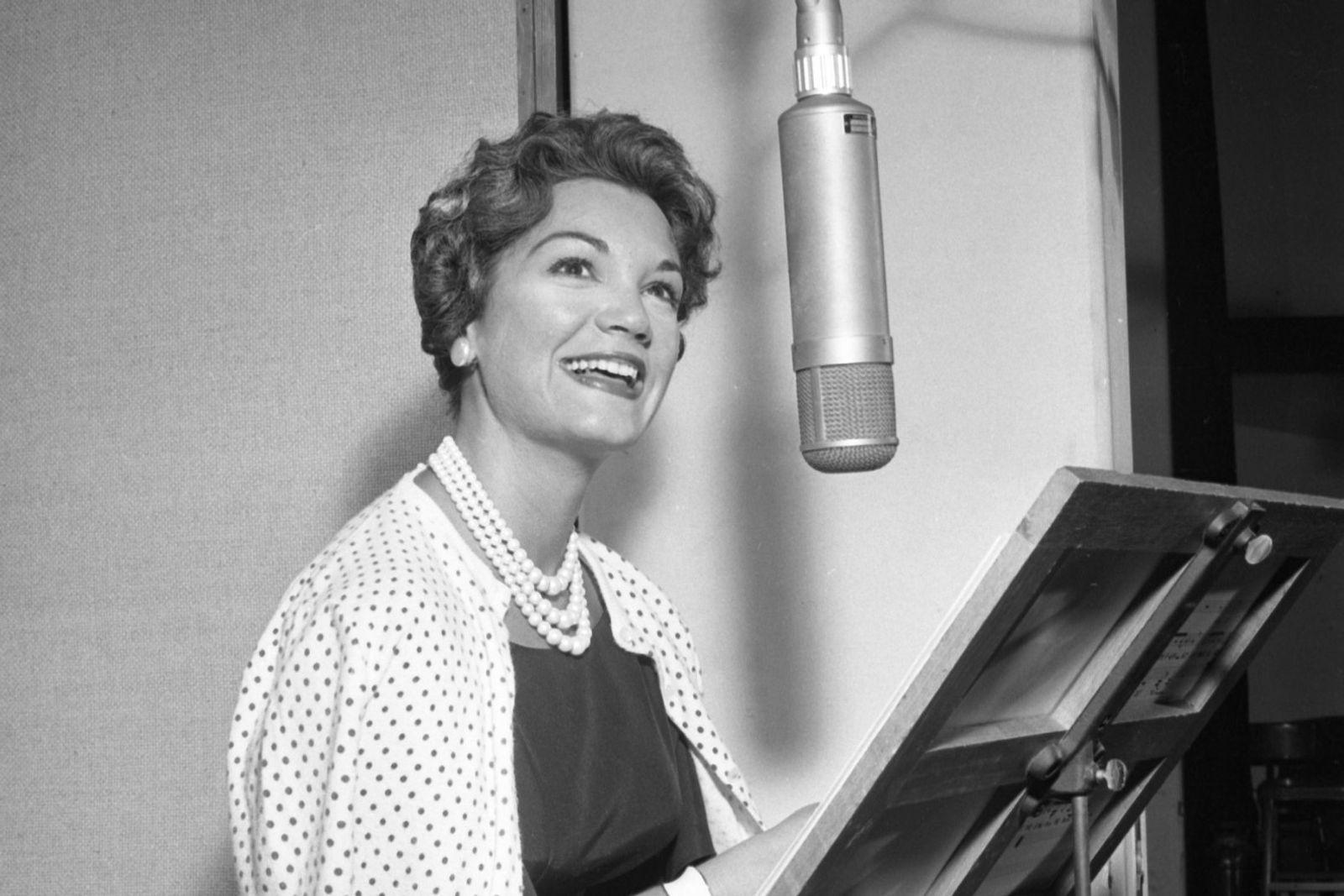
When Dick Clark introduced the performance to millions of teenagers watching across America, something remarkable happened almost instantly.
Young audiences embraced a song their grandparents might have recognized, proving that great music never truly belongs to just one generation.
Within days, requests for the record exploded across radio stations throughout the country.
Sales climbed rapidly, and “Who’s Sorry Now” soon became the breakthrough Connie Francis had waited years to achieve.
Looking back today, it almost feels impossible that such a defining career moment depended upon one television appearance.
Yet television during the late 1950s possessed a unique power unlike anything audiences experience today.
Families gathered together around a single screen, sharing every performance instead of watching separately on personal devices.
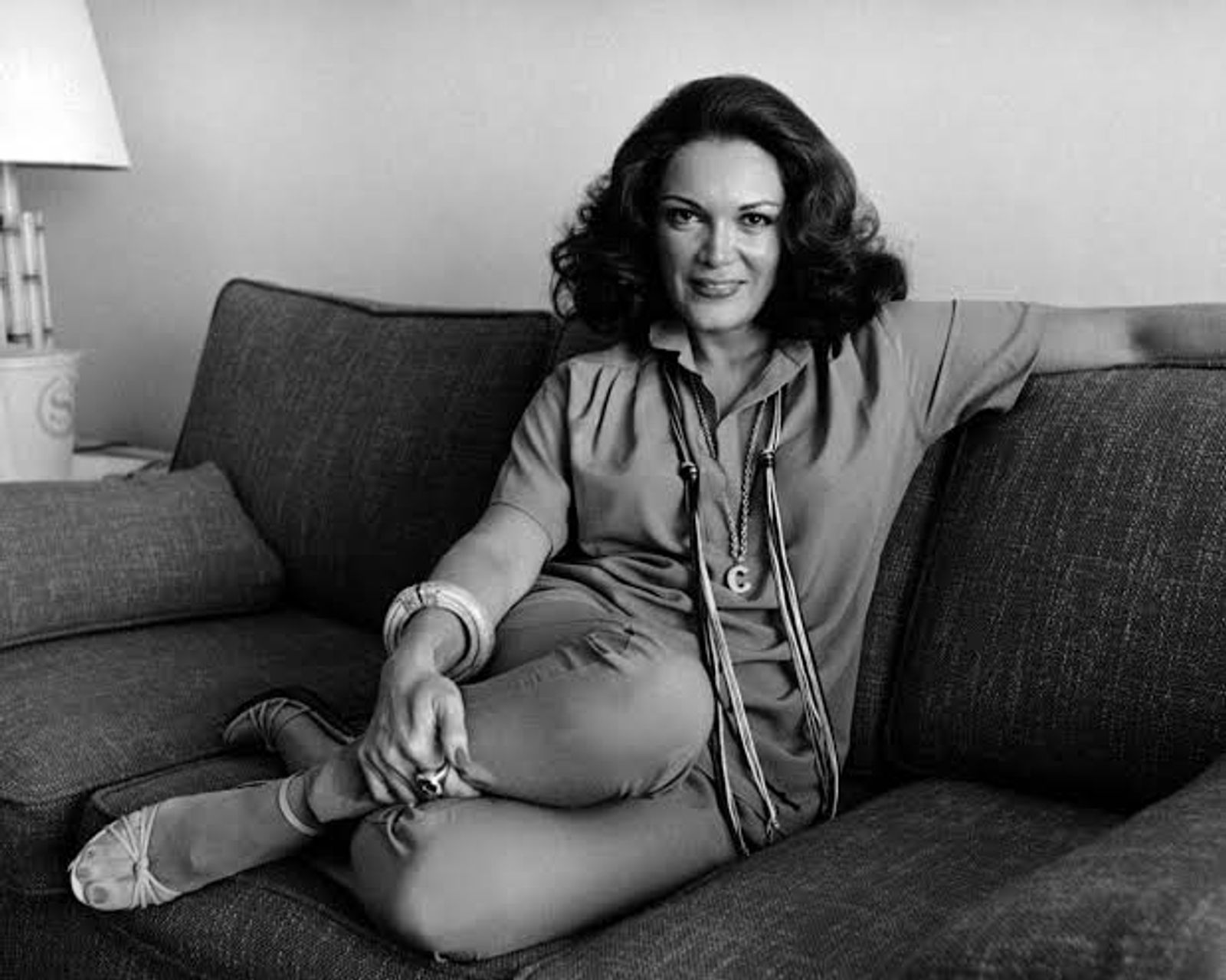
That collective experience transformed songs into national conversations almost overnight.
Connie’s performance did not simply introduce another singer.
It introduced a personality that felt genuine, approachable, and refreshingly sincere.
Viewers believed every word she sang because nothing about her seemed manufactured.
She looked like someone who might live next door rather than an unreachable celebrity.
Perhaps that relatability became one of her greatest strengths throughout her remarkable career.
As the record climbed the charts, Connie Francis suddenly found herself representing a new generation of female vocalists.

She demonstrated that elegance and emotional storytelling could stand proudly beside the rapidly changing sounds of early rock and roll.
Rather than competing through volume or spectacle, she won audiences through warmth and authenticity.
Listening today, it remains surprisingly easy to understand why listeners instantly fell in love with her recording.
The orchestration feels graceful without becoming overwhelming, leaving plenty of room for her expressive voice to shine.
Every phrase arrives naturally, never rushed, allowing the listener to absorb each emotion before the next begins.
That patience gives the performance an almost conversational intimacy rarely heard in modern recordings.
The famous question asked in the title is simple, yet its emotional meaning continues to resonate decades later.

Almost everyone has experienced the bittersweet realization that regret often arrives too late to change the past.
Connie Francis delivered that universal truth with remarkable gentleness instead of bitterness.
Rather than seeking revenge, the song quietly allows fate to answer the question on its own.
That emotional restraint gives the recording extraordinary staying power.
Years after its original release, “Who’s Sorry Now” continues appearing in films, documentaries, radio programs, and nostalgic playlists celebrating the golden age of American music.
Each new generation discovers the song differently, yet many experience the very same emotional connection.
For older listeners, it recalls teenage dances, family living rooms, and evenings spent listening to favorite records.

For younger audiences, it offers a beautiful glimpse into an era when sincerity mattered more than spectacle.
The performance on American Bandstand also reminds us how a single opportunity can alter an entire career.
Without that appearance, Connie Francis might have remained another talented singer searching for her breakthrough.
Instead, she became one of the defining female voices of the late 1950s and early 1960s.
Her success opened doors for countless young women hoping to build careers in popular music.
More importantly, she proved that timeless songs never truly grow old when they are interpreted with genuine feeling.
Even after countless musical revolutions, “Who’s Sorry Now” still carries the same emotional weight it did during that unforgettable television performance.
Its melody continues to drift across generations like a treasured family memory that refuses to fade.
Whenever Connie Francis begins asking that familiar question once again, listeners are reminded that while broken hearts eventually heal, truly unforgettable songs never stop finding new hearts to comfort.