Celebrities & Music
This song never gets old! Definitely a feel good song. The world needs more of these!!!
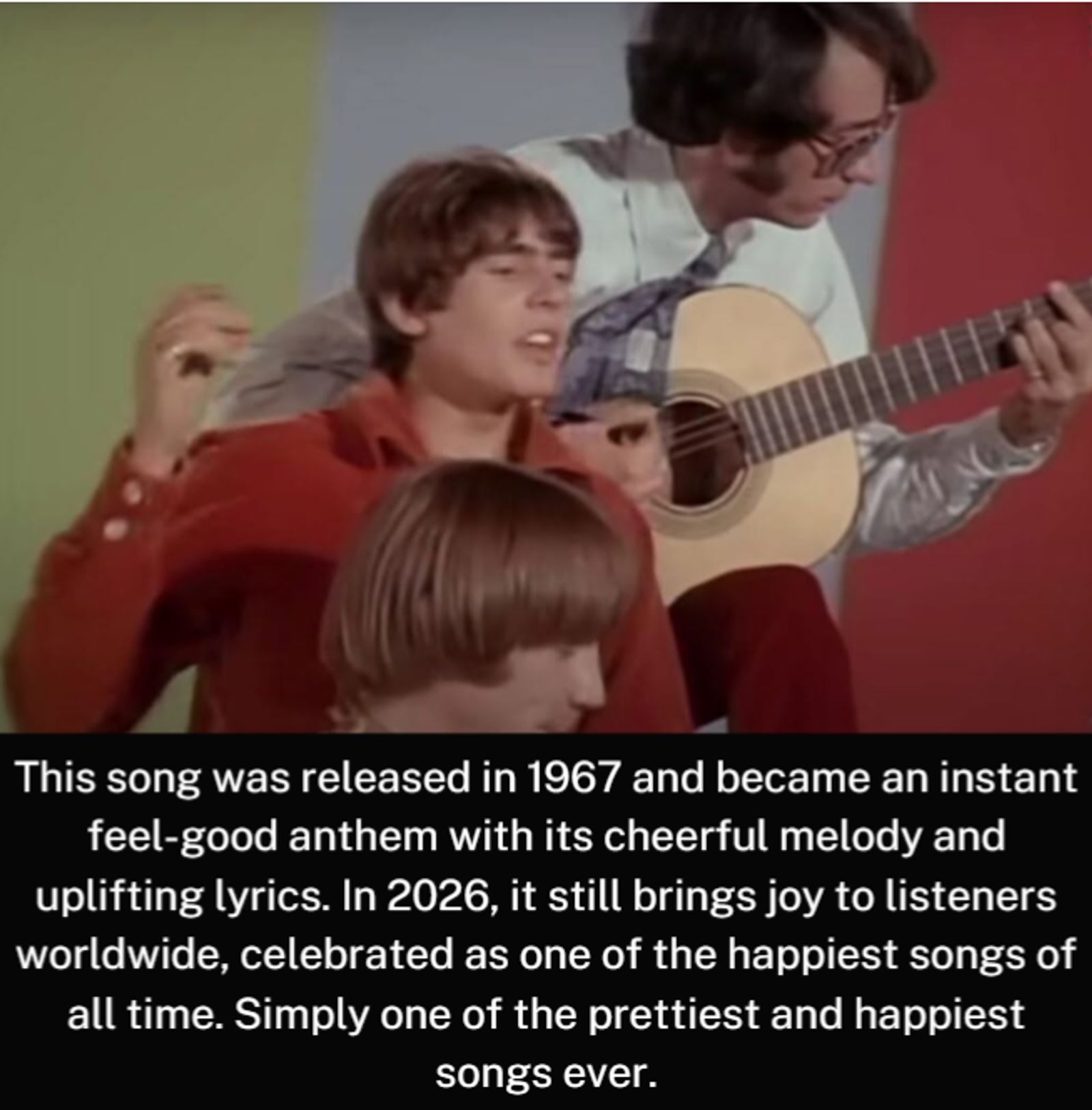
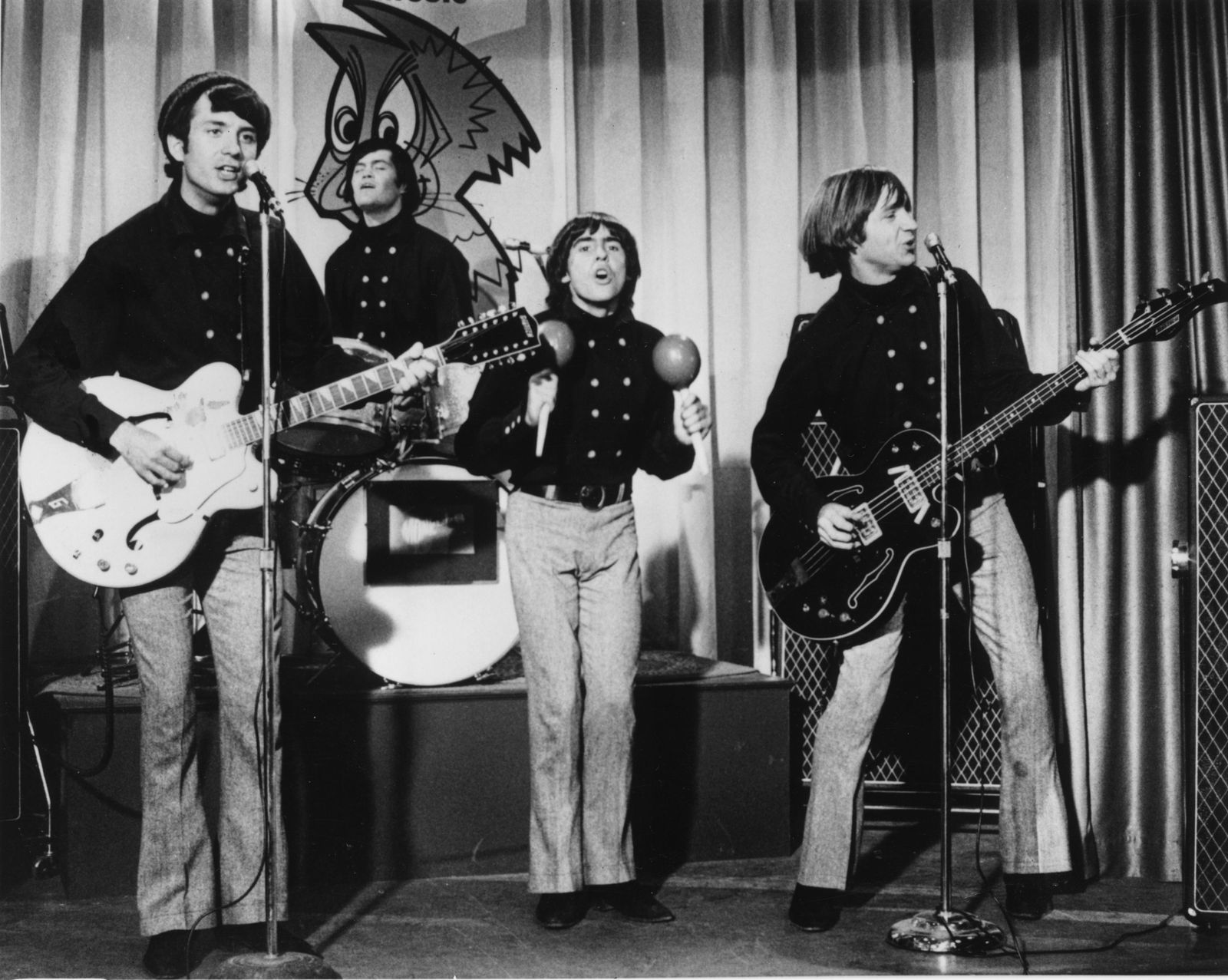
The article celebrates the timeless charm of “Daydream Believer” by The Monkees, highlighting its ability to evoke happiness and optimism through simple melodies and heartfelt lyrics.
When “Daydream Believer” first drifted across the airwaves in 1967, it sounded like a smile wrapped inside a melody that somehow made ordinary life feel extraordinary.
At a time when music was growing louder and more experimental, The Monkees quietly reminded listeners that happiness could still be beautifully uncomplicated.
The song never tried to overwhelm its audience with grand ideas or dramatic emotions.
Instead, it celebrated the gentle beauty hidden inside everyday moments that so many people overlook.
From the opening piano notes, there is an unmistakable warmth that immediately invites listeners into its cheerful world.
Then comes Davy Jones’ unmistakable voice, filled with charm, optimism, and just enough vulnerability to make every lyric feel sincere.
His performance carries the innocence of someone who still believes tomorrow might hold something wonderful.
That hopeful spirit has become one of the reasons the song continues finding new audiences decade after decade.
Unlike many pop hits that rely on heartbreak or conflict, “Daydream Believer” embraces contentment without ever becoming predictable.
Its lyrics acknowledge that life isn’t always perfect, yet they gently remind us that love and laughter can still brighten ordinary days.
That balance between realism and optimism gives the recording remarkable emotional depth.
Listeners hear more than a catchy tune.
They hear an invitation to appreciate the simple joys that often disappear beneath the noise of everyday life.
The melody itself is almost impossible to forget after hearing it only once.
Every chorus feels like a familiar friend returning with another reason to smile.
Perhaps that explains why generations continue singing along even if they haven’t heard the song for years.
Some melodies fade with time.
This one quietly settles into memory and never really leaves.
The arrangement deserves enormous credit for creating such timeless appeal.
Bright piano, steady percussion, rich harmonies, and tasteful orchestration blend together with effortless confidence.
Nothing feels rushed or excessive.
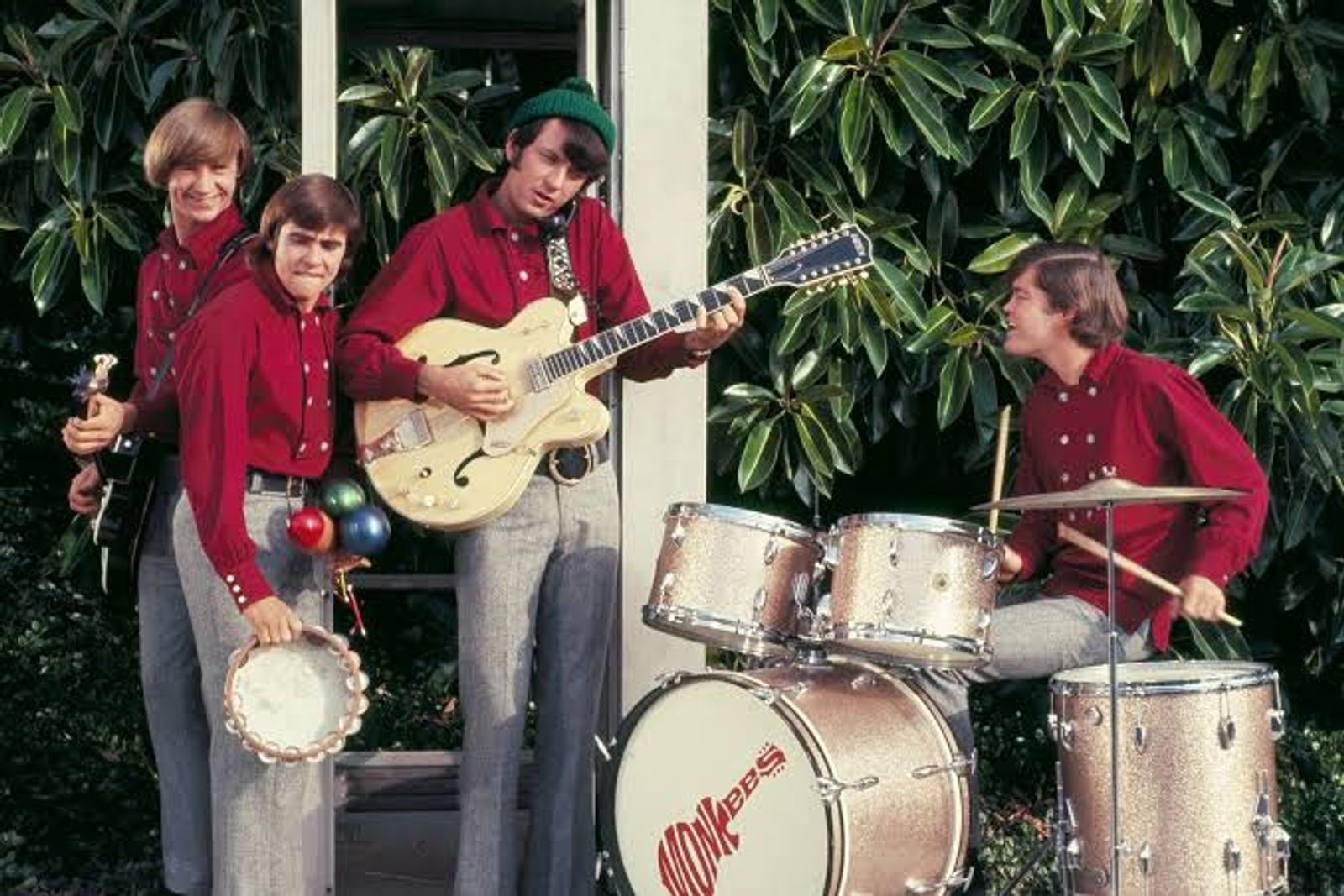
Every instrument serves the melody instead of competing with it.
That careful balance allows the song to remain fresh despite being nearly six decades old.
When The Monkees first appeared, critics often dismissed them as a television creation rather than a genuine band.
Yet songs like “Daydream Believer” gradually proved that memorable music ultimately speaks louder than criticism.
Audiences weren’t interested in industry debates.
They simply loved songs that made them feel good.
This recording accomplished that with remarkable consistency.

Released near the end of 1967, it quickly climbed the charts and became one of the group’s defining classics.
Its success reflected more than commercial popularity.
It revealed how deeply listeners connected with its message of quiet optimism.
The late sixties were filled with enormous cultural change, uncertainty, and shifting expectations.
Against that backdrop, “Daydream Believer” offered something surprisingly comforting.
It reminded people that happiness didn’t always require extraordinary circumstances.
Sometimes it simply required the right person sitting beside you and the willingness to dream together.
That message remains just as meaningful today.
Modern life moves faster than ever before, leaving little room for quiet reflection.
Yet this song gently encourages listeners to slow down for a few precious minutes.
Its warmth feels almost therapeutic in a world overflowing with constant distractions.
Every listen becomes a brief escape into a simpler time.
Many fans remember hearing it through car radios, family record players, or old television broadcasts.
Others discovered it decades later through streaming playlists, classic movie soundtracks, or recommendations from parents and grandparents.

Regardless of how people first encounter the song, the emotional response is often remarkably similar.
They leave with a smile they didn’t realize they needed.
That universal reaction is no accident.
Great songs rarely depend on complicated production or fashionable trends.
Instead, they rely on honest emotion delivered with complete sincerity.
Davy Jones understood exactly how to communicate that sincerity.
His voice never demands attention.
It simply earns it through warmth, authenticity, and unmistakable personality.
Every verse feels like a friendly conversation rather than a polished performance.
That approachable quality has helped the song age with extraordinary grace.
Even listeners unfamiliar with The Monkees often recognize the chorus almost instantly.
It has become woven into popular culture through films, television shows, commercials, and countless nostalgic playlists.
Yet repeated exposure has never diminished its magic.
If anything, familiarity has strengthened its emotional connection across generations.
The song reminds us that optimism never truly goes out of style.
Hope sounds just as beautiful today as it did in 1967.
In an era when so many songs chase complexity, “Daydream Believer” quietly proves that simplicity often carries the deepest emotional weight.
Its melody asks nothing from the listener except an open heart.
In return, it offers three unforgettable minutes filled with warmth, comfort, and timeless charm.
Few recordings capture everyday happiness with such effortless elegance.
Even fewer continue inspiring smiles nearly sixty years after they were first recorded.
Read more stories
- He Was Rejected By His Own Mom And Raised To Think ‘Women Are Evil’ But He Became A Legendary Rockstar
- TOBY KEITH RECORDED SOME OF THE BIGGEST PATRIOTIC ANTHEMS IN COUNTRY MUSIC HISTORY—BUT HIS REAL LEGACY WAS BUILT ON MILITARY BASES WHERE NO CAMERAS WERE ROLLING.
- [Video]: The One-Take Hit That Took Over Rock Radio
- The Box Tops’ “The Letter” Captures Lightning in a Bottle and Redefines Blue-Eyed Soul in 1967-2