Celebrities & Music
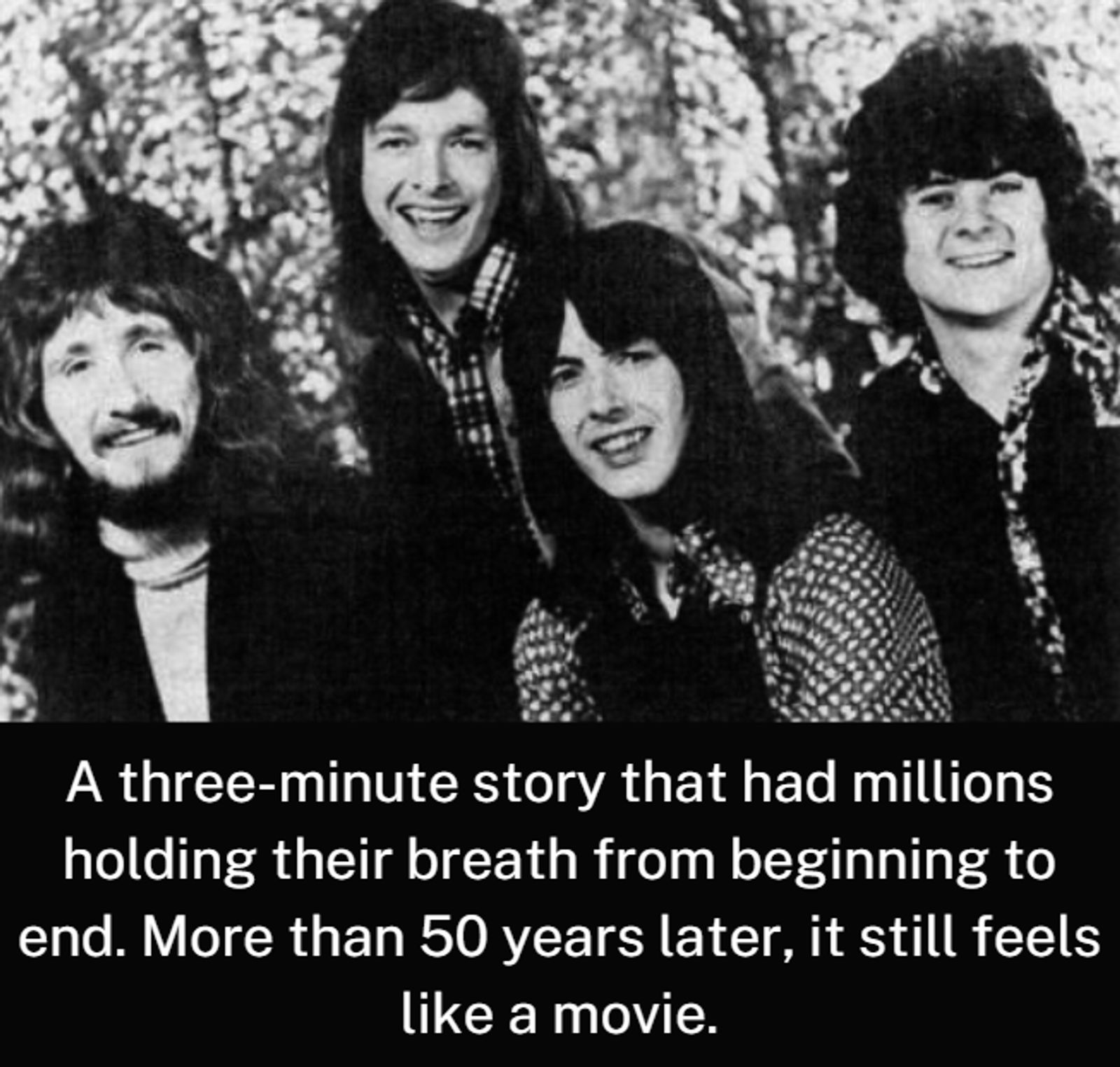
A three-minute story that had millions holding their breath from beginning to end. More than 50 years later, it still feels like a movie.
The article explores the enduring impact of Paper Lace’s song “The Night Chicago Died,” highlighting its unique storytelling and emotional resonance that captivates listeners even decades later.
When “The Night Chicago Died” climbed the charts in 1974, it immediately sounded like more than just another pop song because it felt like a dramatic story waiting to unfold.
From the opening lines, Paper Lace transported listeners into a tense night filled with sirens, uncertainty, and whispered prayers.
Instead of focusing on romance or heartbreak, the band built an unforgettable narrative around fear, family, and the hope that someone you love will return home safely.
That unusual approach helped the song stand apart from countless radio hits of its era.
The lyrics paint vivid pictures of a city caught in chaos, where every passing minute feels heavier than the one before.
Although the story is fictional and historically inaccurate, the emotions inside it remain surprisingly believable.
Listeners were never searching for historical facts when they played the record.
They were searching for the suspense, the atmosphere, and the emotional pull hidden within every verse.
Paper Lace understood that sometimes a great song doesn’t need absolute truth to tell an unforgettable story.
It simply needs characters that audiences care about and a melody that keeps them listening until the very last note.
The narrator’s growing anxiety becomes the emotional center of the entire recording.
As reports of gunfire spread through Chicago, one terrifying question hangs over every lyric.
Could the narrator’s father, a police officer, be among those caught in the violence?
That single question creates remarkable tension throughout the song without relying on complicated storytelling.
Each verse slowly raises the emotional stakes while refusing to reveal the answer too quickly.
Long before streaming platforms rewarded listener retention, Paper Lace instinctively understood how suspense could keep audiences completely engaged.
Even after countless listens, many fans still find themselves leaning into every chorus with the same quiet anticipation.
Musically, the record balances drama with remarkable accessibility.

Its steady rhythm, memorable melody, layered harmonies, and polished production create an atmosphere that feels cinematic without becoming overwhelming.
The chorus arrives with just enough power to release the tension built throughout each verse.
That balance between storytelling and melody became one of the song’s greatest strengths.
Unlike many novelty records, “The Night Chicago Died” never feels like it exists only because of its unusual premise.
The emotional core gives the song a lasting warmth that continues to resonate decades later.
Released during the mid-1970s, the recording found an audience eager for songs that painted vivid pictures rather than repeating predictable love stories.
Listeners could close their eyes and imagine flashing police lights, crowded streets, and worried families waiting through the darkness.
Very few pop songs of the period managed to create such detailed mental images in just a few minutes.
Perhaps that explains why the record has remained memorable long after many other chart-toppers faded from public memory.
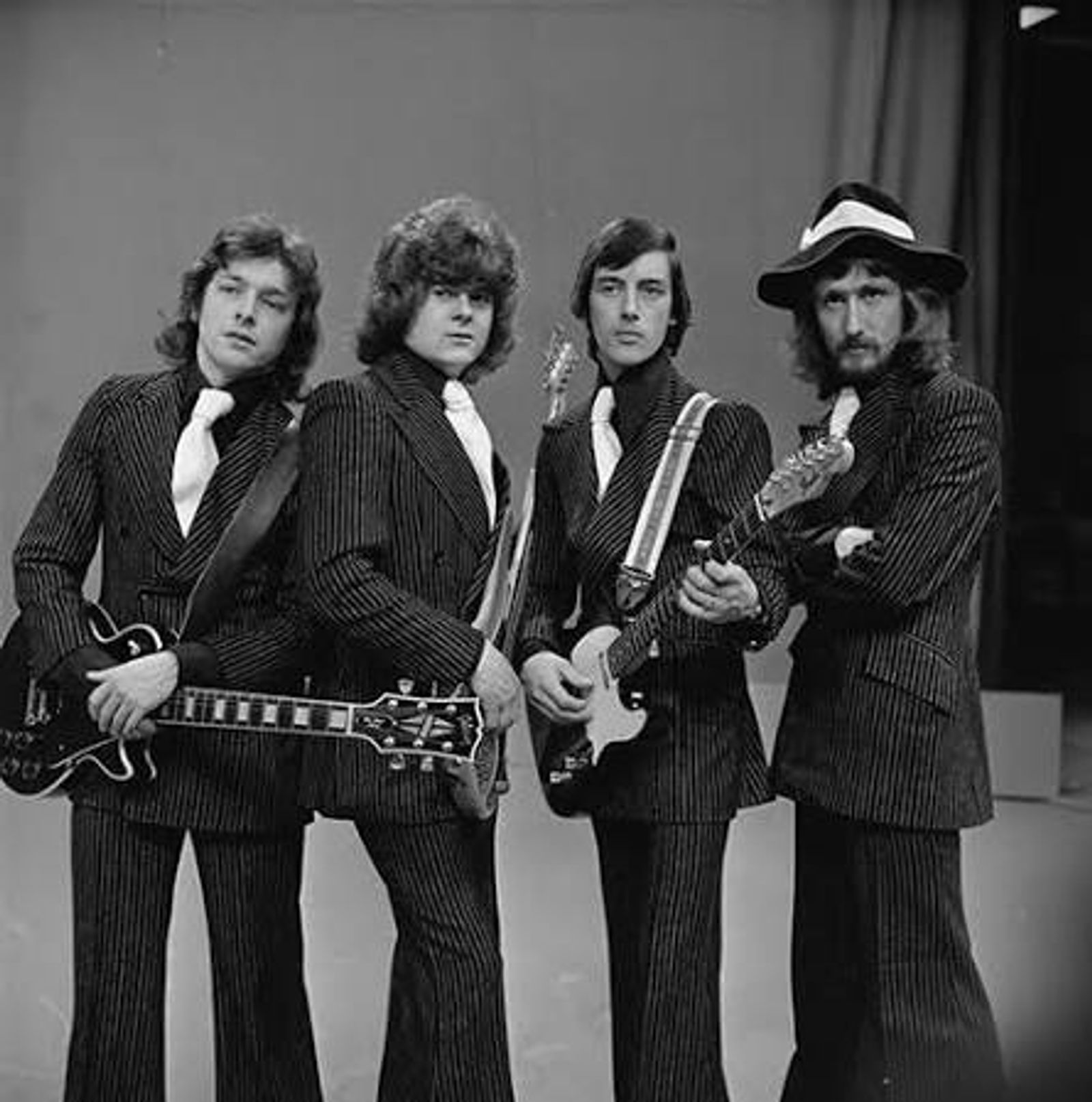
Its success also introduced millions of listeners to Paper Lace, a British group capable of combining catchy melodies with surprisingly ambitious storytelling.
Ironically, many American listeners assumed the band was from the United States because the performance felt so convincingly rooted in American imagery.
That cross-cultural curiosity only added another fascinating layer to the song’s enduring appeal.
Over the years, historians have often pointed out that the events described never actually happened the way the lyrics suggest.
Chicago’s famous gang conflicts and Al Capone’s era simply don’t match the timeline presented in the song.
Yet that historical mismatch has never diminished its popularity.
Instead, it has become part of the song’s unique personality and lasting charm.
Fans rarely remember it because of historical accuracy.
They remember it because of how it made them feel during those unforgettable three minutes.
The combination of suspense, hope, and relief creates an emotional journey that remains satisfying every single time.
By the final moments, listeners finally breathe again as the uncertainty begins to disappear.
That emotional release feels earned because the story patiently builds toward it instead of rushing to the ending.
Great storytelling always rewards patience, and Paper Lace understood that remarkably well.
The arrangement itself deserves far more recognition than it usually receives.
Subtle instrumentation supports the narrative without distracting from the unfolding drama, allowing every lyric to remain crystal clear.
The harmonies add warmth while quietly reinforcing the emotional weight carried by the lead vocal.
Nothing feels excessive because every musical decision serves the story first.
That disciplined production is one reason the recording still sounds engaging after more than fifty years.
Generations continue discovering “The Night Chicago Died” through classic radio, nostalgic playlists, films, and family music collections.
Many younger listeners are surprised that a song from 1974 can feel so much like a short cinematic experience.
Perhaps that is because human emotions never truly become outdated.
Fear for loved ones, hope during uncertainty, and relief after surviving difficult nights remain universal experiences.
The record reminds us that memorable songs are not always built on romance alone.
Read more stories
- He Was Rejected By His Own Mom And Raised To Think ‘Women Are Evil’ But He Became A Legendary Rockstar
- TOBY KEITH RECORDED SOME OF THE BIGGEST PATRIOTIC ANTHEMS IN COUNTRY MUSIC HISTORY—BUT HIS REAL LEGACY WAS BUILT ON MILITARY BASES WHERE NO CAMERAS WERE ROLLING.
- [Video]: The One-Take Hit That Took Over Rock Radio
- The Box Tops’ “The Letter” Captures Lightning in a Bottle and Redefines Blue-Eyed Soul in 1967-2