Celebrities & Music
This song was released in 1967 and became a powerful anthem for equality and empowerment
This article celebrates Aretha Franklin’s iconic song “Respect,” released in 1967, highlighting its enduring impact as an anthem for equality and empowerment.
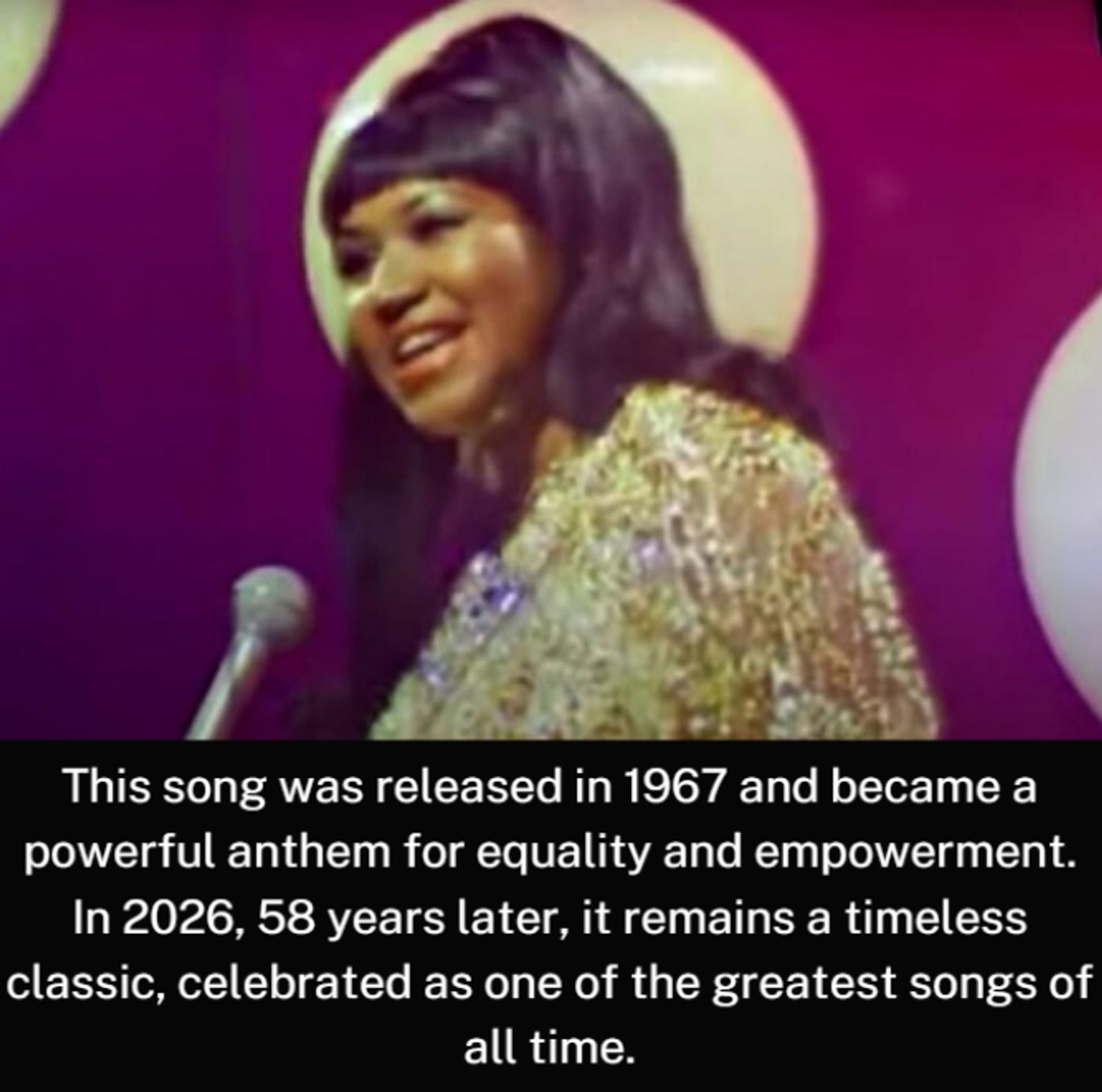
This song was released in 1967 and became a powerful anthem for equality and empowerment. In 2026, 58 years later, it remains a timeless classic, celebrated as one of the greatest songs of all time.
When the opening horns of “Respect” burst through the speakers in 1967, the world instantly knew it was about to hear something unforgettable.
Few songs have ever announced themselves with such confidence, power, and undeniable purpose from their very first second.
Although Otis Redding wrote and first recorded the song, it was Aretha Franklin who transformed it into a cultural milestone that reached far beyond music.
With one extraordinary performance, she didn’t simply sing the lyrics—she completely redefined what they meant.
Her voice carried the authority of someone who had earned every word she was about to deliver.
There was no hesitation, no uncertainty, and certainly no apology in the way she demanded respect.
That fearless delivery immediately separated the recording from nearly everything else on the radio.
It wasn’t just another soul hit climbing the charts but a statement that echoed through homes, streets, and generations.
Even today, more than half a century later, those opening notes still have the power to command a room.
Listeners who weren’t even born during the 1960s somehow recognize that they are hearing history unfold.
Part of that magic comes from Aretha Franklin’s remarkable ability to balance strength with genuine emotion.
She never sounds angry for the sake of being loud, nor vulnerable for the sake of sympathy.
Instead, every phrase feels rooted in dignity, conviction, and complete self-belief.
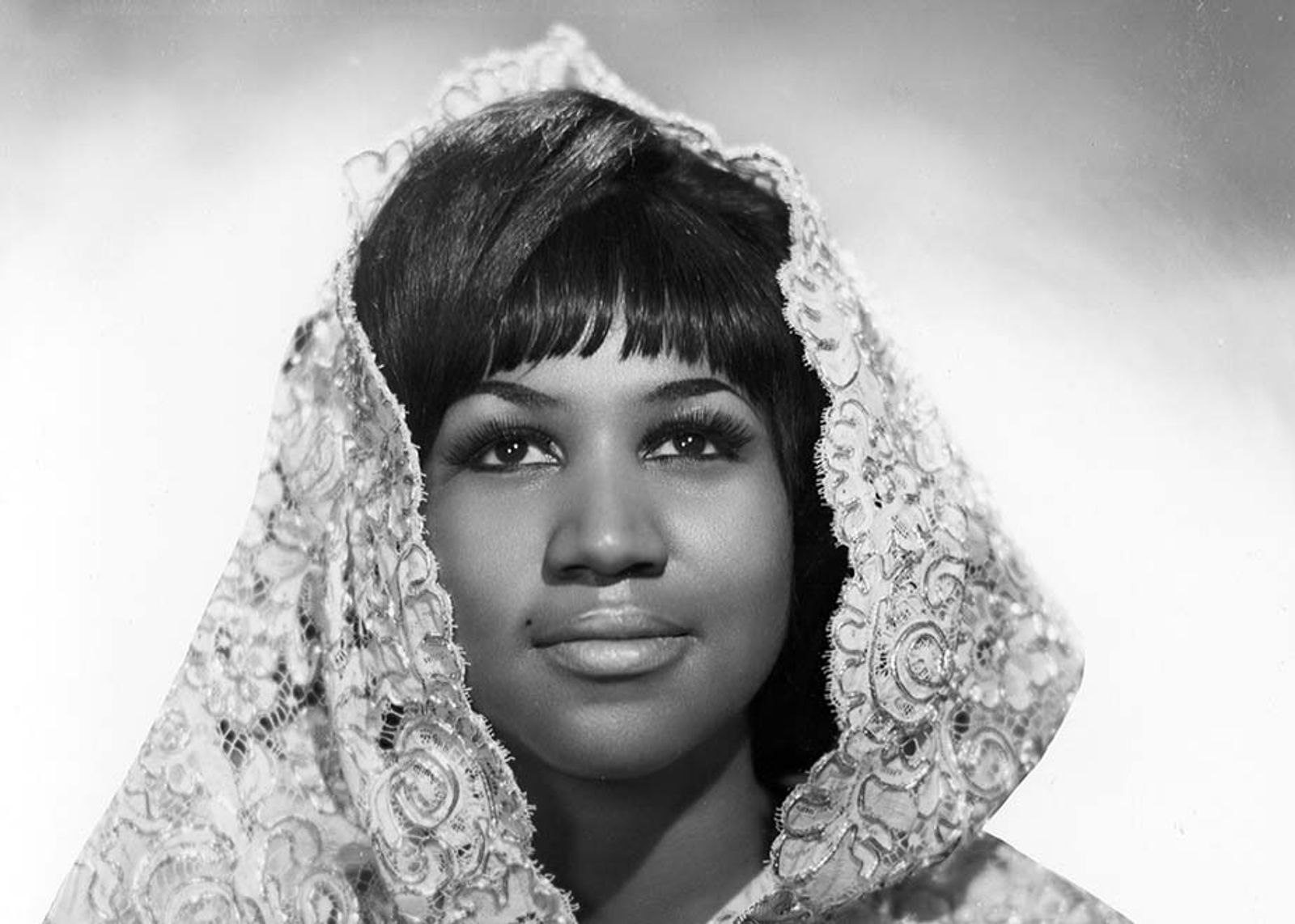
That emotional honesty gives the performance a timeless quality that refuses to fade.
The famous spelling of “R-E-S-P-E-C-T” quickly became one of the most recognizable moments in popular music.
It was simple enough for everyone to sing along, yet powerful enough to become an unforgettable declaration.
Then came the unforgettable “sock it to me” backing vocals that added energy without distracting from Aretha’s commanding presence.
Together, those elements turned a great soul recording into one of the most iconic songs ever made.
The musicians behind the performance deserve enormous credit for creating such irresistible momentum.
The driving rhythm section, bright horns, crisp guitar, and lively piano surround Aretha without ever overshadowing her.
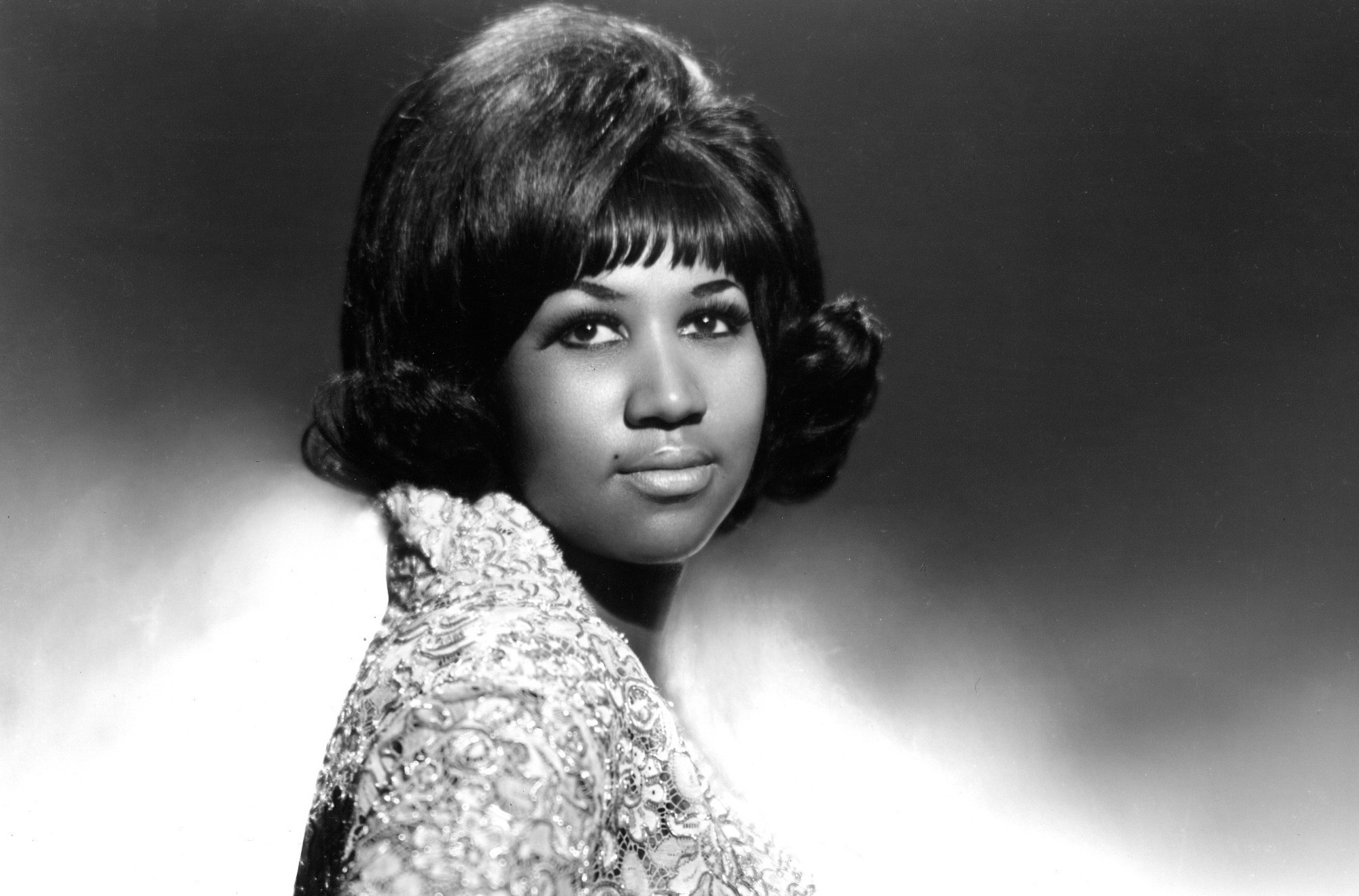
Everything feels perfectly balanced, allowing her voice to remain the undeniable center of attention.
It is the kind of arrangement that sounds effortless even though every note serves a precise purpose.
In the summer of 1967, America was experiencing profound social and cultural transformation.
People were questioning traditions, demanding equality, and searching for voices that reflected their own hopes.
“Respect” arrived at exactly the right moment to capture that changing spirit.
While the song speaks about a relationship, its message quickly expanded far beyond romance.
Women heard empowerment in every line, and countless listeners found their own stories within its chorus.
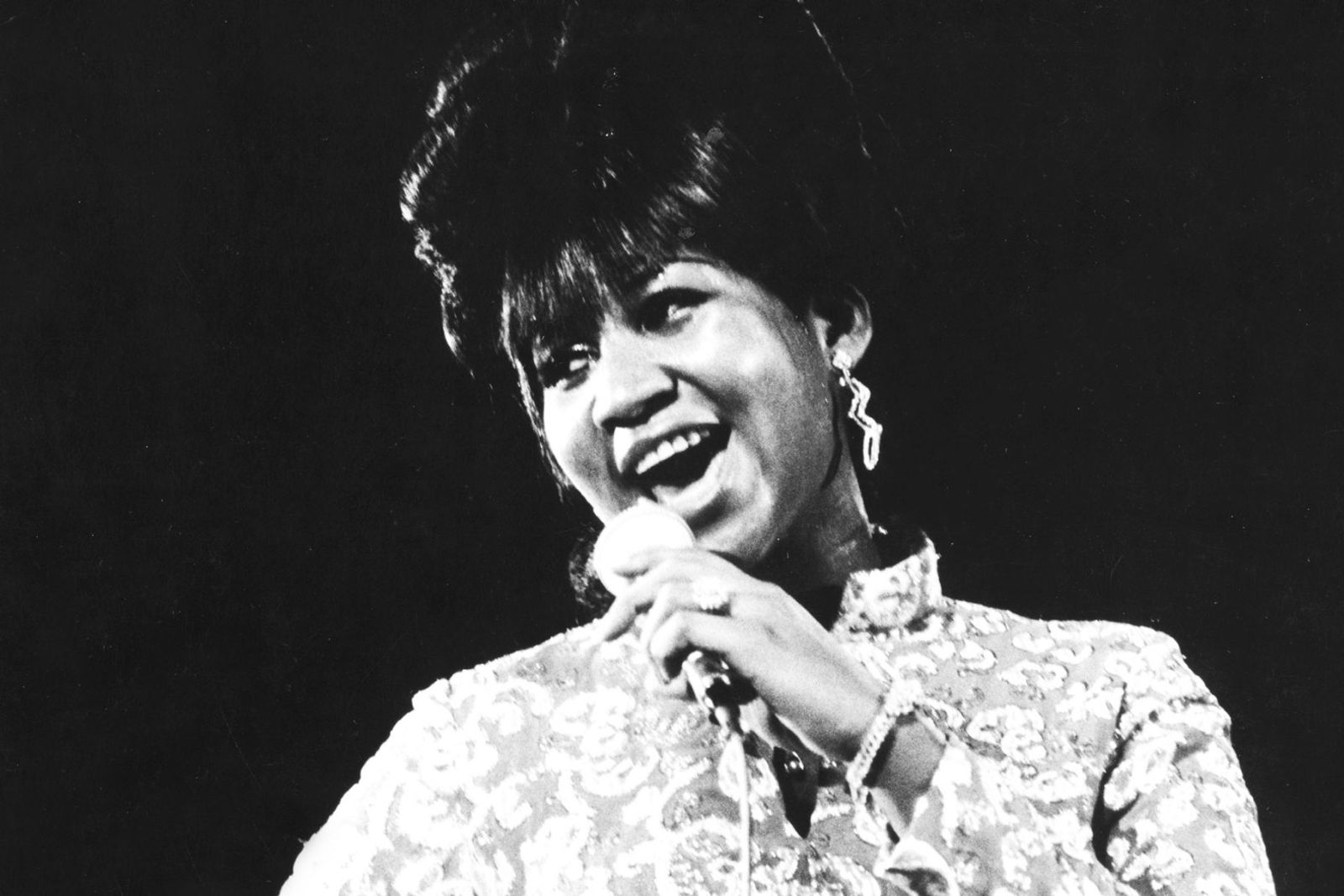
It became an anthem for dignity, equality, and self-worth without ever sacrificing its irresistible musical groove.
Very few recordings manage to inspire both dancing and deep reflection at exactly the same time.
That rare combination explains why “Respect” has remained relevant through every passing decade.
The song has appeared in films, documentaries, television shows, political events, and countless live performances.
Yet no reinterpretation has ever matched the electricity of Aretha Franklin’s original recording.
Perhaps that is because some performances cannot truly be copied.
They belong completely to the artist who breathed life into them.

Aretha didn’t merely perform the song—she became the song.
Her phrasing, vocal runs, and emotional intensity turned familiar lyrics into something entirely new.
Every time she reaches the chorus, she sounds as though she believes every listener deserves to be heard.
That universal message continues to resonate regardless of age, nationality, or background.
People may come to the recording because of its legendary reputation, but they stay because of its extraordinary humanity.
Behind all the musical brilliance lies a simple truth that everyone understands.
Every person wants appreciation, kindness, and the dignity that comes from genuine respect.

The song expresses that truth with remarkable clarity while never sounding preachy or complicated.
Its brilliance comes from saying something profound in language that everyone immediately understands.
Generations of singers have studied Aretha Franklin’s vocal technique in hopes of capturing even a fraction of her emotional depth.
Many have admired it, but few have approached its extraordinary combination of power and grace.
Her performance reminds us that technical perfection means very little without genuine feeling.
Every note carries lived experience, unwavering confidence, and remarkable emotional intelligence.
That authenticity explains why “Respect” still feels astonishingly fresh after nearly sixty years.

Musical styles have evolved, recording technology has advanced, and countless trends have come and gone.
Yet this recording remains as vibrant today as it sounded pouring from transistor radios in 1967.
Its heartbeat has never slowed because its message has never stopped mattering.
For some listeners, it recalls youthful summers filled with hope and endless possibility.
For others, it serves as their very first introduction to one of the greatest voices popular music has ever known.
Either way, the experience is unforgettable from beginning to end.
The greatest classics never ask for our attention because they naturally earn it.