
Celebrities & Music
This song is only a few minutes long… but the lesson it carries about staying true to yourself stays with you for a lifetime. – Page 2 of 2 – StoryPulse
This article explores the enduring lessons of staying true to oneself through the lens of iconic songs and the personal stories of artists like Jim Carrey and Leighton Meester.

Chapter 1: The Song That Turned Disappointment Into Wisdom
When Ricky Nelson released “Garden Party” in 1972, he wasn’t chasing a hit—he was telling a story.
The inspiration came from a real experience at Madison Square Garden, where Nelson appeared at a revival concert filled with fans eager to relive the past. But when he performed newer material instead of the songs they expected, the reaction was far from welcoming.
For many artists, a moment like that could have been crushing.
Instead, Nelson turned it into one of the most honest songs of his career.
Rather than responding with anger or resentment, he chose reflection. “Garden Party” feels less like a performance and more like a conversation, exploring the difficult balance between who people expect you to be and who you truly are.
“There’s a lesson in every mistake, and a truth in every disappointment.”
With its relaxed country-rock arrangement and thoughtful lyrics, the song transformed a painful experience into something universal. Anyone who has ever felt pressured to live up to someone else’s expectations can recognize themselves in its message.
More than fifty years later, that honesty is exactly what makes the song endure.
Chapter 2: Watch the Video Here →
This song is only a few minutes long… but the lesson it carries about staying true to yourself stays with you for a lifetime.
Buck Owens’ Spirited Performance in “Act Naturally”

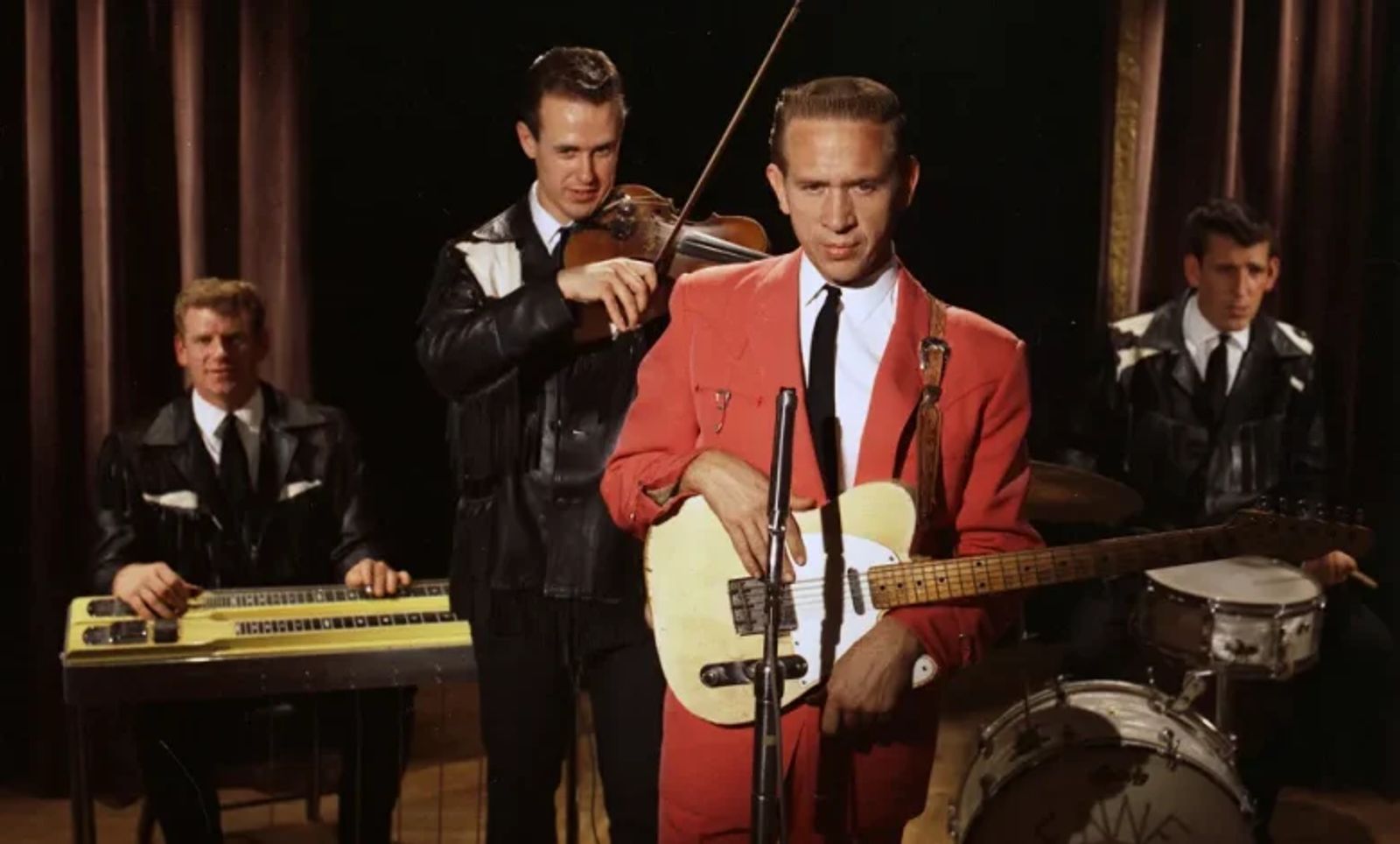
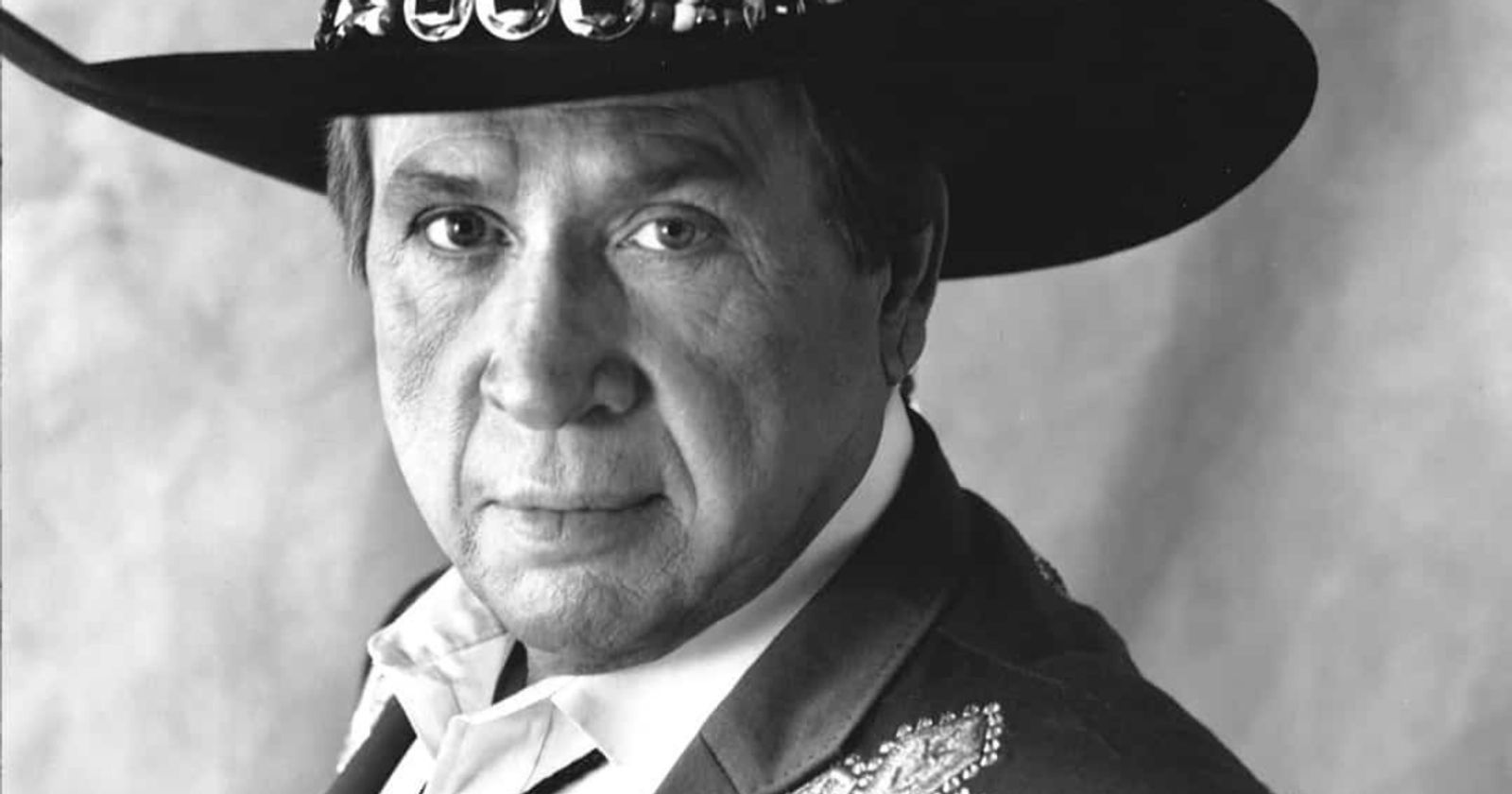
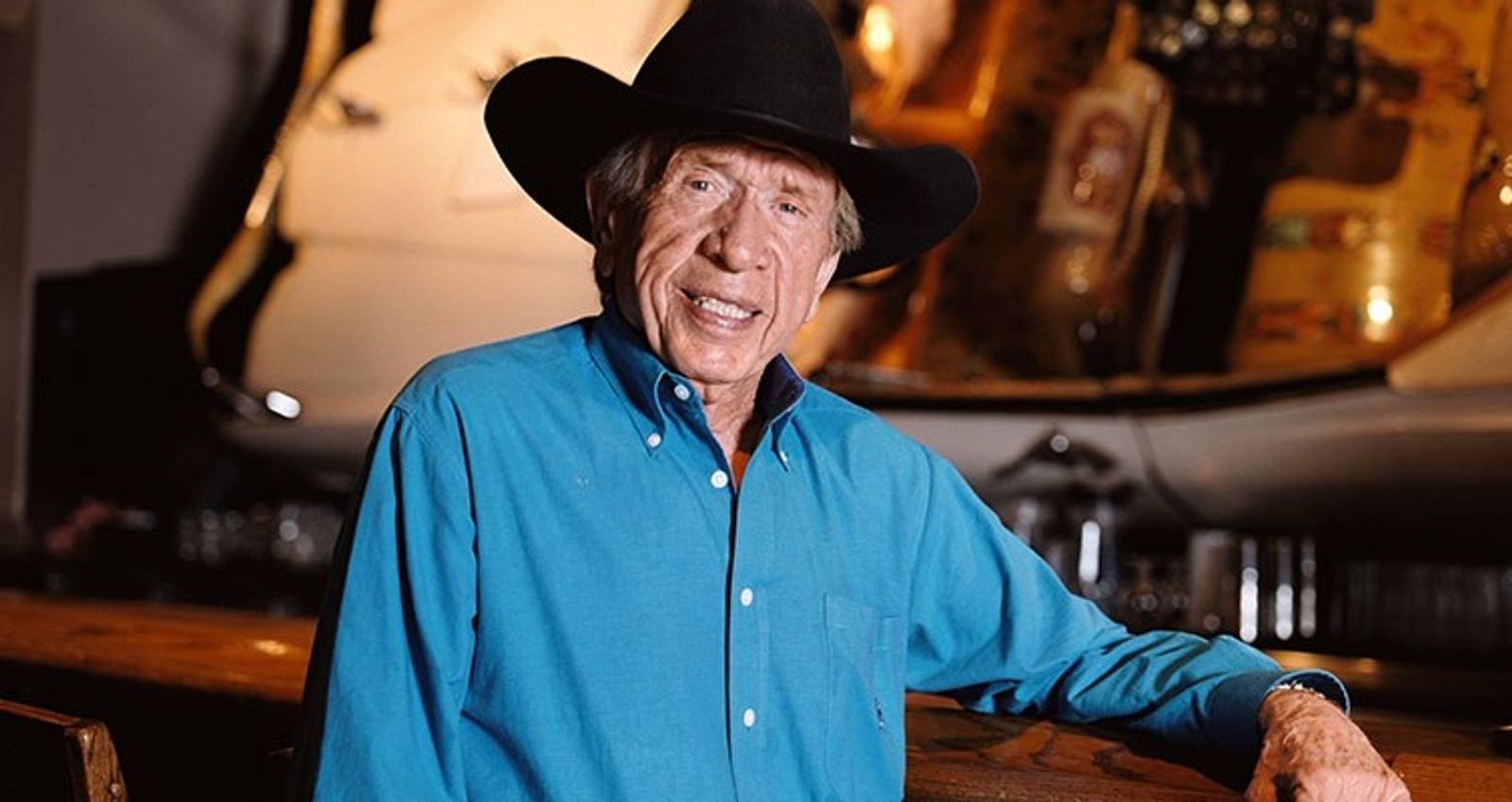
“Act Naturally” is a classic country song that was written by Johnny Russell and Voni Morrison. The song was first recorded by Buck Owens and the Buckaroos in 1963. It became one of Buck Owens’ most successful and iconic songs.
The lyrics of “Act Naturally” tell the story of a man who has been dumped by his lover. Rather than wallowing in self-pity, he decides to “act naturally” and pretend that he’s not heartbroken. The song humorously explores the idea of putting on a brave face and pretending everything is fine even when it’s not.
Buck Owens’ recording of “Act Naturally” features his distinctive Bakersfield sound, characterized by twangy telecaster guitars and a driving beat. The song’s upbeat tempo and catchy melody contributed to its widespread popularity.
“Act Naturally” became a massive hit for Buck Owens, reaching number one on the Billboard Hot Country Singles chart in 1963. The song’s success helped solidify Owens’ standing as a leading figure in the country music scene during the 1960s and 1970s.
The song has since been covered by numerous artists, including a famous duet version by Ringo Starr and Buck Owens in 1989. “Act Naturally” remains a beloved classic in country music, known for its clever lyrics, catchy tune, and the enduring appeal of Buck Owens’ unique musical style.
He Lived Out Of A Van With His Homeless Family And Dropped Out To Become A Janitor But Today He’s Everyone’s Favorite Actor
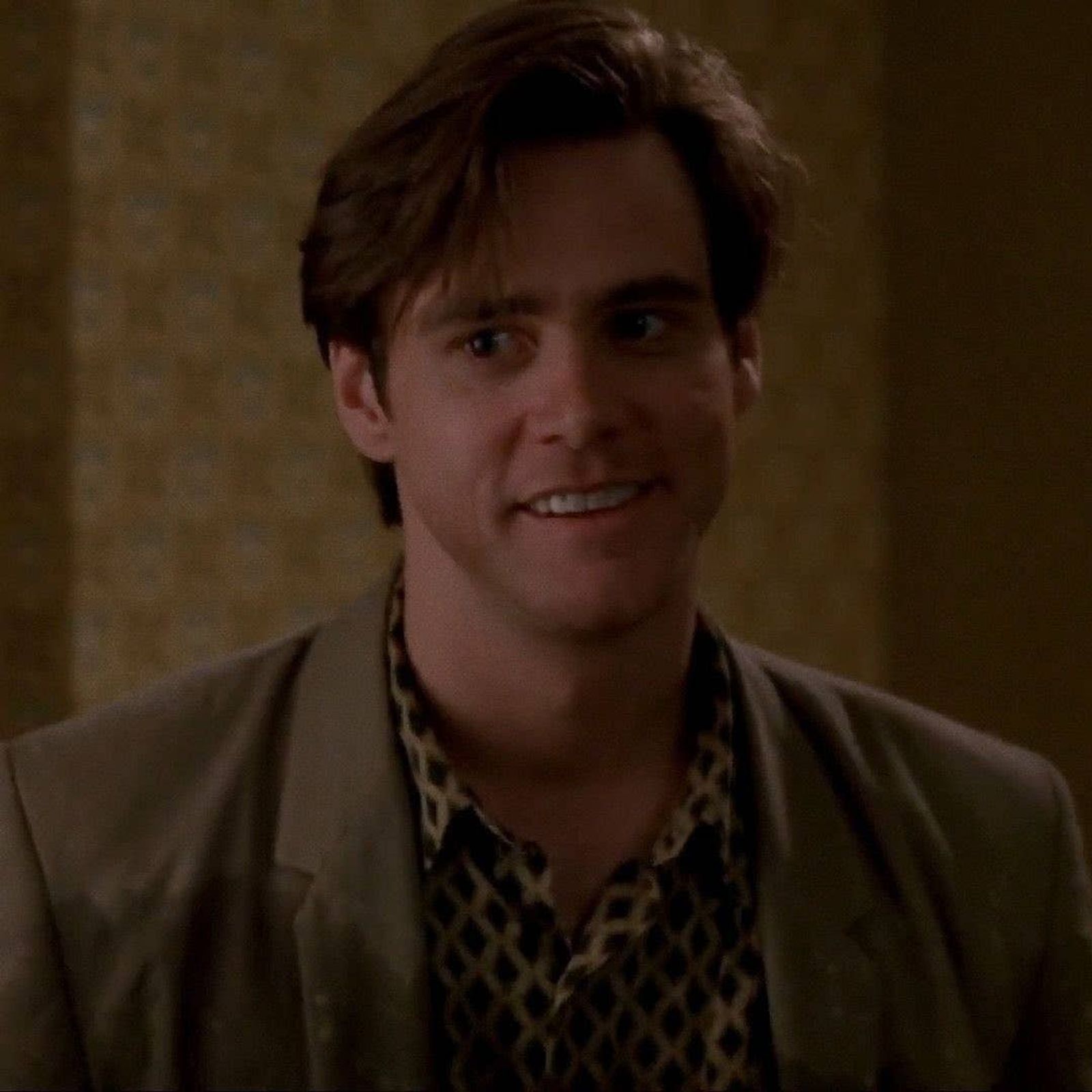
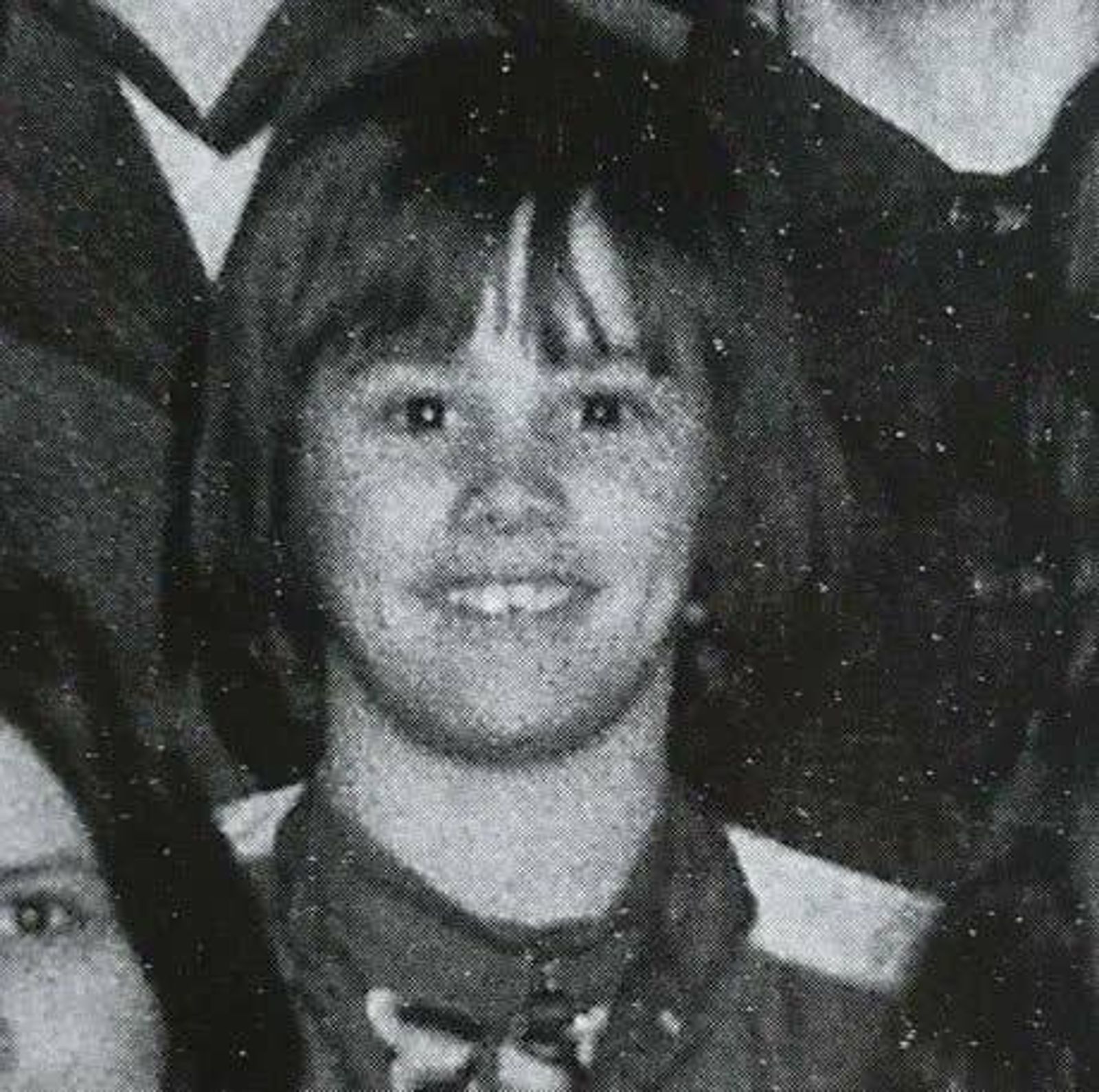
Before he became one of Hollywood’s biggest comedic stars, Jim Carrey faced a childhood marked by financial hardship and uncertainty. Today, the actor is known around the world for unforgettable performances in hit comedies such as Ace Ventura: Pet Detective, The Mask, and Dumb and Dumber, roles that helped turn his over-the-top humor and elastic expressions into a highly successful career. But long before the fame and fortune, Carrey’s family was struggling just to get by.
According to youth advocacy group Stand Up for Kids, Carrey was only 12 years old when his family’s financial stability collapsed. His father, who had worked as an accountant, lost his job, pushing the household from modest comfort into severe poverty. The sudden loss of income forced the family out of their home and into a yellow Volkswagen camper van.
For roughly eight months, the Carreys lived out of the vehicle, moving between campgrounds while searching for work. During that time, the entire family took on jobs—including janitorial work and security duties—to help keep food on the table.
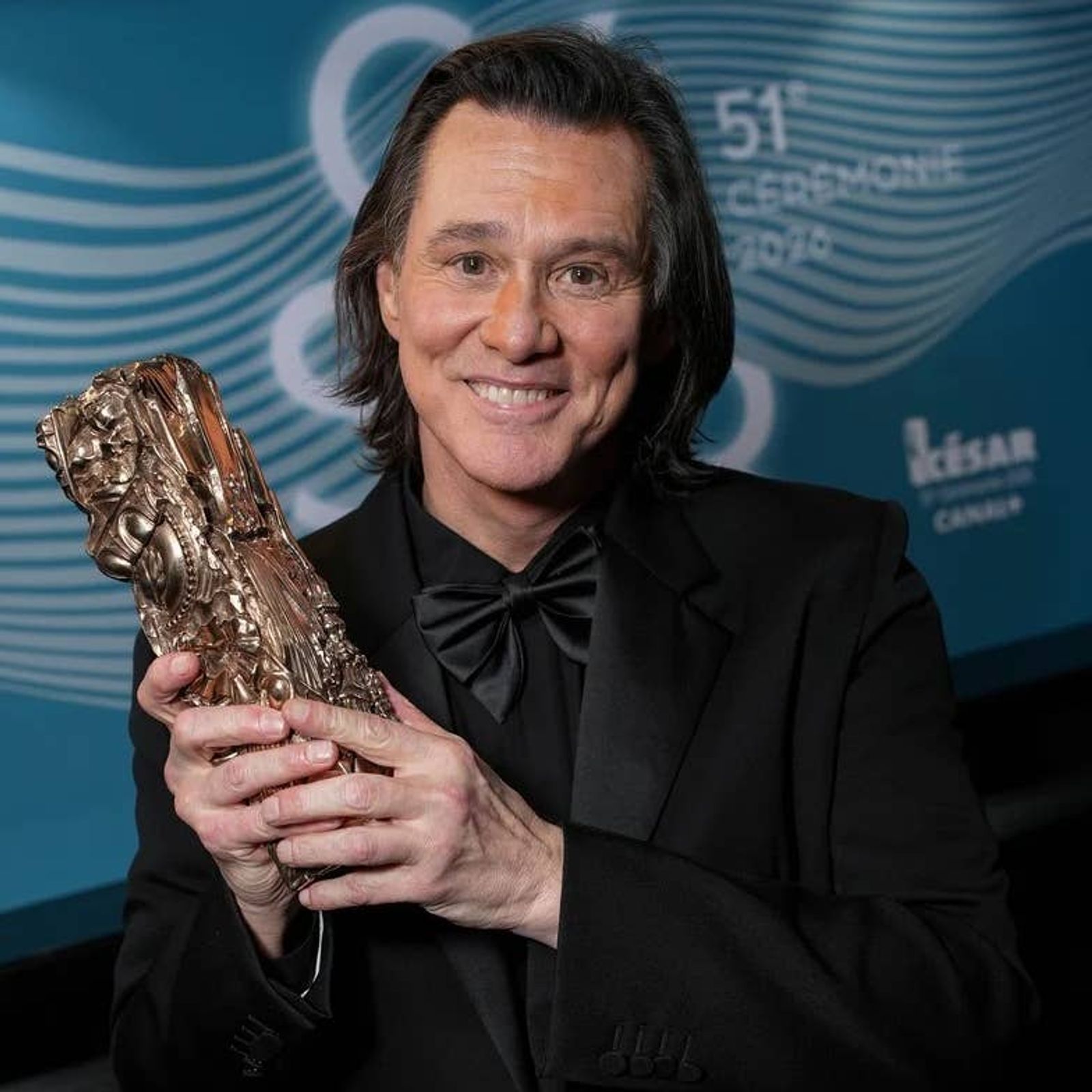
Years later, Carrey reflected on the situation with a touch of humor. He once joked that as a young boy growing up in Canada, he initially believed the family had simply gone on an extended camping trip. In reality, his parents were doing their best to shield their children from the painful reality of their financial crisis.
Eventually, the family found work at a tire factory, but survival required exhausting schedules. Carrey attended school during the day and then reported for long shifts at the factory during the night. The grueling routine began to take a serious toll.
Once a cheerful student who excelled academically, the teenage Carrey found himself struggling. The stress of poverty and endless work hours weighed heavily on him, affecting both his grades and his outlook on life.
At 16, Carrey made a major decision—he left high school on his birthday so he could work full-time as a janitor and help support his family. At the same time, he began turning to comedy as an escape from the pressures surrounding him.
He later said he felt enormous responsibility at a young age, believing he had to step up as the family faced difficult circumstances, including his mother’s struggles with pain medication.
Despite the hardships, Carrey found comfort in making others laugh. He frequently performed impressions and physical comedy at home to cheer up his ailing mother. Those early performances helped shape the energetic style that would later make him famous.

By the age of 15, Carrey was already performing stand-up routines in comedy clubs in Toronto, often with his father driving him to gigs despite the family’s financial struggles. His talent eventually opened doors, including opportunities to perform alongside legendary comedian Rodney Dangerfield.
Carrey later moved to Los Angeles, determined to make it in show business. During those early days chasing his dream, he famously wrote himself a check for $10 million for “acting services rendered,” keeping it in his wallet as motivation while he worked toward success.
His story—from a struggling teenager living in a van to a Hollywood star—shows how perseverance, creativity, and a sense of humor can help someone overcome even the toughest circumstances.

The Animals’ ‘The House of the Rising Sun’: A Pivotal Moment in the Evolution of Folk Rock in 1964
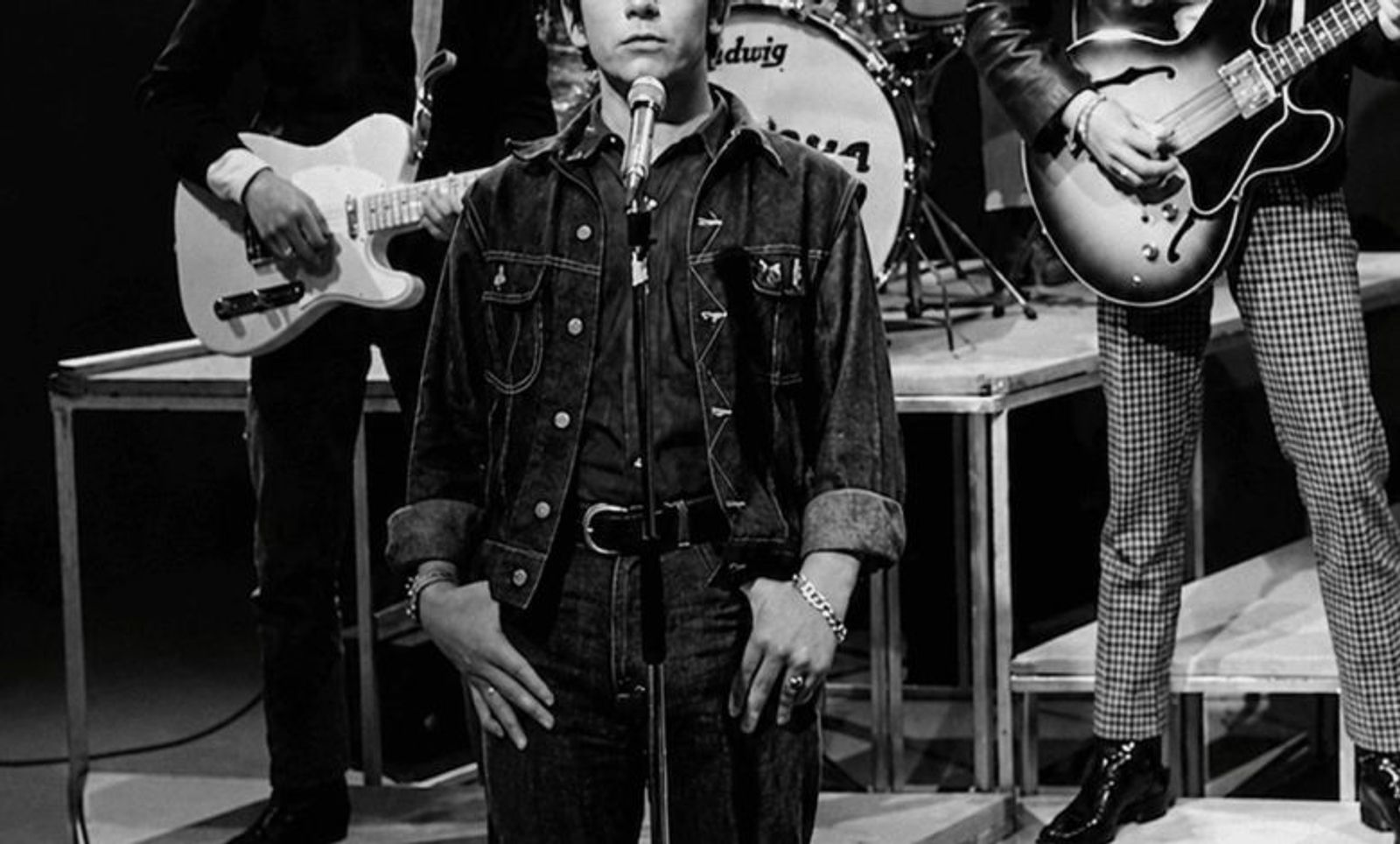
In 1964, The Animals released their unforgettable version of “The House of the Rising Sun,” transforming a traditional folk tune into a dark, electrifying rock anthem. The track soared to No. 1 in both the UK and US, marking a defining moment in the British Invasion.
With Eric Burdon delivering raw, gripping vocals and Hilton Valentine crafting the iconic arpeggiated riff, the song stood apart from the upbeat pop dominating the era. Its brooding tone and tragic storytelling gave rock music a deeper emotional edge.

“It wasn’t just a song—it was a mood, a story, and a revolution in sound.”
The Historical Roots of ‘The House of the Rising Sun’
Originally rooted in 18th-century folk tradition, ‘The House of the Rising Sun’ has a rich history, having been performed by notable artists such as Woody Guthrie and Lead Belly. These early renditions laid the groundwork for what would become a transformative piece in the music landscape.

The Animals’ Revolutionary Interpretation
However, it was The Animals’ one-take recording that reimagined the song entirely—blending haunting organ lines, powerful vocals, and electric intensity. This innovative approach not only revitalized the classic but also set a new standard for future interpretations.
The Impact on Folk Rock

The success of The Animals’ version played a crucial role in sparking the rise of folk rock, influencing legendary artists like Bob Dylan to embrace electrified sounds in their own music. This shift marked a significant evolution in the genre, merging traditional storytelling with contemporary musical elements.
“This wasn’t protest music shouting—it was sorrow echoing through every note.”
A Lasting Cultural Landmark
Decades later, ‘The House of the Rising Sun’ remains a cultural landmark, proving that storytelling, when paired with deep emotion and innovative sound, can transcend generations. Its legacy continues to inspire artists and resonate with audiences around the world.
Read more stories
- He Was Rejected By His Own Mom And Raised To Think ‘Women Are Evil’ But He Became A Legendary Rockstar
- TOBY KEITH RECORDED SOME OF THE BIGGEST PATRIOTIC ANTHEMS IN COUNTRY MUSIC HISTORY—BUT HIS REAL LEGACY WAS BUILT ON MILITARY BASES WHERE NO CAMERAS WERE ROLLING.
- [Video]: The One-Take Hit That Took Over Rock Radio
- The Box Tops’ “The Letter” Captures Lightning in a Bottle and Redefines Blue-Eyed Soul in 1967-2