
Celebrities & Music
Little Eva’s “The Loco-Motion” Ignites Dance Craze and Tops Charts in 1962 – StoryPulse
The article discusses how Little Eva’s song “The Loco-Motion” became a massive hit in 1962, transforming her from a babysitter into a star, and explores the cultural impact of the song and the dance craze it inspired.

Chapter 1: The Babysitter Who Accidentally Created a Dance Craze
When “The Loco-Motion” exploded onto the charts in 1962, few people realized the singer wasn’t an established star—she was a 17-year-old babysitter.
Little Eva, born Eva Narcissus Boyd, was working for legendary songwriting duo Gerry Goffin and Carole King when fate stepped in. After another artist passed on the song, Eva recorded the demo herself—and it was so infectious that it became the official release.
“The demo was so good… they never needed another singer.”

The result was pure magic. Powered by Eva’s joyful vocals and an irresistible beat, “The Loco-Motion” raced to No. 1 on the Billboard Hot 100, turning an unknown teenager into an overnight sensation. Even more remarkably, the dance became a nationwide craze despite not actually existing before the song was released. People simply invented the moves as they listened.
The record became one of the defining sounds of the early 1960s, proving that sometimes the biggest hits come from the most unexpected places.
Chapter 2: Watch the Video Here →
[EMBED:
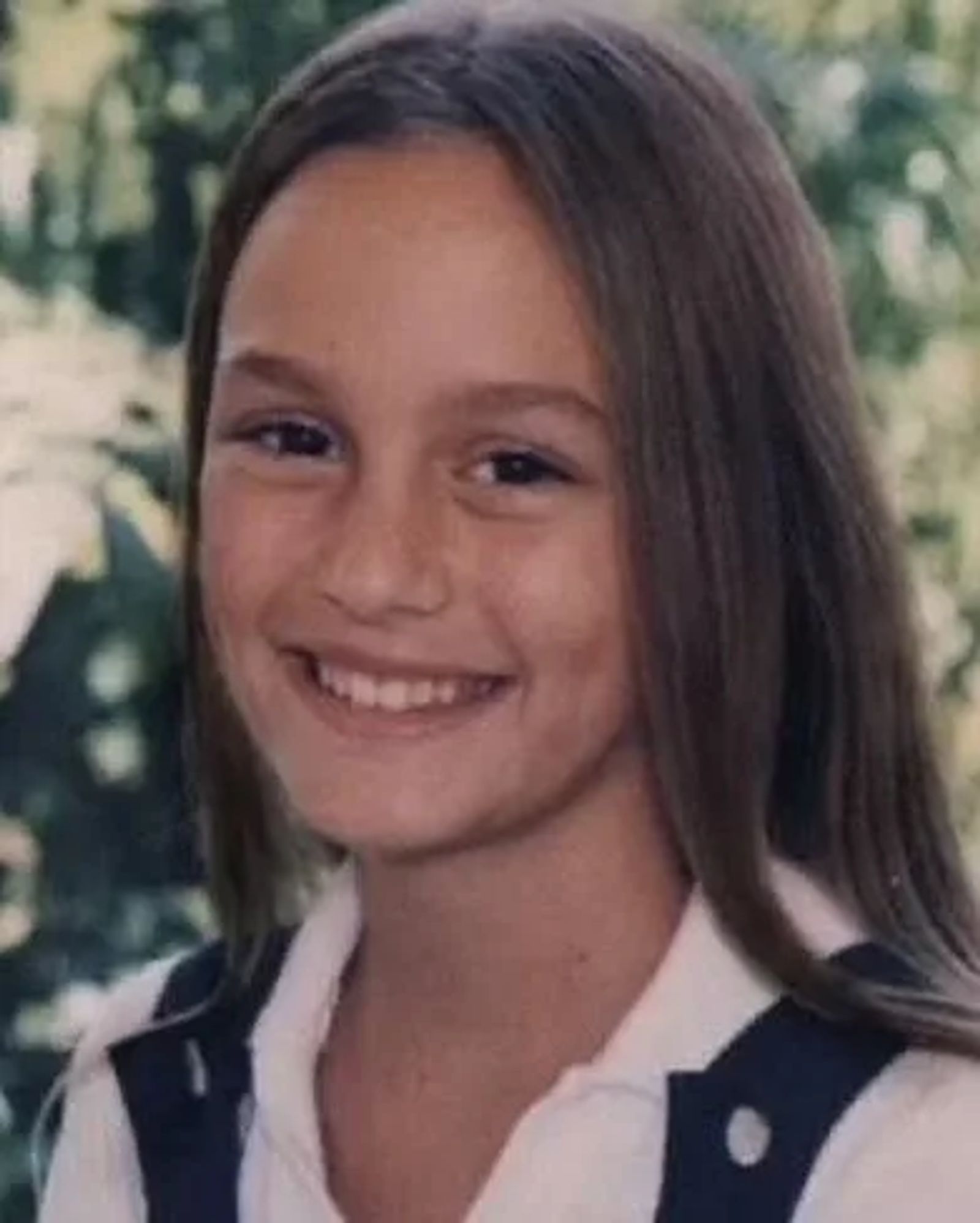
She Was Born While Her Mom Was In Prison But Now She's A Hollywood Icon And Married To Her Co-Star
Leighton Meester may always be remembered as Blair Waldorf — the impeccably dressed, sharp-tongued queen of Manhattan’s elite in “Gossip Girl” — but her real-life journey looks nothing like the privileged world she portrayed on screen. Far from the private schools and penthouses of the Upper East Side, Meester’s childhood was marked by instability, hardship, and a family history more dramatic than any TV plotline.

Meester’s story began under extraordinary circumstances. When she was born in 1986, both of her parents were serving federal prison sentences tied to a marijuana smuggling operation. Although she wasn’t physically born behind bars, her mother returned to prison shortly after giving birth, and Meester spent her first months living in a halfway house before her grandmother took custody in Florida. Several other relatives were also caught up in the trafficking case, adding more scandal to the family’s troubles.
Despite the turmoil, Meester broke into modeling at just 10 years old, landing jobs with major retailers after moving to New York. But the glamour was only surface-deep. She and her mother lived in cramped, low-budget apartments while Meester worked long hours to build her career. When they later moved to Los Angeles, money was still tight — so tight that she skipped her high school prom because the tickets were too expensive.
Her big break came with “Gossip Girl,” where Meester famously dyed her hair to secure the role of Blair instead of Serena. The show launched her into massive stardom, but it also made it harder for her to escape typecasting. Although she continued working steadily in TV and film, she never found a role as defining as Blair Waldorf.
Off screen, Meester was frequently the subject of tabloid rumors — from alleged feuds with co-star Blake Lively to speculation about her personal life. But behind the headlines, Meester faced a far more painful challenge: a bitter legal battle with her mother. The actress accused her mother of spending money meant for Meester’s medically fragile younger brother on cosmetic procedures. Her mother countersued with explosive allegations, but a judge ultimately sided with Meester, ruling she owed her mother nothing.

The dispute deeply damaged their relationship and raised questions about the care of Meester’s brother, whom she had hoped to bring into her own home. His current situation remains unclear.
Despite the turmoil, Meester has built a stable life as an actress, musician, wife, and mother — far removed from the family chaos she came from. Her rise to fame may look effortless from the outside, but the reality is a testament to resilience, hard work, and a determination that Blair Waldorf herself would admire.
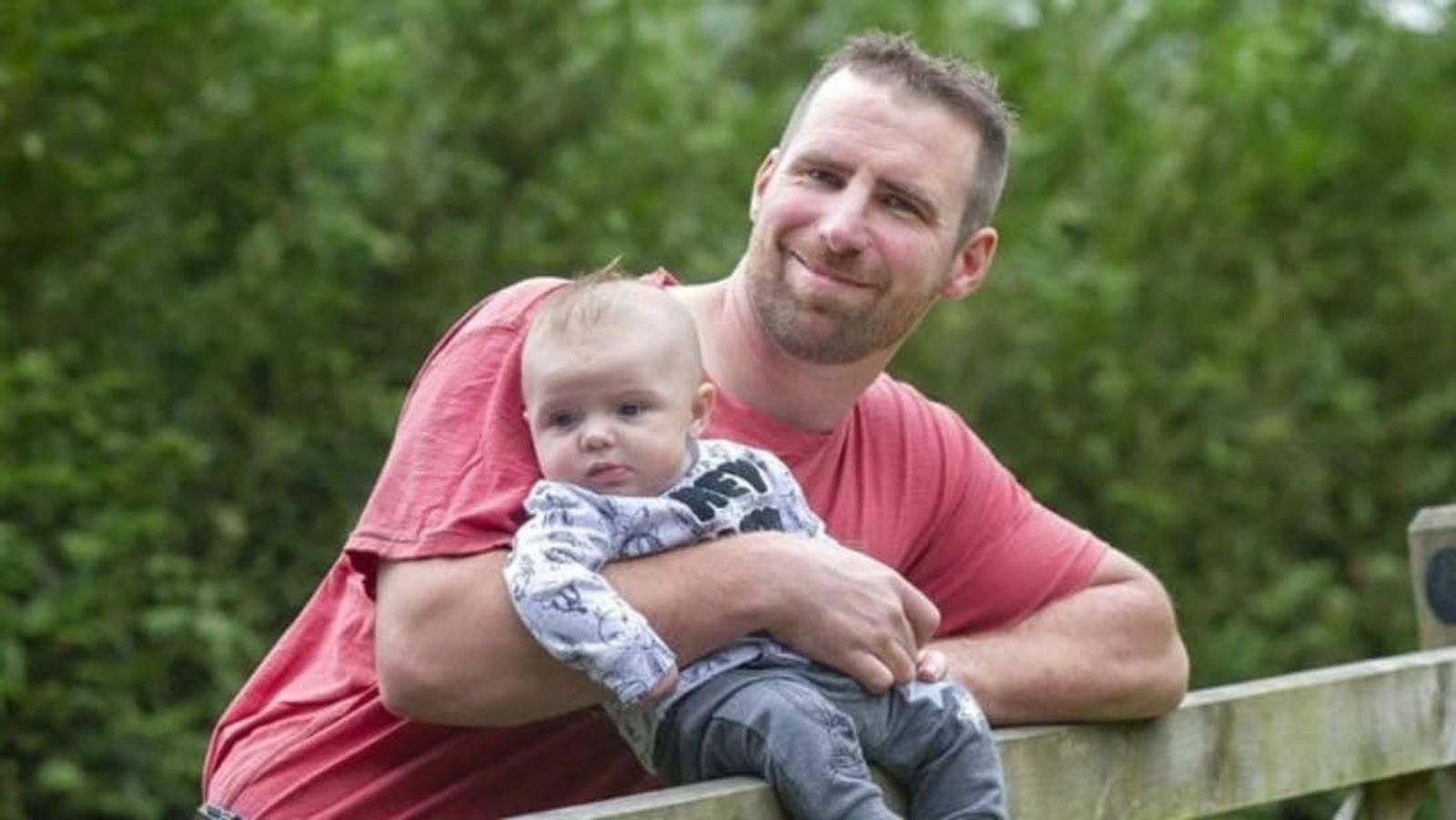
Parents Finally Win Battle To Call Their Baby This 'Banned Name' That's Sparking Outrage
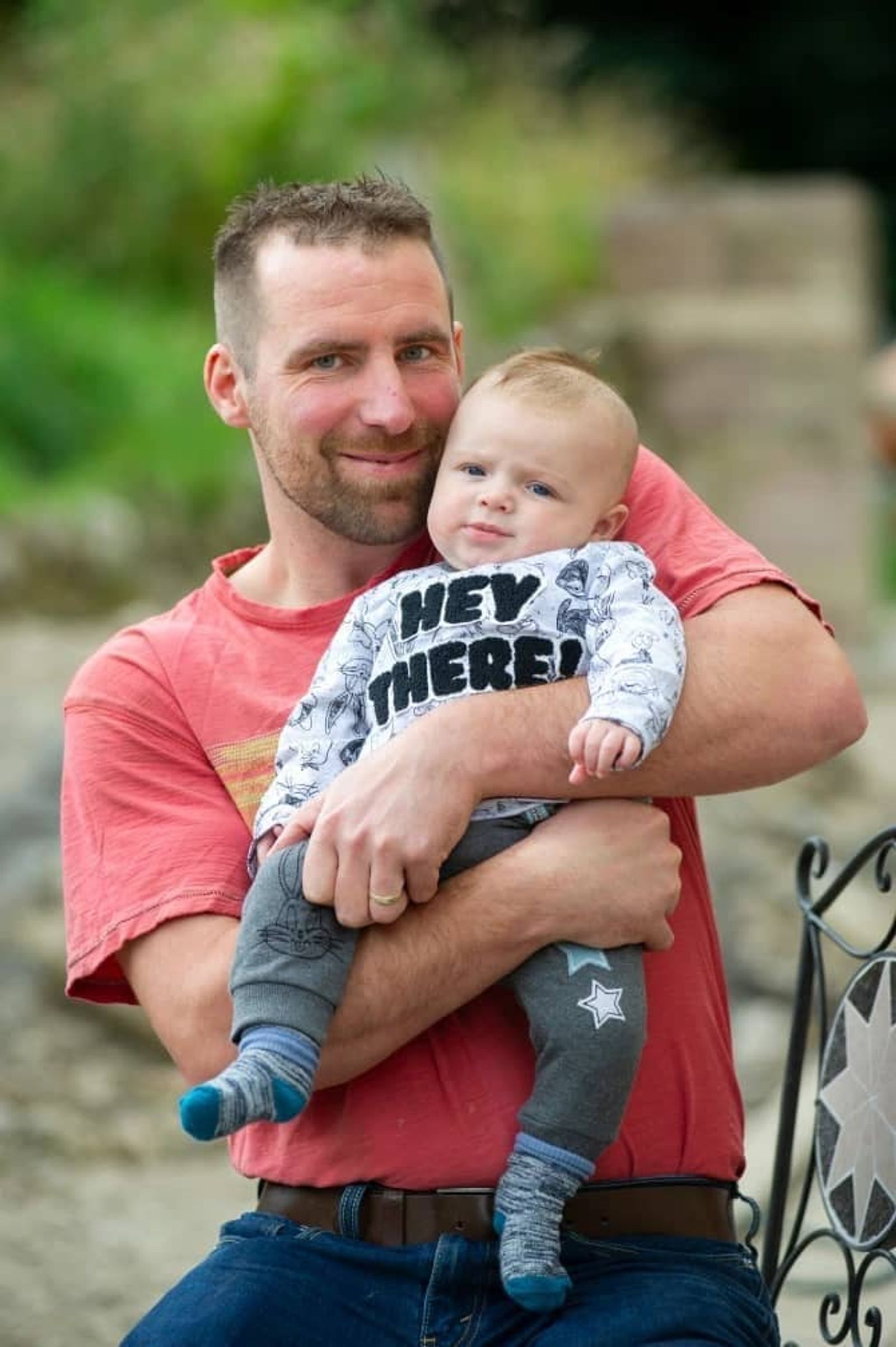
A British couple says what should have been a joyful milestone turned into a tense confrontation after they chose an unconventional name for their newborn son: Lucifer.
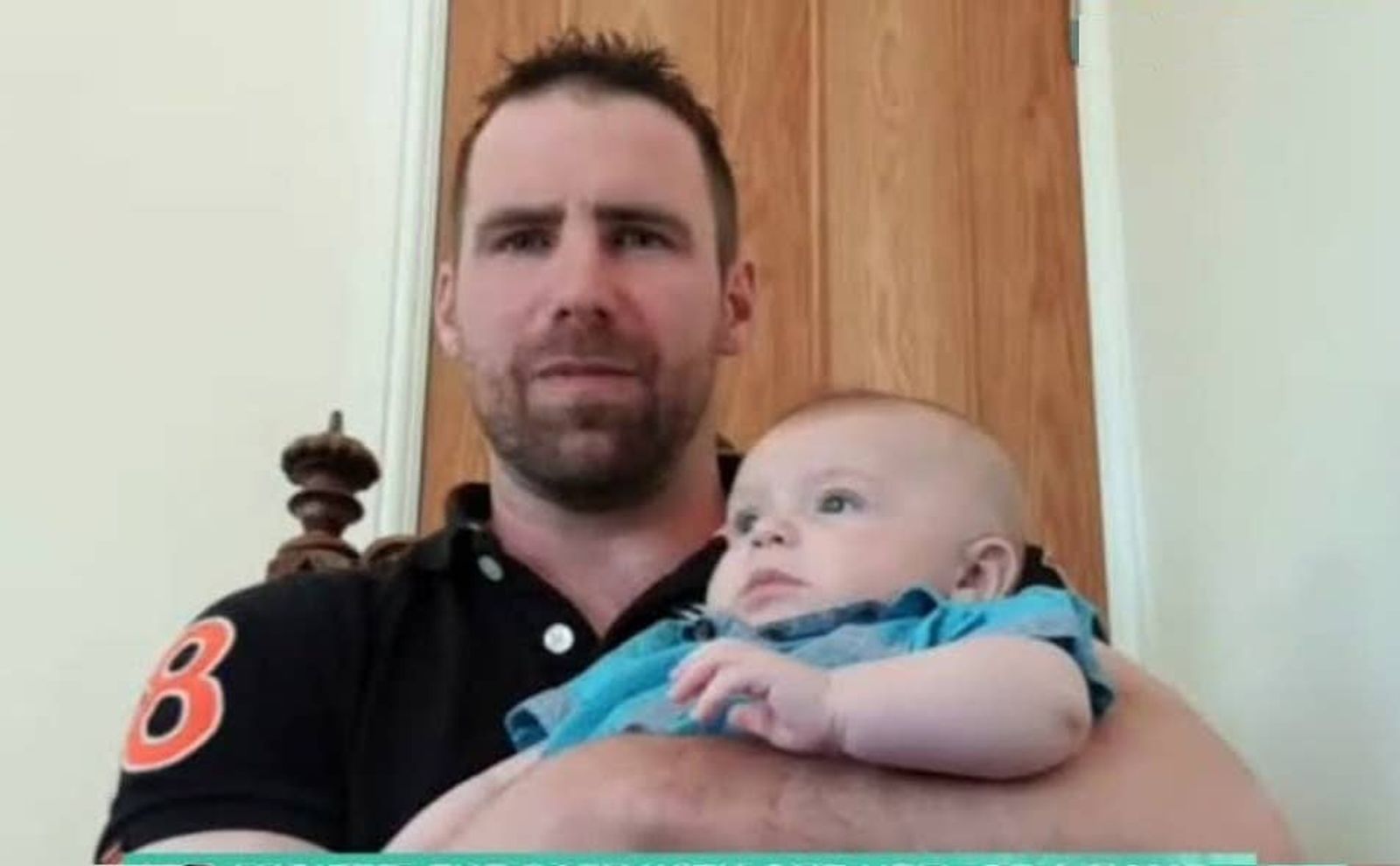
Dan and Mandy Sheldon, parents from Chesterfield in Derbyshire, recently visited their local registry office to formally record the birth of their four-month-old baby. But instead of a smooth process, they claim they were met with resistance from a registrar who questioned their decision and warned them about potential consequences.
According to the couple, the official expressed concern that the name—often associated with the devil in religious contexts—could negatively impact the child’s future. The parents allege they were told their son might face difficulties later in life, including challenges in school and employment, due to the name’s controversial reputation.
Dan Sheldon, who runs a plant hire business, said the exchange left them stunned. What they had anticipated as a celebratory moment quickly became uncomfortable, as they felt judged for a choice they viewed as meaningful and unique.
The father explained that their intention was not rooted in religion or controversy. Instead, he pointed to the name’s historical and linguistic origins, noting that “Lucifer” is derived from Latin and is often interpreted as “light-bringer” or “morning star.” Despite his explanation, he claims the registrar remained unconvinced and even suggested alternative approaches—such as using a different legal name while informally calling the child Lucifer at home.
At one point, the couple said they were asked to step aside while the registrar verified whether the name could legally be approved. Ultimately, the registration went through, but Dan described the process as reluctant and far from welcoming.
The situation has sparked broader discussion about naming laws and personal freedom. In the United Kingdom, regulations surrounding baby names are relatively lenient compared to some other countries. Names are generally permitted unless they include offensive language, symbols, or elements deemed harmful to the child.
By contrast, nations like New Zealand maintain stricter guidelines. In fact, “Lucifer” was reportedly added to that country’s list of prohibited names over a decade ago.
Local officials later responded to the incident, stating that registrars are tasked with offering guidance to parents, particularly when names may carry strong cultural or historical associations. They also issued an apology if the couple felt offended during the interaction.

For the Sheldons, however, the experience remains a sour memory tied to what should have been a special occasion. They maintain that parents should have the right to choose names they believe are meaningful—without facing criticism or judgment.
As debates around individuality and tradition continue, this case highlights the delicate balance between personal expression and societal perceptions—especially when it comes to something as personal as a child’s name.
This Little Boy Is Now The Most Famous Person On Earth
A windswept island in the Atlantic Ocean is an unlikely launching pad for global superstardom. But for one boy born in 1985, that rugged landscape was the starting point of a journey that would eventually captivate billions.
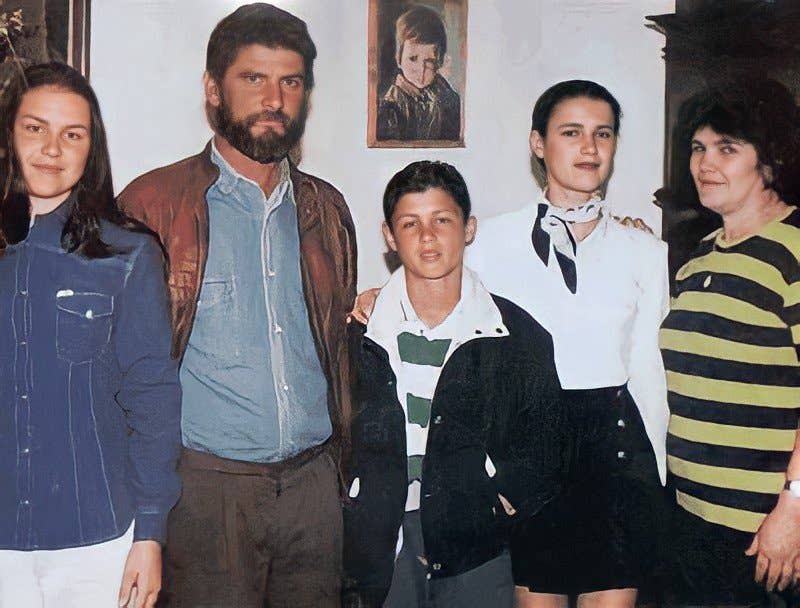
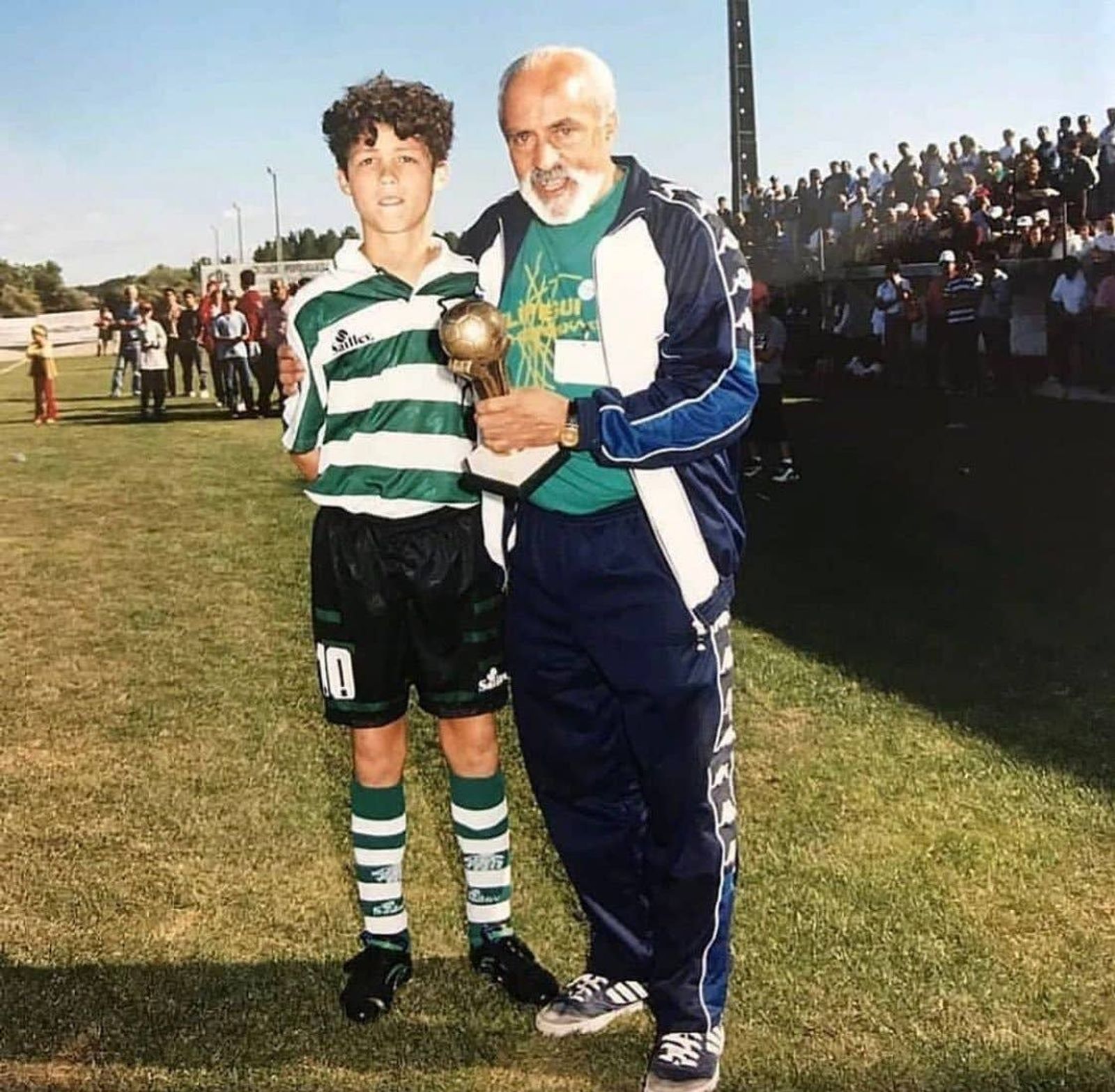
Today, a resurfaced childhood photo of that same boy is lighting up social media. The image shows a shy kid with a bright grin — hardly the towering sports icon fans know now. The home where he once lived has since been torn down, and the patch of dirt where he first kicked a ball looks nothing like it did decades ago.
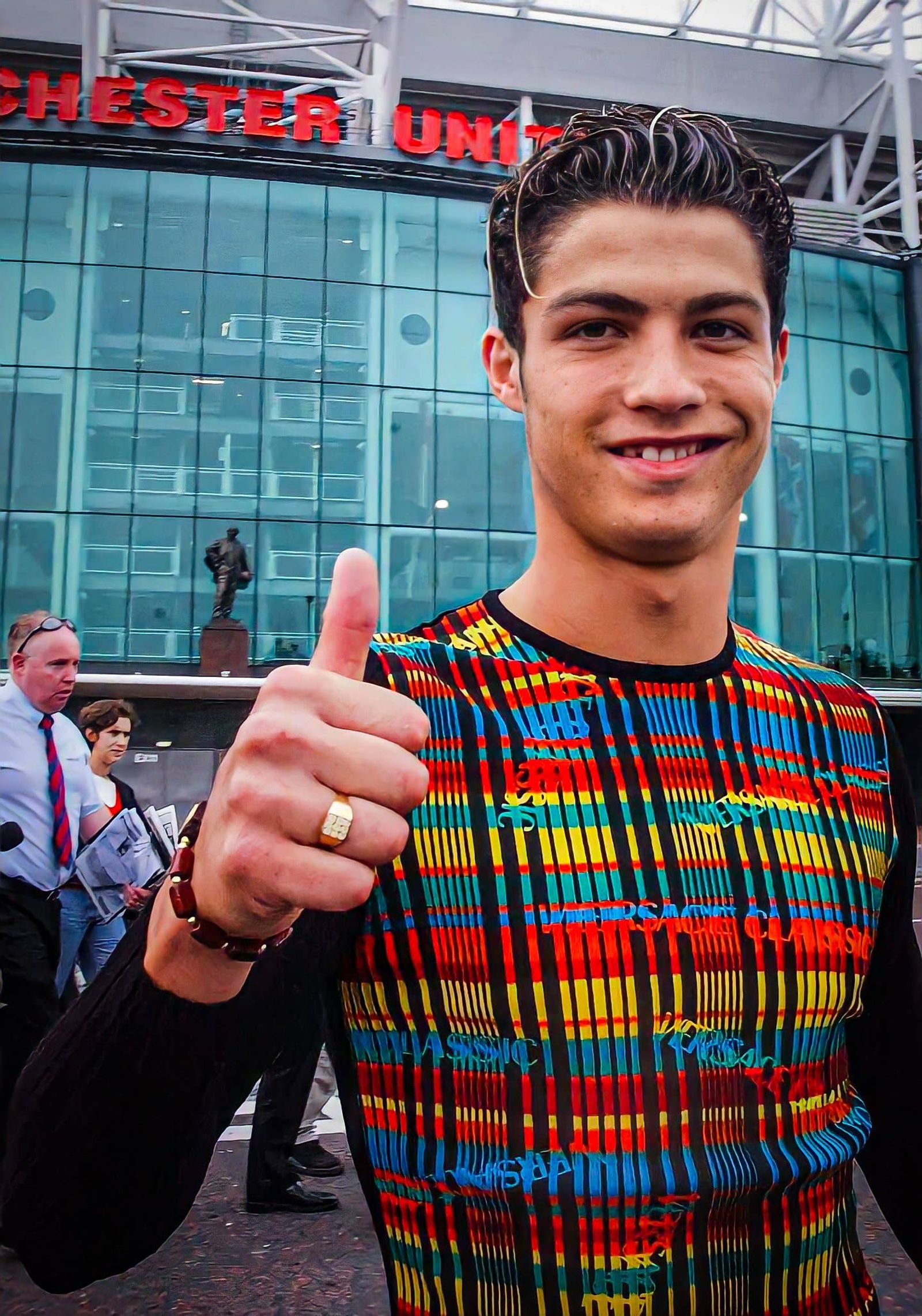
Yet from those humble beginnings emerged one of the most recognizable athletes on the planet: Cristiano Ronaldo.
Born Feb. 5, 1985, in Funchal on the island of Madeira, Portugal, Ronaldo grew up in a modest household as the youngest of four children. His father, José Dinis Aveiro, struggled with alcoholism and died before he could witness his son’s rise to international fame. Ronaldo has spoken candidly about the pain of that fractured relationship, describing a childhood marked by hardship and emotional distance.
The challenges began even before he was born. His mother later revealed that during a moment of despair, she attempted to end her pregnancy after being advised by a neighbor that heavy beer and physical exertion could induce a miscarriage. The attempt failed — and the child she nearly lost would one day become a global phenomenon.
At just 12 years old, Ronaldo left Madeira for Lisbon to pursue professional training with Sporting CP. The move separated him from his family and forced him to mature quickly. School was not his strong suit. He never advanced beyond the sixth grade and was eventually expelled after clashing with a teacher.
As if the emotional strain weren’t enough, a serious heart condition threatened to sideline his ambitions. Doctors diagnosed him with a racing heart caused by multiple cardiac pathways. He underwent surgery as a teenager, a procedure that fused those pathways using laser technology. Within weeks, he was back on the field.
That resilience would define his career.
In 2003, Ronaldo signed with Manchester United F.C., where his speed, footwork and relentless drive made him an international sensation. His next move — a then-record transfer to Real Madrid CF — cemented his place among soccer’s elite. He later returned to Manchester United and also starred for Juventus F.C., adding to a trophy case already packed with league titles and international honors.
On the world stage, Ronaldo has earned more than 200 caps for Portugal and scored well over 100 international goals. His individual accolades include multiple Ballon d’Or awards, and in 2024 he became the first male player to reach 900 official career goals.
Off the field, his brand is just as powerful. He has repeatedly topped Forbes’ highest-paid athlete list and was named among Time magazine’s 100 most influential people. With more than a billion combined followers across social media platforms, his global reach is unmatched.
From a crumbling house in Madeira to stadiums packed with roaring fans, Cristiano Ronaldo’s story is one of grit, sacrifice and unshakable ambition. Behind the polished superstar image remains the island boy who refused to let tragedy define his future.
Read more stories
- He Was Rejected By His Own Mom And Raised To Think ‘Women Are Evil’ But He Became A Legendary Rockstar
- TOBY KEITH RECORDED SOME OF THE BIGGEST PATRIOTIC ANTHEMS IN COUNTRY MUSIC HISTORY—BUT HIS REAL LEGACY WAS BUILT ON MILITARY BASES WHERE NO CAMERAS WERE ROLLING.
- [Video]: The One-Take Hit That Took Over Rock Radio
- The Box Tops’ “The Letter” Captures Lightning in a Bottle and Redefines Blue-Eyed Soul in 1967-2