
Celebrities & Music
Shelley Fabares Offered a Tender and Nostalgic Rendition of “Johnny Angel” – Page 2 of 2 – StoryPulse
The article discusses Shelley Fabares’ hit song ‘Johnny Angel,’ its impact on her career, and its emotional resonance in the context of 1960s pop music.

Chapter 1: The Sweet 1962 Hit That Made Shelley Fabares a Pop Star
Released in 1962, Shelley Fabares’ “Johnny Angel” became one of the most memorable love songs of the early 1960s, capturing the innocence of teenage romance with its gentle melody and heartfelt lyrics. Already beloved as Mary Stone on The Donna Reed Show, Fabares surprised audiences by launching a recording career with a song that quickly soared to No. 1 on the Billboard Hot 100 in April 1962. It remained on the chart for 15 weeks and also topped the charts in Canada and New Zealand, turning the young actress into an international music sensation.
The song tells the story of a teenage girl secretly in love with a boy named Johnny who has no idea how she feels. Fabares’ sincere vocal performance, supported by the rich harmonies of Darlene Love and The Blossoms, gave the simple story lasting emotional appeal and made it one of the era’s defining pop recordings.
Chapter 2: Watch the Video Here →
[EMBED: [EMBED:
Pages: 1 2
Continue reading
Chapter 1: The Ricky Nelson Hit That Made Billboard History
Released on July 7, 1958, Ricky Nelson’s “Poor Little Fool” became a landmark in American music by earning the distinction of being the first No. 1 song on Billboard’s newly created Hot 100 chart. Written by Sharon Sheeley, the heartfelt ballad tells the story of youthful heartbreak, blending soft rockabilly with polished pop in a way that appealed to both teenagers and their parents. Nelson, already famous from The Adventures of Ozzie and Harriet, transformed the song with a brighter arrangement featuring James Burton’s smooth lead guitar and his own warm, understated vocal style. The result was a crossover hit that helped establish him as far more than a television star.
Its chart-topping success marked a turning point for rock and roll, proving that emotional storytelling and catchy melodies could thrive alongside the genre’s more rebellious side. The song introduced millions to Ricky Nelson’s unique blend of country, pop, and rockabilly.
Chapter 2: Watch the Video Here →
[EMBED: [EMBED:
Pages: 1 2
The Soft Rock Classic That Defined a Generation
When I Want to Make It with You by Bread arrived in 1970, it didn’t chase attention—it earned it quietly. In an era dominated by psychedelic rock and louder experimentation, this soft, intimate ballad felt almost rebellious in its simplicity.
Written and performed by David Gates, the song embraced emotional honesty over grand gestures. Its message was direct, grounded, and deeply human—a reflection of love that didn’t rely on fantasy, but on possibility.
“Life is for us to keep… and if you’re wondering what this song is leading to…”
Musically, the track leaned into soft acoustic textures, gentle piano, and smooth orchestration. Gates’ voice carried a calm sincerity, drawing listeners into a space that felt personal and real.
Despite its understated tone, the song soared to No. 1 on the Billboard Hot 100, proving that vulnerability could resonate just as strongly as spectacle. It became Bread’s defining hit and a cornerstone of the soft rock movement.
But beyond charts and success, something deeper was happening—the song was quietly reshaping what a love song could sound like.
Chapter 2: Watch the Video Here ->
As I Want to Make It with You continued to spread across radios and living rooms, it became more than just a hit—it became a feeling. Bread had tapped into something universal: the quiet hope that love doesn’t need perfection, only honesty.
“Some songs shout. Others stay with you forever.”
The track helped define an entire era of music where softness, melody, and emotional clarity took center stage. It influenced countless artists who followed, opening the door for a more introspective and accessible sound in pop and rock.
Over the years, the song has been covered and revisited, but the original—guided by David Gates—remains unmatched in its warmth and sincerity.
Its legacy lives on in films, playlists, and late-night listens, where its gentle melody still feels just as powerful as it did in 1970.
Because in the end, the song’s magic isn’t in complexity.
It’s in its truth.
And decades later, that truth still resonates—softly, but unmistakably.
[EMBED:
Pages: 1 2
The Song That Made the World Believe Again: The Story Behind “I’m a Believer”
Chapter 1: The Monkees’ Smash Hit That Won Over the World
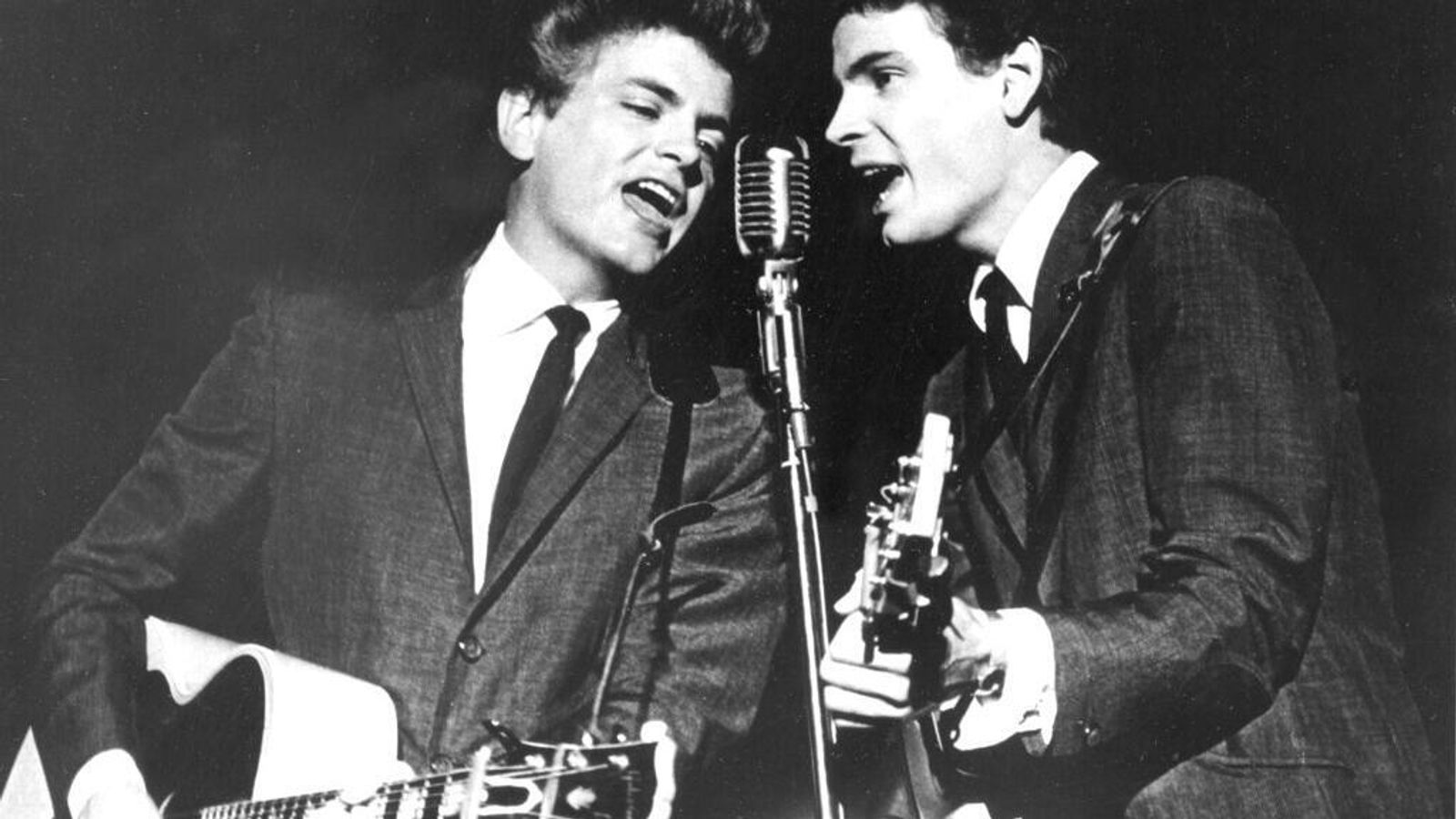
Released in November 1966, The Monkees’ “I’m a Believer” became one of the biggest pop sensations of the decade. Written by Neil Diamond, the upbeat anthem raced to No. 1 on the Billboard Hot 100, where it remained for seven consecutive weeks, while also topping charts around the world. Built on an irresistible melody, lively guitar and piano, and unforgettable harmonies, the song told the simple but timeless story of someone who had lost faith in love until the right person changed everything. Although The Monkees were initially dismissed by some critics as a television-created group, the massive success of “I’m a Believer” helped prove they could deliver music that genuinely connected with millions of listeners.
Its universal message, infectious energy, and polished production turned the single into an instant classic, making it one of the defining songs of the 1960s.
Chapter 2: Watch the Video Here →
[EMBED:
Pages: 1 2
The Everly Brothers’ ‘Cathy’s Clown’ Reshapes Pop and Country Boundaries with a 1960 Chart-Topping Crossover Breakthrough
In 1960, the Everly Brothers released what would become one of the most influential and best-selling singles of their career—“Cathy’s Clown.”
Debuting to immediate acclaim, the song rocketed to No. 1 on the Billboard Hot 100.
It remained there for five consecutive weeks, a rare feat at the time.
Blending country harmonies with pop production and subtle rock ’n’ roll undertones, “Cathy’s Clown” was both a commercial smash and a stylistic revelation.
It marked the duo’s first release under Warner Bros. Records.
The success of this single alone justified their groundbreaking $1 million contract with the label—then the most lucrative deal in music history.
Don and Phil Everly were born into a musical family, with roots in Kentucky and a foundation built in the world of country radio.
Their father, Ike Everly, was a respected guitarist and radio host.
Because of this, the brothers were performing together from a very young age.
What set them apart from their contemporaries was their seamless, close vocal harmony—two voices that sounded as one.
Their upbringing in traditional country music, fused with a natural feel for the evolving pop and rock sounds of the 1950s, made the Everly Brothers a bridge between genres.
By the time “Cathy’s Clown” came along, they were already established hitmakers.
This song elevated them into a completely different echelon.
The inspiration for “Cathy’s Clown” reportedly came from the pain and pride wrapped in post-breakup humiliation.
While the lyrics suggest a simple story of heartbreak, Don Everly explained that the emotional root of the song was the desire to stand tall after rejection.
It was about refusing to be made a fool again.
Though the titular “Cathy” may not have been drawn from a specific person, the universal feeling of loss and bruised ego resonated widely.
Audiences across age and gender connected deeply with that emotion.
Don and Phil composed the song themselves.
This fact further set them apart in an era when many performers relied entirely on outside writers.
Recorded at RCA Studio B in Nashville under the direction of producer Wesley Rose, “Cathy’s Clown” featured a unique sonic blend.
That blend contributed greatly to its success.
The recording was notable for its use of a double-drum beat.
[EMBED: This was an innovation at the time.
The rhythm gave the song a marching quality that reinforced the theme of standing one’s ground.
The vocal arrangement was equally groundbreaking.
Don and Phil’s harmonies overlapped in a cascading structure rather than a traditional call-and-response format.
That cascading harmony went on to inspire generations of musicians across multiple genres.
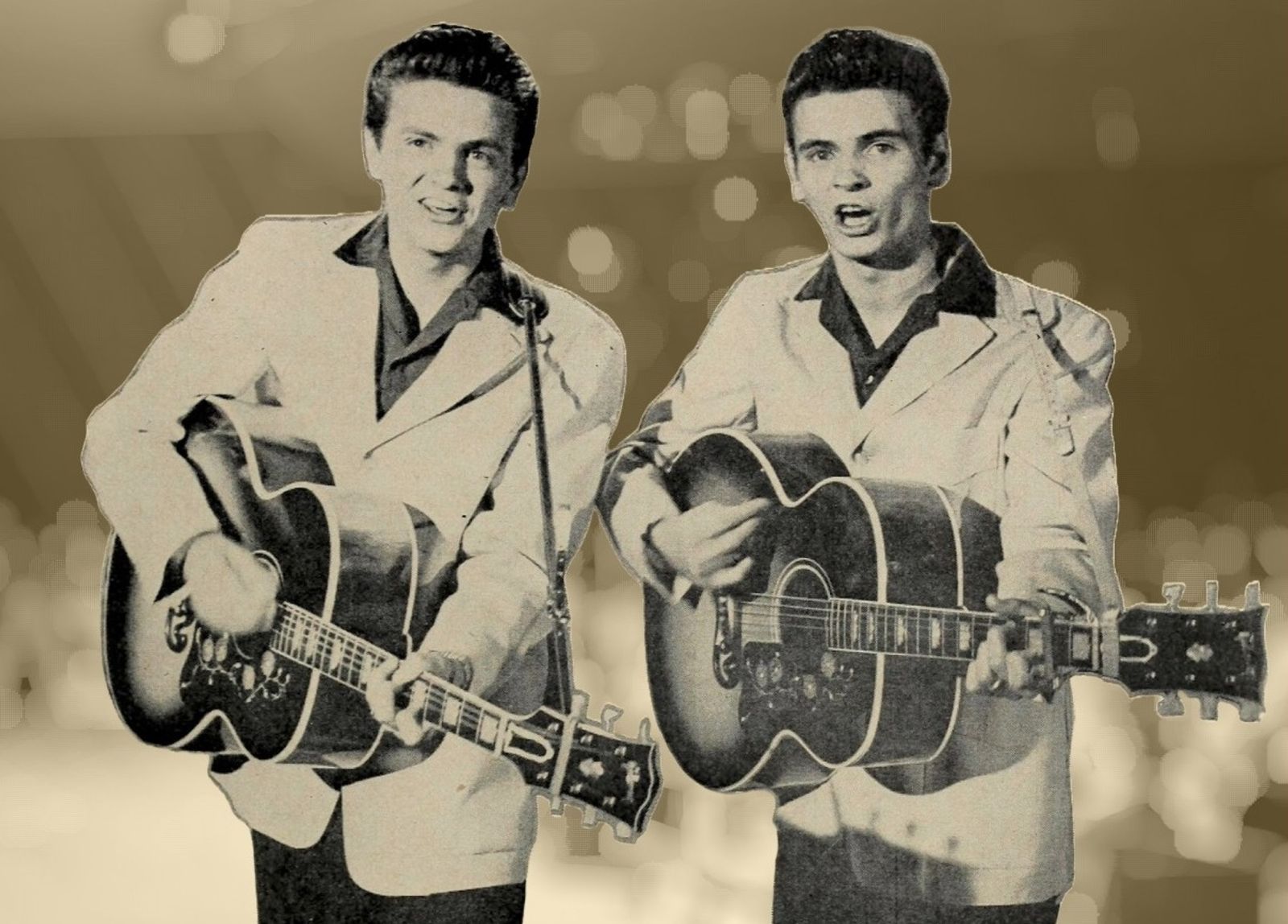
Upon release, “Cathy’s Clown” quickly took over the airwaves.
It held the No. 1 position on the U.S. charts.
It also became the Everly Brothers’ biggest U.K. hit.
In Britain, it topped the charts for seven weeks.
The song sold over eight million copies worldwide.
This cemented its status as a global phenomenon.
It earned critical acclaim for its tight production and emotional punch.
It also gave Warner Bros. Records its first No. 1 single.
That achievement paved the way for the label’s later dominance in pop music.
Culturally, the song marked a shift in how heartbreak was portrayed in male-led pop music.
Instead of swagger or emotional detachment, it delivered vulnerability wrapped in defiance.
This emotional complexity influenced a new wave of young male performers.
They realized they could express pain without sacrificing strength.
The song’s hybrid genre styling also opened doors for other artists.
It encouraged musicians to break free from rigid musical classifications.
The track served as a precursor to the folk-pop boom.
It also influenced early Beatles compositions through its harmonic richness and rhythmic balance.
The impact on the Everly Brothers’ career was immediate and enormous.
“Cathy’s Clown” reestablished them as dominant chart forces after a brief lull.
It gave them leverage in their new relationship with Warner Bros.
The track’s massive success led to more ambitious recording sessions.
It also opened doors to greater international touring opportunities.
Their visibility increased across print and television media.
The song reinforced their image as sophisticated yet emotionally accessible artists.
It expanded their audience far beyond the American teen market.
Beyond their own careers, “Cathy’s Clown” influenced the direction of pop-rock harmony.
The Beatles openly idolized the Everly Brothers.
John Lennon and Paul McCartney borrowed heavily from Don and Phil’s harmonic techniques.
Artists such as Simon & Garfunkel also cited the Everlys as foundational influences.
The Beach Boys drew inspiration from their vocal blending as well.
The song’s structure became a textbook example of emotionally resonant pop songwriting.
It showed how to balance commercial appeal with artistic depth.
Over the years, “Cathy’s Clown” has been covered by a wide range of artists.
Each interpretation brought a different nuance to the track.
Notably, Reba McEntire released a version in 1989.
Her rendition topped the Billboard Hot Country Songs chart.
That success proved the song’s timeless appeal.
It also demonstrated its flexibility across genres.
Reba’s version introduced the song to a new generation.
It reaffirmed the universality of its lyrics.
When “Cathy’s Clown” was released, the Everly Brothers were facing the pressures of fame.
They were also transitioning into adulthood under intense public scrutiny.
Despite these challenges, the song’s success offered creative freedom.
It provided a sense of personal validation.
The hit allowed them greater control over their material.
It opened the door to more introspective songwriting in later years.
Decades later, “Cathy’s Clown” remains a staple of oldies radio.
It appears regularly on compilation albums.
Music critics often list it among the greatest songs of all time.
Its endurance is not just about chart success.
It lies in the rare emotional honesty captured within the song.
That honesty was wrapped in a polished, forward-thinking sound.
The track also set new standards for song structure.
It elevated lyrical vulnerability in mainstream music.
Its concise storytelling carried emotional weight.
Its innovative production influenced future singer-songwriters.
From harmonized vocals to restrained instrumentation, the song became a blueprint.
It showed how to merge artistry with accessibility.
In the years since, Don and Phil Everly have received numerous honors.
They were inducted into the Rock and Roll Hall of Fame.
They were also inducted into the Country Music Hall of Fame.
“Cathy’s Clown” stands as a key reason for those recognitions.
It unified their country roots with pop dominance.
More than six decades later, “Cathy’s Clown” still feels emotionally raw.
Its portrayal of heartache remains remarkably current.
For the Everly Brothers, it was more than a hit.
It was a defining moment in their legacy.
For generations of listeners and musicians, it remains an enduring classic.
With every play, it continues to inspire.
[EMBED:
Read more stories
- He Was Rejected By His Own Mom And Raised To Think ‘Women Are Evil’ But He Became A Legendary Rockstar
- TOBY KEITH RECORDED SOME OF THE BIGGEST PATRIOTIC ANTHEMS IN COUNTRY MUSIC HISTORY—BUT HIS REAL LEGACY WAS BUILT ON MILITARY BASES WHERE NO CAMERAS WERE ROLLING.
- [Video]: The One-Take Hit That Took Over Rock Radio
- The Box Tops’ “The Letter” Captures Lightning in a Bottle and Redefines Blue-Eyed Soul in 1967-2