
Celebrities & Music
Released in 1968, this heartbreaking classic revealed a truth most love songs avoid—that sometimes the hardest part isn't saying goodbye, but realizing your heart hasn't caught up yet.
The article discusses the emotional depth of the song “Over You” by Gary Puckett & The Union Gap, highlighting its exploration of heartbreak and the complexities of moving on after a relationship ends.

Some songs don’t shout their heartbreak to the world, choosing instead to whisper it so honestly that every listener eventually hears a piece of their own story within the silence.
When Gary Puckett & The Union Gap released “Over You” in 1968, they delivered more than another orchestral pop ballad—they captured the quiet struggle of accepting that love sometimes survives even after a relationship ends.
Rather than filling the lyrics with anger or blame, the song unfolds with remarkable maturity, exploring the painful realization that moving forward is rarely as simple as saying goodbye.
From its opening moments, there is an unmistakable feeling of emotional restraint, as though the narrator has replayed the same memories countless times before finally finding the courage to speak.
Gary Puckett’s unmistakable voice immediately commands attention, balancing extraordinary power with remarkable tenderness in a performance that never feels exaggerated.
His soaring vocal carries the weight of someone trying desperately to sound stronger than he truly feels, making every phrase resonate with quiet vulnerability.
That emotional honesty became one of the defining qualities of Gary Puckett & The Union Gap, whose greatest recordings often explored the complicated emotions hidden beneath seemingly simple melodies.
The arrangement surrounds the vocal with graceful strings, warm brass, and gentle rhythm, creating an atmosphere that feels both elegant and deeply intimate.
Every musical element serves the emotional story instead of competing with it, allowing the lyrics to remain the undeniable center of attention.
Unlike many heartbreak songs that focus on dramatic confrontations, “Over You” examines the quieter aftermath, where memories become impossible companions during ordinary days.
Its narrator never pretends to have all the answers, admitting instead that letting go can be a slow and uncertain journey.
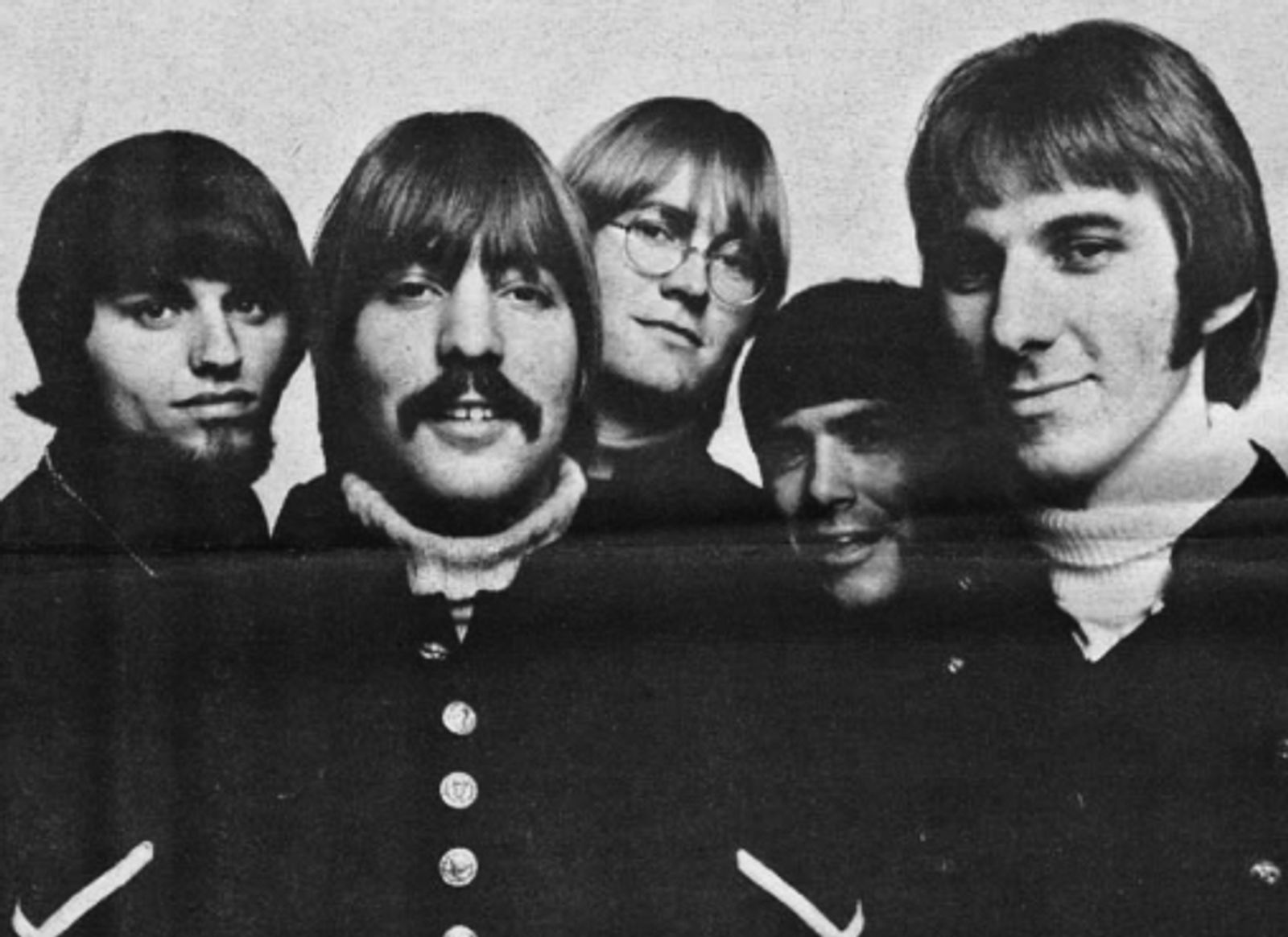
That honesty gives the recording a timeless quality because nearly everyone has experienced the lingering echoes of a love that refused to disappear overnight.
The lyrics avoid unnecessary complexity, trusting simple words to express emotions that listeners already understand through their own experiences.
Sometimes the greatest heartbreak lies not in losing someone, but in realizing how deeply they became woven into everyday life.
That quiet realization unfolds naturally throughout the song, allowing each verse to reveal another layer of emotional truth without ever becoming melodramatic.
Gary Puckett delivers every line with remarkable conviction, never asking for sympathy yet making it impossible not to feel the weight carried within his voice.
Listening today, the performance still feels astonishingly sincere, proving that genuine emotion never depends upon changing musical trends or elaborate production techniques.
Perhaps that enduring sincerity explains why “Over You” continues touching listeners decades after its original release, quietly reminding us that some of life’s deepest emotions are the ones spoken with the gentlest voices.
As the years have passed, countless breakup songs have come and gone, yet few capture the quiet dignity of heartbreak with the same grace found in “Over You.”
Its enduring appeal lies in recognizing that healing rarely happens in dramatic moments, but through countless ordinary days when memories slowly begin to lose their hold.
The narrator never claims to have forgotten the past, choosing instead to acknowledge that some emotions cannot simply be switched off with determination alone.
That emotional honesty gives the recording remarkable depth, allowing listeners to recognize pieces of their own experiences within every carefully delivered line.
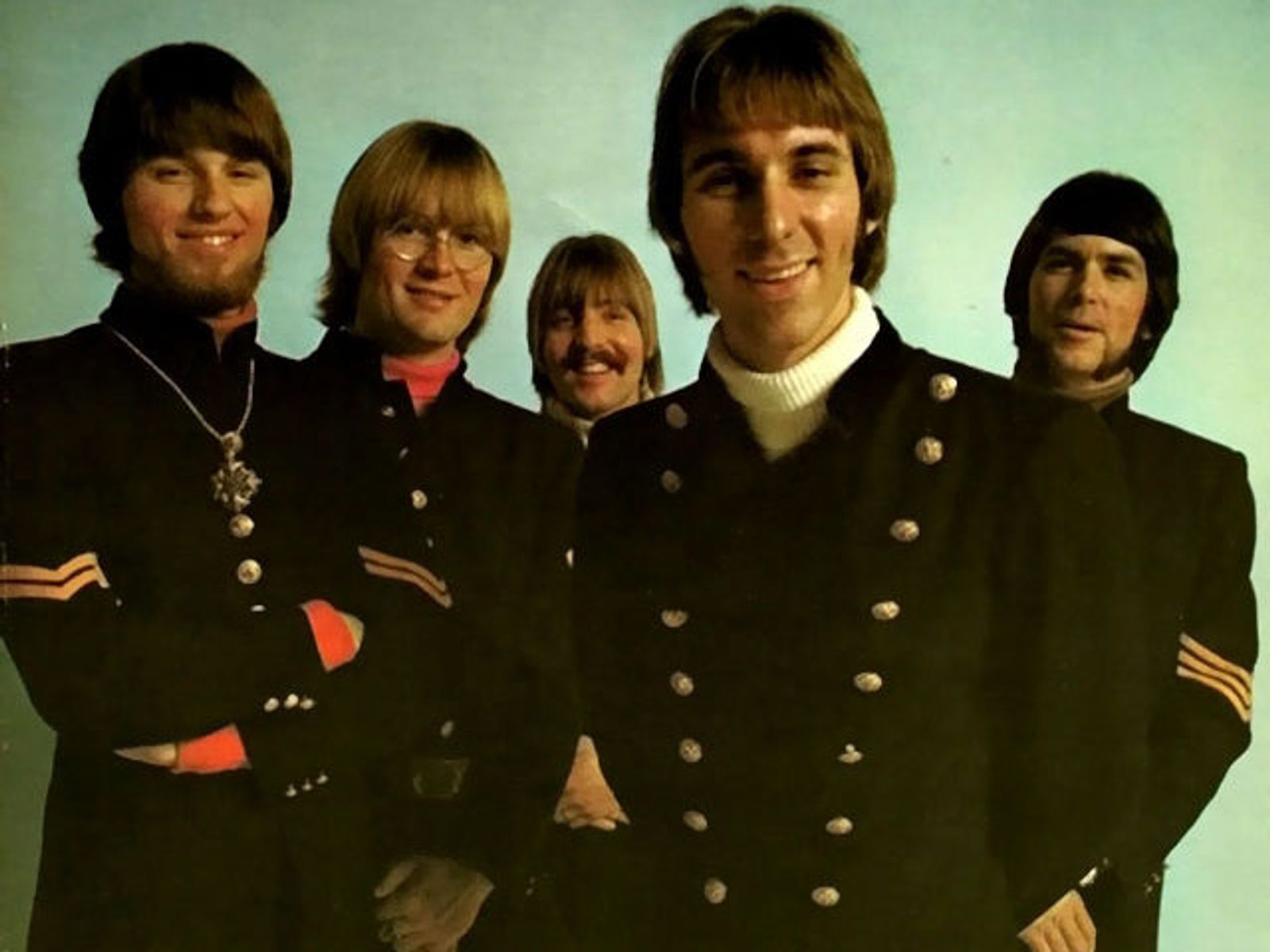
Gary Puckett’s extraordinary voice remains the emotional centerpiece, rising effortlessly from quiet reflection to soaring passion without ever sacrificing sincerity.
He sings not as someone demanding another chance, but as someone learning to live with love that still lingers in the heart.
That subtle distinction transforms the performance from a simple breakup ballad into a timeless meditation on acceptance and emotional resilience.
Behind his unforgettable vocal, the orchestral arrangement unfolds with elegant restraint, allowing every string and harmony to strengthen the story without overwhelming it.
The production reflects an era when craftsmanship mattered deeply, proving that emotional impact often comes from balance rather than excess.
Each return to the chorus feels slightly different because the listener gradually understands that the struggle is no longer about changing the past but finding peace with it.
That emotional progression gives the song lasting replay value, revealing new shades of meaning as listeners grow older and bring new life experiences to the music.
Perhaps that explains why so many classic recordings continue speaking across generations while countless contemporary hits quietly fade from memory.
The finest songs never belong to a single decade because human emotions remain remarkably unchanged despite the passing of time.
Love, loss, hope, and healing continue shaping every generation, allowing recordings like this to remain deeply personal long after their original release.
Even today, “Over You” carries a quiet elegance that feels increasingly rare, reminding us that vulnerability can possess extraordinary strength when expressed with honesty.
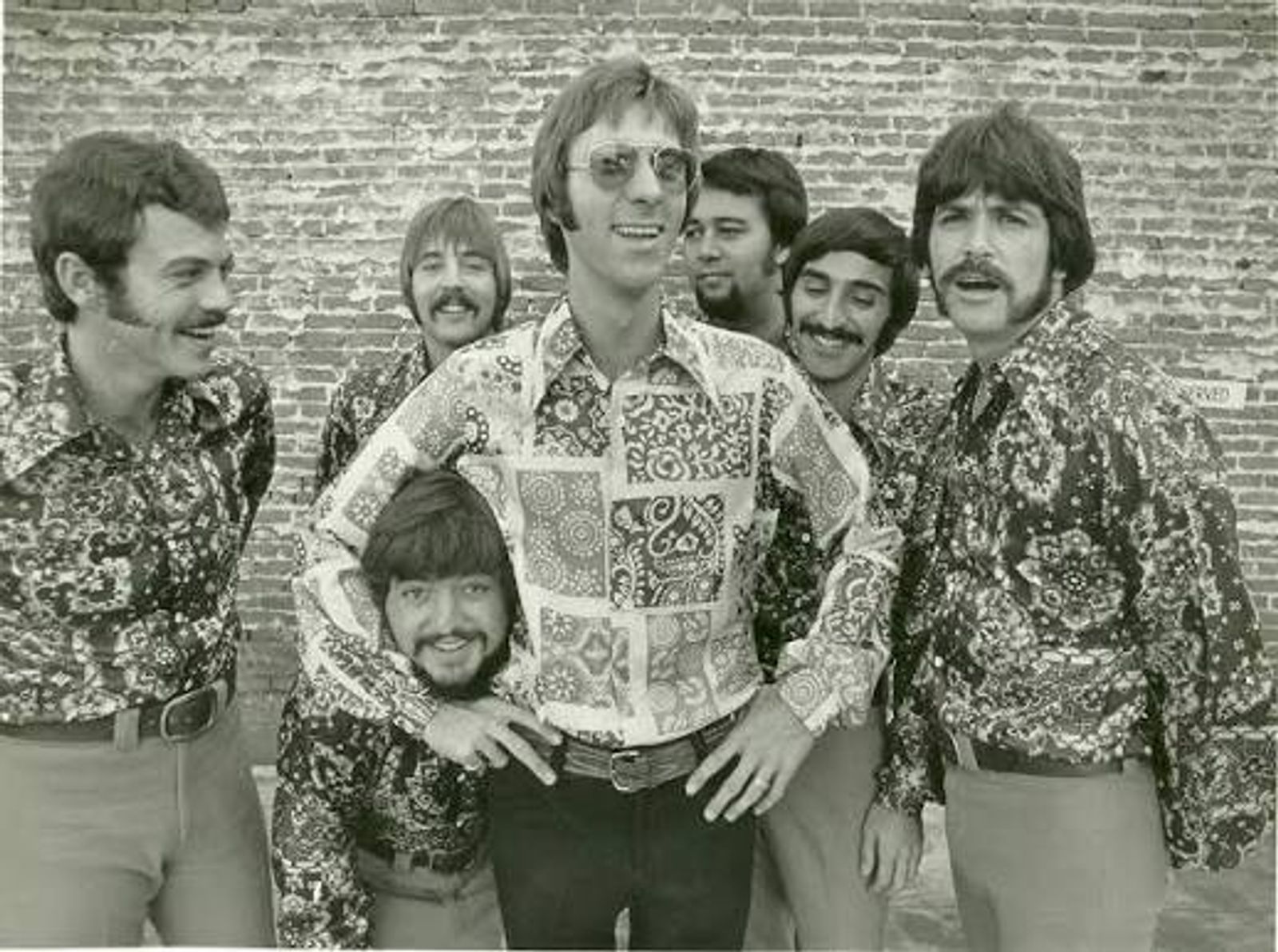
It stands as one of Gary Puckett & The Union Gap’s most heartfelt performances, demonstrating how sincerity will always outlast temporary musical fashions.
More than half a century later, the song continues finding new listeners who discover that its greatest message is not about forgetting someone we once loved, but about learning to carry those memories with grace while continuing life’s journey forward.
Continue reading
Released in the late 1960s, this unforgettable rock anthem helped launch a legendary band into history—yet in 2026, surprisingly few people remember the story behind the song that changed everything.
Some songs explode into history with polished perfection, while others arrive carrying dust, danger, and raw electricity, and “Susie Q” was unmistakably one of the latter.
Long before it became synonymous with Creedence Clearwater Revival, the song already possessed the restless heartbeat of American rock and roll, waiting for the right band to unlock its full power.
When Creedence recorded “Susie Q” in 1968, they did not simply cover an old favorite—they transformed a regional classic into something darker, louder, and impossible to ignore.
At a time when psychedelic experimentation dominated radio and many bands chased elaborate studio effects, Creedence chose simplicity, grit, and a hypnotic groove that felt as old as the Mississippi River itself.
The opening guitar riff seemed to emerge from somewhere beyond fashion or trend, sounding less like a performance than a force that had always existed, patiently waiting for someone brave enough to unleash it.
Behind that unforgettable sound stood John Fogerty, whose raspy voice carried the weight of someone who understood that honesty could often hit harder than technical perfection.
Fogerty never sang as though he were trying to impress anyone, and that authenticity became one of the defining qualities separating Creedence from nearly every other rock band of the late 1960s.
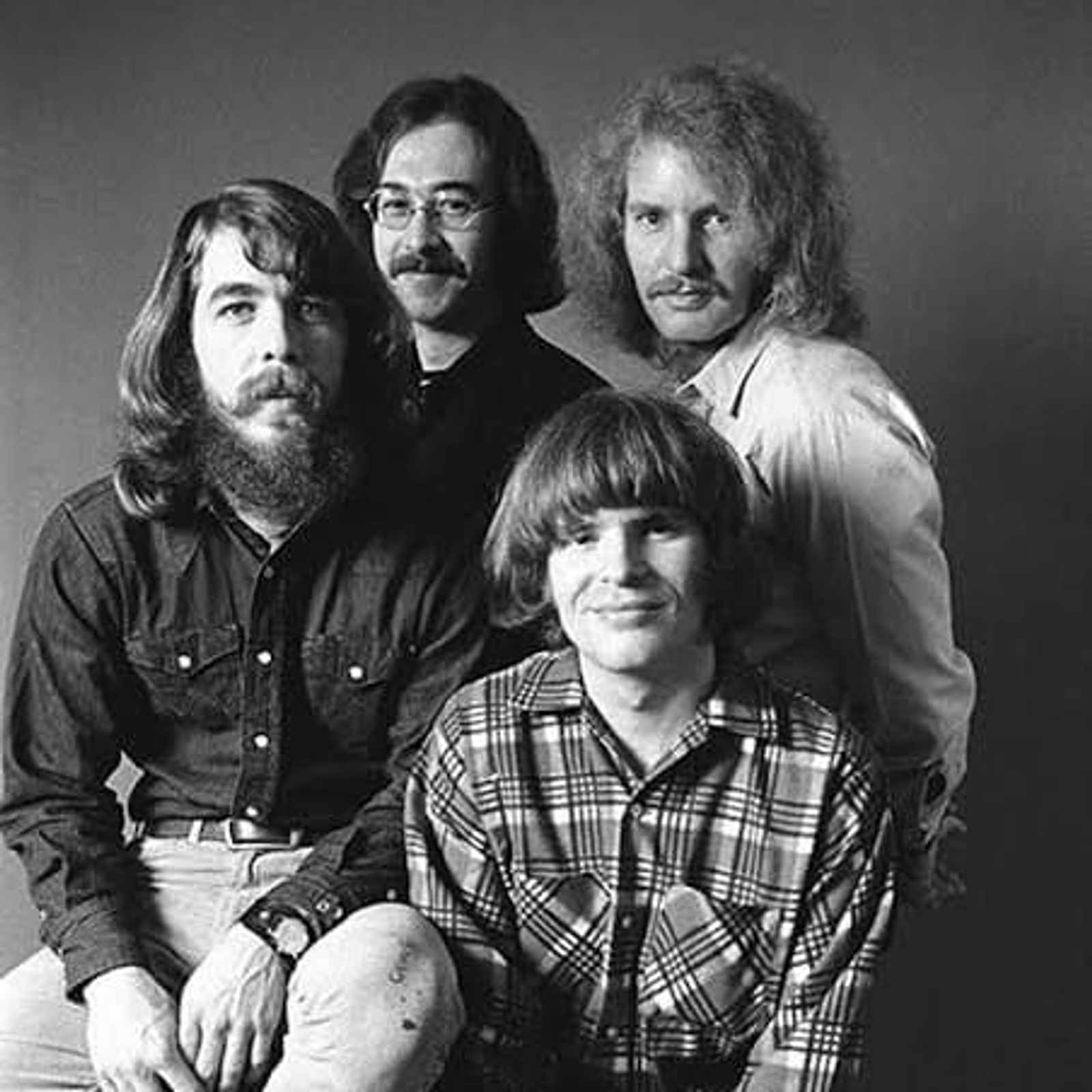
The original version of “Susie Q”, recorded by Dale Hawkins in 1957, had already earned respect among musicians, but Creedence discovered entirely new shadows hidden inside its familiar melody.
Instead of rushing through the song, the band allowed every note to breathe, stretching the performance into an atmospheric journey that felt hypnotic without ever losing its relentless pulse.
For many listeners, the record sounded unlike anything else arriving from California, because it carried the soul of Southern swamps despite the band having grown up thousands of miles away in Northern California.
That contradiction became part of Creedence’s enduring magic, proving that great storytelling could travel farther than geography and that sincerity mattered more than birthplace.
The extended version of “Susie Q” also revealed a fearless confidence, especially for a relatively unknown band still searching for its place in an increasingly competitive music industry.
Radio stations rarely embraced songs exceeding several minutes, yet Creedence trusted that the performance itself could hold listeners without relying on flashy production or complicated arrangements.
Every instrument seemed to understand its purpose, creating a hypnotic rhythm where the guitar circled endlessly, the drums remained steady, and the bass quietly anchored everything beneath the surface.
Rather than overwhelming the audience with speed, the band invited listeners into a slow-burning atmosphere where tension built naturally until the music almost seemed to breathe on its own.
Many young fans who first heard the record could not fully explain why it fascinated them, only knowing that they kept returning to those opening guitar notes again and again.
The success of “Susie Q” became more than just another hit single, because it introduced millions of listeners to a group whose identity refused to follow the fashionable rules of the era.
Almost overnight, Creedence Clearwater Revival stepped out from relative obscurity and announced themselves as a band capable of honoring rock’s past while quietly reshaping its future.
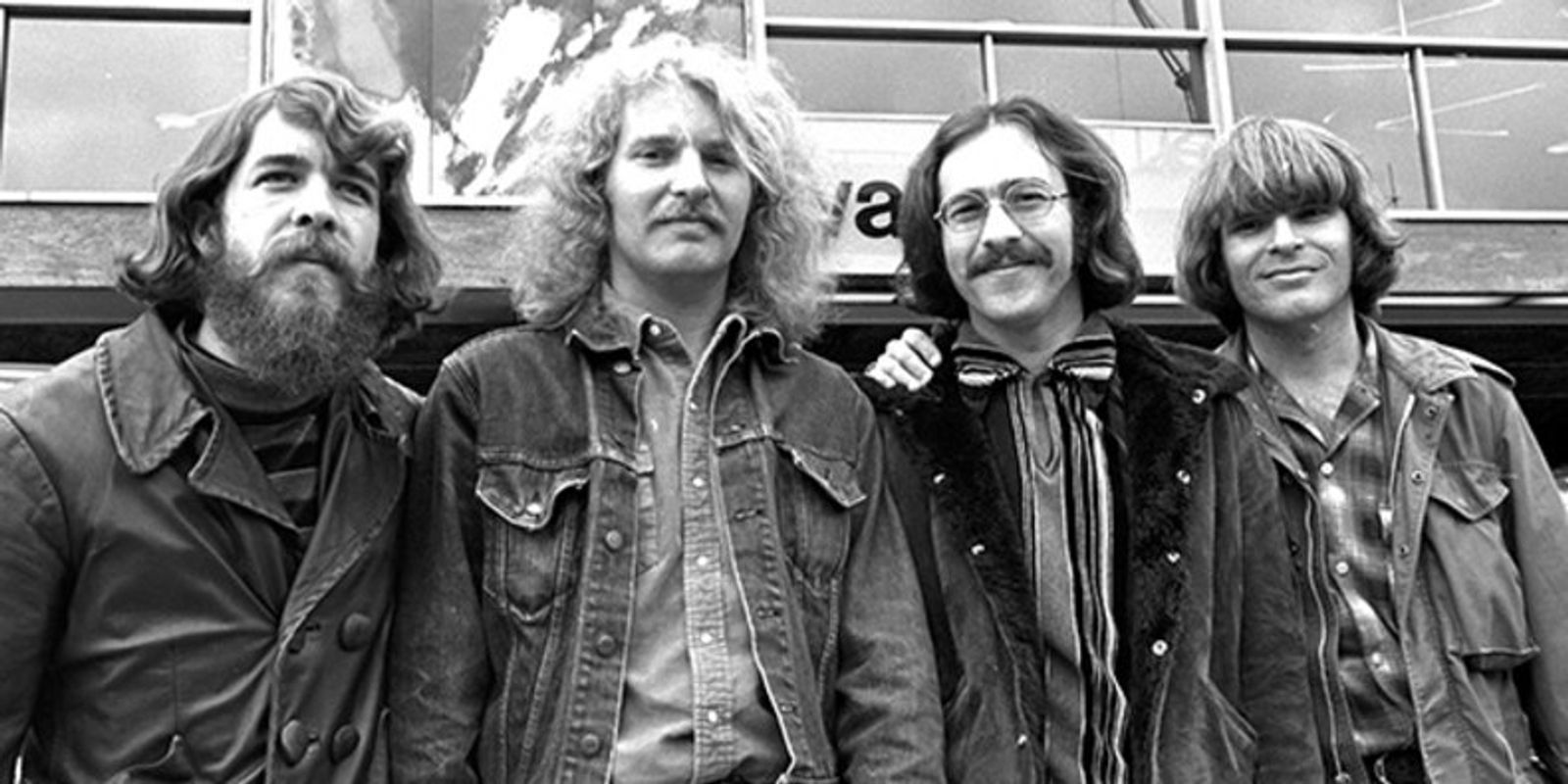
Years later, listeners still discover “Susie Q” the same way earlier generations did, through a crackling radio, an old vinyl collection, or a recommendation from someone who remembers exactly where they first heard it.
Perhaps that is the greatest legacy of “Susie Q”—not simply that it became a classic, but that every new generation hears those opening chords and feels, if only for a few unforgettable minutes, that timeless feeling of rock and roll finding its voice all over again.
The remarkable thing about “Susie Q” is that its lyrics remain surprisingly simple, yet the performance creates an atmosphere so magnetic that listeners often remember the feeling long after they forget every single line.
There is an undeniable confidence running through the recording, as though the band understood they did not need complicated poetry because the emotion already lived inside every guitar phrase and every rough vocal delivery.
John Fogerty’s voice never sounded polished in the traditional sense, but its imperfections became its greatest strength, carrying the unmistakable sound of someone singing from instinct rather than calculation.
That authenticity slowly became Creedence Clearwater Revival’s signature, allowing ordinary stories, familiar places, and uncomplicated emotions to resonate with extraordinary power across generations.
As the years passed, “Susie Q” found a second life beyond the radio, appearing in films, documentaries, television programs, and countless playlists celebrating the golden age of American rock.
Each new appearance introduced another generation to a recording that somehow refused to grow old, proving that genuine character often survives trends far better than fashionable production ever can.
Many listeners eventually explored the band’s catalog because of “Susie Q,” only to discover timeless classics like “Proud Mary,” “Bad Moon Rising,” and “Green River,” songs that would define an extraordinary career.
Looking back today, it is almost impossible to imagine Creedence’s story beginning with anything else, because “Susie Q” already contained the honesty, restraint, and raw energy that would shape everything that followed.
Unlike many debut breakthroughs that fade into history after larger successes arrive, this recording continued standing proudly beside the band’s greatest achievements without ever feeling overshadowed.
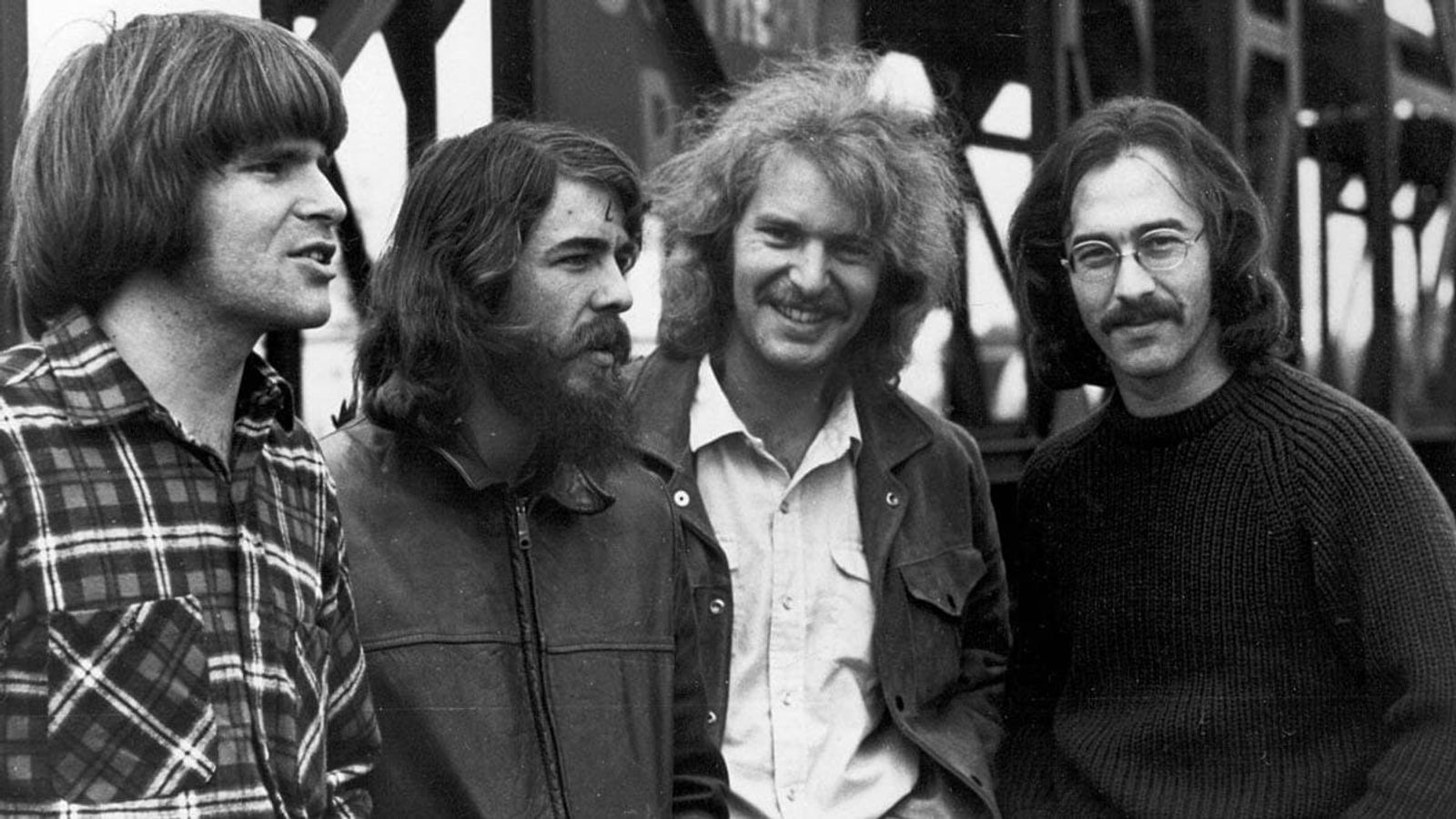
Its influence reached far beyond chart positions, inspiring generations of guitarists who realized that memorable music often comes from tone, rhythm, and conviction rather than endless technical complexity.
There is something wonderfully human about hearing musicians who sound completely immersed in the moment instead of chasing perfection, and that quality keeps the recording emotionally alive decades later.
Even listeners born long after the 1960s can still connect with the song because it carries an energy that belongs to no single decade, reminding us that great rock and roll rarely depends on time.
For older fans, hearing “Susie Q” again often feels like opening a long-forgotten photo album where every familiar sound awakens memories that had quietly waited beneath the surface for years.
Perhaps they remember cruising down quiet highways, dancing in crowded halls, or hearing the record through tiny speakers while dreaming about futures that once seemed limitless and impossibly close.
Those personal memories become inseparable from the music itself, transforming a simple rock song into a soundtrack for lives that continued changing long after the final note faded away.
That is why “Susie Q” continues to matter today, not because it belongs in museums or history books, but because it still feels wonderfully alive every time someone presses play.
The passing decades have changed technology, recording techniques, and musical tastes, yet they have never managed to erase the quiet excitement created by those instantly recognizable opening guitar notes.
Some songs entertain for a season, others dominate the charts for a year, but only a rare few continue whispering across generations with the same confidence they carried on the day they were recorded.
More than half a century later, Creedence Clearwater Revival’s “Susie Q” remains proof that sometimes the simplest songs leave the deepest footprints, carrying the spirit of classic American rock into every new generation willing to listen.
And perhaps that is why, even in 2026, when countless recordings have been forgotten, the first haunting riff of “Susie Q” still has the power to stop us for a moment, smile at the past, and remember why some songs never truly grow old.
Read more stories
- He Was Rejected By His Own Mom And Raised To Think ‘Women Are Evil’ But He Became A Legendary Rockstar
- TOBY KEITH RECORDED SOME OF THE BIGGEST PATRIOTIC ANTHEMS IN COUNTRY MUSIC HISTORY—BUT HIS REAL LEGACY WAS BUILT ON MILITARY BASES WHERE NO CAMERAS WERE ROLLING.
- [Video]: The One-Take Hit That Took Over Rock Radio
- The Box Tops’ “The Letter” Captures Lightning in a Bottle and Redefines Blue-Eyed Soul in 1967-2