
Celebrities & Music
The Hollies’ ‘Carrie Anne’ Captures 1967’s Spirit of Pop Innovation and Expands the Sound of British Rock
The article discusses The Hollies’ song ‘Carrie Anne,’ highlighting its innovative sound and cultural significance during the pop music evolution of 1967. It explores the song’s production, lyrical themes, and lasting influence on the music industry.

Released in May 1967, “Carrie Anne” by The Hollies arrived at a time when pop music was undergoing rapid evolution—and it fit the moment perfectly.
Bursting with radiant vocal harmonies, melodic charm, and a surprising steel drum solo, the song represented both a nod to the group’s Merseybeat roots and a bold step into new musical territory.
It quickly climbed the UK Singles Chart, peaking at No. 3.
The song also became a hit across Europe and in North America.
In the United States, it reached No. 9 on the Billboard Hot 100.
More than just another catchy single, “Carrie Anne” became a landmark for the band’s sound.
It also stood as a symbol of 1967’s creative pop explosion.
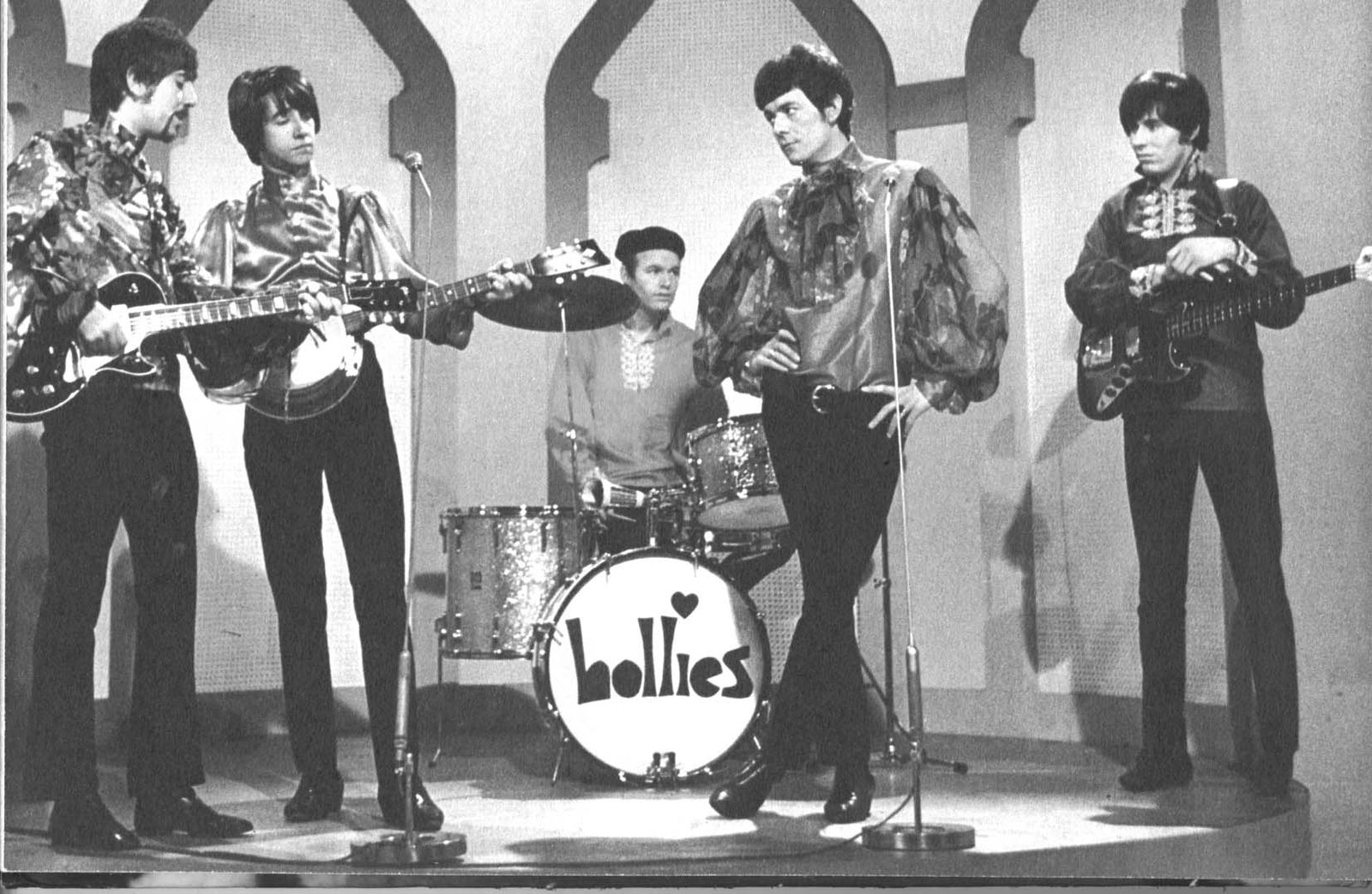
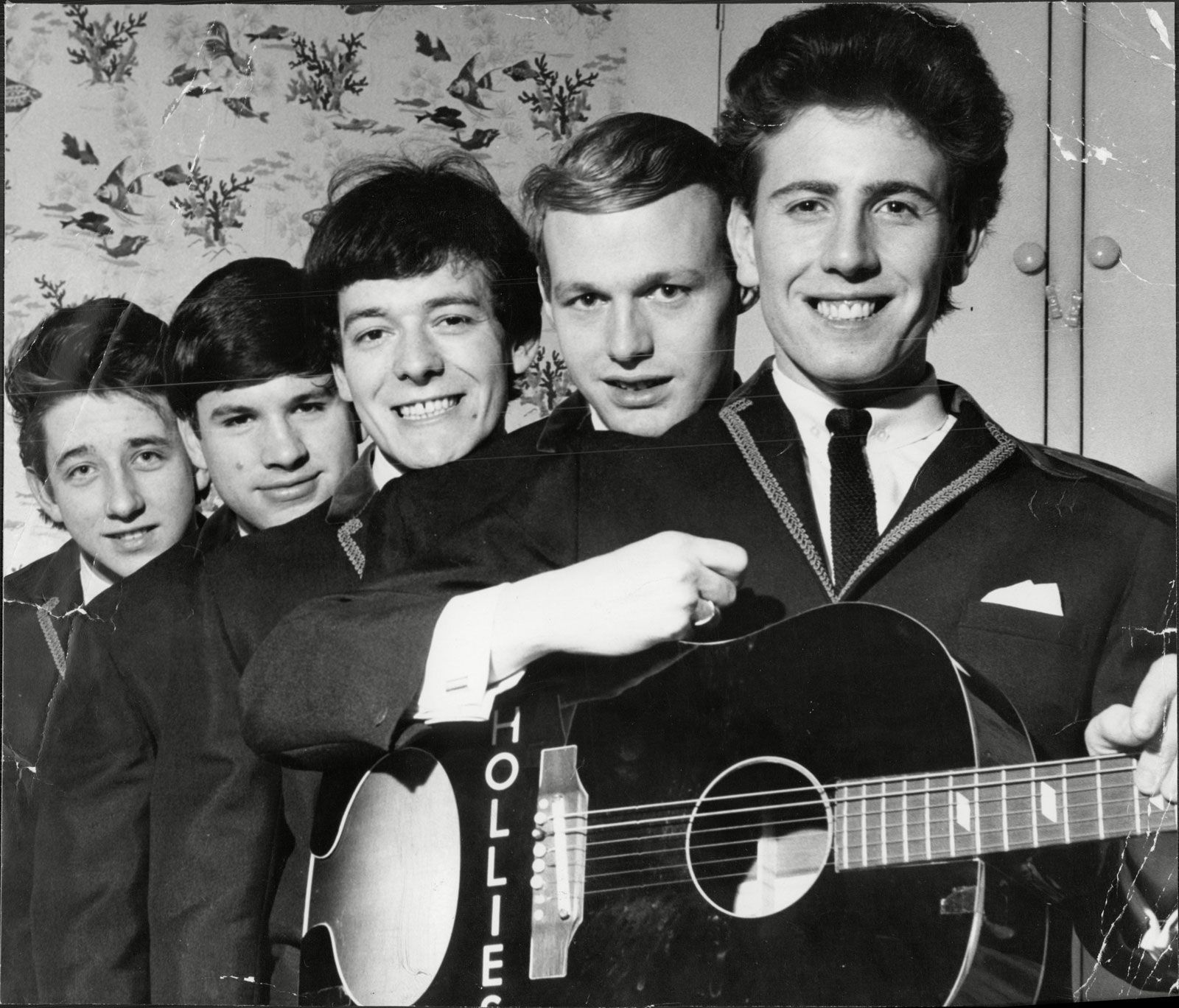
The Hollies, formed in Manchester in the early 1960s, had steadily built a reputation for their infectious vocal interplay and crisp songwriting.
Fronted by Allan Clarke, with Graham Nash and Tony Hicks providing vocal and instrumental brilliance, the group stood out from other British Invasion acts.
Their polished harmonies and bright arrangements became their signature.
By the time “Carrie Anne” was released, they had already scored several hits.
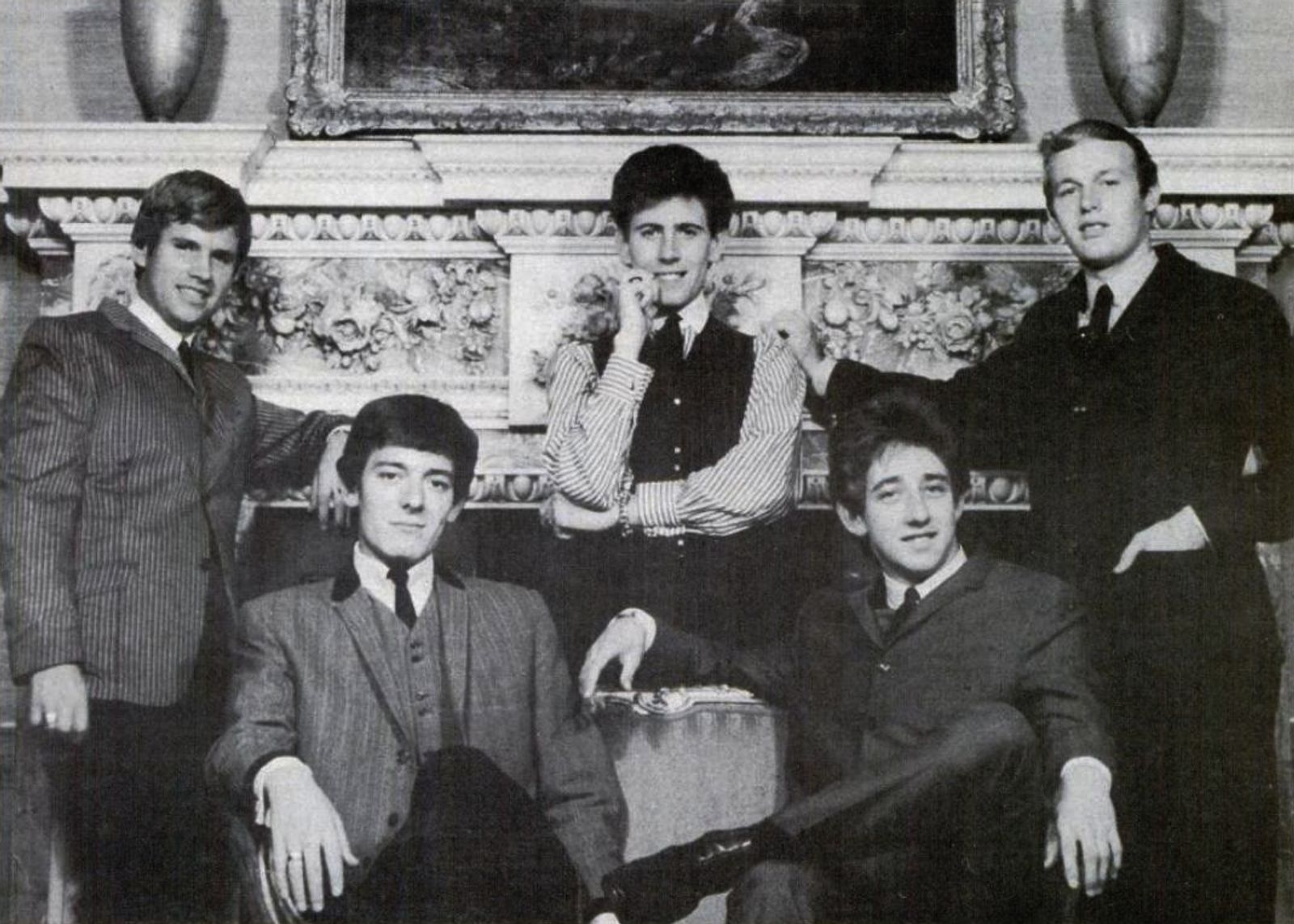
Songs like “Bus Stop” and “Look Through Any Window” had cemented their popularity.
This new single, however, showcased their ability to balance commercial appeal with artistic growth.
According to band members, “Carrie Anne” was inspired by a real woman.
Her true identity, however, has long been debated.
Some fans speculated it was a coded tribute to Marianne Faithfull.
Others believe it simply reflected a common coming-of-age story.
The song portrays a woman admired from afar.
Written by Clarke, Nash, and Hicks during a tour, the track cleverly disguised adolescent longing with poetic subtlety.
This approach made it feel both playful and emotionally authentic.
Its lyric, “You’re no good for me, but free of you, I’ll never be,” captured the internal tug-of-war of youthful romance.
The production of “Carrie Anne” was handled by Ron Richards.
He had worked closely with The Hollies since their early days.
The recording took place at EMI’s Abbey Road Studios.
The session produced one of the most memorable instrumental moments in 1960s pop.
A steel drum solo appeared in the bridge.
This Caribbean flavor was highly unconventional in British pop at the time.
It added a whimsical, summery texture that surprised listeners.
The unexpected sound helped the track stand apart.
Combined with flawless vocal layering and jangly guitar lines, the result felt adventurous yet accessible.
“Carrie Anne” received glowing reviews upon release.
Critics praised its melodic sophistication and production innovation.
The single sold strongly in both the UK and the US.
It earned The Hollies further recognition on the international stage.
Despite competition from groundbreaking releases of the era, the song carved out its own place.
It succeeded thanks to its freshness and charm.
“Carrie Anne” became a radio favorite.
It proved that harmony-driven pop still had a place in the psychedelic era.
Culturally, the song marked a moment of expansion for British pop.
It moved beyond traditional rock and roll formulas.
Its flirtation with exotic instrumentation reflected growing genre openness.
Softer emotional themes also played a role.
Though not overtly radical, the song helped normalize experimentation in mainstream pop.
It broadened what was acceptable on top 40 radio.

For The Hollies, “Carrie Anne” became a defining moment.
It showed they could remain relevant amid a shifting musical landscape.
The song also stayed true to their melodic roots.
Its success opened doors to international tours and television appearances.
It sparked greater interest in their evolving songwriting.
Graham Nash gained confidence from the song’s reception.
This confidence later influenced his pursuit of more ambitious material.
It eventually contributed to his departure for Crosby, Stills & Nash.
Within the broader genre, “Carrie Anne” exerted a quiet influence.
It validated the idea that pop could embrace complexity and remain commercially successful.
Other harmony-driven groups took notice.
Acts like The Bee Gees and The Turtles followed similar paths.
They experimented with arrangement while keeping lyrics light.
Even The Beach Boys acknowledged the harmonic finesse of British contemporaries like The Hollies.
Numerous artists later paid homage to “Carrie Anne.”
Some recorded covers across alternative and folk genres.
None surpassed the original’s popularity.
Still, its core elements remained influential.
Wistful lyrics, layered vocals, and unexpected instrumentation continued to inspire.
At the time of release, The Hollies were undergoing internal change.
Graham Nash was increasingly eager to push creative boundaries.
While “Carrie Anne” stayed rooted in the band’s classic style, tension was forming.
That tension would later lead to his exit.
At the time, however, the song represented a harmonious high point.
Decades later, “Carrie Anne” continues to receive regular airplay.
It remains a favorite on British Invasion and classic pop compilations.
Its timeless quality helps it resonate across generations.
For many listeners, it evokes 1960s optimism and musical possibility.
The song also helped redefine pop production expectations.
It proved experimentation did not require sacrificing melody.
Instead, innovation could enhance accessibility.
Though The Hollies never reached the mythic status of some peers, their influence was substantial.
Songs like “Carrie Anne” cemented their reputation as pop craftsmen.
Their impact on 1960s and early 1970s radio remains undeniable.
Ultimately, “Carrie Anne” stands as a radiant gem in their catalog.
It balances innovation and simplicity.
It blends playfulness with precision.
More than fifty years later, its melody still lingers.
Its charm remains fresh.
Read more stories
- He Was Rejected By His Own Mom And Raised To Think ‘Women Are Evil’ But He Became A Legendary Rockstar
- TOBY KEITH RECORDED SOME OF THE BIGGEST PATRIOTIC ANTHEMS IN COUNTRY MUSIC HISTORY—BUT HIS REAL LEGACY WAS BUILT ON MILITARY BASES WHERE NO CAMERAS WERE ROLLING.
- [Video]: The One-Take Hit That Took Over Rock Radio
- The Box Tops’ “The Letter” Captures Lightning in a Bottle and Redefines Blue-Eyed Soul in 1967-2