
Celebrities & Music
“MY WOMAN, MY WOMAN, MY WIFE” WON A GRAMMY — BUT BENEATH THE APPLAUSE, IT WAS JUST A MAN’S DESPERATE CONFESSION TO THE WOMAN WHO SURVIVED HIS SHADOWS.
Marty Robbins’ song ‘My Woman, My Woman, My Wife’ won a Grammy, but it served as a heartfelt confession to his wife, Marizona, who supported him through his journey in the music industry.

For decades, Marty Robbins captivated America with cinematic ballads of the Old West. He sang of fictional outlaws and tragic gunfights, earning his place as a country titan.
But behind the sold-out arenas was a quieter, harder truth. While millions chased his golden halo, his wife, Marizona, carried the weight of his reality. She was the girl who married a penniless Arizona boy in 1948. She weathered the lonely nights and silent sacrifices that come with loving a man who belongs to the world.
In 1970, Marty stopped inventing stories. He set aside the cowboy persona to write something entirely real. “My Woman, My Woman, My Wife” was not crafted for the masses. Marty later admitted the lyrics were simply the things he had always wanted to say to her. It was a tearful thank-you note, honoring the unyielding grace of the woman who anchored his life.
When that intimate love letter won the Grammy in 1971, it proved something profound. What started as a private whisper suddenly became the exact words millions of men used to thank their own partners. Marty Robbins sang countless epic tales before he passed away. But his truest legacy remains that one quiet song—proving that a legend’s greatest masterpiece is often just a simple thank-you to the one who stayed.
THE INDUSTRY APPLAUDED A GRAMMY WIN — BUT BENEATH THE BRIGHT LIGHTS, IT WAS JUST A DESPERATE CONFESSION TO THE ONLY WOMAN WHO SURVIVED HIS SHADOWS.
For decades, Marty Robbins captivated America as the ultimate, golden-voiced storyteller of the Old West.
He was the undisputed titan of country music, spinning sweeping, cinematic ballads of fictional outlaws, dusty cantinas, and tragic desert gunfights that left millions of listeners hanging on his every flawless note.
The public saw an invincible, towering entertainer in brightly tailored rhinestone suits.
They saw a fearless, charismatic man who raced on the dangerous NASCAR circuit on his weekends and effortlessly dominated the Billboard charts during the week.
But behind the roaring crowds, the flashbulbs, and the sold-out arenas, there was a quieter, much heavier reality playing out in the dark.
While millions of adoring fans chased his legendary aura, his wife, Marizona, carried the unglamorous, exhausting weight of his actual life.
She was not a woman who married a superstar.
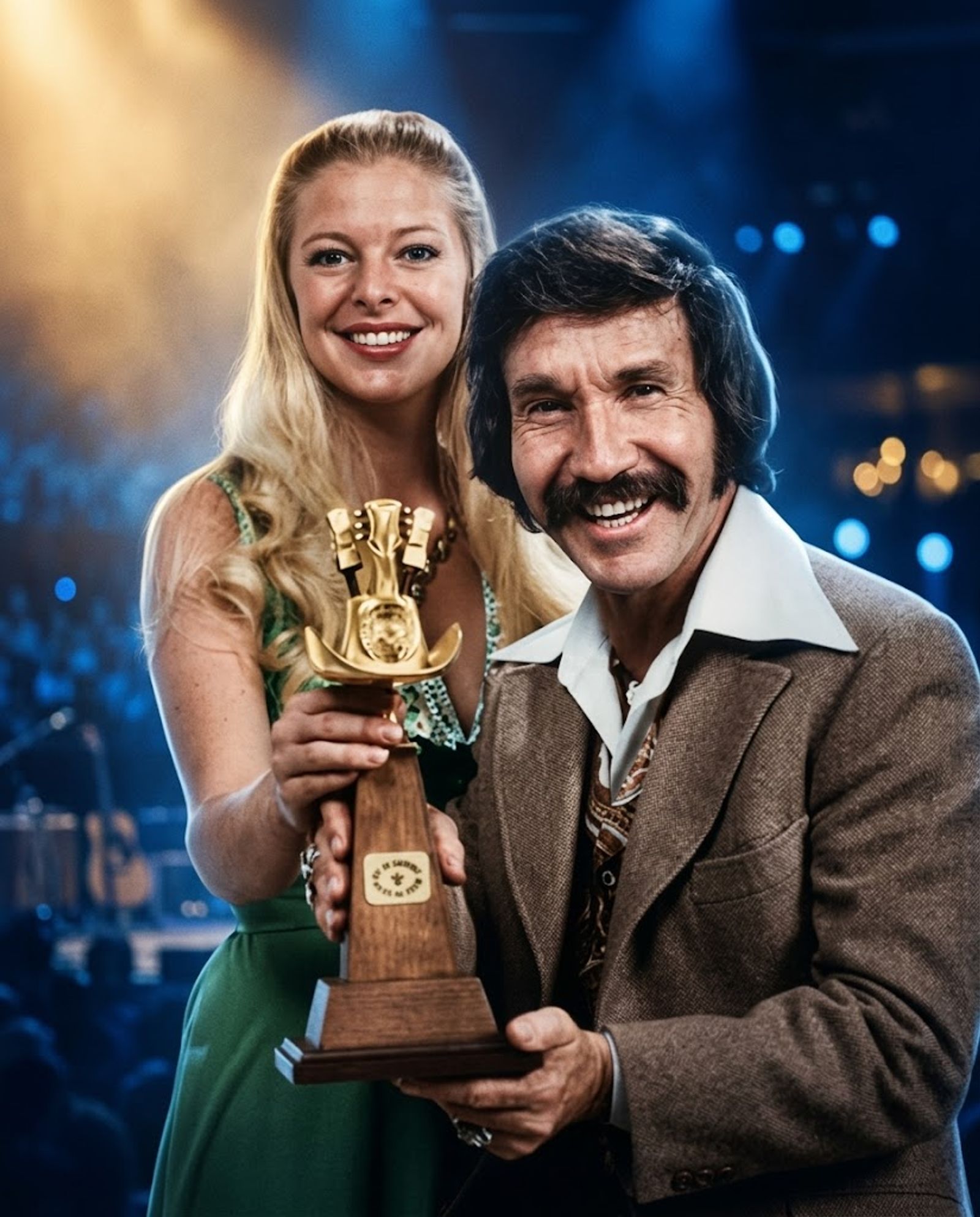
She was the quiet girl who said “I do” to a penniless, terrified Arizona boy in 1948, long before Columbia Records ever knew his name. She had been his entire audience in the half-empty dive bars when he had absolutely nothing to offer but his voice.
As the fame grew to unimaginable heights, so did the crushing distance between them.
Marizona weathered the endless, grueling miles of empty highways and the exhaust fumes of tour buses.
She endured the lonely nights in silent living rooms, raising their children and keeping the lights on while her husband belonged to the rest of the world.
She sat through the agonizing, sterile hospital waiting rooms during his terrifying heart scares, constantly acting as the anchor for a man who lived his life at a reckless, breakneck speed.
In 1970, after a lifetime of inventing brilliant, fictional stories for strangers, Marty Robbins finally stopped making things up.
He set aside the invincible cowboy persona, stripped away all the western bravado, and sat down to write something painfully real.
He penned a song called “My Woman, My Woman, My Wife.”
It was not a calculated attempt to write a radio hit. It was not engineered for the masses.
Marty later admitted that the lyrics were simply the desperate, unspoken things he had always wanted to say to the woman holding his fragile life together.
When he stepped up to the microphone to record it, his pristine voice carried a entirely different kind of weight.
It was a tearful, melodic thank-you note.
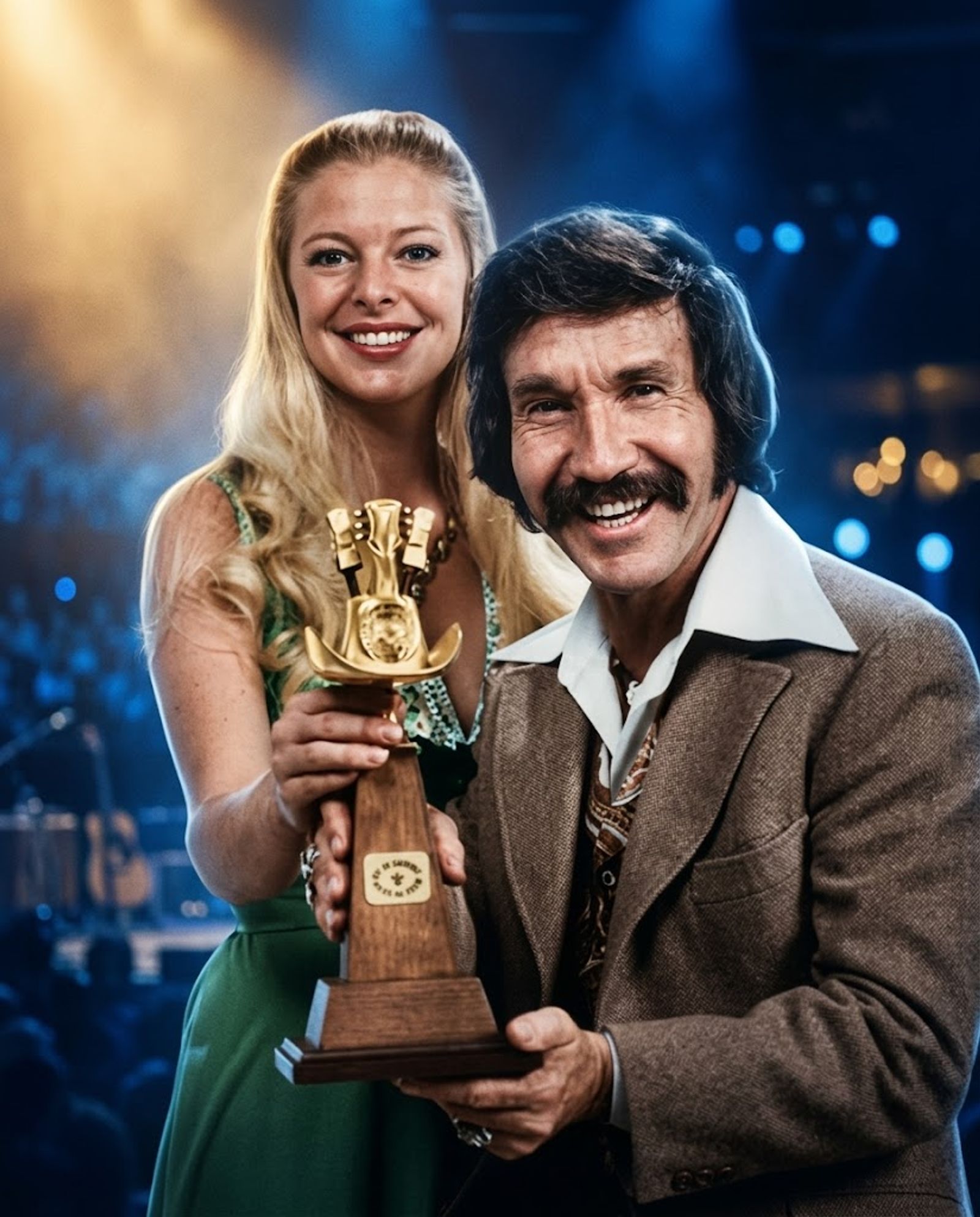
It was a raw, public apology for the grueling years, honoring the unyielding grace of a wife who never once walked away when the stage lights faded and the applause died down.
When that wildly intimate love letter won the Grammy Award in 1971, it proved something profound about the music industry.
The recording academy applauded a masterpiece, completely unaware they were just eavesdropping on a private, vulnerable conversation between a weary husband and his anchor.
But the true, lasting power of the song did not happen on a glittering award stage in Los Angeles.
It happened in quiet living rooms across America.
What started as one man’s whispered confession suddenly became the exact words millions of ordinary working-class men used to thank their own partners.
Men who could not find the emotional vocabulary themselves would play that vinyl record for their wives after a long shift.
They let Marty’s soaring, fragile voice say what their own hardened hearts could not articulate. The song didn’t just win a golden trophy; it gave an entire generation of silent men a way to finally say thank you.
Marty Robbins sang countless epic tales before his tired heart finally gave out in 1982, taking one of the absolute greatest voices in American history with him.
He left behind a towering, untouchable legacy in western music.
But behind the towering legends of El Paso and the enduring myth of the singing cowboy, his truest masterpiece remains one quiet, deeply human ballad.
It stands as a timeless reminder that a legend’s greatest work is often just a simple thank-you to the one who stayed when the music stopped.
Read more stories
- He Was Rejected By His Own Mom And Raised To Think ‘Women Are Evil’ But He Became A Legendary Rockstar
- TOBY KEITH RECORDED SOME OF THE BIGGEST PATRIOTIC ANTHEMS IN COUNTRY MUSIC HISTORY—BUT HIS REAL LEGACY WAS BUILT ON MILITARY BASES WHERE NO CAMERAS WERE ROLLING.
- [Video]: The One-Take Hit That Took Over Rock Radio
- The Box Tops’ “The Letter” Captures Lightning in a Bottle and Redefines Blue-Eyed Soul in 1967-2