
Celebrities & Music
Released in 1959, this unforgettable classic captured the kind of heartbreak that arrives without warning or goodbye.
The article reflects on Ricky Nelson’s 1959 song “It’s Late,” exploring its themes of quiet heartbreak and the emotional weight of unspoken words, which continue to resonate with listeners across generations.

Released in 1959, this unforgettable classic captured the kind of heartbreak that arrives without warning or goodbye. More than six decades later, its quiet emotion continues to resonate with listeners around the world.
Ricky Nelson – It’s Late: The Night Love Quietly Slipped Away
There is a certain kind of heartbreak that never arrives with dramatic goodbyes or slammed doors, but instead sneaks in during the quiet hours when two people suddenly realize they have become strangers standing only a few inches apart.
Released in 1959, “It’s Late” captured that fragile moment with remarkable honesty, proving that some of the deepest emotional wounds come not from anger but from silence.
Unlike many teenage love songs of its era, this wasn’t about the excitement of falling in love.
It was about recognizing that love can slowly fade while both hearts desperately pretend everything is still the same.
Ricky Nelson had already become one of America’s brightest young stars when he recorded the song, admired for his effortless charm, smooth voice, and ability to bridge the worlds of television and rock and roll.
Yet “It’s Late” revealed another side of him that listeners didn’t always expect.
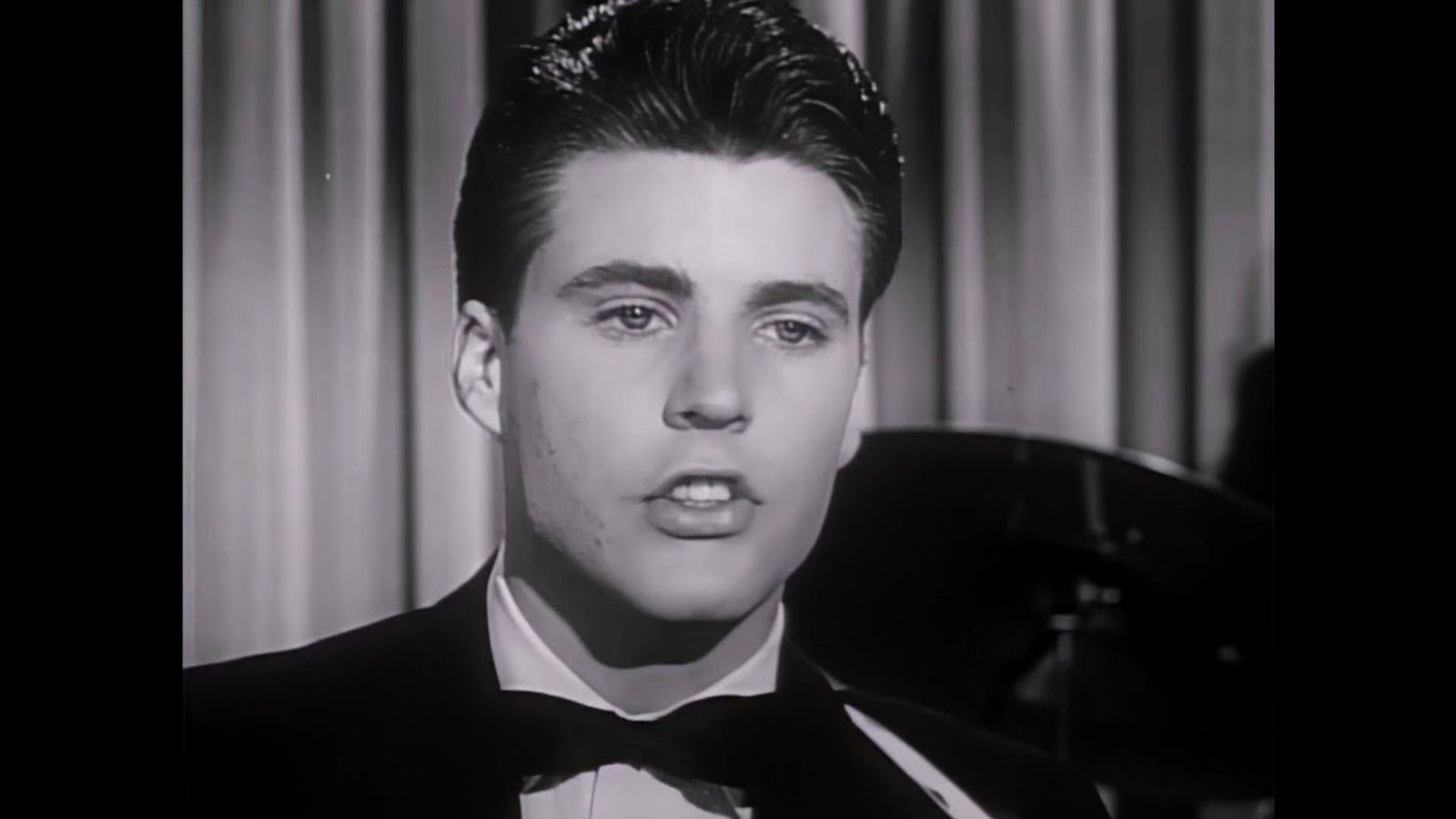
His voice carried neither bitterness nor blame, only the quiet disappointment of someone watching happiness disappear one conversation at a time.
The opening immediately creates the feeling of a long night stretching endlessly before two people who no longer know how to fix what has broken between them.
There are no dramatic accusations.
No theatrical promises.
Only the painful understanding that something precious has already begun slipping away.
That emotional restraint is exactly what makes the song feel timeless.
Real heartbreak rarely announces itself with fireworks.
More often, it arrives in ordinary moments that seem almost insignificant until we realize they were the beginning of the end.
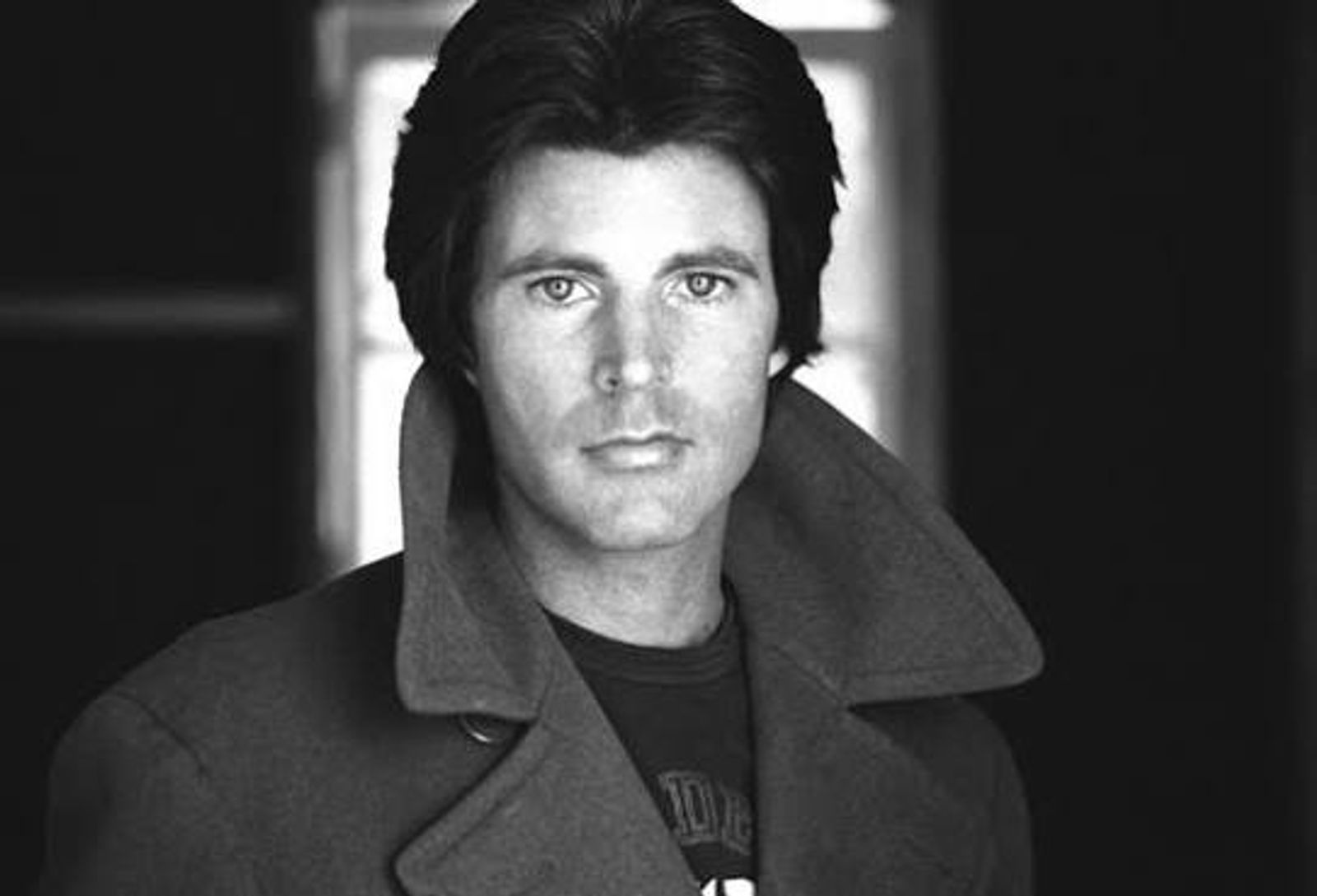
Listening today feels remarkably different than it might have in 1959 because experience teaches us what youth often cannot.
Most people eventually discover that relationships rarely collapse overnight.
They fade through unanswered questions, postponed conversations, and feelings left unspoken for far too long.
Ricky Nelson understood how to communicate those emotions without ever sounding overwhelmed by them.
His performance remains calm, controlled, and deeply human, allowing listeners to recognize pieces of their own stories inside every carefully delivered line.
Behind the gentle melody lies an uncomfortable truth that still resonates decades later.
Sometimes we realize someone is slipping away only after we have spent too much time believing there would always be another tomorrow to make things right.
That idea gives the song an emotional weight far greater than its simple arrangement might initially suggest.
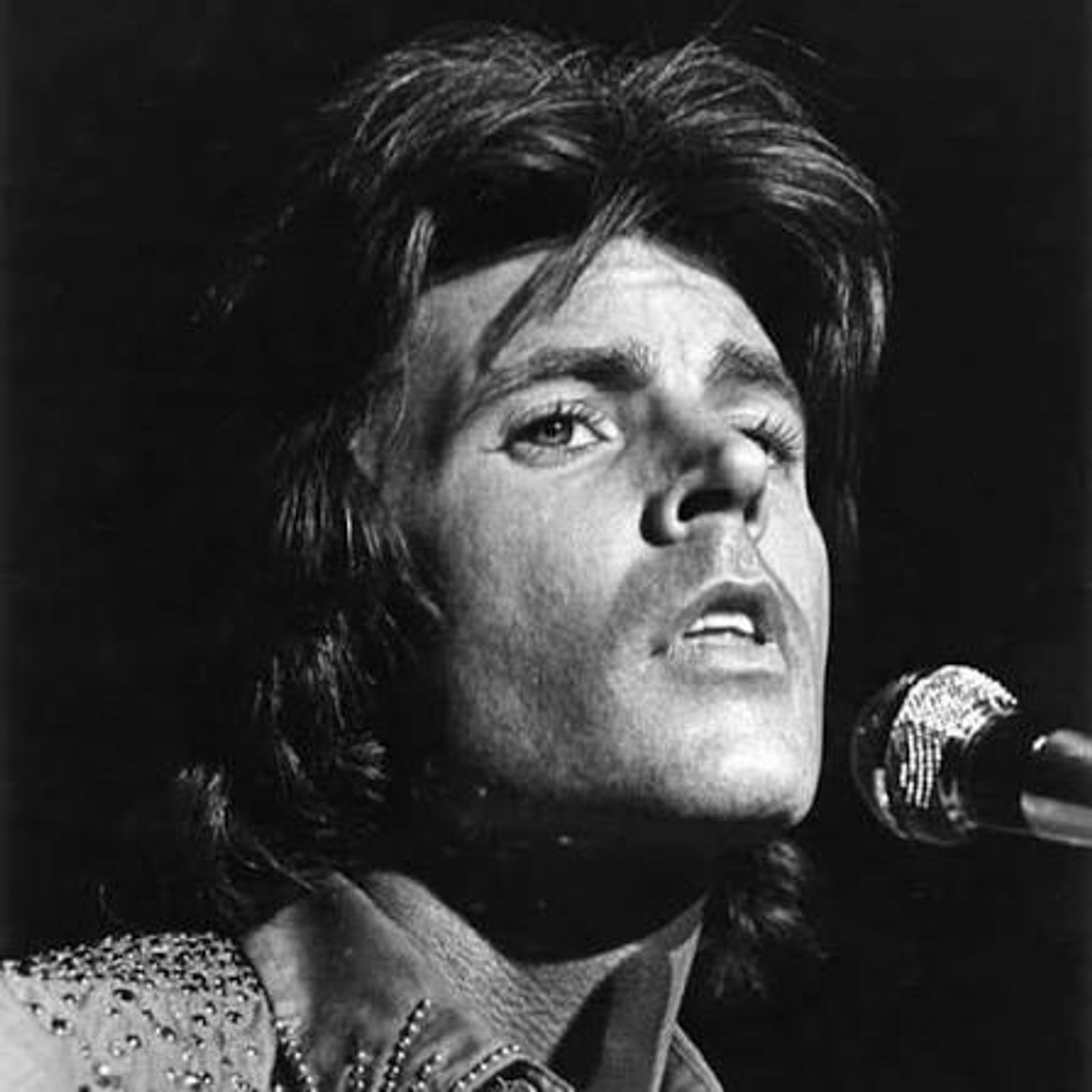
Its melody is easy to remember, but the emotions it leaves behind linger much longer than the final note.
Part of the recording’s lasting beauty comes from its remarkable simplicity.
Nothing feels excessive.
Every instrument quietly supports the story instead of trying to overpower it.
The production reflects an era when emotional honesty mattered more than technical perfection.
That sincerity continues to separate classic recordings from many modern productions filled with louder sounds but fewer lasting emotions.
Many listeners return to “It’s Late” years after first hearing it because its meaning changes as life changes.
Teenagers may hear the sadness of young romance ending.
Adults often hear something much deeper.
They recognize marriages, lifelong friendships, family relationships, and opportunities that slowly disappeared because nobody found the courage to speak before it became too late.
That universal message explains why the recording still reaches new generations despite the passing decades.
The technology has changed.
The fashions have changed.
Even the way people discover music has changed completely.
Yet the fear of realizing love is quietly disappearing remains exactly the same.
There is something profoundly comforting about hearing emotions that refuse to age.
Classic songs remind us that while every generation believes its struggles are unique, the human heart has been asking the same questions for centuries.
How do we know when love is fading?
Can silence become louder than words?
And once enough time has passed, is there ever truly a way back?
“It’s Late” never pretends to have perfect answers.
Instead, it gently invites listeners to sit with those questions, allowing each person to discover their own meaning through memory and experience.
That openness is one reason the song continues to feel personal rather than dated.
No matter how many years pass, someone somewhere is always listening to it after an argument that ended without resolution.
Someone hears it while driving home alone after realizing a relationship cannot be saved.
Someone else hears it decades later beside the person they almost lost, grateful they found the courage to speak before silence won.
Those quiet connections are what transform a good recording into an enduring companion.
Ricky Nelson never needed dramatic vocal gymnastics to move an audience.
His greatest strength was making difficult emotions sound completely natural.
That authenticity still shines through every verse, reminding listeners that honesty often carries far greater power than perfection.
More than sixty years after its release, “It’s Late” continues to whisper a lesson that feels increasingly important in today’s fast-moving world.
Love rarely disappears all at once.
It fades through moments we convince ourselves don’t matter until one day we realize they mattered more than anything else.
Perhaps that is why the song remains unforgettable.
It reminds us that the most important conversations should never be postponed simply because tomorrow seems guaranteed.
Time has a quiet way of making every unspoken word heavier.
Read more stories
- He Was Rejected By His Own Mom And Raised To Think ‘Women Are Evil’ But He Became A Legendary Rockstar
- TOBY KEITH RECORDED SOME OF THE BIGGEST PATRIOTIC ANTHEMS IN COUNTRY MUSIC HISTORY—BUT HIS REAL LEGACY WAS BUILT ON MILITARY BASES WHERE NO CAMERAS WERE ROLLING.
- [Video]: The One-Take Hit That Took Over Rock Radio
- The Box Tops’ “The Letter” Captures Lightning in a Bottle and Redefines Blue-Eyed Soul in 1967-2