
Celebrities & Music
COUNTRY RADIO BANNED LORETTA LYNN’S SONG ABOUT BIRTH CONTROL. THE WOMEN WHO NEEDED IT MOST KEPT ASKING FOR IT.
The article discusses Loretta Lynn’s groundbreaking song “The Pill,” which addressed women’s reproductive rights and faced significant backlash from country radio, highlighting the struggles and realities of women’s lives in the context of country music.

By 1975, Loretta Lynn had already spent more than a decade putting women’s real lives on country radio.
She had sung about husbands coming home drunk.
About cheating.
About divorce.
About women who were tired of being treated like furniture inside their own marriages.
Nashville could tolerate some of it because Loretta still sounded like one of them — an Appalachian mother with a plain voice, a big laugh, and a kitchen-table way of telling the truth.
Then she released “The Pill.”
Loretta had recorded it three years earlier, but MCA had held it back. The song was too blunt for country radio. It was about a married woman who had spent years having children because her husband expected it, then finally found a way to decide what happened to her own body.
Loretta knew that world.
She had married at fifteen. She had four children before she was twenty. She loved Doolittle Lynn, fought with him, built a family with him, and wrote songs from the part of marriage most country records liked to leave behind the curtain.
When “The Pill” came out, radio stations started refusing to play it.
Some programmers said the title alone was too much. Preachers denounced it. Country music had plenty of songs about men drinking, cheating, disappearing for days, and coming home late. But a woman singing that she did not want to keep getting pregnant was suddenly treated like a threat.
Loretta did not back away.
The record kept selling. Women called stations and asked for it. People who had never heard birth control discussed in a country song heard a woman say plainly that she was tired of being “your little brood sow.”
“The Pill” climbed to No. 5 on the country chart and became Loretta’s biggest solo crossover record on the pop chart.
It did not make her less country. It proved country music had been leaving a whole group of women outside the door. Loretta Lynn opened it with one song.
_“Scroll down to the end of the article to listen to music.”_
By 1975, Loretta Lynn had already spent more than a decade putting women’s real lives on country radio.
She had sung about husbands coming home drunk.
About cheating.
About divorce.
About women being expected to hold a family together while everybody else acted like their pain was part of the furniture.
Nashville could tolerate a lot of it because Loretta still sounded familiar.
An Appalachian mother.
A plain voice.
A big laugh.
A kitchen-table way of telling the truth.
Then she released “The Pill.”
The Record Had Been Waiting For Three Years
Loretta had recorded “The Pill” years earlier.
But MCA held it back.
The song was too blunt for country radio.
It was about a married woman who had spent years having children because her husband expected it — then finally found a way to decide what happened to her own body.
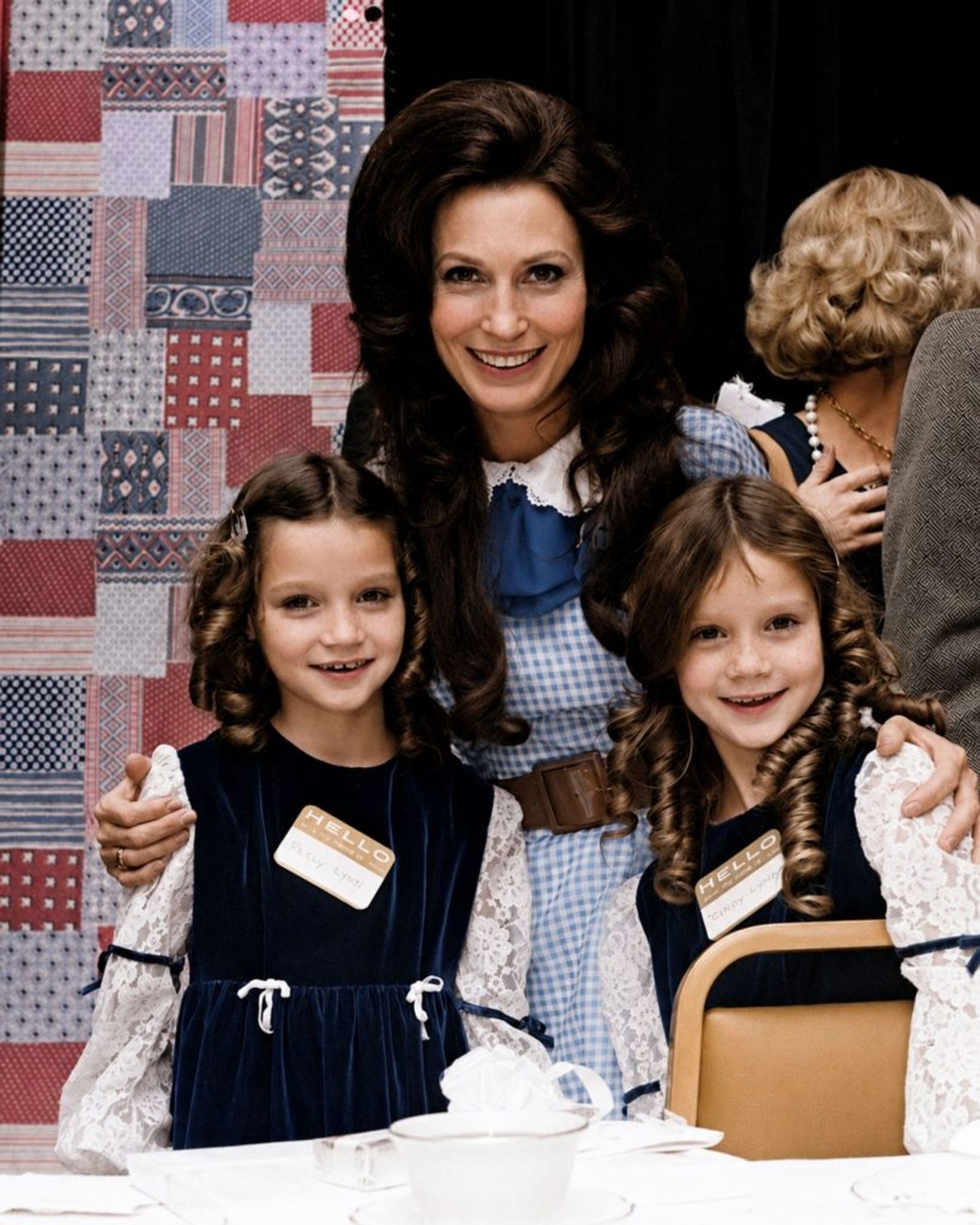
That was not an abstract subject to Loretta.
She had married at fifteen.
She had four children before she was twenty.
She knew what it meant for a woman’s life to be shaped by pregnancies, bills, exhaustion, marriage, and expectations she had not written herself.
Country Music Had Songs About Men Doing Everything Else
When “The Pill” finally came out, some radio stations refused to play it.
The title alone was too much for certain programmers.
Preachers denounced it.
Suddenly, a woman speaking plainly about not wanting to keep getting pregnant was treated like a threat.
That was the contradiction.
Country music already had songs about men drinking.
Cheating.
Leaving for days.
Coming home late.
Breaking promises.
But a woman saying she wanted some control over her own life made people nervous.
Loretta Did Not Pull The Record Back
She did not soften it.
She did not apologize for it.
And the women listening knew exactly what the song meant.
They called radio stations and asked for it.
They heard a country singer say out loud what had often stayed behind closed doors.
A married woman tired of being treated like “your little brood sow.”
That line was not designed for polite company.
It was designed for women who had spent too much of their lives being told not to speak.
The Song Kept Climbing
“The Pill” climbed to No. 5 on the country chart.
It became Loretta’s biggest solo crossover record on the pop chart.
The stations that would not play it could not stop people from hearing about it.
The arguments only made the song travel farther.
Because the issue was not really whether Loretta had gone too far.
The issue was that she had gone straight to a part of women’s lives country music had mostly left outside the door.
What “The Pill” Really Left Behind
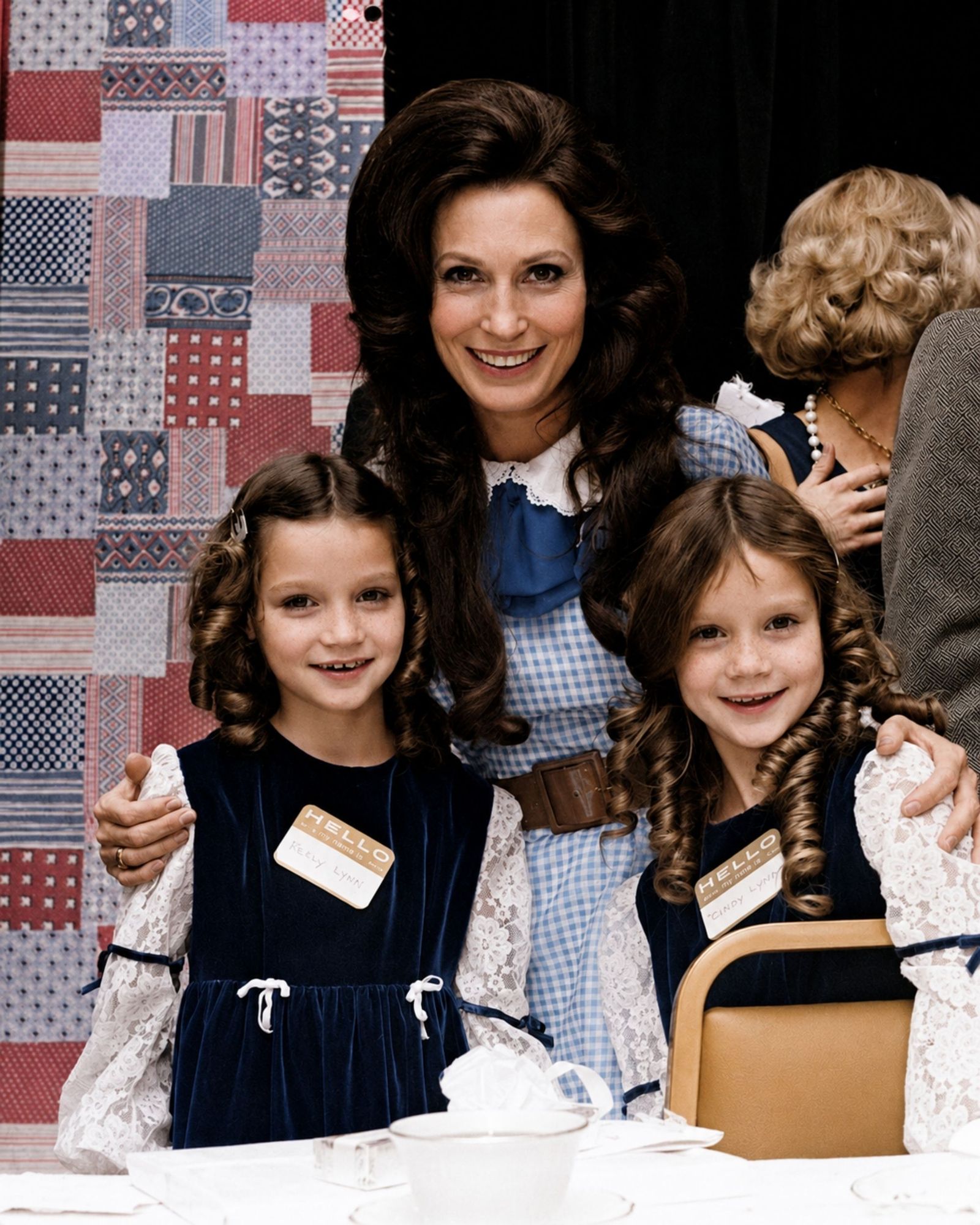
The deepest part of this story is not only that Loretta Lynn had a controversial hit.
It is that she made country music admit who had been missing from the conversation.
A woman who married at fifteen.
Four children before twenty.
A song held back for three years.
Radio bans.
Preachers angry.
Women calling stations.
And one country singer refusing to pretend that motherhood, marriage, and choice were not part of the same real life.
“The Pill” did not make Loretta Lynn less country.
It proved country music had been listening to women’s pain for years — without always letting women name the reason for it.
Video
[EMBED:
LORETTA LYNN BOUGHT HURRICANE MILLS WITH DOOLITTLE IN 1966. THIRTY YEARS AFTER HE DIED, SHE WAS STILL LIVING AMONG THE LAND THEY HAD BUILT TOGETHER.
In 1966, Loretta Lynn and Doolittle were looking for a place big enough to hold a family that had already outgrown the life they started in Washington State.
They found Hurricane Mills, Tennessee. It was more than a house. There were acres of land, an old plantation home, barns, woods, roads, and enough open space for six children to run without hearing Nashville in the distance. Loretta saw a home. Doolittle saw room to build something around her name.
Over the years, Hurricane Mills became all of it. A ranch. A museum. A campground. A stage. A place where fans came to see the house, walk the grounds, buy a ticket, hear music, and stand near the world Loretta had turned into country history. The girl from Butcher Hollow who once needed Doolittle to drive her record from station to station now had people driving across Tennessee to find her.
Then Doolittle died in 1996. They had been married nearly fifty years. Loretta had written about him in songs nobody else could have sung. The cheating. The fighting. The loyalty. The fear. The kind of marriage that could not be reduced to one clean sentence. Doolittle had been the man who bought her first guitar, pushed her toward radio, managed her career, broke her heart, and stayed tied to every chapter of her life anyway.
After he was gone, Loretta did not leave Hurricane Mills. She stayed on the land they had built together. The ranch kept growing. Motocross races came. Fans still visited. Children and grandchildren moved through the same grounds. Loretta kept making records, appearing at the ranch, and greeting people who had come to see the place where “Coal Miner’s Daughter” had become more than a song.
When Loretta Lynn died in October 2022, she died at home in Hurricane Mills. Three days later, they buried her on the ranch beside Doolittle. The woman who had spent a lifetime turning private life into country songs was finally laid down on the same land where so much of that life had stayed waiting for her.
LORETTA LYNN HAD FOUR CHILDREN BEFORE SHE TURNED TWENTY. NASHVILLE HAD NOT HEARD HER NAME, BUT THE SONGS WERE ALREADY STARTING IN THE KITCHEN.
Loretta Webb was fifteen when she married Oliver “Doolittle” Lynn. He was a war veteran from Kentucky. She was a coal miner’s daughter from Butcher Hollow who had barely been away from the hills where she grew up. Not long after the wedding, they left for Custer, Washington — a logging town far from Appalachia, far from Nashville, and far from any place that looked like a music career.
Loretta was pregnant with her first child when they arrived. By the time she was twenty, she had four children. There were diapers, laundry, meals, bills, and a small house crowded with the ordinary work of keeping a young family alive. Doolittle worked. Loretta worked at home. Nobody was waiting in Nashville for a woman with four little children and no record deal.
Then Doolittle bought her a guitar. It was a seventeen-dollar Sears guitar. Loretta did not know many chords. She learned them one at a time. She played around the house, then at local clubs, then wherever somebody would let her stand near a microphone long enough to prove she could sing.
The songs came from the life she already had. They came from women who worked all day and still had to deal with a husband coming home drunk. Women who had babies too young. Women who knew what it felt like to be left behind, talked down to, cheated on, or expected to smile anyway. Loretta did not need Nashville to invent those women for her. She had grown up around them.
In 1960, she recorded “I’m a Honky Tonk Girl.” Doolittle helped press the records, mail them, and drive from station to station trying to get disc jockeys to listen. The song became a hit. Then came Nashville. Then “Success.” “You Ain’t Woman Enough.” “Don’t Come Home a-Drinkin’.” “Coal Miner’s Daughter.” But the real beginning was earlier. It was a young mother in Washington State, with four children in the house and a cheap guitar close enough to reach after the work was done.
SHE HAD MORE THAN A DOZEN OPERATIONS, LIVED WITH PAIN MOST PEOPLE NEVER SAW, AND STILL WALKED ONSTAGE LOOKING LIKE COUNTRY MUSIC’S FIRST LADY.
On record, she sang about divorce, loneliness, children caught in broken homes, women waiting for men to come back, women trying to stand by them anyway. The world heard a great interpreter of heartbreak.
But after the applause, Tammy was often dealing with something much more physical. By the 1970s, serious health problems had begun to follow her. Abdominal pain. Repeated hospital stays. Surgeries that were supposed to help but often seemed to lead to another problem, another recovery, another stretch of time trying to function through pain that did not leave when the show ended.
She kept touring. Tammy could walk into a dressing room weak, exhausted, medicated, and still come out in a gown with the hair perfect and the smile ready. The crowd saw the First Lady of Country Music. They saw “Stand by Your Man.” They saw the woman beside George Jones, then the woman standing without him, then the star who had survived another divorce, another headline, another song written into public memory.
They did not always see the medication bottles. As the years went on, the pain became tied to prescription drugs. The drugs helped her get through the days and nights, but they also brought their own trap. Tammy went through treatment, hospitalizations, and more surgeries. Her body became a battlefield while the career kept asking her to perform as though nothing had changed.
Tammy was not a woman who stopped because the pain came. She kept recording. She kept appearing. She kept making music with George again. She kept reaching the stage because the stage was one of the few places where the hurt could be turned into something people applauded instead of something doctors tried to explain.
By the time she died in 1998, Tammy had spent years living with chronic illness and the consequences of trying to stay upright through it. The public remembered the gowns, the tears, the platinum records, the song about standing by your man. But there was another Tammy behind the curtain. A woman holding herself together long enough to walk into the light.
Read more stories
- He Was Rejected By His Own Mom And Raised To Think ‘Women Are Evil’ But He Became A Legendary Rockstar
- TOBY KEITH RECORDED SOME OF THE BIGGEST PATRIOTIC ANTHEMS IN COUNTRY MUSIC HISTORY—BUT HIS REAL LEGACY WAS BUILT ON MILITARY BASES WHERE NO CAMERAS WERE ROLLING.
- [Video]: The One-Take Hit That Took Over Rock Radio
- The Box Tops’ “The Letter” Captures Lightning in a Bottle and Redefines Blue-Eyed Soul in 1967-2