News
Released in 1975, this song didn’t chase love — it waited for it.
The article explores the enduring emotional resonance of The Eagles’ song “One of These Nights” and Patsy Cline’s “Three Cigarettes in an Ashtray,” highlighting their themes of longing and heartbreak.
Released in 1975, this song didn’t chase love — it waited for it. A late-night groove, a restless heart, and a feeling that never quite finds resolution. Nearly 50 years later, it still sounds like longing you can’t put into words…
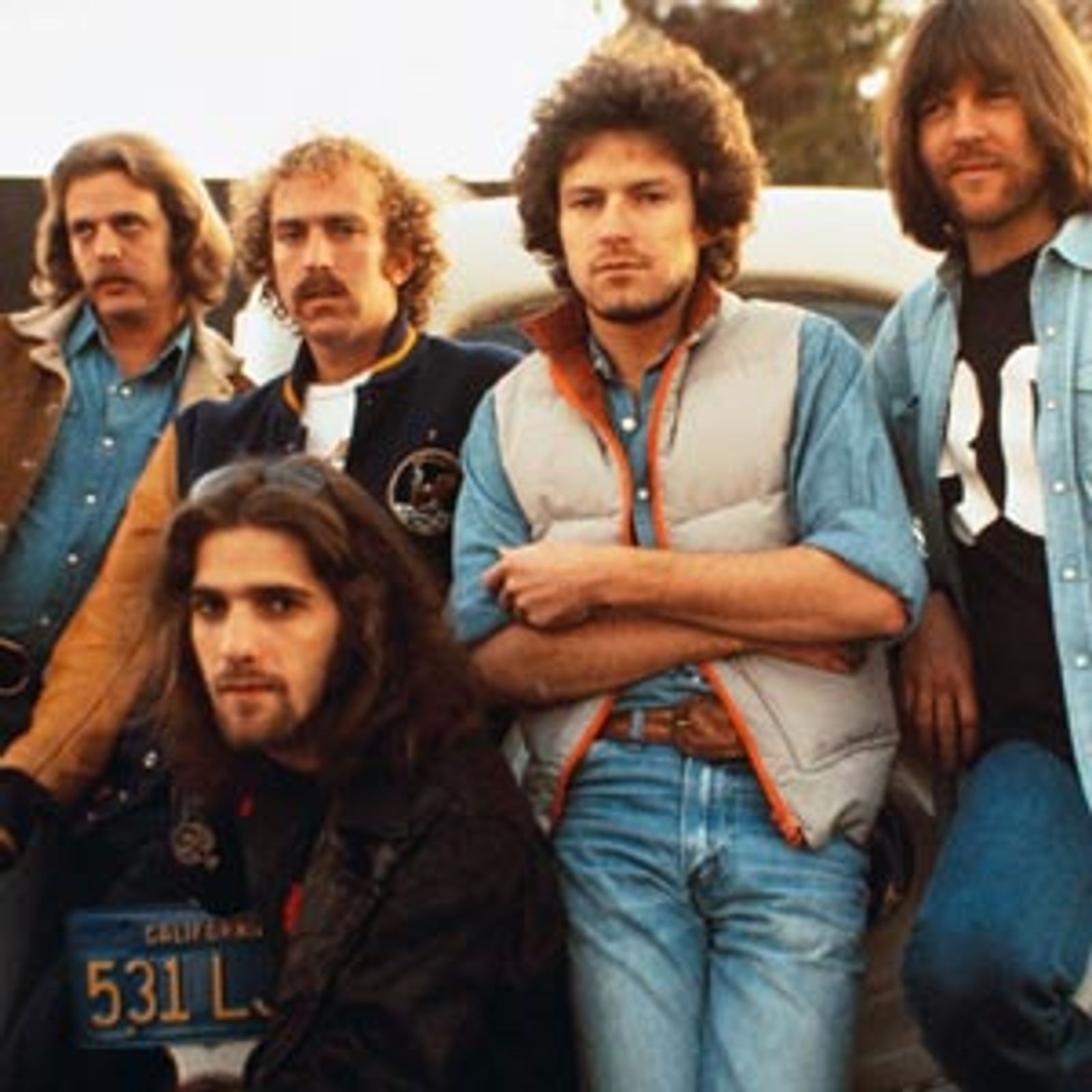
In the mid-1970s, when American rock was drifting away from raw folk simplicity and leaning into polish, atmosphere, and late-night introspection, The Eagles released a song that perfectly captured that transition.
“One of These Nights,” released in 1975, wasn’t just a hit single — it was a mood, a confession, and a quiet obsession wrapped in a slow, hypnotic groove.
By the time the song arrived, The Eagles were no longer just the laid-back, country-rock band behind “Take It Easy.”
They were evolving — musically and emotionally.
“One of These Nights” marked that turning point, revealing a darker, more sensual side of the band that listeners hadn’t fully heard before.
Written by Don Henley and Glenn Frey, the song explores longing in its purest form.
Not love fulfilled, not heartbreak — but desire suspended in time.
That restless feeling of waiting for something you’re not sure will ever happen.
“One of these nights, one of these crazy old nights…” — the line feels less like a promise and more like a hope whispered to yourself in the dark.
Musically, the track stands out immediately.
Built on a smooth, pulsing bass line and subtle funk influence, it moves differently from the Eagles’ earlier work.
The rhythm doesn’t rush.
It glides.
Guitars shimmer rather than shout, and the harmonies float just above the surface, creating an almost nocturnal atmosphere — like driving alone at 2 a.m. with your thoughts louder than the radio.
Don Henley’s vocal delivery is key to the song’s power.
There’s restraint in his voice, but also tension.
He doesn’t oversell the emotion.
Instead, he lets it simmer — allowing the listener to project their own longing into every pause, every held note.
Lyrically, “One of These Nights” is intentionally vague, and that’s exactly why it works.
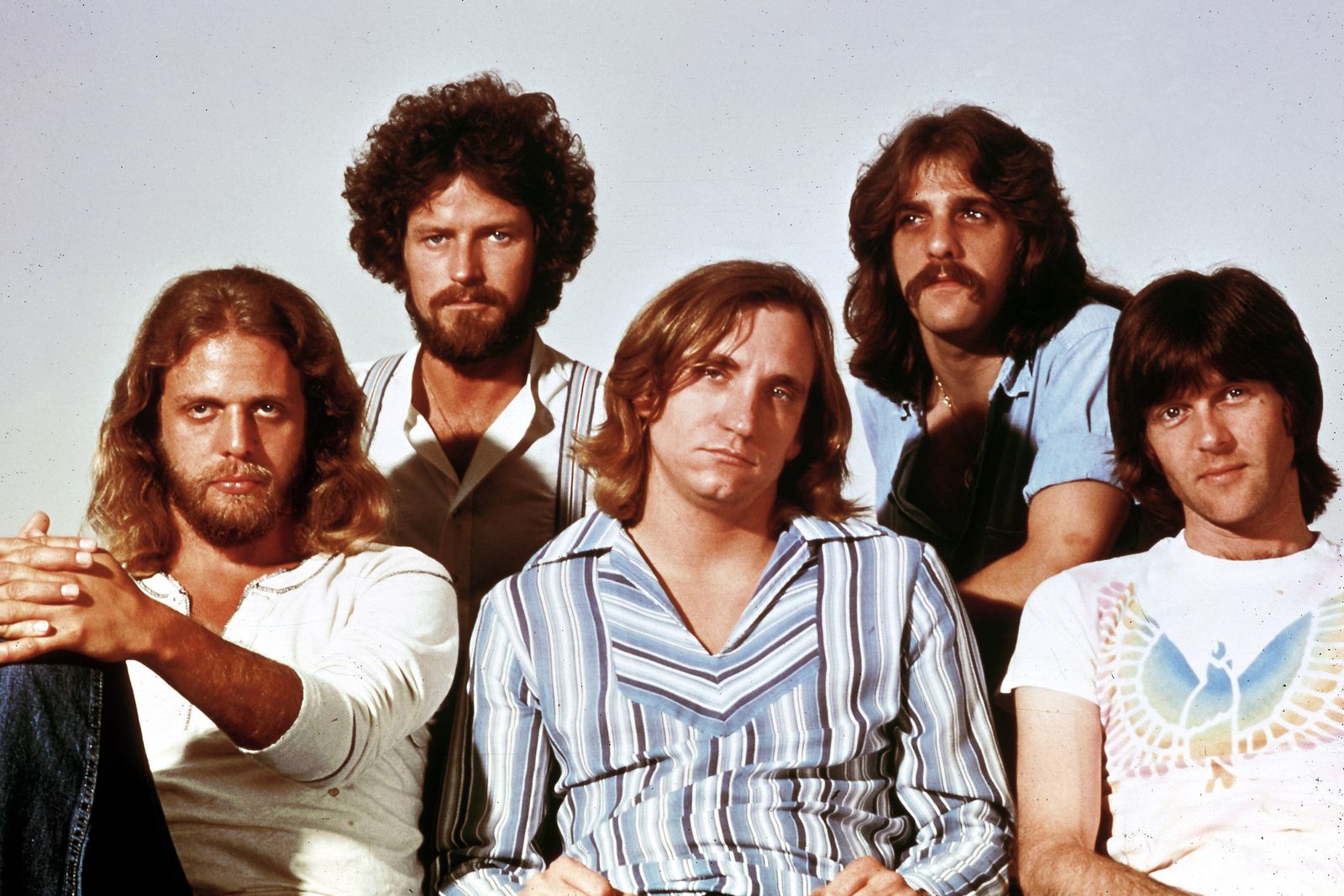
The song never tells you who he’s waiting for, or what will happen when that night finally comes.
It captures the universal experience of desire without resolution — something almost everyone has felt but rarely articulated so precisely.
Released as the title track of the album One of These Nights, the song quickly resonated with audiences.
It reached No. 1 on the Billboard Hot 100 in August 1975, becoming the band’s first chart-topping single.
But its success wasn’t just commercial.
It signaled that The Eagles were capable of more than catchy radio hits — they were storytellers of emotional states.
The album itself reflected this shift.
Themes of loneliness, temptation, excess, and emotional distance began to surface more clearly — ideas that would later be explored even more deeply on Hotel California.
In many ways, “One of These Nights” feels like a bridge between eras: the innocence of early Eagles and the complexity of what came next.
Over the decades, the song has remained a quiet favorite rather than an overplayed anthem.

It’s the track people rediscover late at night.
The one that suddenly hits harder years later than it ever did before.
There’s a reason “One of These Nights” still lingers.
It doesn’t demand attention.
It waits — patiently — just like the feeling it describes.
In the end, the song isn’t about whether that night ever comes.
It’s about the waiting itself.
And that may be why, nearly fifty years later, it still feels unfinished in the best possible way — like a thought you never quite stop thinking.
Released in the late 1950s, this song turns a quiet detail into a moment of devastating clarity. No shouting, no accusations—just one glance, and everything changes. Decades later, that restrained heartbreak still lingers in the air.
In the early 1950s, Patsy Cline recorded “Three Cigarettes in an Ashtray,” a song that quietly revealed the emotional depth and vulnerability that would later define her legacy as one of country music’s most unforgettable voices.
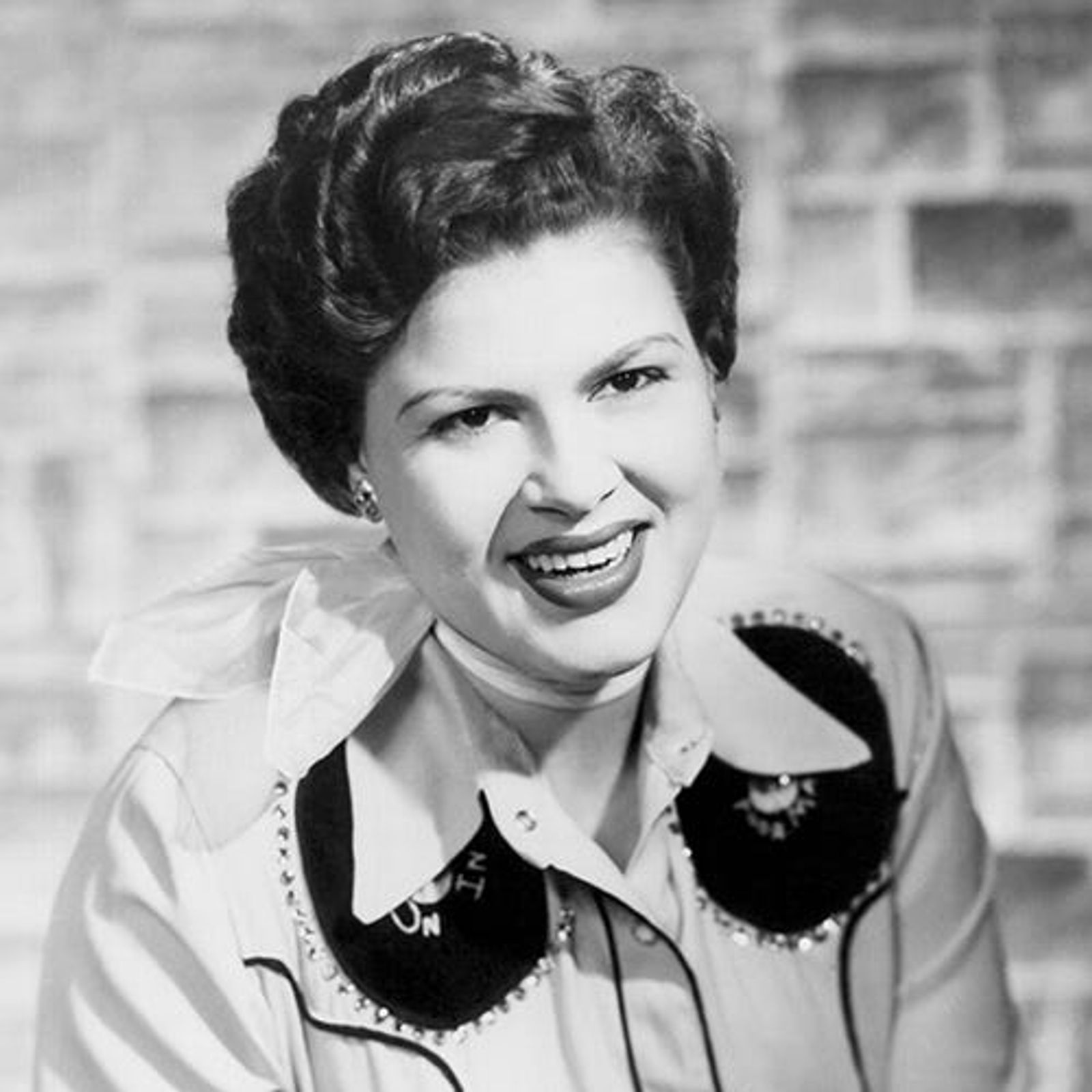
Released in 1957 as her debut single, the song did not become a major hit at the time, yet it carried all the hallmarks of Patsy Cline’s future greatness—heartache, restraint, and an aching honesty that lingered long after the final note faded.
Written by Eddie Miller and W.S. Stevenson, “Three Cigarettes in an Ashtray” tells a simple but devastating story of betrayal, told through a small, intimate image.
Two people sit together, sharing drinks and conversation, until the narrator notices three cigarettes burning in the ashtray.
In that quiet moment, the truth becomes unavoidable.
Someone else has been there.
The song’s power lies in its subtlety, using everyday objects to convey emotional collapse rather than dramatic confrontation.
This kind of storytelling was deeply rooted in traditional country music, but Patsy Cline’s delivery elevated it beyond genre boundaries.
Born Virginia Patterson Hensley in 1932, Patsy Cline grew up in Winchester, Virginia, surrounded by hardship and resilience.
Her childhood was marked by financial struggle and personal loss, experiences that would later give her voice its unmistakable emotional weight.
By the time she entered the recording studio as a young woman, she already possessed a rare ability to convey pain without exaggeration.

In “Three Cigarettes in an Ashtray,” her voice is controlled, almost calm, yet heavy with unspoken hurt.
She does not accuse or plead.
She simply observes.
That restraint makes the heartbreak feel more real, more human.
At the time of the recording, Patsy Cline was still finding her place in the industry, working with producer Paul Cohen at Decca Records.
The arrangement is spare and understated, featuring gentle instrumentation that allows her voice to remain the emotional centerpiece.
There are no dramatic flourishes, no soaring crescendos—only a steady, mournful pace that mirrors the slow realization of betrayal.
Although the song failed to chart upon release, it would later be recognized as an early glimpse of Cline’s extraordinary interpretive skill.
In hindsight, “Three Cigarettes in an Ashtray” feels like a quiet prologue to the more polished, orchestral heartbreak she would deliver in later classics such as “Crazy,” “I Fall to Pieces,” and “She’s Got You.”
What sets this song apart is its intimacy.
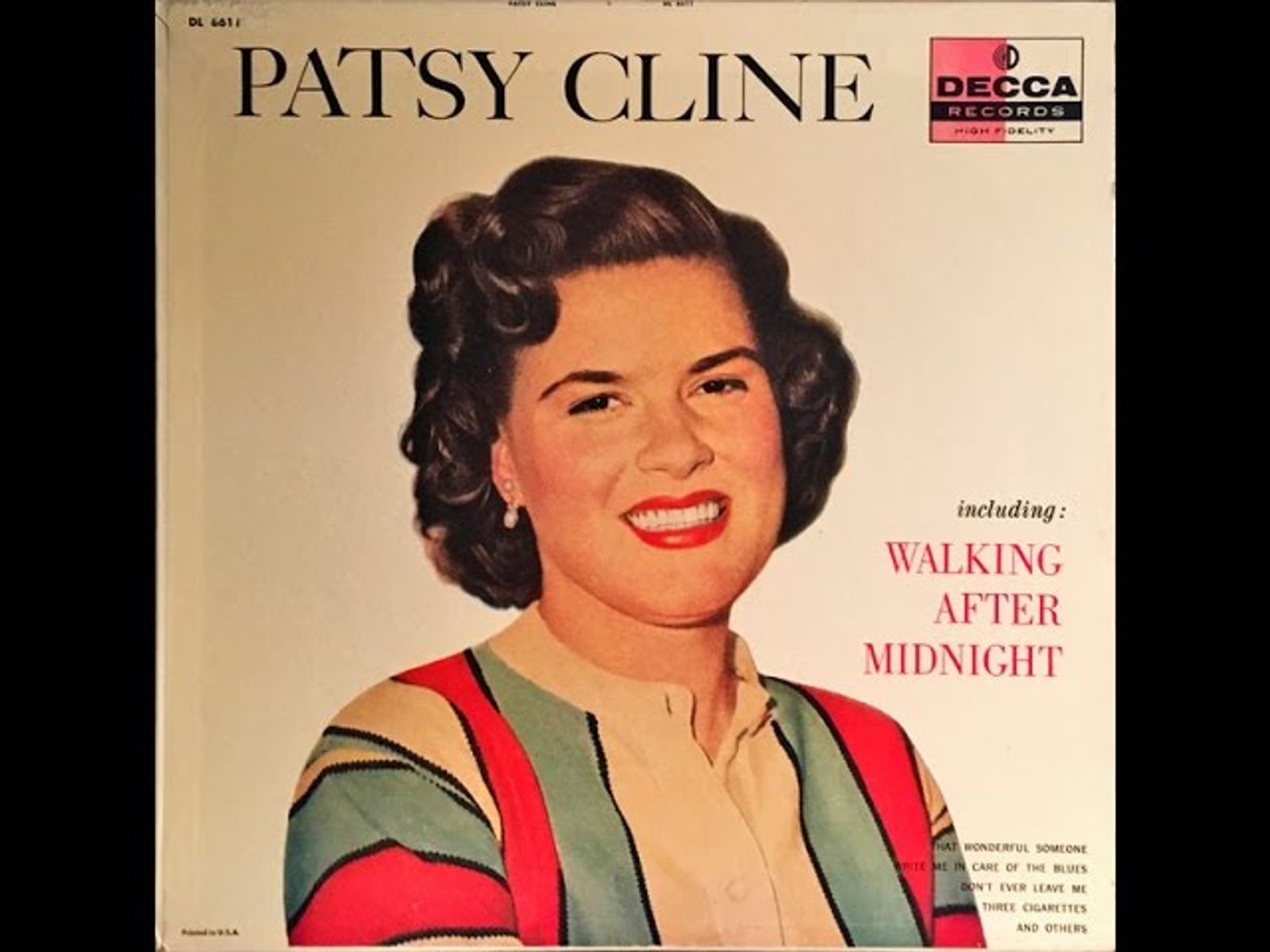
It feels less like a performance and more like a confession overheard late at night, when emotions surface without restraint.
The listener is not pushed to feel sorrow; instead, they are invited to sit with it.
This emotional realism became one of Patsy Cline’s defining traits.
As her career progressed into the late 1950s and early 1960s, she would help reshape country music’s relationship with pop, much like Dean Martin did from the opposite direction.
Yet even as her sound grew more sophisticated, the emotional core remained unchanged.
“Three Cigarettes in an Ashtray” stands as proof that long before fame and chart success, Patsy Cline already understood how to make heartbreak sound timeless.
After her tragic death in a plane crash in 1963 at the age of 30, listeners began revisiting her early recordings with renewed appreciation.
Songs that once went unnoticed gained new meaning, revealing the full arc of an artist whose talent far exceeded her brief lifetime.
Today, “Three Cigarettes in an Ashtray” is often cited as one of her most haunting early performances.
It is not her most famous song, nor her most technically impressive, but it captures something essential—an artist learning how to tell the truth through music.
The song continues to resonate because its theme is universal.
Heartbreak rarely announces itself loudly.
Sometimes, it reveals itself in silence, in small details, in something as ordinary as an extra cigarette burning in an ashtray.
More than half a century later, Patsy Cline’s voice still carries that moment with quiet dignity and emotional clarity.
“Three Cigarettes in an Ashtray” remains a reminder that great songs do not always need grand gestures.
Sometimes, all they need is honesty, restraint, and a voice capable of making the smallest detail feel unforgettable.