
Celebrities & Music
Gary Puckett and the Union Gap’s ‘Lady Willpower’: The Timeless Ballad That Captured a Generation (1968)
The article explores the enduring impact of Gary Puckett and the Union Gap’s song “Lady Willpower,” released in 1968, highlighting its emotional depth and timeless appeal across generations.

Released in 1968, this powerful ballad turned a simple plea into one of the most memorable love songs of its era. Decades later, its emotional message still resonates.
In the late 1960s, when radio stations still ruled the day and every new melody seemed capable of changing a life, a powerful voice emerged from the crowded airwaves and captured the hearts of millions with a song that felt both romantic and cautionary.
That voice belonged to Gary Puckett, and the song was “Lady Willpower,” a recording that carried the dramatic emotion, elegance, and sincerity that defined an unforgettable era of popular music.
At first listen, the song appears to be a simple plea from a man urging a young woman to resist temptation, yet beneath its polished arrangement lies a deeper story about vulnerability, restraint, and the complicated emotions that often accompany love.
Released in 1968 by Gary Puckett and the Union Gap, the record arrived during a period when popular music was rapidly evolving, with psychedelic sounds, protest songs, and experimental recordings competing for public attention.
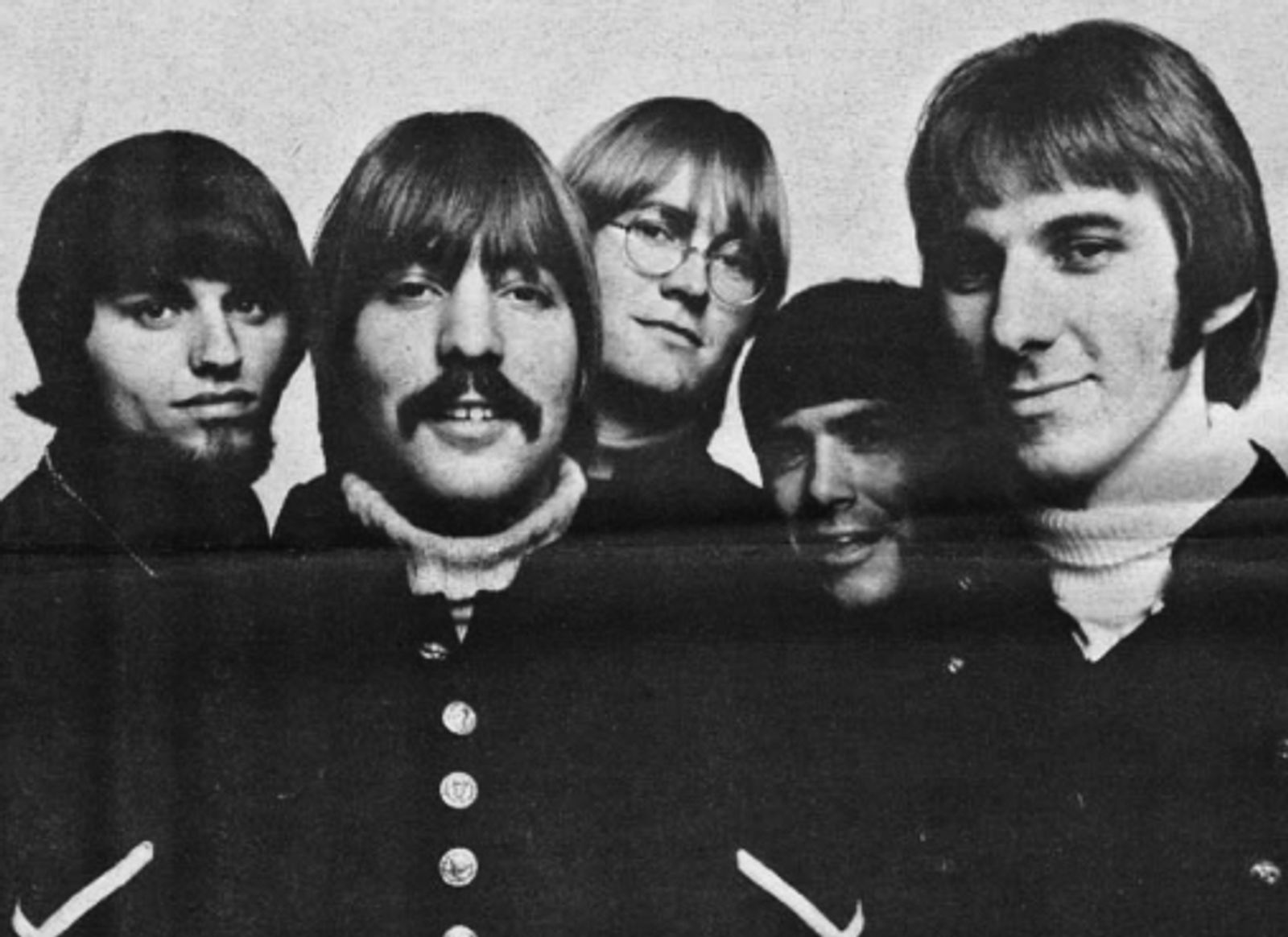
Yet “Lady Willpower” chose a different path, embracing lush orchestration, heartfelt lyrics, and a timeless melody that stood proudly apart from many of the musical trends of its day.
The result was a song that felt both contemporary and classic, appealing to young listeners while also winning the admiration of older generations who appreciated its traditional romantic sensibilities.
From the opening notes, there is a sense of urgency woven into the music, as if the singer understands that a single moment could alter the course of two lives forever.
Gary Puckett’s voice became the song’s greatest instrument, soaring through the arrangement with remarkable strength while still revealing a tenderness that made every word believable.
Unlike many singers who relied on vocal power alone, Puckett possessed an ability to communicate emotional conflict, allowing listeners to hear both confidence and uncertainty within the same phrase.
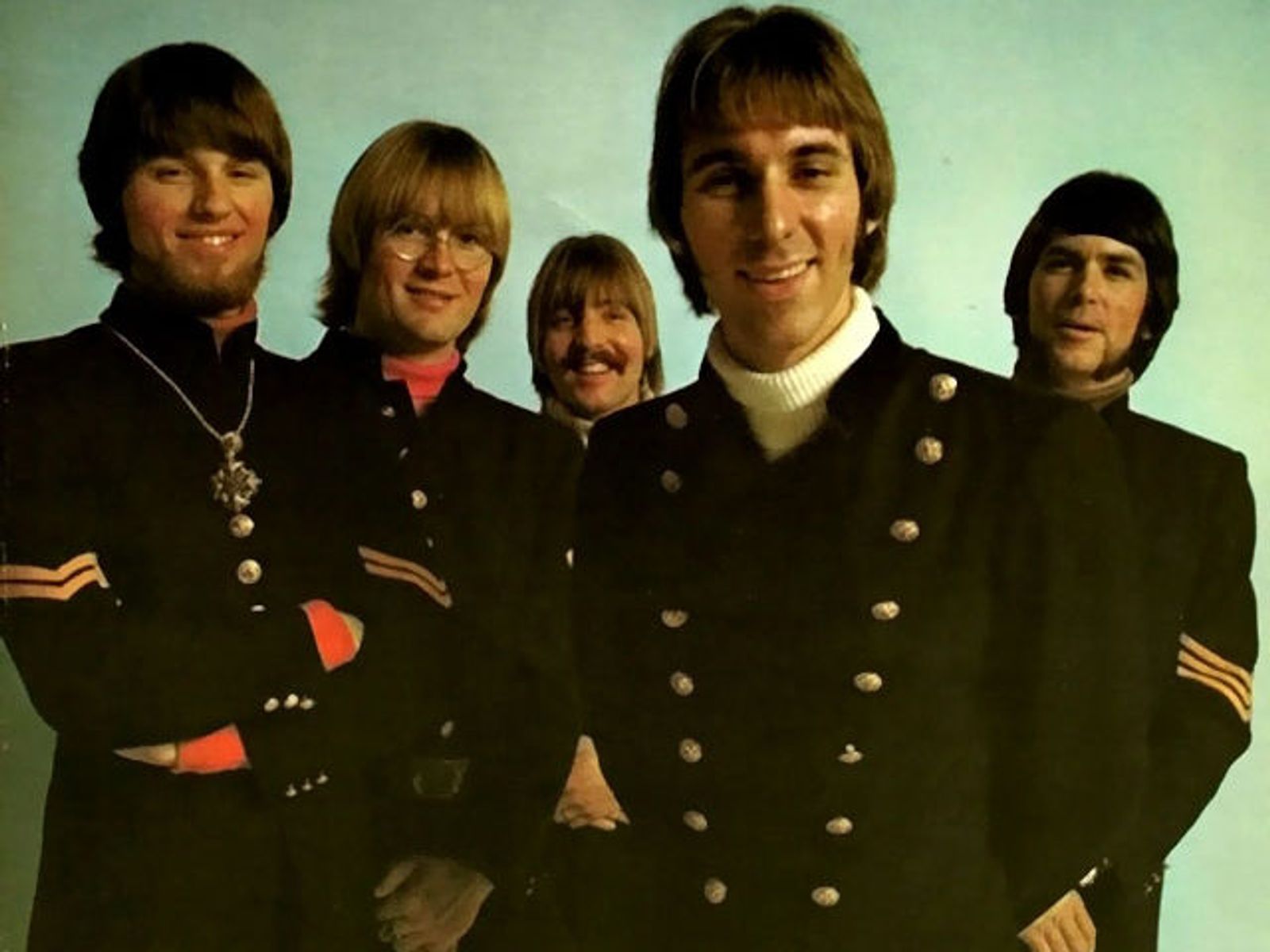
That emotional complexity helped transform the song from a pleasant pop recording into something far more memorable and enduring.
The lyrics revolve around a man encouraging a woman to rely on her willpower, suggesting that their feelings may be moving faster than wisdom would recommend.
Whether listeners interpreted the song as protective, romantic, or even slightly controversial, it sparked conversations and emotions that kept people returning to it again and again.
Part of the song’s lasting appeal comes from the fact that it never fully explains every detail of the situation, leaving room for individual interpretation.
Listeners could project their own experiences onto the story, remembering youthful relationships, difficult decisions, or moments when emotion threatened to overpower reason.
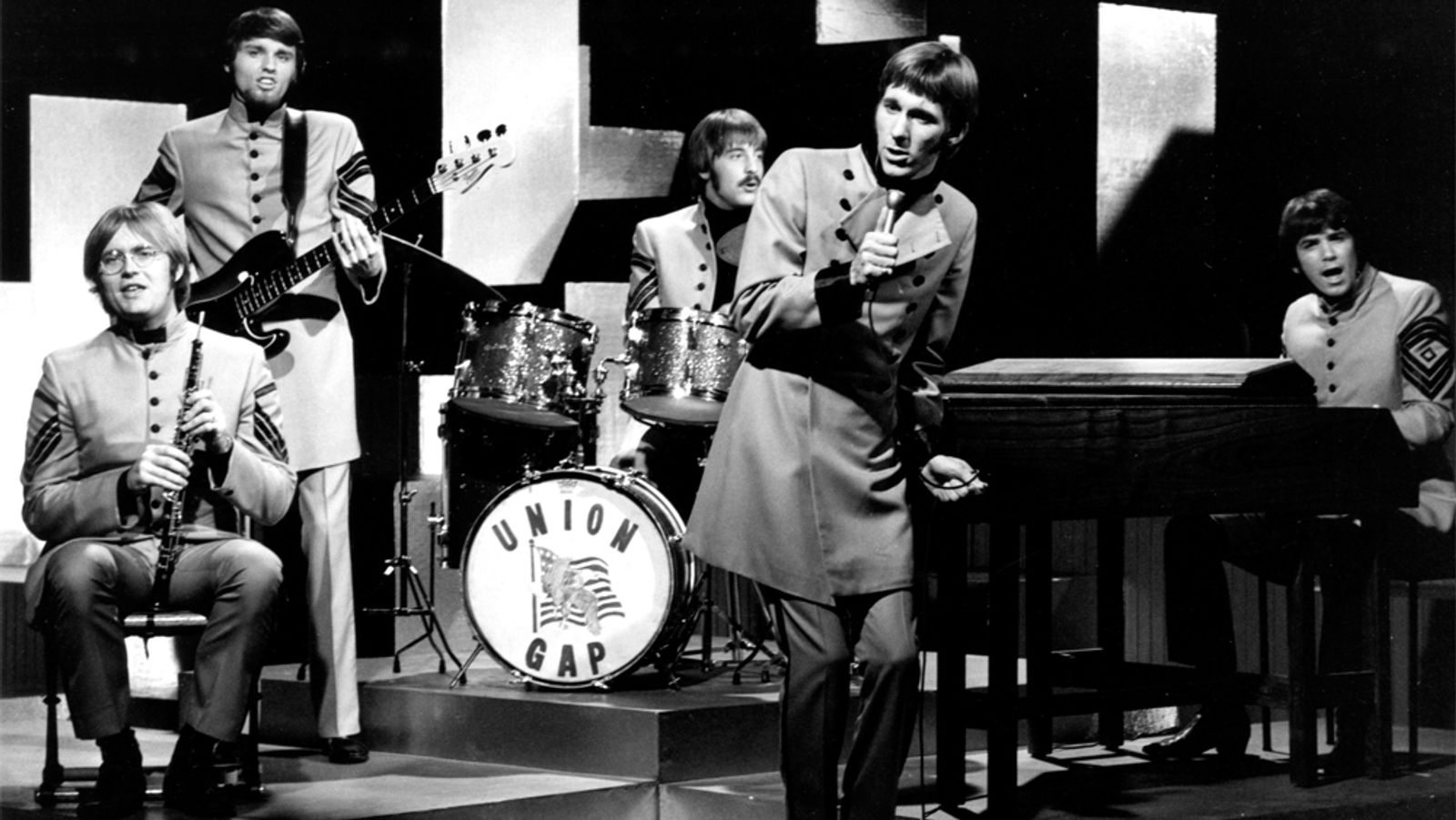
The arrangement itself reflects the grandeur that characterized many of the finest pop productions of the late 1960s.
Rich strings sweep through the background, brass instruments add dramatic flourishes, and carefully layered harmonies create an atmosphere that feels almost cinematic.
Every element seems designed to support the emotional journey unfolding at the center of the song.
When “Lady Willpower” climbed the charts, it confirmed that Gary Puckett and the Union Gap were more than a passing sensation.
The group had already demonstrated their ability to connect with audiences, but this recording elevated their reputation to an entirely new level.
Suddenly, their music could be heard everywhere, from car radios and diners to living rooms where families gathered around record players after dinner.
For many listeners, the song became permanently linked to memories of first loves, summer evenings, school dances, and long drives beneath endless skies.
That connection between music and memory is one of the reasons certain songs survive long after their original chart success has faded.
Decades may pass, fashions may change, and technologies may transform the way people consume music, yet a powerful song retains its ability to transport listeners backward through time.
Few recordings demonstrate that phenomenon more effectively than “Lady Willpower.”
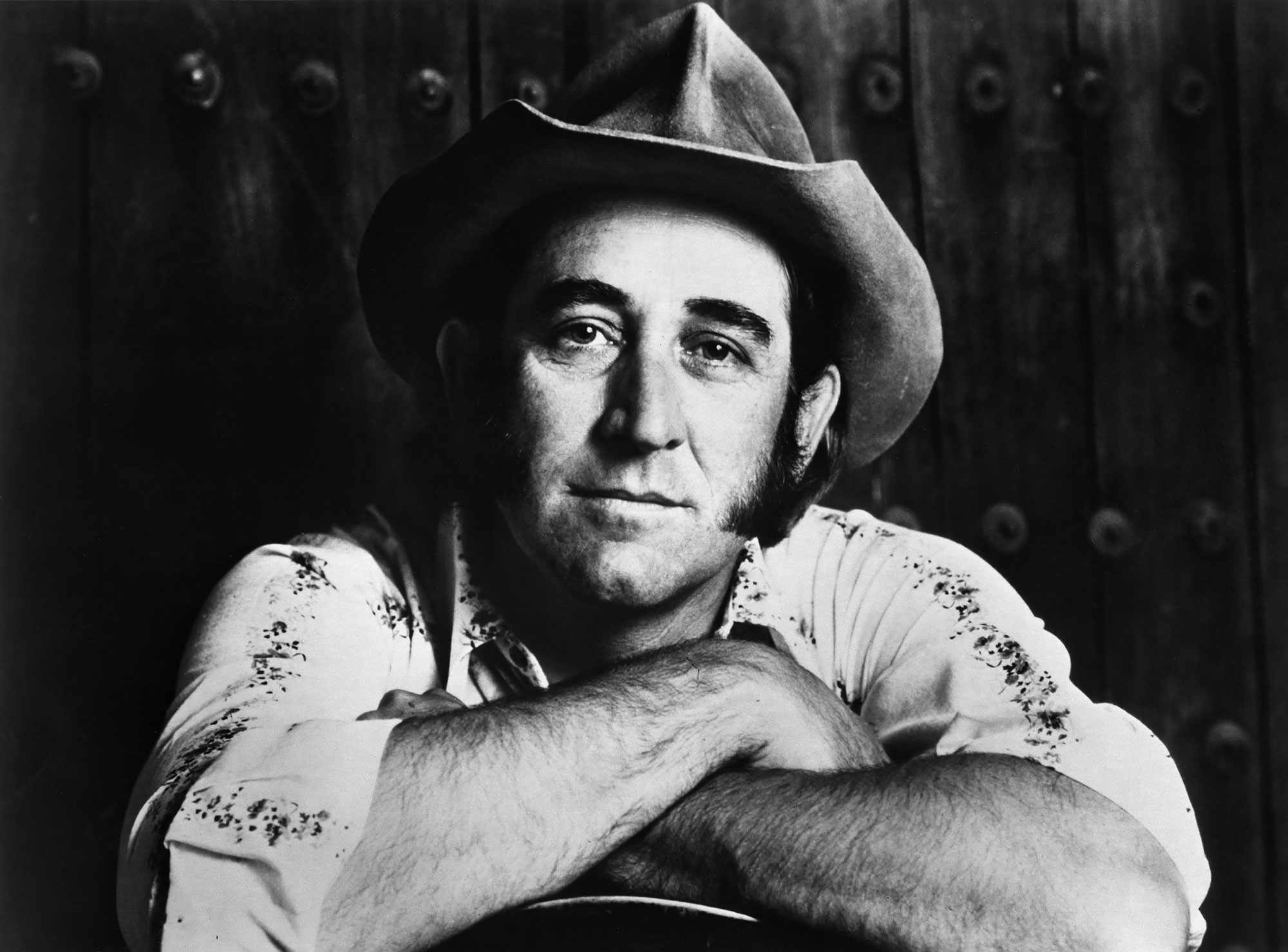
Today, hearing the opening notes can instantly summon images of a world that seems both distant and strangely familiar.
It recalls an era when melodies were crafted with extraordinary care and when singers were expected to communicate genuine emotion rather than merely follow trends.
The song also serves as a reminder of Gary Puckett’s unique place within pop music history.
While many artists from the period experimented with increasingly complex sounds, he remained committed to strong melodies and emotional storytelling.
That commitment helped create records that continue to resonate with audiences who may not even have been born when they were first released.
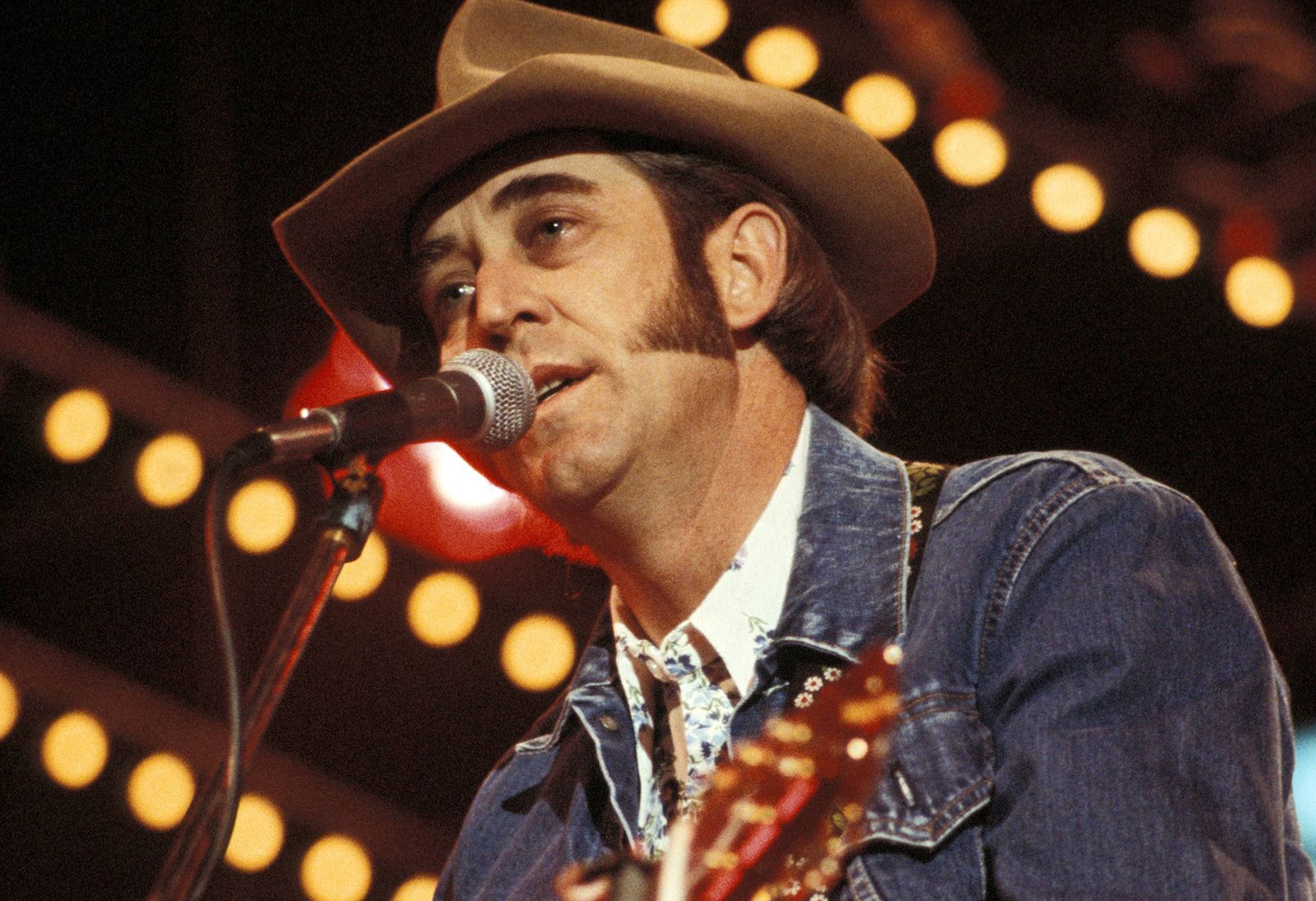
Younger listeners often discover the song through classic hits playlists, old films, family record collections, or online recommendations.
Many are surprised to find that a recording created more than half a century ago can still feel emotionally immediate.
The themes of desire, hesitation, responsibility, and longing remain as relevant today as they were in 1968.
Human nature changes far more slowly than technology, and songs that speak honestly about human emotions rarely lose their power.
As the final notes fade away, what lingers is not merely the melody but the feeling that accompanies it.
There is a sense of nostalgia for a moment that may never have belonged to us personally, yet somehow feels like part of our collective memory.
That emotional afterglow is the hallmark of truly great popular music and one of the reasons “Lady Willpower” continues to endure.
More than fifty years after its release, the song remains a shining example of how sincerity, craftsmanship, and a remarkable voice can come together to create something timeless.
And every time Gary Puckett’s voice rises once more from an old speaker or a modern playlist, it reminds us that some songs never really belong to the past.
Instead, they wait patiently for a new listener to discover them and feel exactly what generations before felt when they first heard the words, “Lady Willpower.”
Read more stories
- He Was Rejected By His Own Mom And Raised To Think ‘Women Are Evil’ But He Became A Legendary Rockstar
- TOBY KEITH RECORDED SOME OF THE BIGGEST PATRIOTIC ANTHEMS IN COUNTRY MUSIC HISTORY—BUT HIS REAL LEGACY WAS BUILT ON MILITARY BASES WHERE NO CAMERAS WERE ROLLING.
- [Video]: The One-Take Hit That Took Over Rock Radio
- The Box Tops’ “The Letter” Captures Lightning in a Bottle and Redefines Blue-Eyed Soul in 1967-2