
Celebrities & Music
The Doors’ “Love Her Madly”: The Quiet Heartbreak Hidden Behind a Radio-Friendly Classic
The article explores the deeper emotional themes behind The Doors’ classic song “Love Her Madly,” highlighting its portrayal of love intertwined with fear and insecurity, contrasting its upbeat sound with the poignant lyrics.

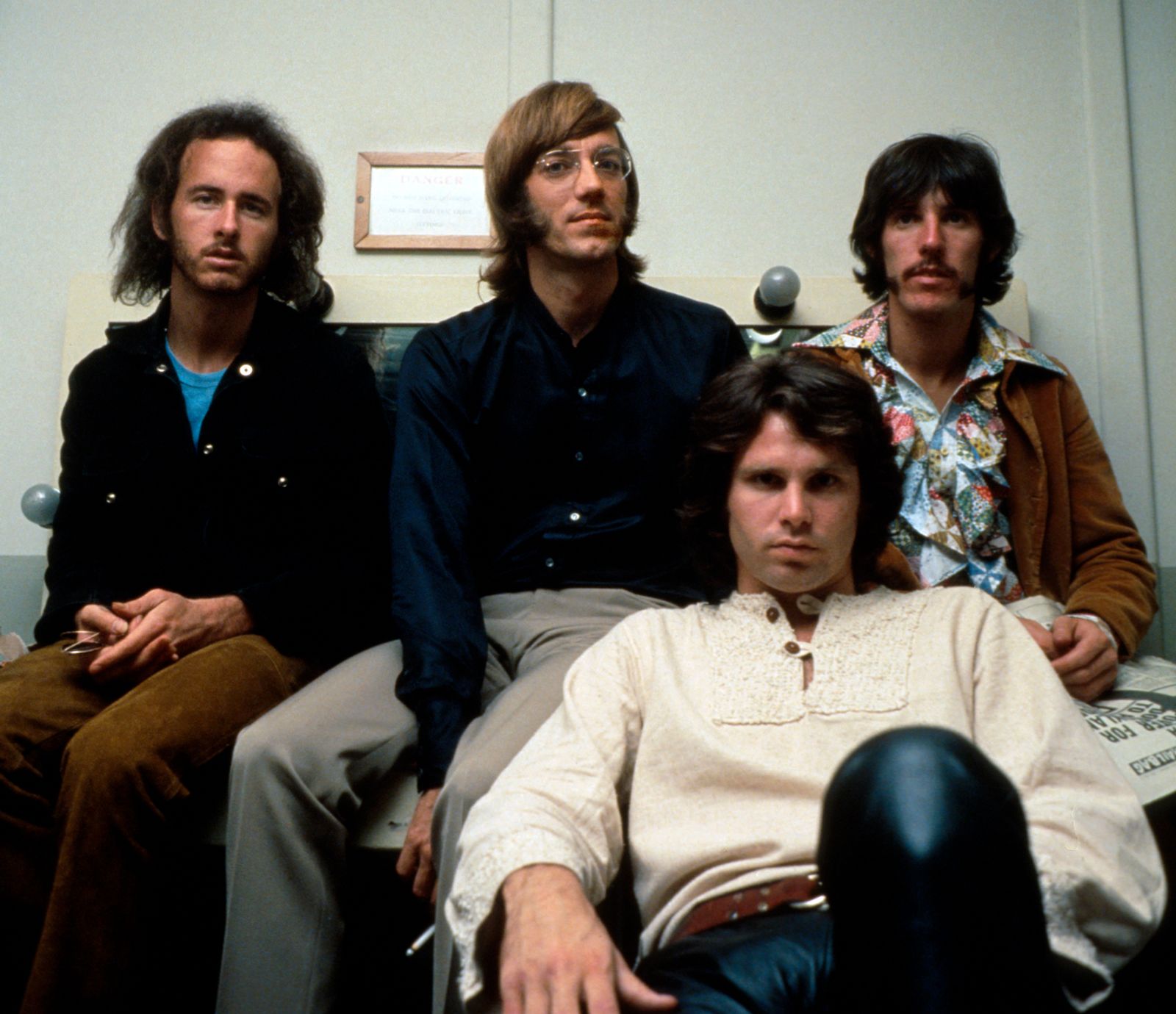
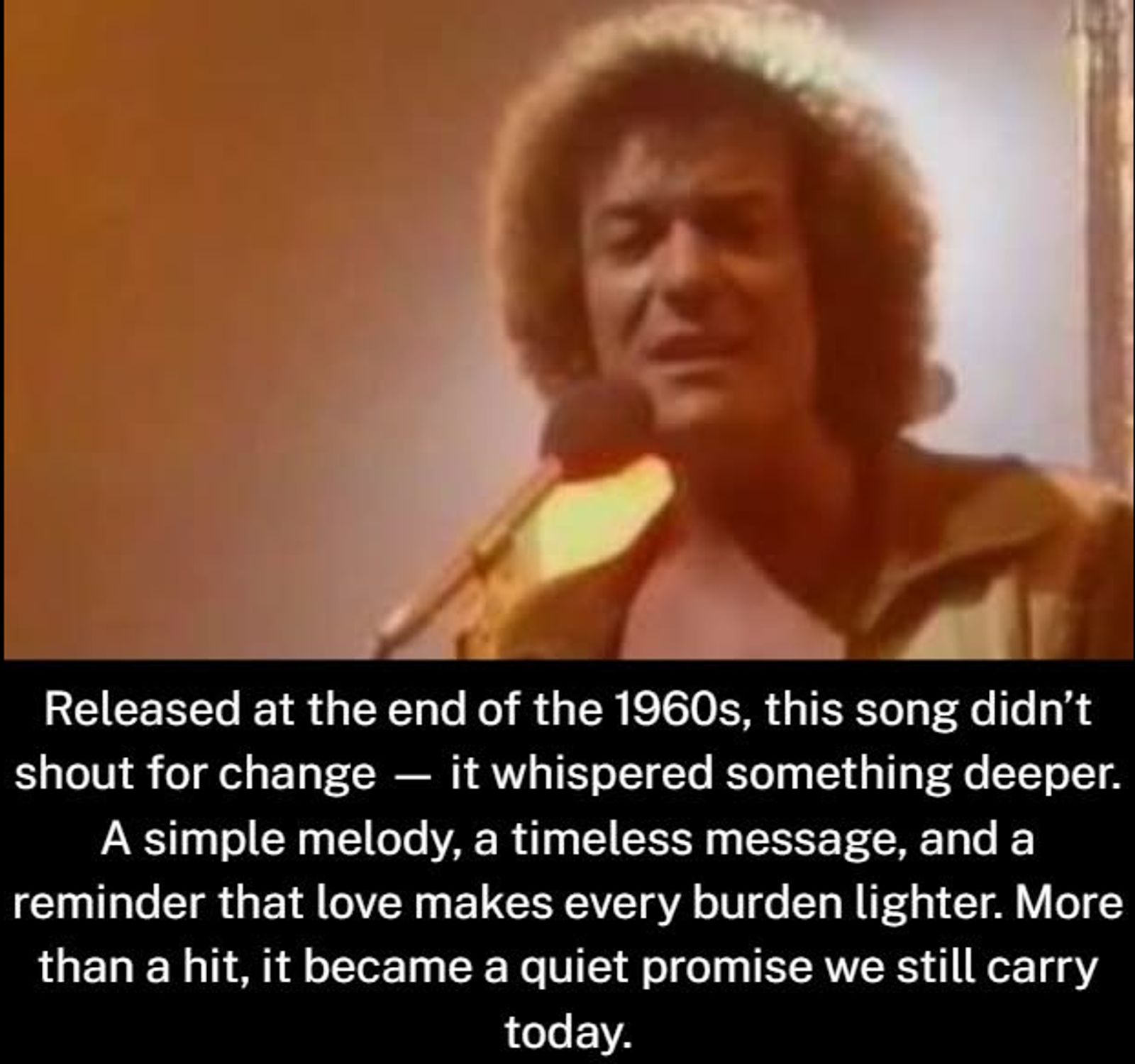
Released in 1971, this Doors classic sounded bright on the surface, but beneath the melody was a story of love, fear, and a relationship slowly slipping away.
When The Doors released “Love Her Madly” in 1971, it arrived at a strange and revealing moment in the band’s history.
Jim Morrison was no longer the untouchable, wild-eyed poet-king of the Sunset Strip.
Legal troubles, exhaustion, and inner conflict had begun to erode the reckless mystique that once defined him.
And in that quieter, more fragile space, “Love Her Madly” emerged—not as a howl of rebellion, but as a tense, intimate snapshot of love on the brink of collapse.
Unlike many of The Doors’ darker, more surreal works, this song feels grounded, almost conversational.
It opens with a bright, jangling guitar riff from Robby Krieger—unexpectedly upbeat, nearly pop-friendly—yet beneath that surface lies a relationship riddled with anxiety and emotional imbalance.
From the very first line, Morrison isn’t performing a persona.
He’s confessing.
“Don’t you love her madly?” isn’t a romantic plea—it’s a warning, repeated like a nervous thought he can’t silence.
The song captures a specific kind of love: the kind where devotion turns into fear, where every argument feels like a potential ending, and where affection becomes inseparable from insecurity.
Morrison’s delivery is restrained but tense.
There’s no shouting, no theatrical crescendos—just a controlled voice carrying unease.
That restraint makes the emotion hit harder.
He sounds like someone trying to stay calm while knowing, deep down, that the ground beneath him is already cracking.
Musically, “Love Her Madly” stands apart in The Doors’ catalog.
Ray Manzarek’s organ work is minimal, allowing Krieger’s guitar to lead with a crisp, almost new-wave brightness.
John Densmore’s drumming is tight and understated, pushing the song forward without overwhelming it.
The result is deceptively clean—a polished sound masking emotional volatility.
Lyrically, the song avoids poetic abstraction and instead leans into directness.
Lines about jealousy, arguments, and emotional withdrawal feel painfully ordinary—and that’s exactly why they resonate.
This isn’t love as myth or fantasy.
It’s love as routine tension, love as repetition, love as something slowly wearing thin.
What makes the song especially compelling is its perspective.
Morrison doesn’t place himself above the situation.
He doesn’t blame or dominate.
Instead, he sounds aware—aware that passion alone isn’t enough, aware that obsession can suffocate, aware that loving “madly” may be the very thing that destroys the relationship.
Released as a single from L.A. Woman, the band’s final album recorded with Morrison, “Love Her Madly” became one of The Doors’ most accessible hits.
It climbed the charts, earned heavy radio play, and introduced the band to listeners who may have found their earlier work too intense or enigmatic.
Yet longtime fans recognized something deeper: a band evolving, and a frontman confronting vulnerability rather than chaos.
Just months after the album’s release, Morrison would leave for Paris—and never return.
In hindsight, “Love Her Madly” feels like part of a farewell.
Not dramatic.
Not tragic.
Just honest.
A moment where the noise fades and what remains is a man admitting how much love can hurt when it’s tangled with fear.
Decades later, the song still feels startlingly relevant.
Anyone who has loved too hard, held on too tightly, or sensed a relationship slipping away will recognize themselves in its quiet tension.
It doesn’t demand attention.
It earns it—slowly, line by line.
And that may be why “Love Her Madly” endures.
Because beneath its catchy surface lies a truth that never ages:
Read more stories
- He Was Rejected By His Own Mom And Raised To Think ‘Women Are Evil’ But He Became A Legendary Rockstar
- TOBY KEITH RECORDED SOME OF THE BIGGEST PATRIOTIC ANTHEMS IN COUNTRY MUSIC HISTORY—BUT HIS REAL LEGACY WAS BUILT ON MILITARY BASES WHERE NO CAMERAS WERE ROLLING.
- [Video]: The One-Take Hit That Took Over Rock Radio
- The Box Tops’ “The Letter” Captures Lightning in a Bottle and Redefines Blue-Eyed Soul in 1967-2