
Celebrities & Music
Patsy Cline’s ‘Crazy’ Redefines Heartbreak and Crosses Musical Boundaries in 1961
Patsy Cline’s song ‘Crazy,’ released in 1961, transformed country music with its emotional depth and crossover appeal, marking a significant moment in American music history.

When Patsy Cline released “Crazy” in 1961, country music was forever changed.
Written by a then-unknown Willie Nelson, the song carried an elegance and emotional depth that transcended genre.
With its aching melody and haunting delivery, “Crazy” became a defining moment not only in Cline’s career but in the evolution of American music itself.
It reached No. 2 on the Billboard Hot Country Singles chart and crossed over to No. 9 on the Billboard Hot 100 — a rare feat for a country song at the time, signaling a broad and lasting appeal.
Patsy Cline, born Virginia Patterson Hensley in Winchester, Virginia, had already made waves in Nashville before “Crazy” came along.
Her 1957 breakout hit “Walkin’ After Midnight” had proven she could straddle both country and pop audiences.
What set Cline apart was her rich, emotive contralto voice — uncommon in both its range and expressive power.
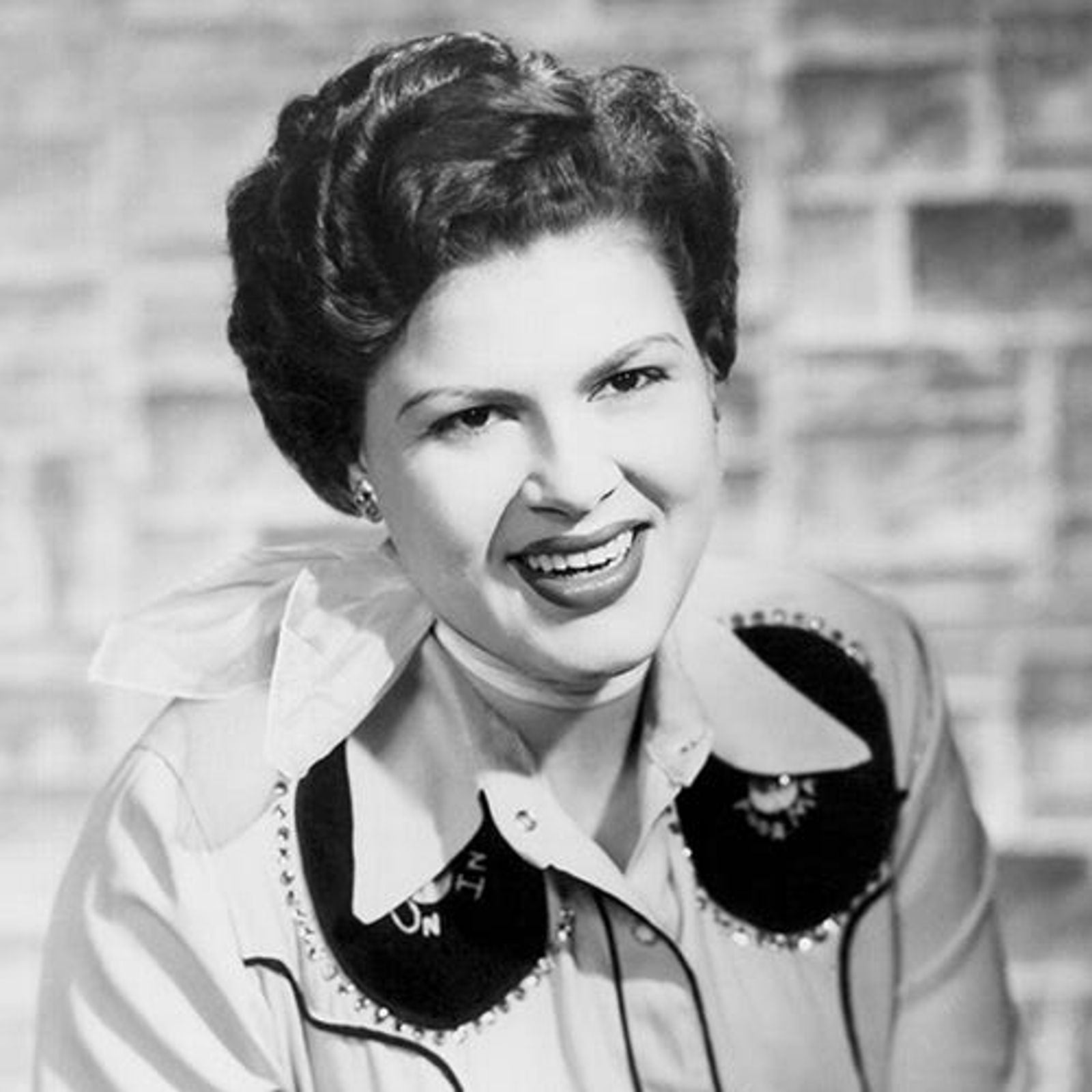
At a time when many female country singers leaned into twang and traditional phrasing, Cline’s smoother, jazz-inflected style brought a sophistication that challenged norms and attracted widespread acclaim.
The story behind “Crazy” is one of musical fate.
Willie Nelson, struggling to break into the scene as a songwriter, pitched the song to Cline’s producer, Owen Bradley.
Initially, Cline wasn’t sold on it — she thought the phrasing was odd and the melody too complex.
But after hearing Nelson’s offbeat, talk-sung demo, Bradley heard something extraordinary and convinced Cline to give it a shot.
It wasn’t just a professional pairing — it was destiny aligning two unique talents.
The recording process, however, was far from easy.
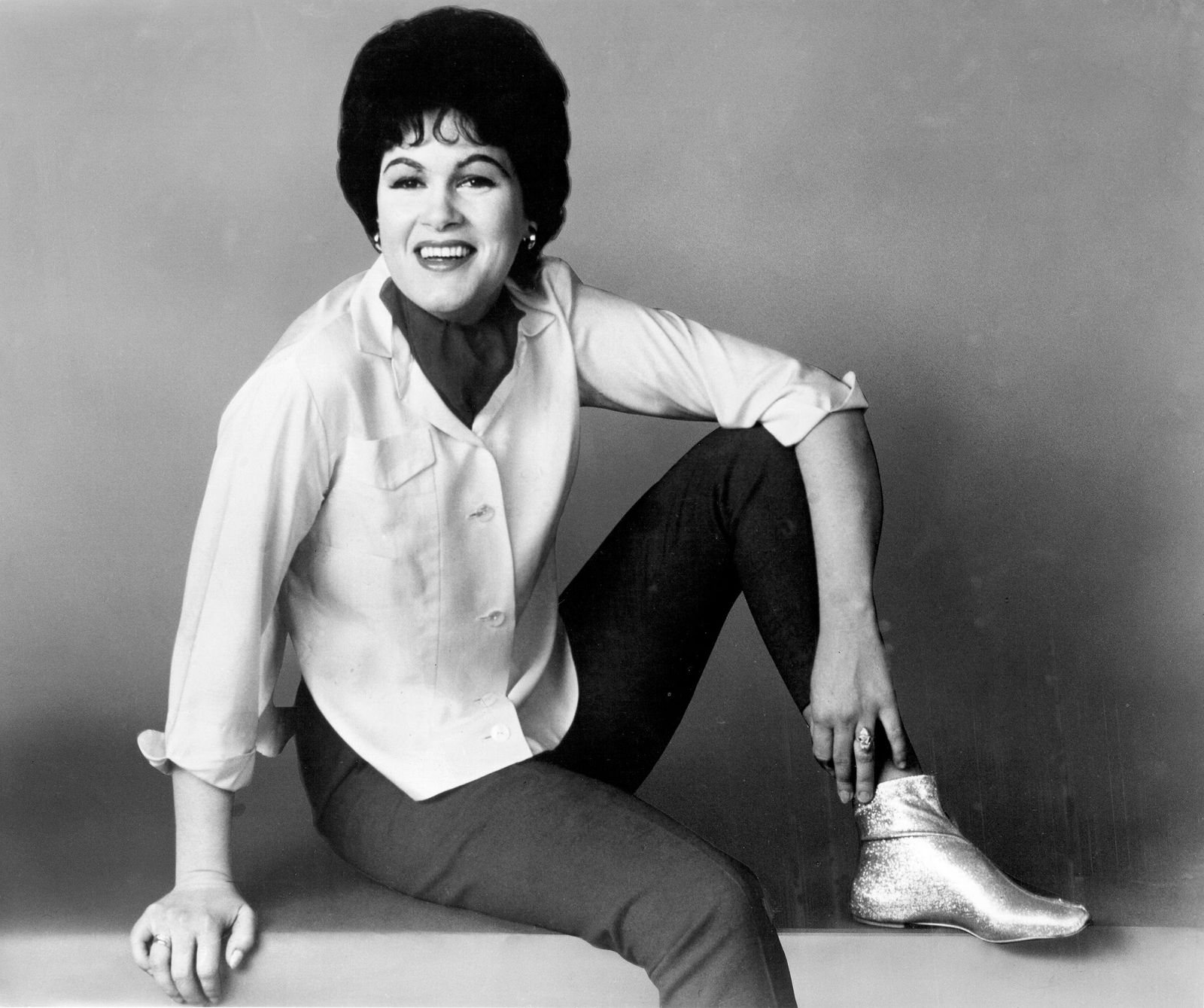
Cline had recently been in a serious car accident that left her with broken ribs, making certain notes painful to reach.
Owen Bradley had already recorded the instrumental track with the Jordanaires and Floyd Cramer before Cline entered the studio, adding pressure to match a polished foundation.
After multiple takes, Cline finally delivered the now-legendary vocal performance, trembling with vulnerability and emotional resolve.
Upon its release in October 1961, “Crazy” quickly gained traction.
It became one of the most played jukebox songs in the country and achieved remarkable crossover success.
Critics praised Cline’s delivery, and audiences responded deeply to its emotional honesty.
In an era dominated by male artists and upbeat numbers, “Crazy” stood out as a slow-burning ballad led by a fearless female voice.
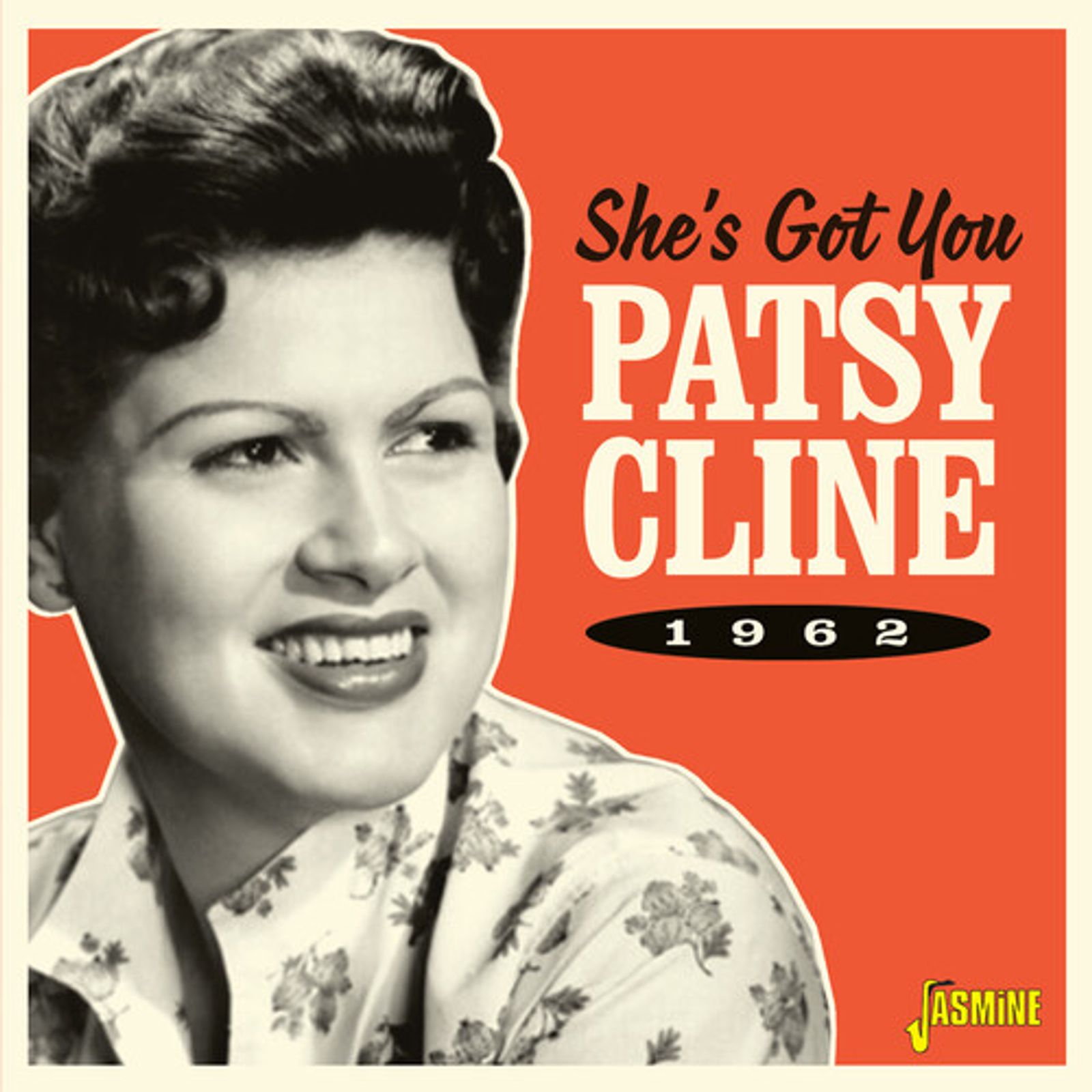
“Crazy” had a profound impact on the music industry.
It blurred the lines between country and pop at a time when such crossover was rare.
While others had taken small steps in that direction, Cline made the transition feel natural and effortless.
Her performance helped reshape how producers and artists approached genre boundaries.
For Patsy Cline, the song was transformative.
It cemented her status as a mainstream vocal powerhouse and expanded her audience nationwide.
Though her life would be tragically cut short just two years later, “Crazy” ensured her voice would never fade.

The song’s influence extended far beyond Cline herself.
Artists such as Linda Ronstadt, Emmylou Harris, and k.d. lang later cited her as a major influence, often pointing to “Crazy” as a benchmark in vocal storytelling.
The song crossed genres, finding new life in jazz, pop, and soul interpretations.
Over the years, “Crazy” has been covered by countless artists.
Linda Ronstadt, LeAnn Rimes, Julio Iglesias, and even Willie Nelson himself each brought their own voice to it.
Still, no matter who sings it, the song remains inseparable from Patsy Cline’s legacy.
Around the time “Crazy” was climbing the charts, Cline’s personal life was filled with challenges.

Her marriage was reportedly turbulent, and she continued to struggle with the aftermath of her accident.
Yet she poured that pain into her music with unmatched honesty, giving her songs lasting emotional power.
Today, “Crazy” is widely regarded as one of the greatest songs of the 20th century.
It was inducted into the Grammy Hall of Fame and preserved in the Library of Congress’ National Recording Registry.
Decades later, it continues to resonate with listeners of all ages.
Musically, “Crazy” was ahead of its time.
Its lush yet intimate orchestration, subtle backing vocals, and restrained phrasing redefined what a country ballad could be.
Cline’s delivery set a new standard for emotional expression in country music.
Though Patsy Cline passed away in 1963, her legacy only grew stronger.
“Crazy” became more than a hit — it became a cornerstone of American music history.
For many fans, it remains their first introduction to both Cline and Willie Nelson.
In the end, what makes “Crazy” endure isn’t just its technical brilliance.
It’s the humanity at its core — the ache of unreturned love and the courage to sing it aloud.
More than sixty years later, the song still lives in late-night radios, quiet diners, and lonely drives.
With every note, Patsy Cline reminds us that vulnerability, when sung with truth, can become immortal.
Read more stories
- He Was Rejected By His Own Mom And Raised To Think ‘Women Are Evil’ But He Became A Legendary Rockstar
- TOBY KEITH RECORDED SOME OF THE BIGGEST PATRIOTIC ANTHEMS IN COUNTRY MUSIC HISTORY—BUT HIS REAL LEGACY WAS BUILT ON MILITARY BASES WHERE NO CAMERAS WERE ROLLING.
- [Video]: The One-Take Hit That Took Over Rock Radio
- The Box Tops’ “The Letter” Captures Lightning in a Bottle and Redefines Blue-Eyed Soul in 1967-2