
Celebrities & Music
The Righteous Brothers’ ‘Unchained Melody’: The Timeless Love Song That Never Lost Its Magic
Released in 1965, ‘Unchained Melody’ by The Righteous Brothers is a timeless ballad that continues to resonate with audiences, capturing deep emotions of love and longing.

Released in 1965, this timeless ballad still touches hearts decades later. Yet few remember the story behind one of the most emotional songs ever recorded.
Some songs become popular because they capture a moment, while others survive because they capture a feeling that never truly disappears.
Few recordings illustrate that truth more beautifully than “Unchained Melody,” the unforgettable ballad forever associated with The Righteous Brothers and generations of listeners who found pieces of their own hearts hidden within its aching words.
Even decades after its release, the song remains capable of stopping conversations, stirring memories, and transporting people back to moments they thought had long been forgotten.
The story of “Unchained Melody” actually began years before The Righteous Brothers recorded it, originating as a song written for the 1955 prison film Unchained.
Composers Alex North and Hy Zaret created a melody and lyric that carried an extraordinary sense of longing, separation, and emotional vulnerability.
Although several artists recorded the song during the years that followed, none could have predicted the version that would eventually transform it into a timeless masterpiece.
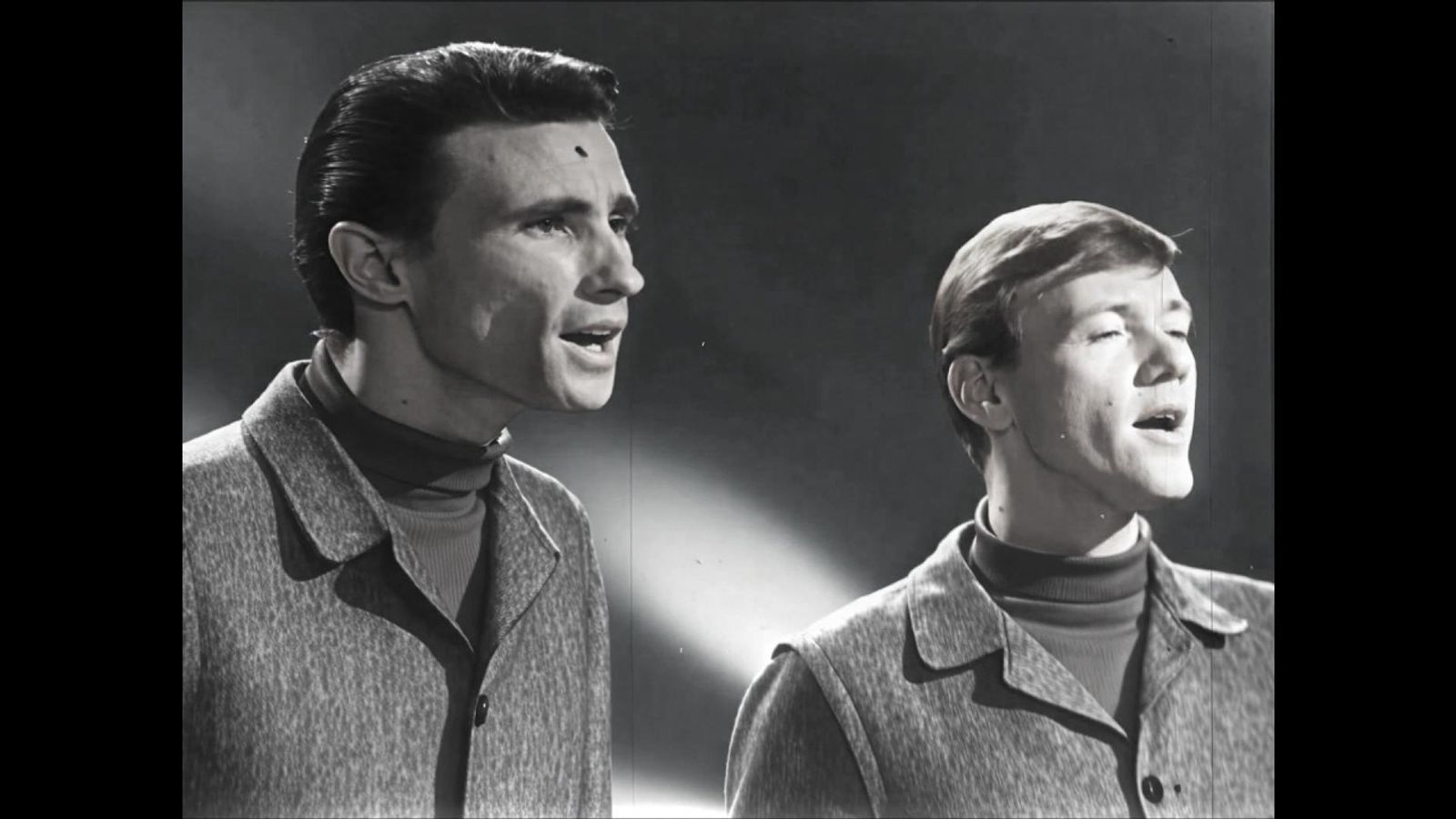
By the mid-1960s, The Righteous Brothers had already established themselves as one of the defining acts of the blue-eyed soul movement.
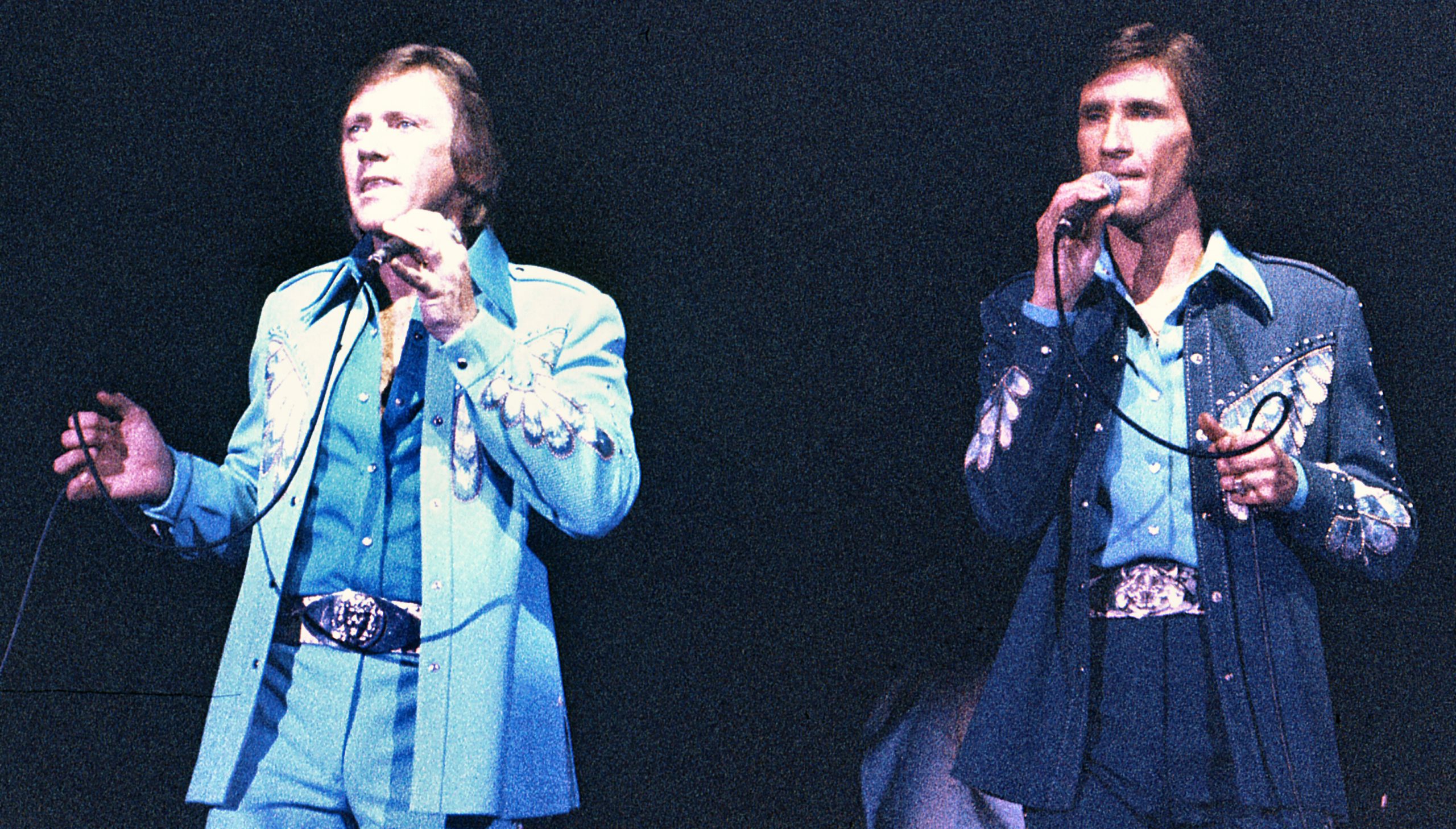
The duo consisted of Bill Medley and Bobby Hatfield, two singers whose voices complemented one another while possessing remarkably different emotional textures.
Their records blended rhythm and blues influences with pop accessibility, creating a sound that appealed to audiences across multiple generations.
When recording sessions for their 1965 album began, “Unchained Melody” was not originally expected to become the standout track.
In fact, the recording featured Bobby Hatfield singing alone, with Bill Medley stepping aside and allowing his partner to take center stage.
That decision would prove to be one of the most important artistic choices in the group’s entire career.
From the opening piano notes, the recording establishes an atmosphere of loneliness and anticipation that immediately draws listeners inward.
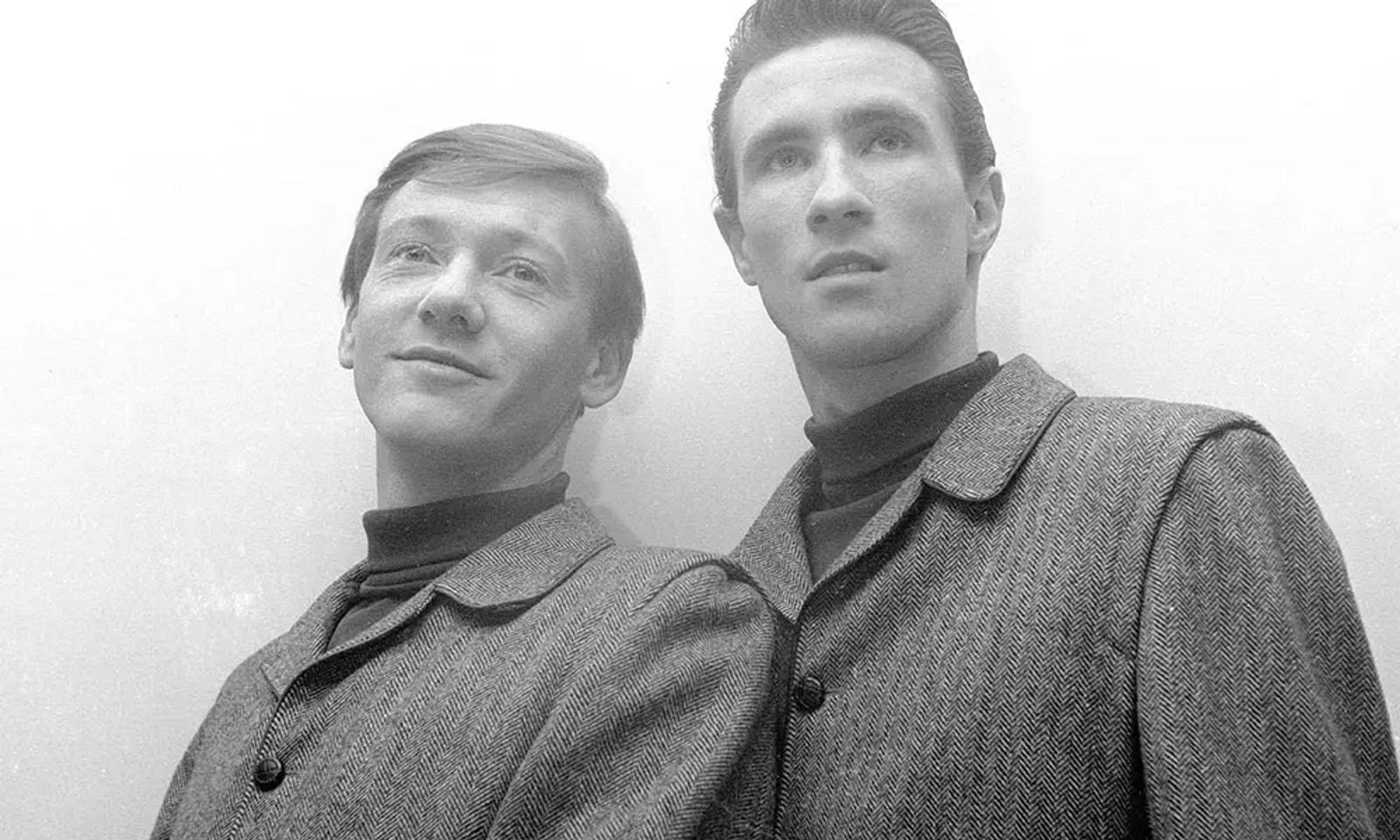
Then Hatfield’s voice enters softly, carrying a tenderness that feels almost fragile in its honesty.
As the song unfolds, each phrase seems to build upon the last, creating an emotional journey that grows increasingly powerful with every passing moment.
The lyrics speak of distance, devotion, and the desperate desire to be reunited with someone deeply loved.
Lines such as “Oh, my love, my darling, I’ve hungered for your touch” express emotions so universal that listeners instantly recognize themselves within them.
Rather than telling a complicated story, the song focuses on feelings that transcend generations, cultures, and changing musical trends.
What truly elevates the performance is Hatfield’s remarkable vocal control and emotional intensity.
His voice begins with restraint, almost as if he is afraid to reveal too much, before gradually rising toward one of the most famous climaxes in popular music history.
When he reaches the soaring final passages, the performance feels less like singing and more like a heart speaking directly to another heart.
Although the recording was initially released as the B-side of another single, radio stations quickly noticed audience reactions.
Listeners began requesting “Unchained Melody” repeatedly, forcing disc jockeys to play the song far more often than originally intended.
Before long, it had become one of the group’s biggest successes and one of the defining love songs of the decade.
Part of the song’s enduring appeal lies in its extraordinary simplicity and sincerity.
There are no elaborate production tricks designed to distract from the emotion at its core.
Instead, every musical element serves a single purpose: amplifying the feeling of longing that drives the song forward.
As the years passed, “Unchained Melody” continued finding new audiences who connected with its timeless message.
Young couples embraced it as a romantic anthem, while older listeners often heard echoes of relationships, memories, and people they had lost along the way.
Few songs possess the rare ability to mean something different at every stage of life while remaining emotionally authentic.
Its popularity experienced an extraordinary resurgence in 1990 following the release of the film Ghost.
The unforgettable pottery scene featuring Patrick Swayze and Demi Moore introduced the recording to an entirely new generation.
Almost overnight, millions of viewers rediscovered the song and helped propel it back onto charts around the world.
The remarkable comeback demonstrated that truly great music never belongs exclusively to a single era.
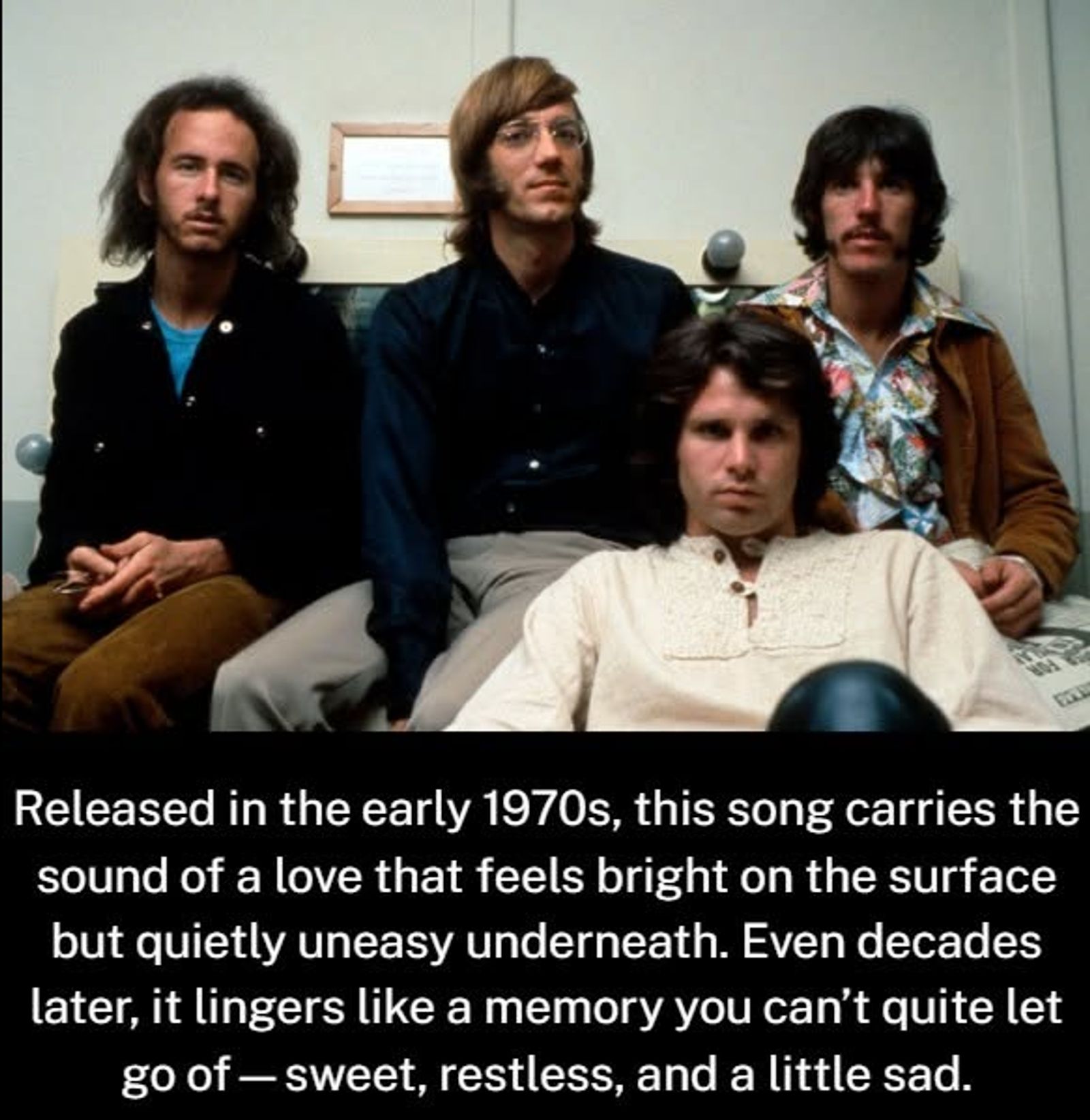
Instead, it waits patiently for new listeners to discover its emotional power and make it part of their own stories.
“Unchained Melody” accomplished exactly that, proving its relevance decades after its original recording.
Beyond its commercial success, the song also left a lasting influence on countless singers and performers.
Its demanding vocal range and emotional depth have inspired artists from nearly every genre to attempt their own interpretations.
Yet despite hundreds of covers, Bobby Hatfield’s version remains the benchmark against which all others are measured.
Listening to the recording today reveals why it continues to resonate so deeply with audiences.
The arrangement remains elegant and uncluttered, allowing every note and every breath to carry emotional significance.
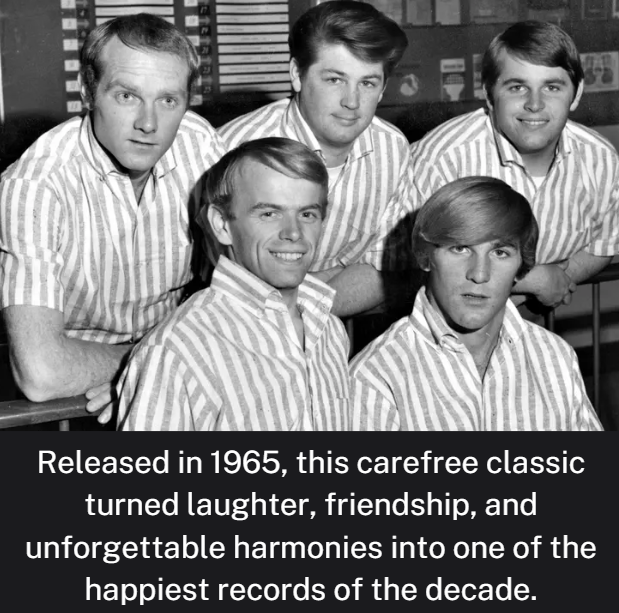
Nothing feels rushed, and nothing feels artificial, giving the performance a timeless quality rarely achieved in popular music.
For many listeners, the song evokes memories of first loves, distant relationships, and reunions long imagined during lonely nights.
Others hear it as a reflection on absence itself, capturing the universal ache of wanting someone who is no longer within reach.
That emotional flexibility has allowed the song to remain meaningful across generations separated by decades.
The legacy of The Righteous Brothers extends far beyond a single recording, yet “Unchained Melody” remains their most cherished achievement.
It represents the perfect meeting of composition, performance, and emotional truth, creating something greater than the sum of its parts.
Few artists are fortunate enough to leave behind a recording that continues touching hearts long after they are gone.
Today, nearly sixty years after Bobby Hatfield stepped into the studio and delivered that unforgettable vocal performance, the song remains as moving as ever.
Read more stories
- He Was Rejected By His Own Mom And Raised To Think ‘Women Are Evil’ But He Became A Legendary Rockstar
- TOBY KEITH RECORDED SOME OF THE BIGGEST PATRIOTIC ANTHEMS IN COUNTRY MUSIC HISTORY—BUT HIS REAL LEGACY WAS BUILT ON MILITARY BASES WHERE NO CAMERAS WERE ROLLING.
- [Video]: The One-Take Hit That Took Over Rock Radio
- The Box Tops’ “The Letter” Captures Lightning in a Bottle and Redefines Blue-Eyed Soul in 1967-2