
Celebrities & Music
HE WAS THE FEARLESS OUTLAW WHO BOWED TO NO ONE IN NASHVILLE — BUT THE ONLY THING THAT COULD BRING HIM TO HIS KNEES WAS A LITTLE BOY…
Waylon Jennings, the ultimate renegade of country music, battled a devastating cocaine addiction but found the strength to overcome it for the sake of his son, Shooter. His journey highlights the importance of family and personal redemption.

Waylon Jennings was the ultimate renegade. He wore the black hat, played by his own rules, and stared down the entire music industry without blinking.
But behind the rugged exterior, the hardest-living man in country music was quietly losing a war against himself.
By the early 1980s, a devastating cocaine habit was costing him thousands of dollars a day. It drained his fortune, buried him in heavy debt, and almost silenced one of the greatest voices America had ever known.
The man who seemed absolutely invincible on stage was rapidly spiraling into the dark.
But in 1984, the rebel did something no one expected. He walked away from the edge.
It wasn’t the fear of losing his fame or facing the law that made him drop the habit cold turkey. It was a father’s desperate love.
Waylon looked at his young son, Shooter, and realized that being an outlaw meant absolutely nothing if he couldn’t be a dad. He fought through the brutal, agonizing withdrawals, not to save a career, but to save his family.
Waylon Jennings may be gone, but his greatest triumph wasn’t found on a platinum record.
It was the quiet dignity of a man who conquered his own demons, proving that the toughest cowboys are simply the ones who learn how to stay.
HE WORE THE OUTLAW ARMOR LIKE NO ONE ELSE — BUT A LITTLE BOY MADE WAYLON JENNINGS FIGHT FOR HIS LIFE…
Waylon Jennings looked like the kind of man Nashville could never tame.
Black hat low. Guitar slung like a weapon. Voice rough as asphalt and warm as a midnight radio.
He did not ask permission.
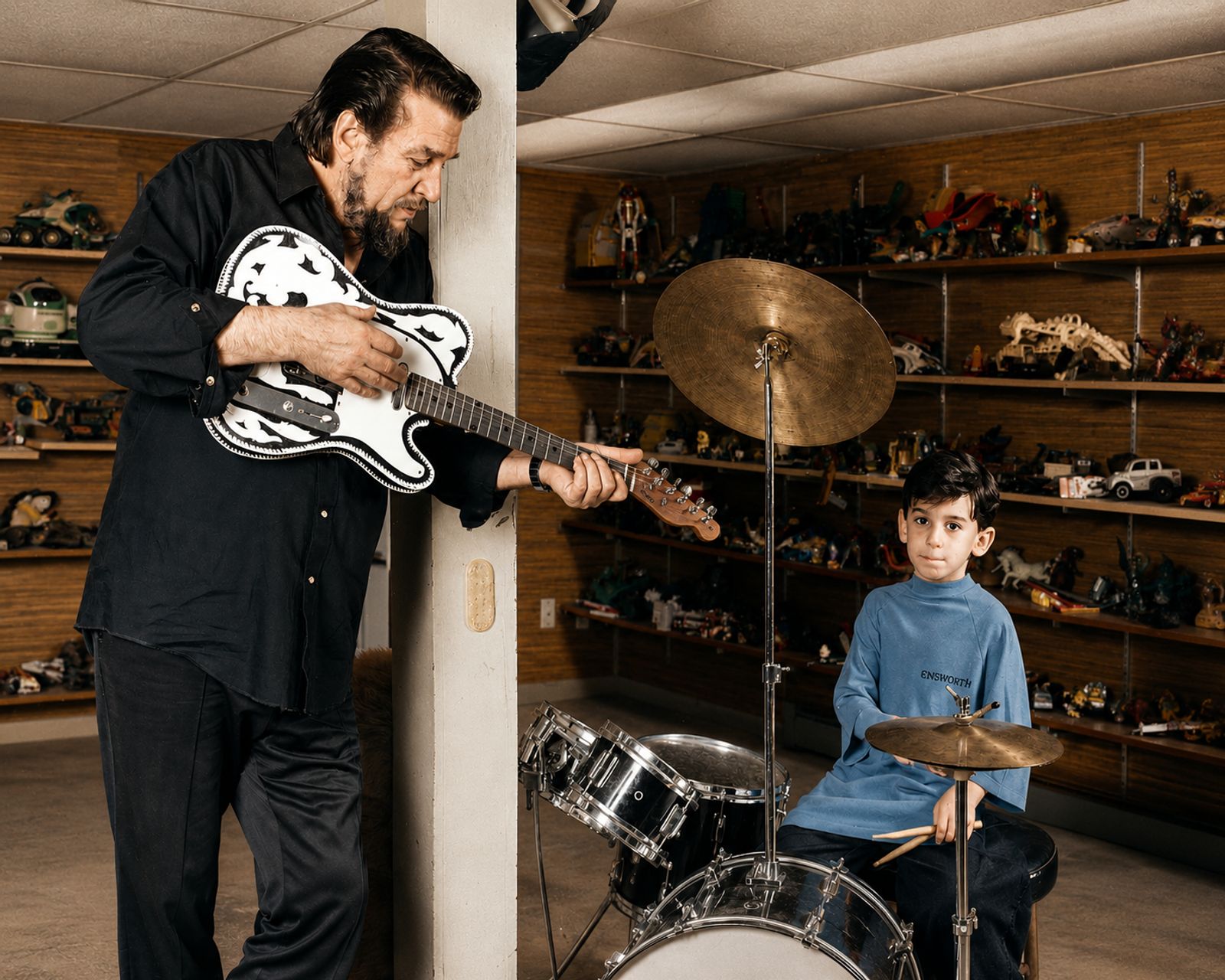
He did not polish the edges.
He helped turn country music into something wilder, freer, and more honest.
But behind that fearless image was a man being hunted by something no audience could see.
By the early 1980s, the outlaw was losing ground to cocaine. The habit was swallowing money, health, focus, and peace. The man who sounded untouchable onstage was, in private, walking closer and closer to the edge.
Then came the quietest reason to turn back.
Not an award.
Not a record deal.
Not fear of losing the spotlight.
A little boy.
Shooter Jennings was still young when Waylon began to understand that being a rebel meant nothing if he could not stay alive long enough to be a father.
That is the part of the story that cuts deepest.
The toughest man in the room was not saved by toughness alone.
He was saved by love.
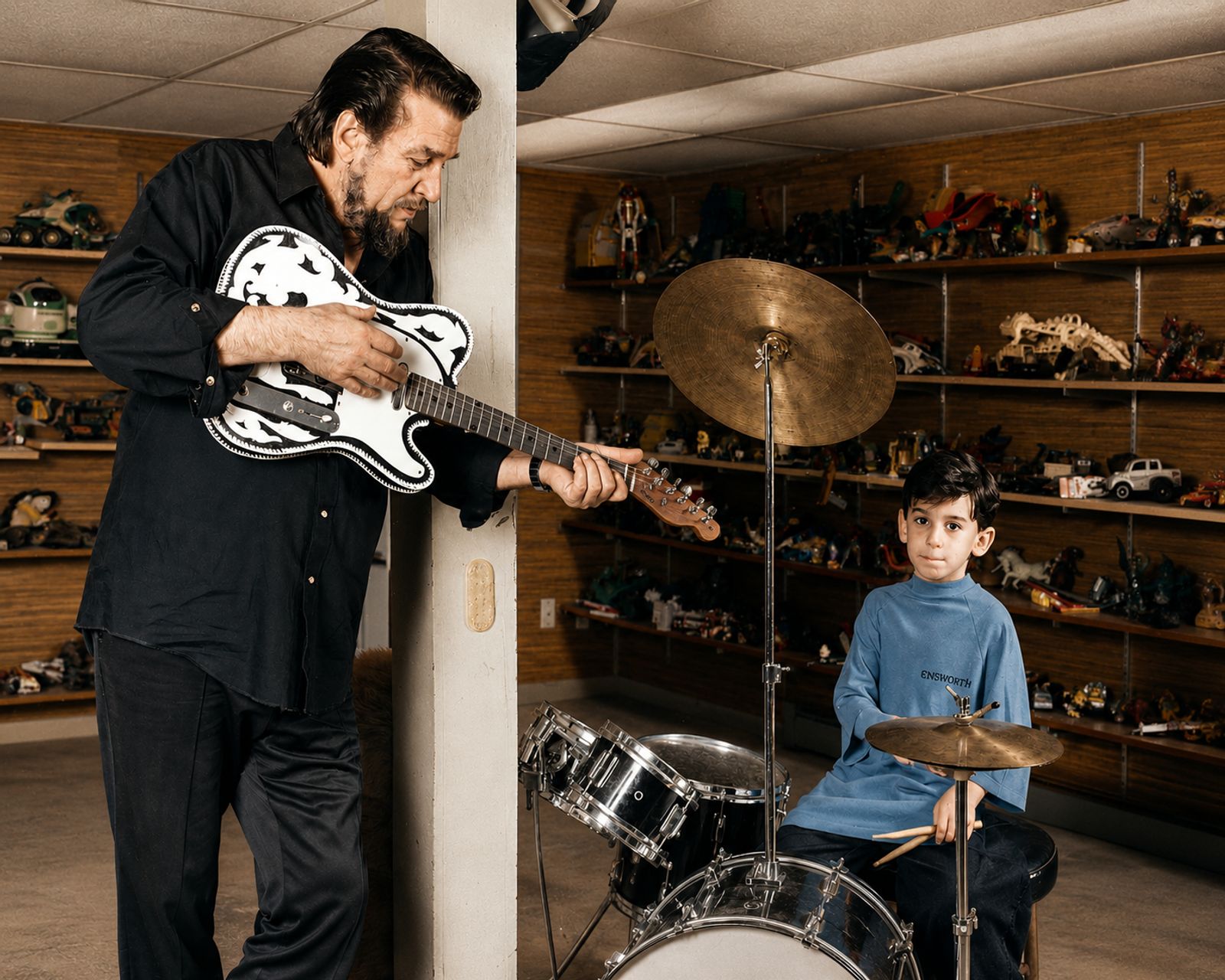
In 1984, Waylon walked away from cocaine and faced the kind of battle that does not happen under stage lights. No cheering crowd. No encore. No black leather mythology.
Just a man, a family, and the brutal hours of getting clean.
That was not weakness.
That was courage stripped down to the bone.
Because sometimes the greatest outlaw thing a man can do is stop running.
Waylon’s greatest victory was not only in “Good Hearted Woman,” “Luckenbach, Texas,” or the roar of the Highwaymen.
It was in the decision to remain.
To become present.
To look at his son and understand that legacy was not just what people played after he was gone.
Legacy was who still needed him at home.
Waylon Jennings left behind a voice that still sounds like dust, thunder, and truth.
But he also left behind this quieter lesson:
The strongest cowboys are not always the ones who never fall.
Sometimes they are the ones who crawl back, close the door on the darkness, and choose their family over the fire.
Read more stories
- He Was Rejected By His Own Mom And Raised To Think ‘Women Are Evil’ But He Became A Legendary Rockstar
- TOBY KEITH RECORDED SOME OF THE BIGGEST PATRIOTIC ANTHEMS IN COUNTRY MUSIC HISTORY—BUT HIS REAL LEGACY WAS BUILT ON MILITARY BASES WHERE NO CAMERAS WERE ROLLING.
- [Video]: The One-Take Hit That Took Over Rock Radio
- The Box Tops’ “The Letter” Captures Lightning in a Bottle and Redefines Blue-Eyed Soul in 1967-2