
News
Before the Hits: How Rozene and Charley Pride Built a 64-Year Marriage Long Before Fame
Their partnership began in wartime haste and working-class uncertainty, then endured the pressures of country stardom because it was forged years before Nashville ever called.

A love story that started far from Music Row
Long before Charley Pride became one of country music’s most recognizable voices, he was a young ballplayer chasing one dream while carrying another. In 1956, he was in Memphis playing baseball for the Negro American League’s Memphis Red Sox, still years away from a Nashville contract or a country hit. It was there that he met Rozene Cohran, a beautician with a steady job and, as it would turn out, a steady temperament to match his restless ambition.
The setting was ordinary, which is part of what makes the story enduring. There were no spotlights, no backstage introductions, no aura of celebrity around either of them. He came from a large Mississippi sharecropping family and had little money. She was working. Their relationship began not in glamour but in the practical rhythms of working life, at a moment when both were still building adulthood from scratch.
A December wedding in Oxford
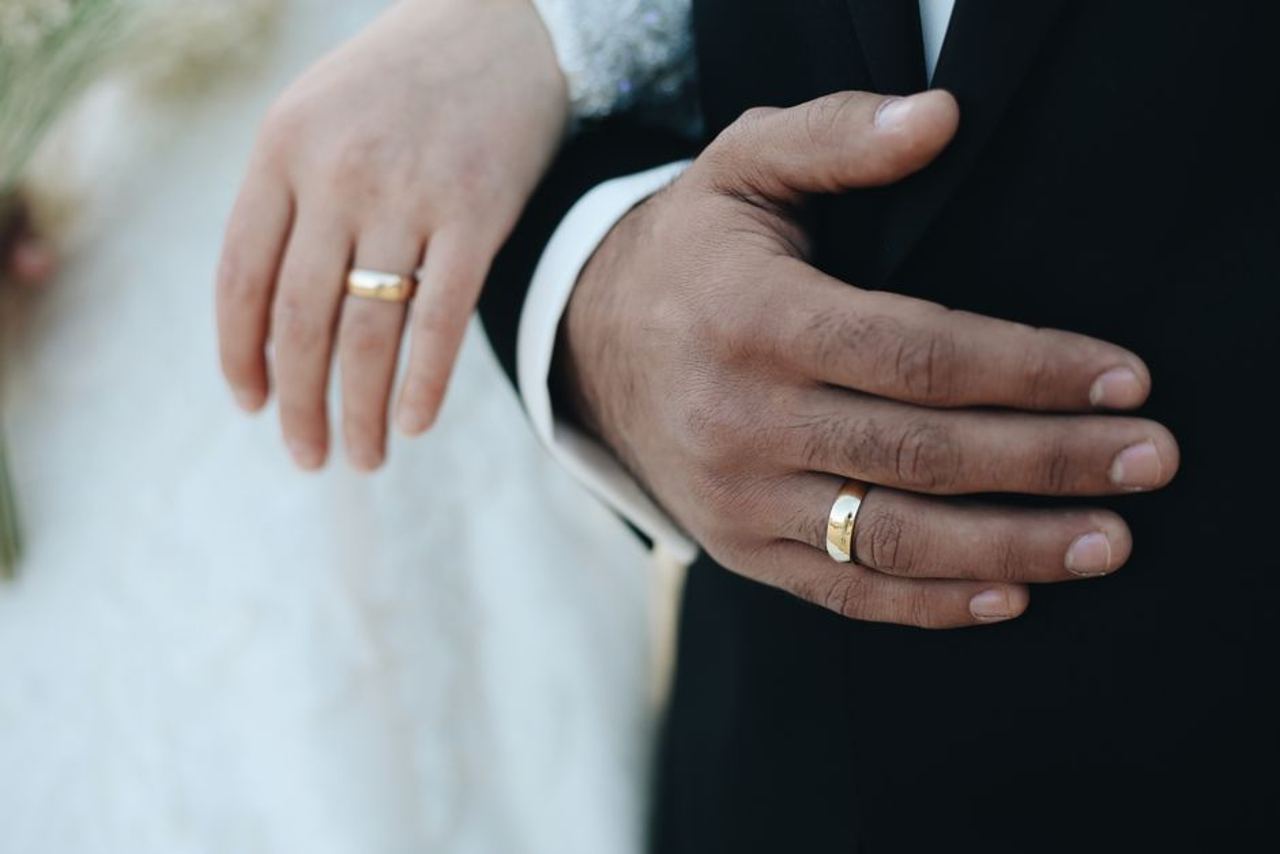
That same year, their courtship accelerated under the pressure of military service. During a short Christmas leave from U.S. Army basic training at Fort Chaffee, Arkansas, Pride and Cohran married in Oxford, Mississippi, on December 28, 1956. The ceremony was simple and rushed, framed by the holiday and by the fact that he would soon have to return to duty.
What the wedding lacked in display, it made up for in consequence. Pride had no wealth, no fame and no guarantee that music would become more than a private hope. The marriage was an act of commitment taken before success could flatter it. In later years, that mattered: the foundation of their life together had been laid not at the top of a career but at the uncertain beginning of one.
Their marriage began before the records, the awards and the applause—when the future was still only a wager.
Montana years: factory work by day, music by night
After Pride’s military discharge, the couple moved to Helena, Montana, a chapter that reveals the texture of their early life together more vividly than any later red-carpet image. He worked long shifts at the Anaconda smelting plant, then sang in local clubs at night. It was the kind of schedule that leaves little glamour in the day and demands belief from everyone in the household.
Rozene’s role in those years was not decorative encouragement but practical faith. When Pride hesitated to gamble a steady factory paycheck on music, she urged him to keep trying. She encouraged him to send audition tapes to Nashville, even when the safer path was obvious. In many artist biographies, the turning point is a lucky break. Here, it was also a spouse insisting that the dream deserved one more envelope, one more tape, one more chance.
When fame arrived, she turned to the business of survival
Pride’s country career broke open in the late 1960s, and the terms of the marriage changed again. Success brings its own dangers: sudden money, competing demands, predatory advice and the illusion that momentum will manage itself. Rozene stepped fully into the business side of family life, taking charge of finances and investments while her husband’s public career accelerated.
That work rarely earns headlines, yet it can determine whether a star’s success lasts beyond the applause. In an era when many performers saw fortunes drained by bad deals or careless management, Rozene helped protect what the family earned. Her contribution was not simply supportive in the emotional sense; it was managerial, strategic and deeply consequential. She helped make sure the career’s rewards became something durable.
A family life in Dallas, under pressure and in public
Over the decades, the Prides built a family life in Dallas, Texas, raising three children: Kraig, Dion and Angela. By then, Charley Pride was a major figure, and major figures seldom get to keep private strains entirely private. The family lived with the tension that comes when public recognition magnifies personal difficulty.
What distinguished their marriage was not an absence of mistakes but their response to them. They faced scrutiny and personal failings and chose reconciliation over separation. That choice does not make a relationship fairy-tale simple; if anything, it suggests the opposite. Endurance in a long marriage often comes less from perfection than from a repeated decision to repair what has been damaged and continue forward together.
The long arc of a partnership
Their marriage lasted sixty-four years, ending only with Charley Pride’s death from COVID-19 complications in 2020. By then, the span of their life together stretched from segregated-era baseball and Army leave to modern celebrity and late-life legacy. It had crossed geographies—Mississippi, Arkansas, Montana, Texas—and social worlds that changed dramatically around them.
Yet the most revealing fact about the Prides may be the simplest one: the partnership was built before there was anything obvious to gain from it. Rozene was present when the future was unstable, when shifts at the smelting plant paid the bills, when baseball and music were still uncertain routes out of hardship. By the time the world knew Charley Pride, the marriage that anchored him was already old, tested and real.
Quick Facts
- Who: Charley Pride and Rozene Cohran Pride
- They met: In Memphis in 1956 while Charley Pride was playing for the Memphis Red Sox and Rozene Cohran was working as a beautician
- Wedding date: December 28, 1956
- Wedding place: Oxford, Mississippi
- Military context: They married during Charley Pride’s Christmas leave from U.S. Army basic training at Fort Chaffee, Arkansas
- Early married life: After his discharge, they moved to Helena, Montana, where he worked at the Anaconda smelting plant and sang in clubs at night
- Children: Kraig, Dion, and Angela
- Marriage length: 64 years
- Marriage ended: With Charley Pride’s death from COVID-19 complications in 2020
Image credits: Melike B / Pexels; Rene Terp / Pexels; Doğukan Benli / Pexels.