
News
How Hank Williams Helped Launch Ray Price’s Rise in Nashville
In the painful final year of Hank Williams’s life, his friendship with Ray Price became both a personal refuge and a turning point that helped reshape postwar country music.

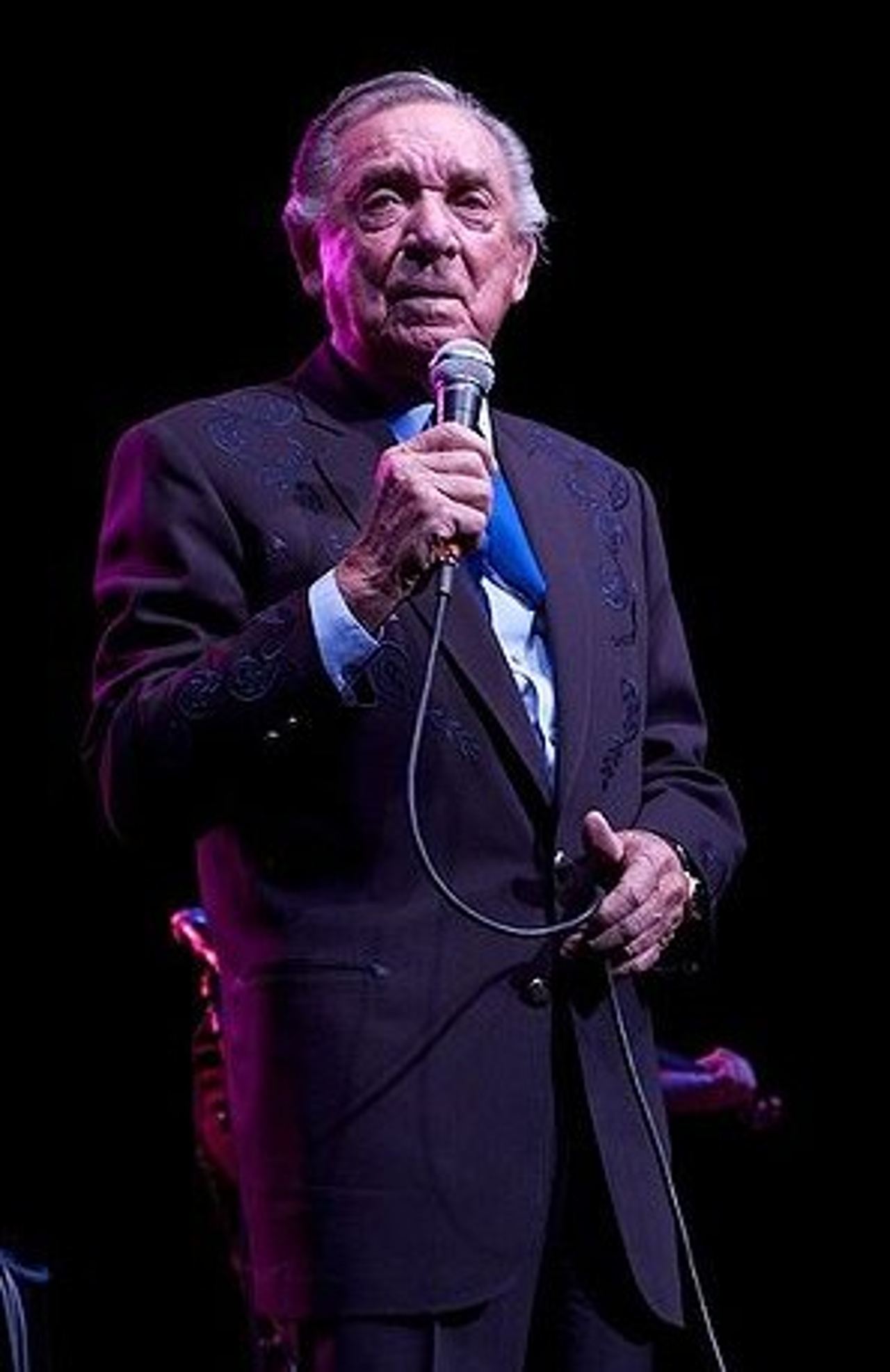
A young Texan arrives in a city ruled by Hank Williams
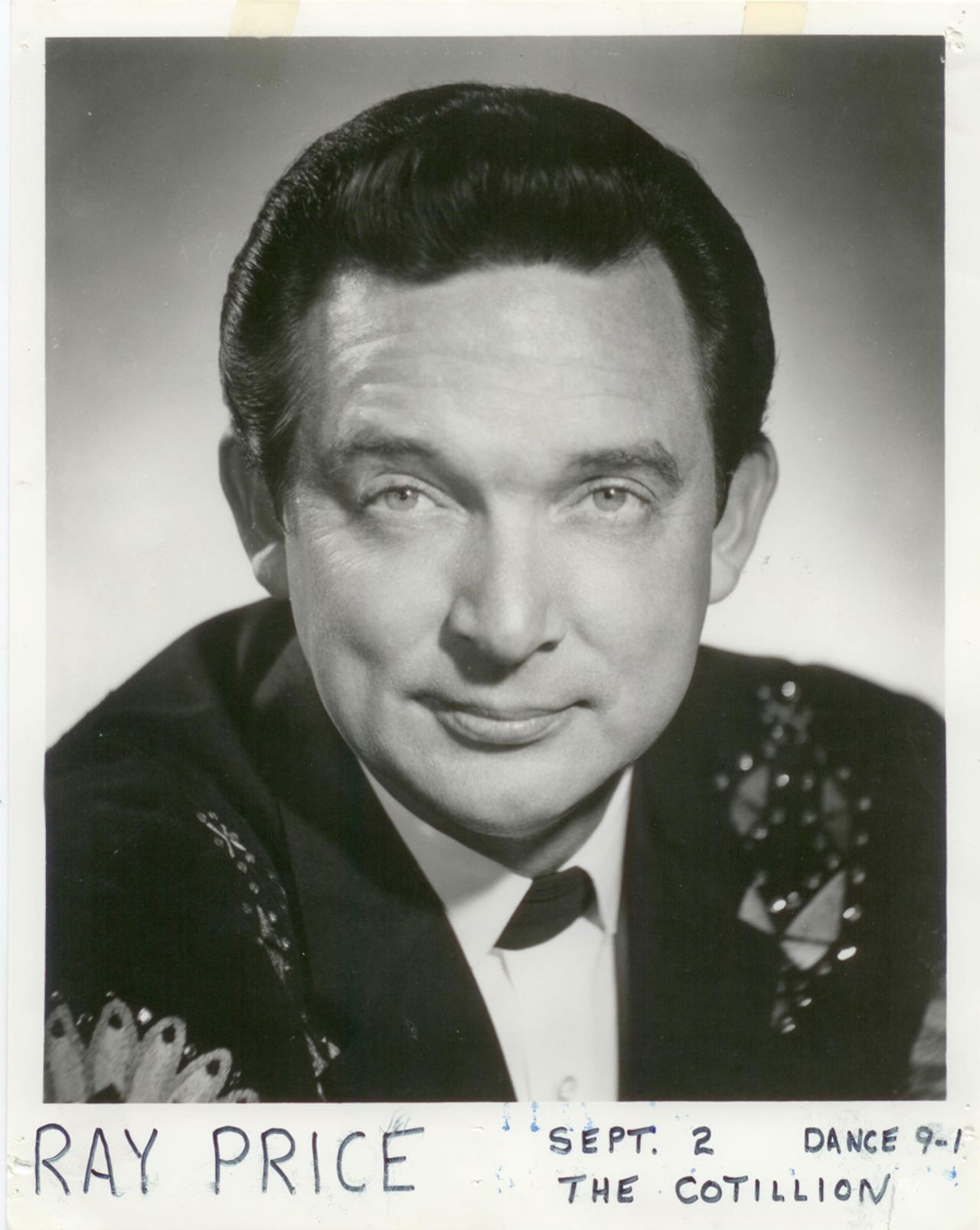
When Ray Price came to Nashville from Texas in 1951, he entered a town already orbiting around Hank Williams. Williams was not just successful; he was the defining country star of the moment, a singer-songwriter whose records, radio presence, and Grand Ole Opry fame gave him unusual power to spot talent and open doors. Price, by contrast, was still trying to get established, even with a Columbia Records contract in hand.
The early singles did not break through, but Williams heard something in Price’s voice that others clearly had not yet fully recognized. Price’s baritone carried a steadiness and warmth that set him apart, and Williams responded not with distant praise but with practical help. He brought the younger singer onto his tours as an opening act, a crucial kind of apprenticeship in a business where audiences could be won one night at a time.
Mentorship in public and in private
Williams’s support went beyond a friendly endorsement. He gave Price a major song, the co-written “Weary Blues from Waitin’,” and helped smooth the path to Price’s induction into the Grand Ole Opry in January 1952. In Nashville, that mattered enormously. The Opry was not just a stage; it was an institution that conferred legitimacy, visibility, and access.
Their relationship also had a personal dimension that set it apart from ordinary industry mentorship. Williams was only three years older than Price, but he was already a giant in country music, while Price was still learning how to survive the city’s professional and emotional demands. What Williams offered was part artistic belief, part career strategy, and part companionship at a moment when both men were under strain.
Williams heard real promise in Ray Price before the charts did, and he acted on it.
Roommates in a hard season
Early 1952 brought upheaval for both singers. Each man went through a marital breakup, including Williams’s split from Audrey Sheppard, and the emotional fallout changed the rhythm of their lives. Instead of retreating into separate corners of the music world, they ended up sharing a house in Nashville.
The image is striking precisely because it feels so human: two country singers, one already a legend and the other still rising, living together between tour dates, writing and talking and trying to steady themselves. The arrangement was born from hardship, but it also created an unusually intimate chapter in both careers. In that house, friendship and music were intertwined, and the bond between them deepened in a city where loneliness often hid behind applause.
When Hank had to leave, he made sure the band could stay
By late summer 1952, Williams’s circumstances had changed sharply. He had to leave Nashville for lower-paying work on the Louisiana Hayride in Shreveport, a painful step down for an artist who had stood at the center of the Opry world. That move had consequences not only for Williams but also for the musicians around him.
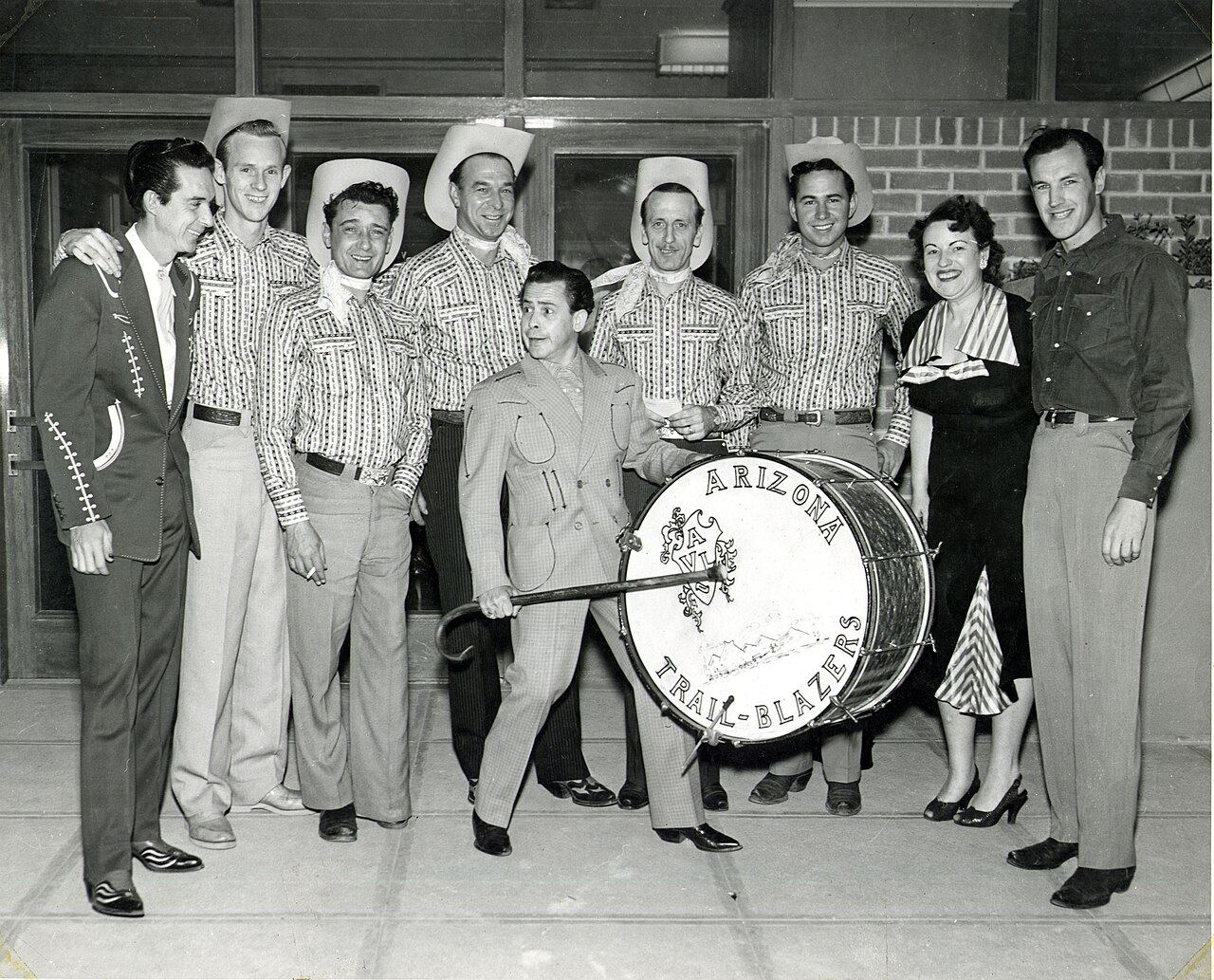
What followed was one of the clearest signs of his loyalty to Price and to his own band. Knowing he could no longer promise steady income for the Drifting Cowboys, Williams encouraged steel guitarist Don Helms, fiddler Jerry Rivers, Sammy Pruett, and Cedric Rainwater to remain in Nashville and play for Price instead. It was a practical decision shaped by family economics, but it was also an act of generosity. Williams recognized that these musicians needed dependable work, and he understood that Price was ready for a stronger platform.
The Hank Williams sound becomes Ray Price’s breakthrough engine
The transfer of musicians mattered. The Drifting Cowboys were not interchangeable sidemen; they were central to the sound that audiences associated with Hank Williams. Their playing carried emotional clarity, rhythmic snap, and the kind of ensemble instinct that could make a singer seem larger, sharper, and more assured. When those players backed Price, they gave him immediate sonic authority.
With that support behind him, Price broke through in 1952 with “Talk to Your Heart” and “Don’t Let the Stars Get in Your Eyes.” The songs announced that he was no longer merely a promising newcomer endorsed by a superstar. He was becoming a star in his own right. Nashville often talks about lineage, and here the line was unusually direct: one great artist, in a moment of personal and professional decline, helping another find his footing at exactly the right time.
After Hank’s death, Price carried the story forward
On January 1, 1953, devastating news emerged about Williams at just twenty-nine. His death turned recent memories into legend almost instantly, and for Price the loss was also personal. He had known Williams not just as an icon but as a friend, benefactor, housemate, and fellow traveler through a difficult year.
Price’s career did not stall in the shadow of that tragedy. He went on to form the Cherokee Cowboys and became a pioneering force behind the famous shuffle feel associated with his name. In that sense, the story is not only about what Hank Williams gave Ray Price, but about what Price built from it. A friendship forged in heartbreak and uncertainty helped bridge one era of country music to the next.
Quick Facts
- Key figures: Hank Williams and Ray Price
- Setting: Nashville, Tennessee, with later work in Shreveport, Louisiana
- Turning point: Williams encouraged the Drifting Cowboys to back Price in 1952
- Important songs: “Weary Blues from Waitin’,” “Talk to Your Heart,” and “Don’t Let the Stars Get in Your Eyes”
- Grand Ole Opry milestone: Ray Price was inducted in January 1952 with Williams’s support
- Legacy: Price later formed the Cherokee Cowboys and helped pioneer the Ray Price shuffle
Image credits: MHarrison / Wikimedia Commons / CC BY-SA 3.0; Unknown authorUnknown author / Wikimedia Commons / Public domain; No author or photographer credited. / Wikimedia Commons / Public domain.

