
News
Bill Owens, the Quiet Hand Behind Dollywood’s Trees and Music
For decades, Dolly Parton’s uncle Bill Owens balanced life as a performer, songwriter, and determined tree-planter, leaving a living mark on Dollywood and the mountains of East Tennessee.


The uncle who stayed close to home
When Dolly Parton bought the Silver Dollar City park in Pigeon Forge, Tennessee, and reopened it as Dollywood in 1986, Bill Owens did not step into the spotlight as an executive or public figurehead. He chose something more rooted: a working life inside the park and in the hills around it, close to the Smokies and close to family.
Owens already held an important place in Dolly Parton’s story. He was the uncle who gave her her first real guitar, a gesture that became part of country music lore because it connected directly to the beginnings of one of America’s most recognizable songwriters and performers. Yet his own later role was notably modest, built less on title than on daily labor.
A red guitar onstage at Dollywood
For more than three decades, Owens appeared in Dolly’s Kinfolks Show, strapping on his red Gibson electric guitar and playing for visitors who came to the park looking for music, mountain culture, and a sense of Parton family history. Alongside relatives including Louis Owens and DorothyJo, he helped turn family storytelling into a living part of the Dollywood experience.
These sets were not just performances. They were a bridge between the global fame of Dolly Parton and the local world that shaped her in Sevier County. Owens and the other family members shared stories about her childhood, giving park guests a more intimate picture of the singer than any ride or gift shop could offer.
Visitors often passed him twice in a day — first as a musician onstage, later as an older man at work among the trees, never realizing both roles belonged to the same person.
After the show, a shovel
When the stage lights were off, Owens shifted into another kind of work. He pulled on boots, picked up a shovel, and went back outdoors. From 1986 to 2021, he hand-planted around 70,000 trees throughout the hills and walkways of Dollywood, shaping the park not only as a place of entertainment but as a landscape.
That number becomes more striking when paired with how he did it. At home, he saved empty paper milk cartons, filled them with mountain soil, and started seedlings from seed. Oaks, maples, and pines were grown one by one before being transplanted across the park. It was patient, repetitive work, the kind that asks for vision over applause.
An invisible legacy in plain sight
Many guests likely never knew that the man trimming branches along a path had also helped launch Dolly Parton’s career. Owens was a BMI Award-winning songwriter, but at Dollywood his fame sat quietly in the background. His most visible contribution was also, in a sense, the easiest to overlook: shade, slope, greenery, the feeling that the park belonged to the mountain terrain around it rather than having been simply dropped on top of it.
That understated quality is central to his legacy. Theme parks are usually remembered for rides, shows, and crowds. Owens left something slower and more enduring. Trees alter a place over years, then decades. They cool walkways, frame views, soften noise, and make memory feel attached to land. His work gave Dollywood part of its atmosphere.
Restoring the American chestnut
Owens’s commitment to trees extended beyond Dollywood. In his later years, he worked with The American Chestnut Foundation and the University of Tennessee on efforts to restore the American chestnut, a tree once central to Appalachian forests before blight in the early twentieth century devastated the species.
With funding he encouraged Dolly Parton to provide, Owens helped support the breeding of blight-resistant hybrids and the planting of thousands of test trees across East Tennessee. It was a practical, hopeful project rooted in regional memory. The American chestnut is not just a botanical concern in Appalachia; it represents the possibility of repairing a damaged native landscape.
Music, family, and stewardship
Bill Owens’s life around Dollywood draws together several strands of Appalachian identity at once: family loyalty, music passed hand to hand, storytelling, manual work, and a close relationship with the land. He was part of the machinery of a major tourist destination, but he also embodied something much older than the park itself.
His story widens the public image of Dollywood. Behind the marquees and performances stood a man who could talk about Dolly’s childhood, play a daily set, then spend hours tending saplings. That combination of show business and stewardship makes his contribution unusual — and deeply fitting for a place built on mountain heritage.

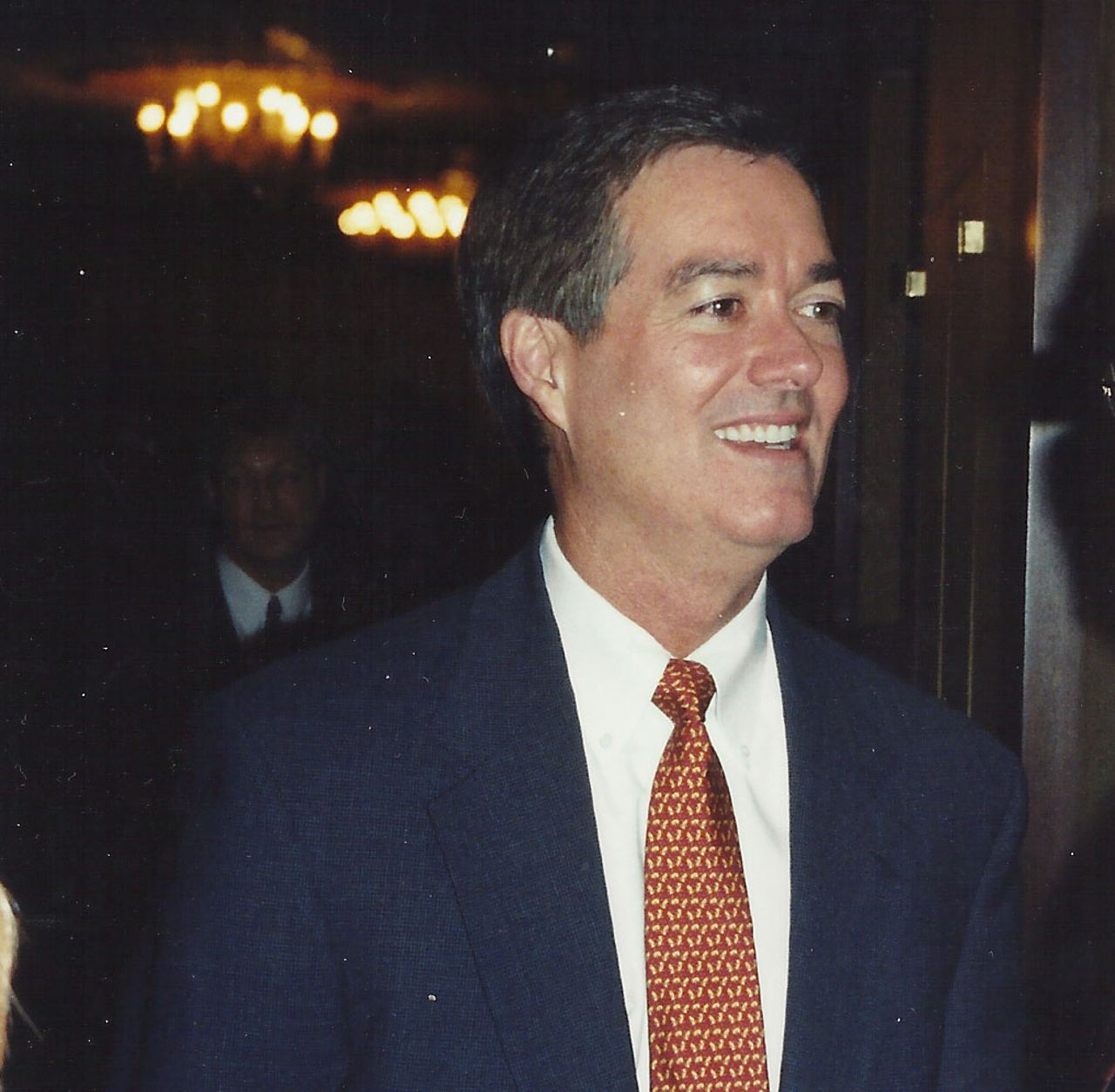
Quick Facts
- Name: Bill Owens
- Known for: Dolly Parton’s uncle, songwriter, musician, and tree-planter at Dollywood
- Dollywood role: Performer in Dolly’s Kinfolks Show and longtime landscaper/tree planter
- Tree planting: Hand-planted around 70,000 trees at Dollywood from 1986 to 2021
- Species mentioned: Oak, maple, and pine
- Conservation work: American chestnut restoration with The American Chestnut Foundation and the University of Tennessee
- Connection to Dolly Parton: He gave her her first real guitar and helped launch her early career
Image credits: United States Congress / Wikimedia Commons / Public domain; US_Navy_060502-N-5324D-001_Flanked_by_area_Sailors,_Denver_Gov._Bill_Owens_signs_a_proclamation_marking_the_beginning_of_Navy_Week_2006.jpg: U.S. Navy photo by Photographer’s Mate 1st Class Janine T. Deneault derivative work: Benchill (talk) / Wikimedia Commons / Public domain; Ariarmstrong / Wikimedia Commons / CC BY-SA 4.0.

