
News
The Sweet Secret Inside Dolly Parton’s ‘Jolene’
Behind one of country music’s most aching songs was a teasing domestic story Dolly Parton and Carl Dean carried through nearly sixty years of marriage.

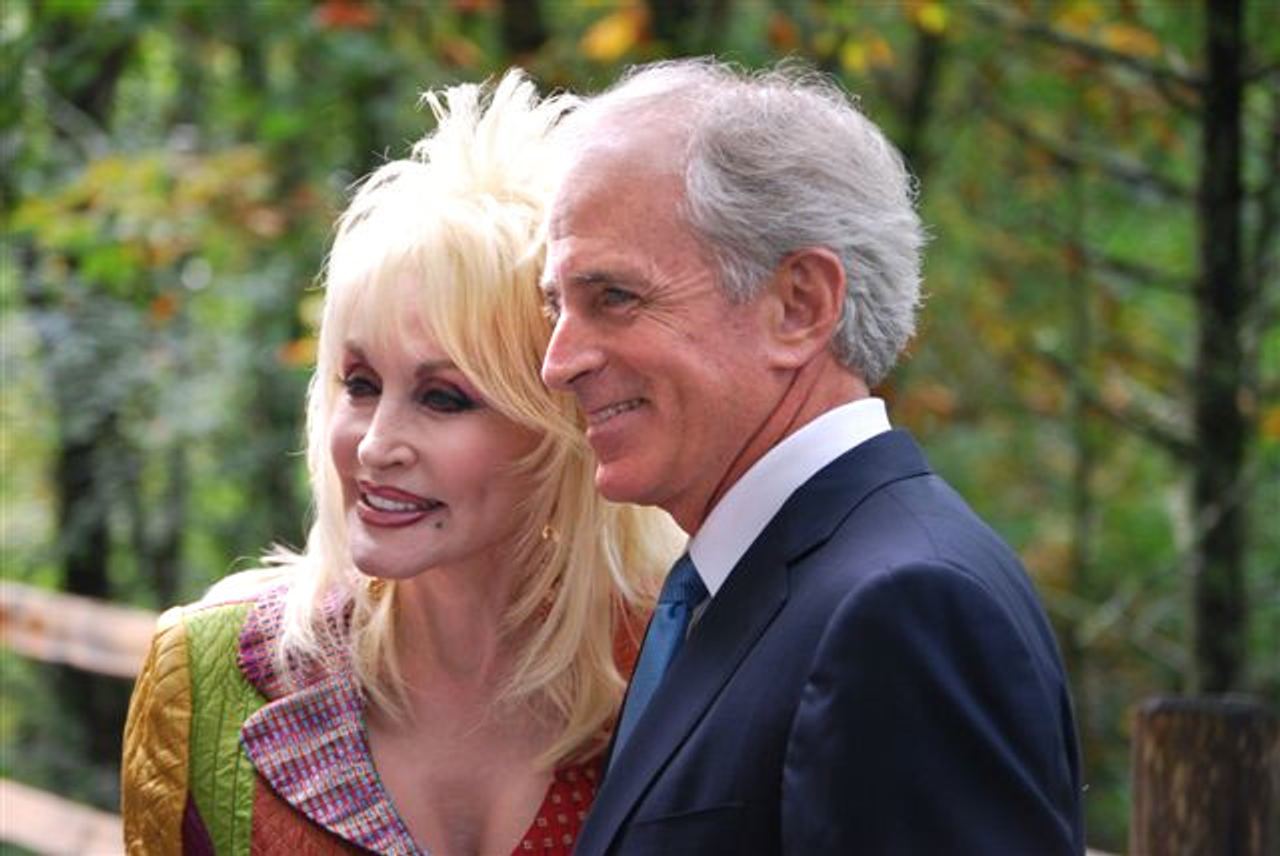
A heartbreak song with a private wink
When Dolly Parton released “Jolene” in October 1973, listeners heard pure vulnerability: a woman pleading with a beautiful rival not to take the man she loves. The song’s spare urgency, and its famous description of irresistible beauty, made it feel painfully real. For millions, it was a miniature drama of jealousy and fear.
At home, though, the emotional core of the record had a very different tone. Parton would later explain that the spark came not from betrayal, but from a harmless little situation early in her marriage to Carl Dean. The song the world embraced as a desperate confession was, inside their relationship, also a joke the two of them understood perfectly.
It sounded like heartbreak to everyone else. In the Parton-Dean household, it was also a grin, a blush and a story they never quite stopped telling.
The bank teller who kept Carl coming back
The setup was pure everyday Nashville. In the early years of their marriage, a tall red-headed bank teller began paying Carl Dean a bit of extra attention. Dean, a famously private man who ran an asphalt-paving business, was not a celebrity spouse looking for the spotlight. By all accounts, that was part of what made the episode so funny to Parton: her shy husband suddenly had a reason to keep finding his way to the bank.
Parton did not turn the moment into a domestic argument. Instead, she turned it into material. She saw the humor in Dean’s eagerness and transformed a tiny, ordinary marital tease into something mythic. The bank visits became the seed of a song that would go on to outgrow its origin completely, even as its home truth remained disarmingly small and affectionate.
How ‘Jolene’ got her name
The woman in the song may have been inspired by the teller, but the name came from somewhere else entirely. Parton has often shared that “Jolene” was the name of a young girl, around eight years old, who waited for an autograph after a show. She had striking red hair, green eyes and a name Parton found beautiful enough to build a song around.
That combination of sources is part of what gives “Jolene” its lasting power. The song’s central figure is not a literal portrait of one person, but a crafted character assembled from memory, image and sound. Parton borrowed the look and the name, then fused them with the playful jealousy inspired by the bank teller. What emerged was a song so vivid that listeners assumed it had to be a direct confession.
Born in a remarkable creative burst
“Jolene” came from the same fertile period that produced “I Will Always Love You,” a pairing that says a great deal about Parton’s songwriting gifts. In one stretch, she could write a clear-eyed farewell ballad and, alongside it, a taut little storm of romantic dread. Few songwriters have shown such range with such economy.
That creative moment also helps explain why “Jolene” feels larger than its anecdote. Parton did not simply report what happened at the bank. She distilled it. She took a minor domestic amusement and gave it the shape of folklore: a first-name title, a vivid physical description, a direct plea, and a melody that circles like worry itself. The result became a worldwide hit, far beyond the scale of the original joke.
Carl Dean, the shy man at the center of the legend
Carl Dean remained one of the most elusive figures in celebrity marriage, and that privacy only made the story more charming. Parton delighted in recounting the teller anecdote in interviews, but Dean himself was said to be deeply embarrassed by the attention. The teasing had consequences: he reportedly refused ever to go back inside that bank branch again.
That response fits the public picture Parton drew of him over the decades. He was shy, faithful, amused by her fame rather than drawn to it, and content to stay out of sight. So while “Jolene” became one of the most famous songs in popular music, the man whose harmless flirtation helped inspire it remained, characteristically, in the background—blushing, laughing and leaving the spotlight to his wife.
Why the story feels different now
For years, the tale behind “Jolene” worked as a perfect Dolly Parton anecdote: funny, warm, lightly self-mocking and full of human detail. It revealed something essential about their marriage—that even a potential flashpoint could be converted into humor rather than suspicion. What listeners heard as fear of loss was, in the Parton-Dean household, evidence of ease and trust.
After sad news was shared about Dean at age 82, the story took on a gentler weight. The bank teller was no longer just a punchline attached to a classic record. It became one of the clearest surviving snapshots of the couple’s life together: a young husband enjoying attention, a brilliant wife turning it into art, and a private joke lasting for decades. In that sense, “Jolene” now carries two truths at once—public heartbreak and private tenderness.
Quick Facts
- Song: “Jolene”
- Released: October 1973
- Writer: Dolly Parton
- Inspiration: A flirtatious red-headed bank teller and a young fan named Jolene
- Related songwriting period: The same creative stretch that produced “I Will Always Love You”
- Carl Dean’s role in the story: Dolly Parton’s shy husband, who was embarrassed by the bank-teller joke
Image credits: United States Congress / Wikimedia Commons / Public domain; Curtis Hilbun / Wikimedia Commons / CC BY 3.0; Moeller Talent, Inc. Nashville (management) / Wikimedia Commons / Public domain.