
News
How San Quentin and a Mother’s Faith Changed Merle Haggard
Before he became one of country music’s defining voices, Merle Haggard was a grief-stricken young drifter whose path through juvenile lockups and into San Quentin was shadowed by loss, rebellion, and a mother who refused to quit on him.

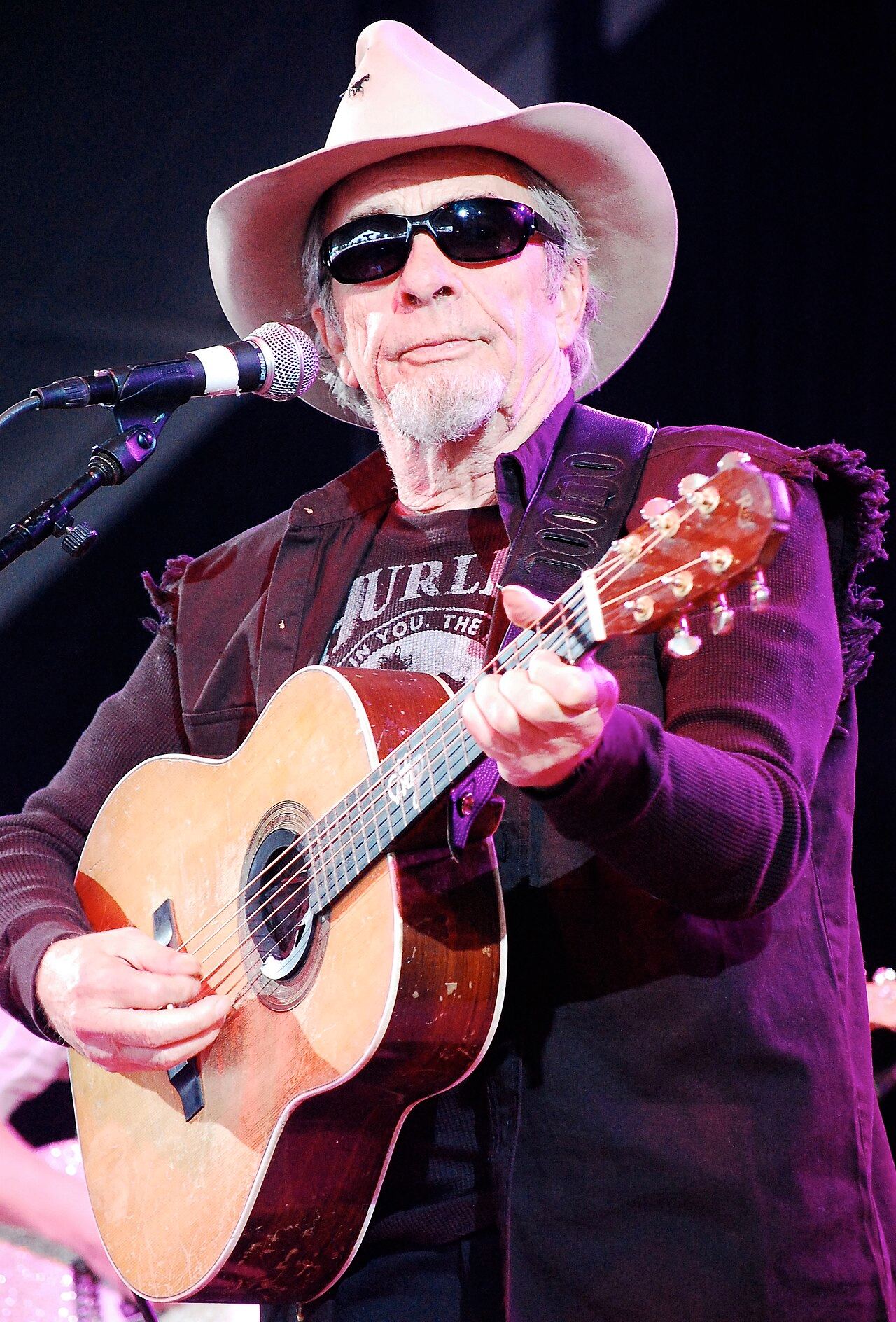
A boyhood broken in Oildale
Long before Merle Haggard became a symbol of hard country realism, he was a boy growing up in Oildale, California, in a family shaped by migration, scarcity, and grit. His parents had come west from Oklahoma during the Depression, part of the human tide that remade California’s Central Valley and gave Bakersfield its distinct cultural mix. The Haggards lived in a converted refrigerator boxcar, a makeshift home his father, James Francis Haggard, turned into shelter through ingenuity and labor.
paras_extra_removed_for_json_schema
Flossie Mae’s losing battle
After James Haggard’s death, Flossie Mae Haggard carried the family alone. She took a bookkeeping job in Bakersfield and leaned hard on her church faith while raising three children. In the story of Merle Haggard’s early life, she emerges as a figure of endurance: practical, devout, exhausted, and persistent in ways that now feel almost unbearable to imagine.
For Merle, adolescence became a pattern of escape. At fourteen he began hopping freight trains, skipping school, and drifting into petty crime. He was sent to juvenile detention centers seven times and repeatedly ran away. Each episode widened the gap between the life his mother tried to hold together and the one he seemed determined to test. Yet she kept appearing where mothers of troubled sons so often do: in police stations, in courtrooms, after sleepless nights, asking authorities for one more chance.
She had done everything she could to keep him out.
From rebellion to prison gates
By the late 1950s, Haggard’s troubles had hardened from teenage delinquency into adult consequences. In late 1957, drunk and only twenty years old, he tried to pry open the door of a Bakersfield tavern at eleven o’clock at night while the business was still open. It was not the sort of criminal mastermind plot later mythology sometimes wraps around outlaw musicians. It was clumsy, reckless, and almost sad in its smallness.
But the act did not arrive in isolation. Haggard already had a long juvenile record, and local jailbreaks weighed against him as well. In February 1958, he entered California’s San Quentin State Prison as inmate number 65723. He turned twenty-one behind bars. However famous his name would later become, the young man walking through those gates was not yet an icon in waiting. He was a son who had squandered chances, a repeat offender, and a prisoner confronting the fact that his mother’s efforts had not been enough to stop his fall.
What San Quentin showed him
San Quentin was not an abstraction. It was a place of stone walls, routines, fear, and finality. Inside, Haggard saw a fellow inmate walk to the gas chamber, an experience that stripped away any lingering romance about criminal life. Prison can harden a person, but it can also force a terrible clarity. For Haggard, this was one of the moments when the trajectory of his life came into focus.
Then came another jolt of recognition from a very different source. In 1958, Johnny Cash performed at the prison. For inmates, such performances could be a rare interruption in the monotony and menace of confinement. For Haggard, it was more than entertainment. Seeing Cash inside San Quentin helped connect music with possibility, discipline, and identity. The lesson was not simply that a singer had come to prison. It was that a man could stand before convicts and command the room with nothing but songs, truth, and presence.
The making of a country voice
The importance of these experiences in Haggard’s later career is not just biographical color. They help explain the authority in his singing and songwriting. He did not need to imagine regret, class struggle, stubborn pride, maternal devotion, or the dead-end bravado of young men trying to outrun pain. He had lived inside those tensions before he ever recorded them.
That authenticity became central to the Bakersfield sound and to Haggard’s image as a singer who understood working people, drifters, prisoners, and the families left trying to save them. His music would later carry traces of Oildale poverty, Depression migration, church-rooted endurance, and prison-earned self-recognition. The best country singers often sound as if they are reporting from the fault line between bad choices and redeeming grace. Haggard had stood on that line early.
The mother at the center of the story
It is tempting to tell Merle Haggard’s early years as a classic American redemption arc: poor boy goes wrong, prison changes him, talent saves him. But that version flattens the most haunting figure in the story. Flossie Mae is what gives the tale its moral weight. She is the one working, praying, worrying, and showing up. She is the witness to the boy he had been and the man he might still become.
In that sense, Haggard’s San Quentin chapter is not only a story about crime and punishment. It is a story about grief that began with a father’s death, about the instability that can follow childhood loss, and about a mother’s faith colliding with forces she could not fully control. When Haggard later sang with such conviction about hardship and consequence, listeners were hearing more than a performer’s style. They were hearing the echo of Oildale, the prison yard, and the woman who never stopped pleading for her son.
Quick Facts
- Subject: Merle Haggard
- Prison number: 65723
- Entered San Quentin: February 1958
- Turned 21: While incarcerated at San Quentin
- Mother: Flossie Mae Haggard
- Father: James Francis Haggard
Image credits: whittlz at https://www.flickr.com/photos/whittlz/ / Wikimedia Commons / CC BY-SA 3.0; U.S. federal government / Wikimedia Commons / Public domain; Jeremy Luke Roberts / Wikimedia Commons / CC BY 2.0.