
News
Dolly Parton, Porter Wagoner, and the $1 Million Goodbye That Didn’t End Their Story
A bitter 1979 lawsuit over money, publishing, and betrayal might have finished Dolly Parton and Porter Wagoner for good, but their relationship took a far more complicated turn—one that eventually included forgiveness and a quiet act of rescue.

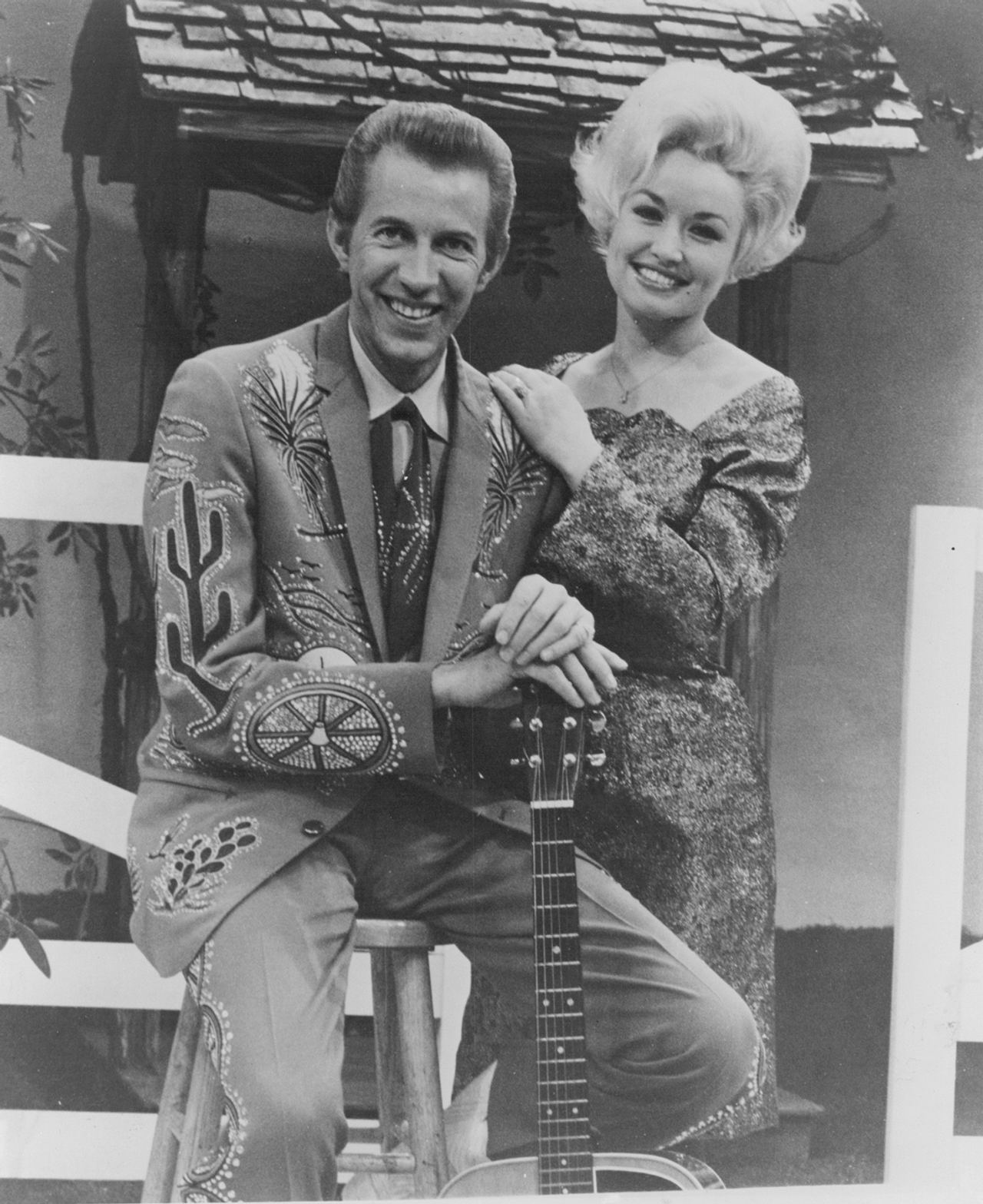
A farewell song became the center of a painful split
By the time Dolly Parton left The Porter Wagoner Show in 1974, she was no longer just the young singer Wagoner had introduced to television audiences. She was a fast-rising songwriter and performer with a clear sense of where she wanted to go next. Her farewell was not only professional but deeply personal: she wrote “I Will Always Love You” as a goodbye to Wagoner, the mentor who had helped make her a star and with whom she had built a famously intense creative partnership.
The song has since become part of American music history, but at the moment of its creation it marked a rupture. Parton was determined to move forward on her own terms. Wagoner, who had invested years in promoting her and shaping their duet act, did not take the separation lightly. What followed was not just a career divergence but a prolonged emotional and financial reckoning.
I will always love you was written as a goodbye, but it did not end the bond—or the conflict—between Dolly Parton and Porter Wagoner.
As Parton soared, Wagoner struggled
In the years after the split, the contrast between their fortunes became stark. Parton crossed decisively into mainstream pop-country success with “Here You Come Again” in 1977, then added the 1978 CMA Entertainer of the Year honor to a rapidly expanding résumé. Hollywood was opening up too: she was preparing to make “9 to 5,” a move that signaled her ambitions had grown far beyond the format that first made her famous.
Wagoner, by contrast, was confronting slowing sales and increasing financial pressure. The man who had once presided over a polished syndicated television machine was no longer moving with the same momentum. In Nashville, where business and loyalty are often tangled together, that imbalance only heightened the bitterness of their break. What had once looked like a classic mentor-protégé success story was turning into a dispute over ownership, earnings, and who deserved credit for what came next.
The 1979 lawsuit put their history on paper
In February 1979, Wagoner filed a federal lawsuit in Nashville seeking $3 million. At its core was a sweeping claim: he wanted 15 percent of Parton’s future earnings. He also argued that he was a co-owner of Owe-Par, the publishing company Parton had founded at age 21 with her uncle Bill Owens to safeguard the songs she wrote between 1967 and 1974.
That claim cut to the heart of Parton’s independence. Publishing was not a side issue; it was the foundation of her long-term power in the music business. Keeping control of her songwriting meant protecting the value of hundreds of songs she had written during the period when her career was taking shape. For any artist, especially one who had worked so hard to own her material, the lawsuit represented more than a financial threat. It challenged the very structure of the empire she was building.
Behind the smile, Parton was fighting to keep her catalog
The timing was brutal. By day, Parton was on the set of “9 to 5,” smiling for cameras and stepping into a larger entertainment world. Off camera, she spent months negotiating through lawyers with the same man who had once defended her when early audiences booed her in 1967. Their history was layered with gratitude, resentment, affection, and business—all of it now filtered through legal strategy.
In 1980, Parton settled. She agreed to pay Wagoner $1 million in installments drawn from her studio, touring, and film income. It was a substantial price, but the settlement allowed her to keep full ownership of her songwriting catalog. That outcome mattered enormously. Parton had lost money, but she had protected the rights that would define her future. In practical terms, she had paid dearly to close one chapter and secure the next.
Public reconciliation came years after private damage
For a long time, neither side could simply erase what had happened. The lawsuit had dragged their private grievances into public view, and the settlement did not instantly restore trust. Yet the relationship was never simple enough to collapse into permanent enmity. Their connection had been too formative, too familial in its intensity, for that.
Seven years after the settlement, Parton made a striking gesture. She invited Wagoner onto her 1987 television show, and the two embraced on stage. For viewers, it was an image of reconciliation; for those who knew the backstory, it was also an acknowledgment that whatever had broken between them had not fully destroyed the bond. In country music, where memory and sentiment carry unusual force, that moment resonated as more than nostalgia.
When Wagoner faced ruin, Parton helped him anyway
The most revealing turn came later, when severe IRS debt in the late 1980s threatened to wipe Wagoner out financially. By then, Parton had every reason to keep her distance. Instead, she stepped in. She bought the rights to their shared duet catalog so he could pay off his debts and avoid losing everything.
Then, after he recovered financially, she gave those rights back to him. It was an extraordinary act, especially considering the history between them: the hurt over her departure, the public lawsuit, the $1 million settlement, and years of strain. Parton’s decision did not erase the past, but it reframed it. Their story was no longer just about betrayal and money. It also became a story about how loyalty can survive even after business has turned love into litigation.
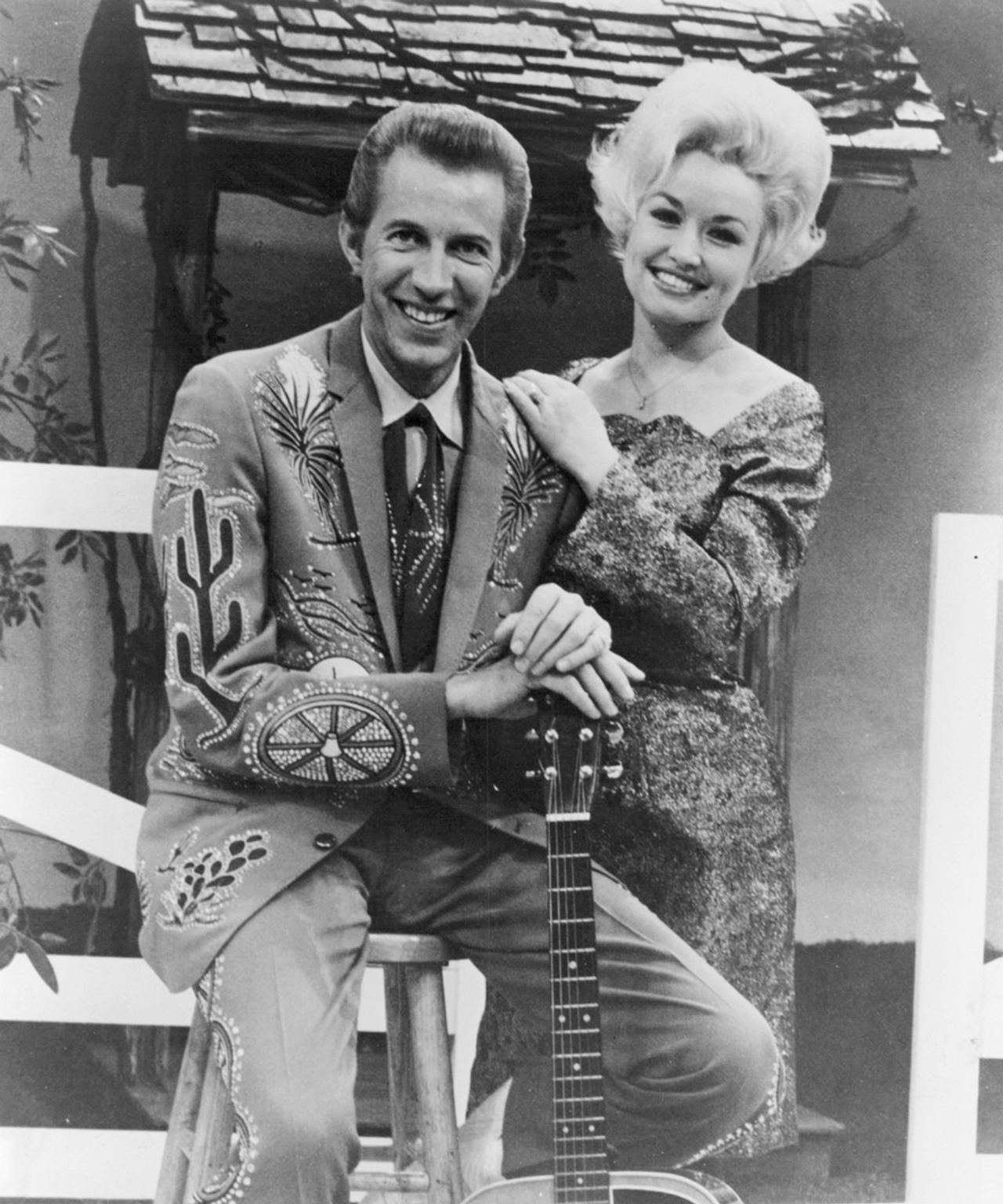
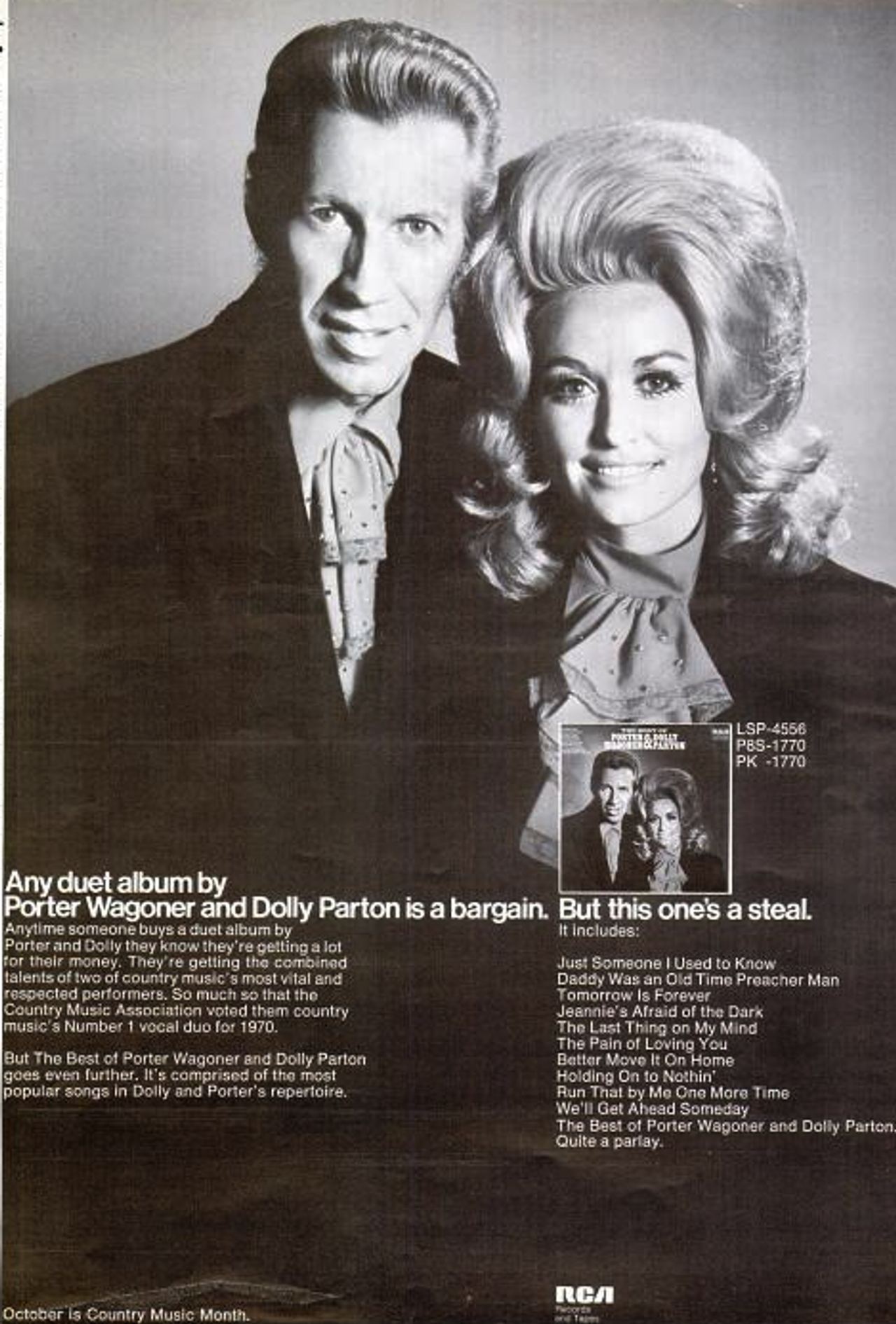
Quick Facts
- Who sued whom: Porter Wagoner sued Dolly Parton in federal court in Nashville in February 1979.
- Amount sought: Wagoner demanded $3 million in the lawsuit.
- Key claim: He sought 15 percent of Parton’s future earnings and claimed co-ownership of Owe-Par.
- Settlement: Parton agreed in 1980 to pay Wagoner $1 million in installments.
- What Parton kept: She retained full ownership of her songwriting catalog.
- Later reconciliation: Parton invited Wagoner onto her 1987 television show, where they embraced on stage.
- Further help: When IRS debt threatened Wagoner in the late 1980s, Parton bought rights to their shared duet catalog to help him pay his debts, then later returned those rights.
Image credits: Moeller Talent, Inc. Nashville (management) / Wikimedia Commons / Public domain; Moeller Talent, Inc. Nashville (management) / Wikimedia Commons / Public domain; RCA Victor / Wikimedia Commons / Public domain.