
News
Kris Kristofferson’s Hana Years: The Far Edge of Maui Where Fame Fell Quiet
In remote Hana, far from Hollywood and Nashville, Kris Kristofferson built a life of tractors, fences, family, and the kind of peace celebrity had never given him.

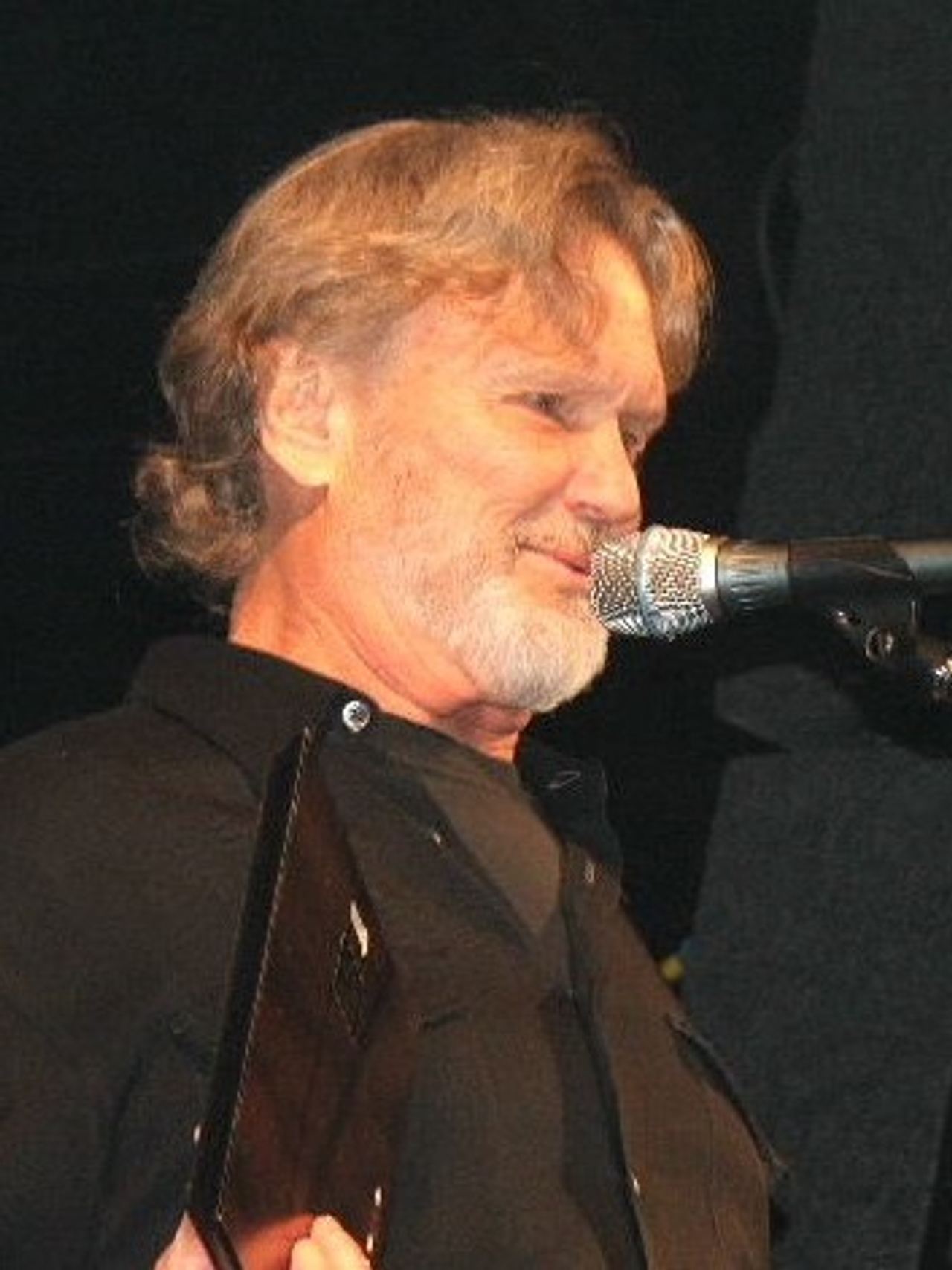
Why Kris Kristofferson Went Looking for Distance
By the late 1980s, Kris Kristofferson had already lived several public lives. He was the songwriter of modern standards, a movie star, a decorated thinker and athlete, and a man whose name carried equal weight in Nashville and Hollywood. But public success had come with private cost. After marrying Lisa Meyers, his third wife, he made a choice that now feels almost radical for someone of his stature: he left the main centers of celebrity life behind and moved his growing family to Hana, on the eastern edge of Maui.
The appeal of Hana was not glamour but separation. Kristofferson had seen too much of the velocity of fame, and too much of what hard living could take from people. He had watched the culture around him consume friends, including Janis Joplin, and he knew how careers built on motion, travel, and attention could wear down marriages and family life. Hana offered the opposite of all that: a place where the days were shaped by weather, land, and children rather than industry schedules and public scrutiny.
No Grammy trophy or academic honor ever gave him the peace he felt watching his children play safely across the grass he had just cut.
The Road to Hana as a Barrier to Celebrity
Even reaching Kristofferson’s new home required commitment. The Hana Highway is famous for its beauty, but also for its demands: a winding 50-mile route with more than 600 sharp curves and nearly 60 one-lane bridges. For tourists, it is an adventure. For someone trying to build a private life, it was also a natural filter, a long green corridor that discouraged casual intrusion.
That mattered. Hana was small, quiet, and notably untouched by the machinery of celebrity culture. There were no traffic lights, no sprawling supermarkets, and none of the ambient surveillance that follows famous people in Los Angeles or Nashville. In Hana, the landscape itself helped protect the life Kristofferson wanted. Paparazzi were absent. Routine was possible. The remoteness was not an inconvenience to him; it was the point.
An Oceanfront Life Built by Hand
On the family’s oceanfront acreage overlooking the Pacific, Kristofferson did not retreat into the insulated habits of stardom. He did not hand the practical work of country living to a team of employees. Instead, he took it on himself. In faded jeans and muddy boots, he worked the property the way a committed landowner does: tending the garden, repairing fences, and clearing the pastures.
The image is striking because it cuts against the mythology of celebrity ease. Here was a Golden Globe winner and Country Music Hall of Fame songwriter spending his days on a John Deere tractor or lawn mower, caring for the place where his children were growing up. The labor was ordinary, repetitive, even dirty. That was part of its meaning. It grounded a man whose life had often unfolded on stages, film sets, and award platforms in tasks with immediate, visible results.
The Neighbor in the Afternoon Sun
In Hana, Kristofferson’s résumé mattered less than his presence. To neighbors and visiting friends, including fellow Maui resident Willie Nelson, he was not primarily a legend but a local figure: a quiet family man who might lift a hand in greeting from atop a mower. That kind of recognition—personal rather than performative—was one of the gifts Hana gave him.
There is something revealing in the contrast. The wider world knew Kristofferson as a Rhodes Scholar from Oxford, a Golden Gloves boxer, an Army helicopter pilot, an actor, and one of the defining songwriters of his era. Hana knew him through habit and sightline: a man on his land, a father with children nearby, a resident woven into the rhythms of a small community. In places like Hana, stature is often tested not by headlines but by whether someone shows up plainly, day after day, as themselves.
What Peace Looked Like After the Spotlight
For Kristofferson, Hana was more than a scenic hideaway between professional obligations. It was a sanctuary in the deepest sense of the word, a place where he could recalibrate what mattered. After years spent moving between worlds of ambition, nightlife, creativity, and pressure, he found satisfaction in a quieter measure of success: the safety and ease of family life.
He often framed that peace in simple terms. The achievements that impressed the outside world—Grammy recognition, academic distinction, military discipline, film awards—did not equal the feeling of looking out over grass he had just cut and seeing his children play there. That image captures the entire logic of his move. Hana was not an escape from work or responsibility. It was a move toward a different kind of responsibility, one rooted in home, land, and presence.
More Than 35 Years on the Far Edge of Maui
For more than 35 years, Hana remained Kristofferson’s refuge between public chapters of his life. That duration matters. It was not a temporary retreat, not a fashionable experiment in island living, and not a side address maintained for privacy. It became the enduring center of his offstage world, a place where family life could unfold far from the noise that had shaped so much of his career.
In the end, the story of Kris Kristofferson in Hana is compelling precisely because it is so unshowy. A man associated with artistic brilliance, restless intelligence, and hard-earned fame chose a life defined by curves in the road, sea air, machinery, fence posts, and afternoons at home. On the remote eastern edge of Maui, he found something rarer than celebrity admiration: the freedom to be ordinary, and to discover that ordinary life could be the greatest luxury of all.
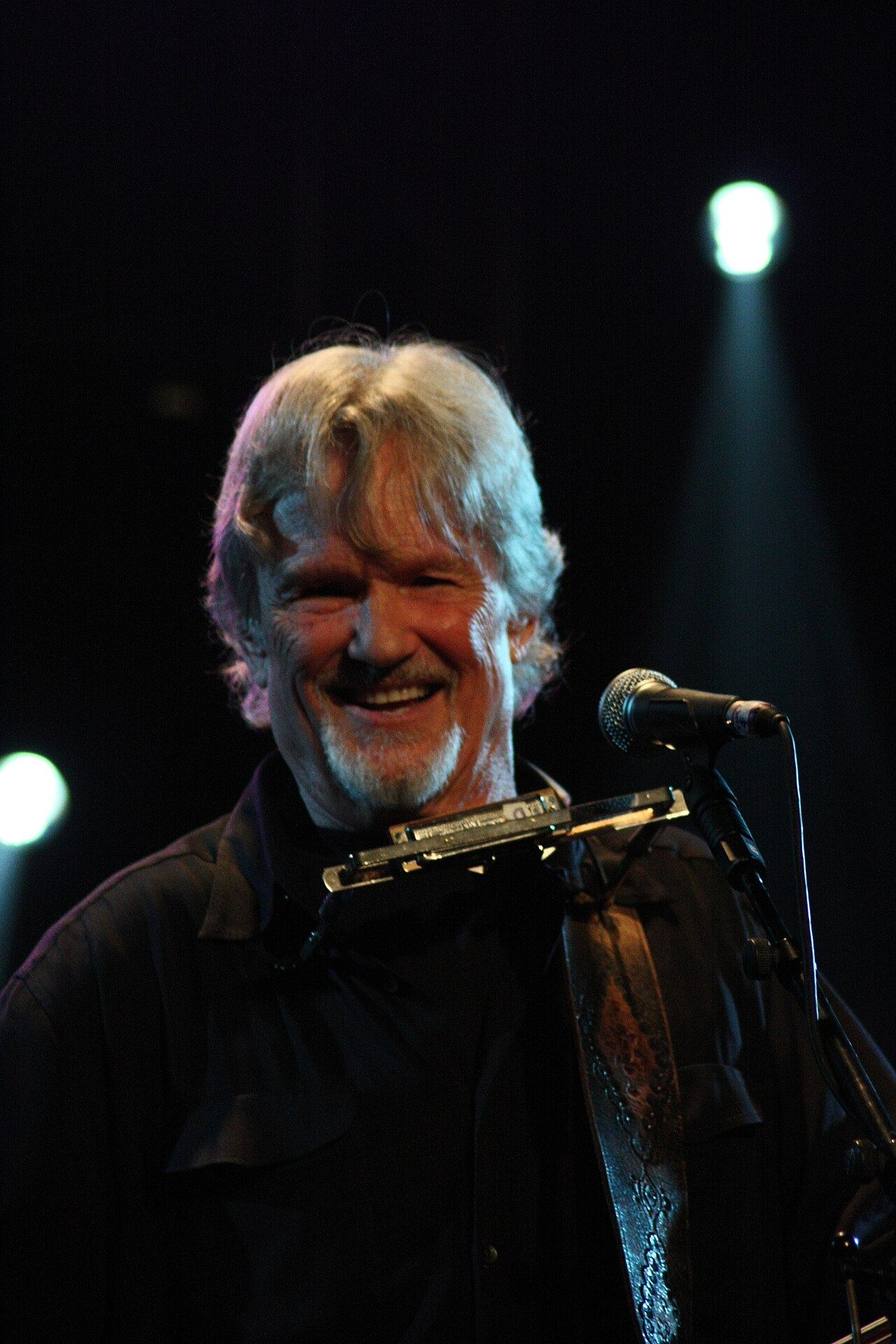
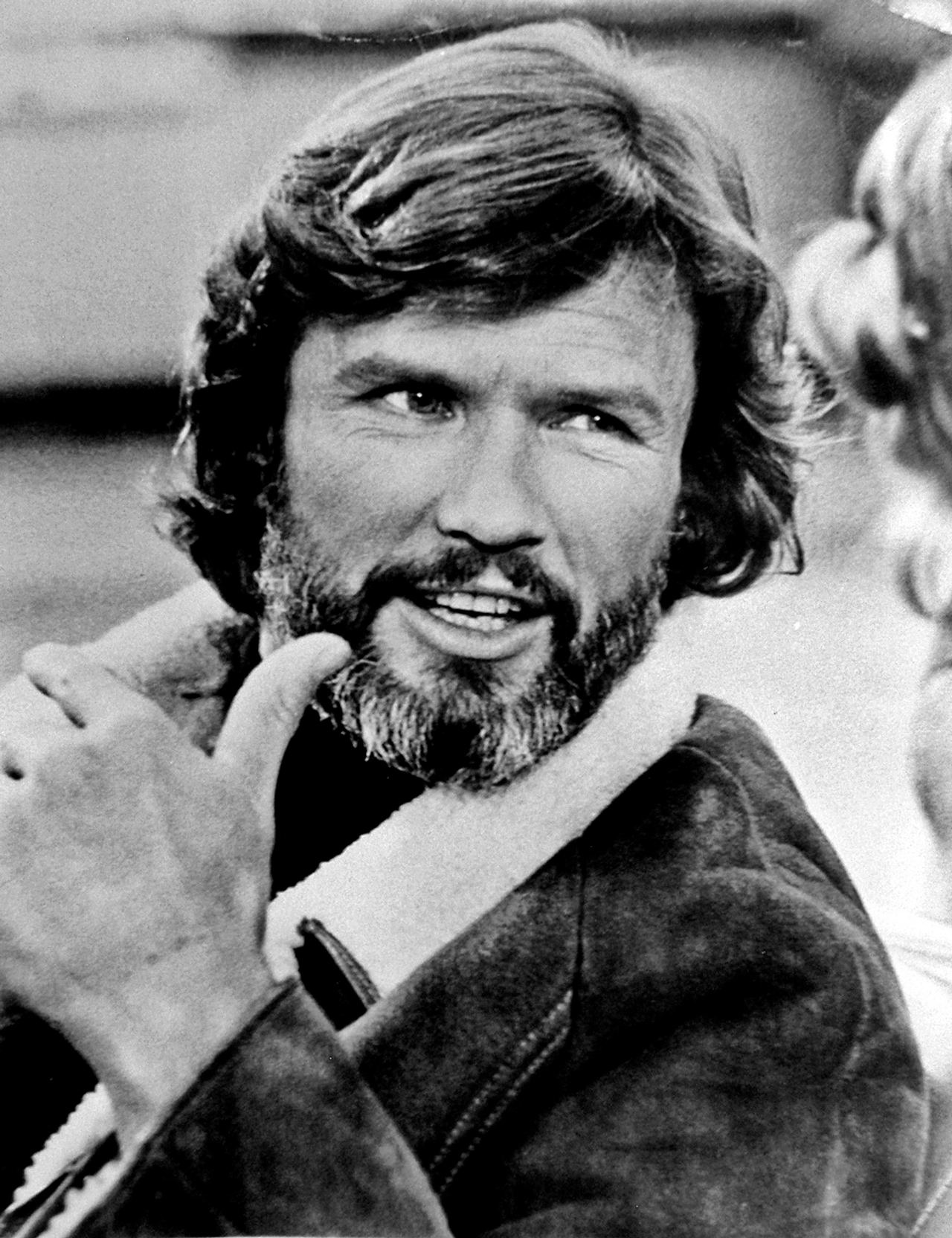
Quick Facts
- Who: Kris Kristofferson
- Place: Hana, Maui, Hawaii
- Moved there: Late 1980s, after marrying Lisa Meyers
- Why Hana mattered: Privacy, distance from Hollywood and Nashville, and a calmer family life
- Daily life: Gardening, repairing fences, clearing pastures, and mowing his land
- Known visitors/neighbors: Willie Nelson and local Hana neighbors
Image credits: Ron Baker (Kingsnake) / Wikimedia Commons / CC BY-SA 2.0; Atkinsj / Wikimedia Commons / CC BY-SA 3.0; Agency: Magna Artists / Wikimedia Commons / Public domain.