
News
The Day Dolly Parton Sang Goodbye: Inside RCA Studio B as “I Will Always Love You” Ended an Era
On a June morning in 1973, Dolly Parton turned a painful professional split with Porter Wagoner into one of country music’s most enduring farewell songs, recorded under the eye of the man she was leaving behind.

A partnership built on television, control, and country stardom
By the spring of 1973, Dolly Parton and Porter Wagoner were no ordinary duet act. Since 1967, Wagoner had helped shape nearly every visible part of Parton’s career, placing her before audiences on The Porter Wagoner Show in more than 100 television markets, producing her RCA Victor recordings, and sharing in the business machinery behind the music through their Owepar publishing company. In Nashville, the arrangement made perfect sense: Wagoner was already a star, and Parton was the astonishing young songwriter and singer rising within his orbit.
But the partnership was never merely artistic. Wagoner was known as a commanding, exacting figure, a showman in elaborate rhinestone suits who managed details onstage and off with a firm hand. He projected certainty, authority, and control. For years, that force had given Parton a platform. It had also set the boundaries of her career.
When Dolly Parton asked to leave
Parton wanted out. After years of working within Wagoner’s world, she asked in the spring of 1973 to go solo. The request struck at the center of what they had built together. Wagoner did not simply oppose the idea; he strongly refused to release her from her contract, convinced that her departure could bring down the empire they had created as duet partners, television personalities, and business associates.
What followed has become one of the most revealing scenes in country music history, not because it involved a public feud, but because it exposed the emotional truth beneath a tightly controlled professional arrangement. Parton did not argue her case through lawyers or a boardroom negotiation. She walked into Wagoner’s Music Row office carrying an acoustic guitar.
The song that said what she could not
There, Parton sang him “I Will Always Love You.” Stripped of production, without the insulation of a band or a studio arrangement, the song delivered what conversation had failed to do. It was not a romantic plea but a goodbye wrapped in gratitude, sorrow, and resolve. In that moment, she gave Wagoner something harder to reject than a demand for independence: a testament to what he had meant to her and a declaration that she still had to go.
The effect on Wagoner was immediate and devastating. The famously controlling star lowered his head onto his desk and wept. It was a rare collapse of the image he had spent years maintaining. Through tears, he told Parton it was the best song she had ever written. More importantly, he understood what it meant. He could not keep her by force of will if the proof of her future had just been sung directly to him.
He told her it was the best song she had ever written.
One last condition: let me produce it
Wagoner agreed to let Parton leave the show, but not without one final assertion of authorship over the transition. He had one condition: he would sit in the producer’s chair for the recording of “I Will Always Love You” and shape the session himself. It was a compromise that carried all the tensions of their relationship. He would release her, but he would also oversee the recording of the song that marked the end of his control.
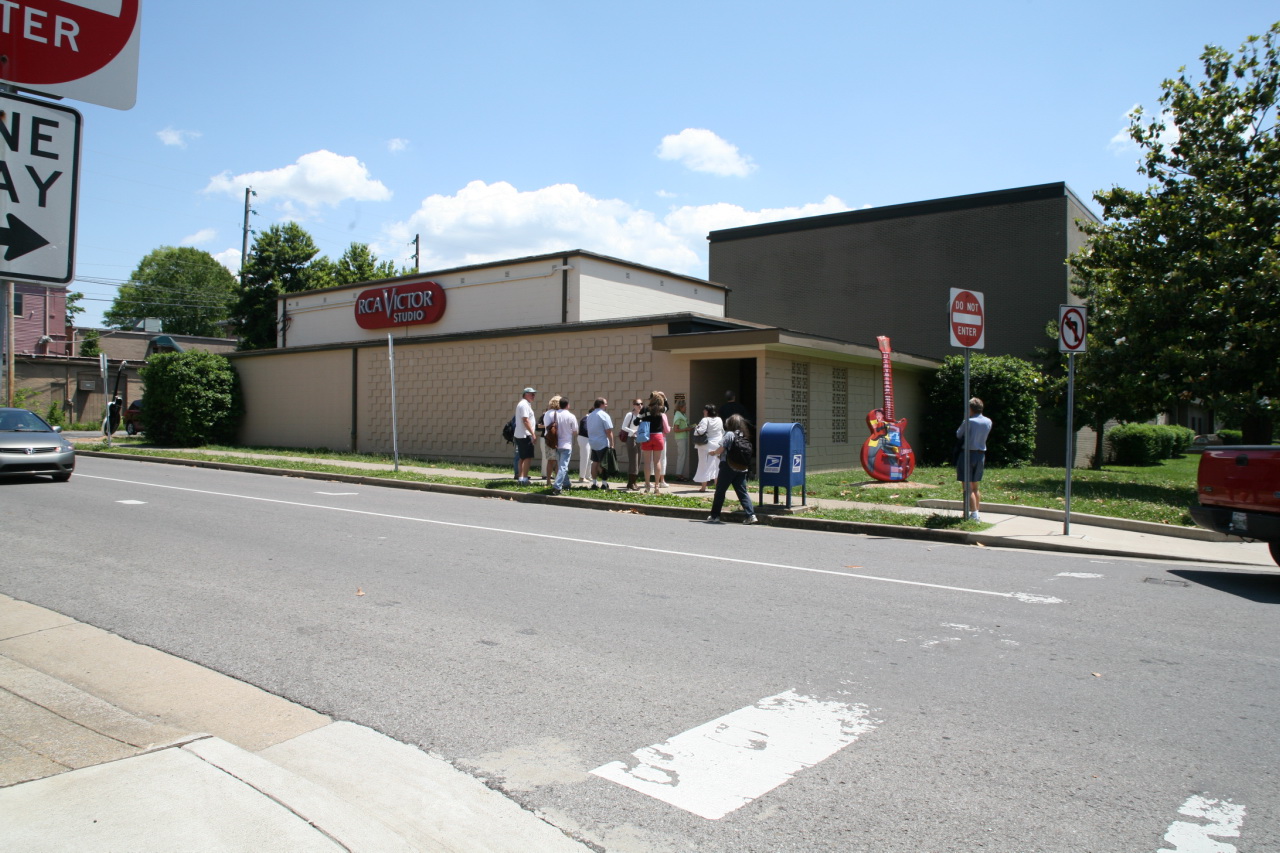
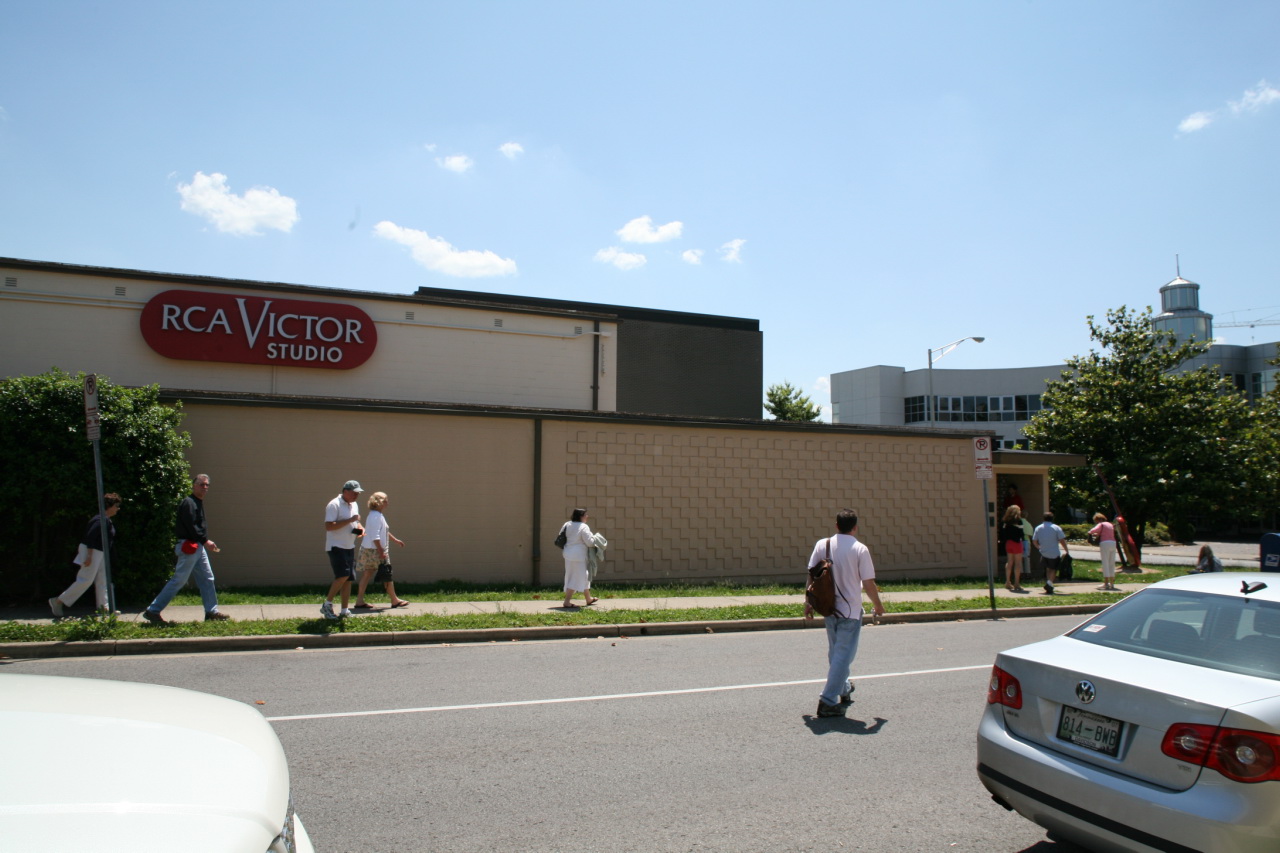
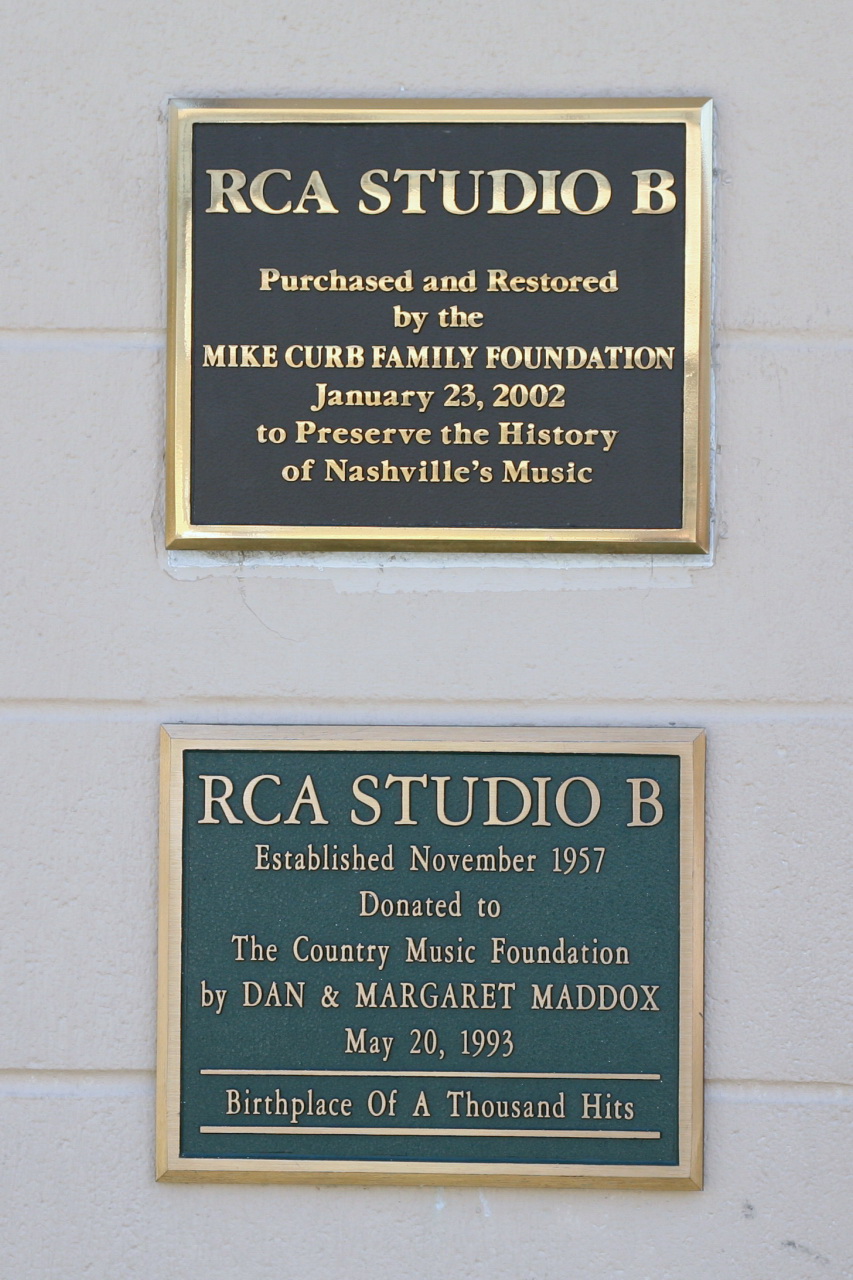
That decision brought them to Nashville’s RCA Studio B on June 12, 1973, one of the most storied rooms in American recording. The song was already loaded with private meaning before a note was taped. In the producer’s chair sat the mentor Parton was leaving behind. Behind the studio glass stood the singer who was stepping into a career of her own. Between them was a song that belonged to both of them and, increasingly, to neither.
Inside RCA Studio B, where the separation became real
The session unfolded with veteran Nashville A-Team musicians in a room said to feel hushed and heavy, as if everyone understood that this was more than another date on Music Row. Studio B had hosted countless country and pop recordings, but this one carried a different charge. It was not merely about capturing a vocal performance. It was about documenting a break in real time.
Wagoner, careful and attentive at the console, brought the habits of a producer who knew exactly how records should be built. Parton, singing the song she had written as a direct farewell to him, had to deliver it with the man who inspired it listening for every phrase. That dynamic gave the recording an ache no arrangement could fake. The separation was no longer theoretical, no longer an office argument or a contract dispute. It had become sound.
Why the story still resonates
Parton and Wagoner’s split endures in country memory because it contains so many of the genre’s oldest tensions: loyalty and ambition, gratitude and self-determination, mentorship and possession. Wagoner had helped make Parton visible, and she never denied it. Parton, in turn, had become too gifted and too singular to remain permanently inside another star’s frame. “I Will Always Love You” gave both truths equal space.
That is why the story remains larger than a business parting. It is about a woman finding the language to leave without cruelty, and a man powerful enough to block her finally recognizing that he should not. In RCA Studio B, the end of a seven-year partnership did not arrive as a slammed door. It came as a producer listening to a song, a singer stepping toward her own future, and a goodbye so gracious it still feels intimate decades later.
Quick Facts
- Recording date: June 12, 1973
- Studio: RCA Studio B, Nashville
- Key figures: Dolly Parton and Porter Wagoner
- Song: “I Will Always Love You”
- Partnership began: 1967
- Why it mattered: The recording marked the end of Parton and Wagoner’s seven-year professional partnership.
Image credits: Cliff from I now live in Arlington, VA (Outside Washington DC), USA / Wikimedia Commons / CC BY 2.0; Cliff from I now live in Arlington, VA (Outside Washington DC), USA / Wikimedia Commons / CC BY 2.0; Cliff from I now live in Arlington, VA (Outside Washington DC), USA / Wikimedia Commons / CC BY 2.0.