
News
Why Dolly Parton Chose to Stay at the Home She Shared With Carl Dean
After Carl Dean’s death, Dolly Parton reportedly refused to leave the Tennessee estate where their private life had unfolded for decades, choosing memory, routine and permanence over a fresh start.

A house too full of history to leave
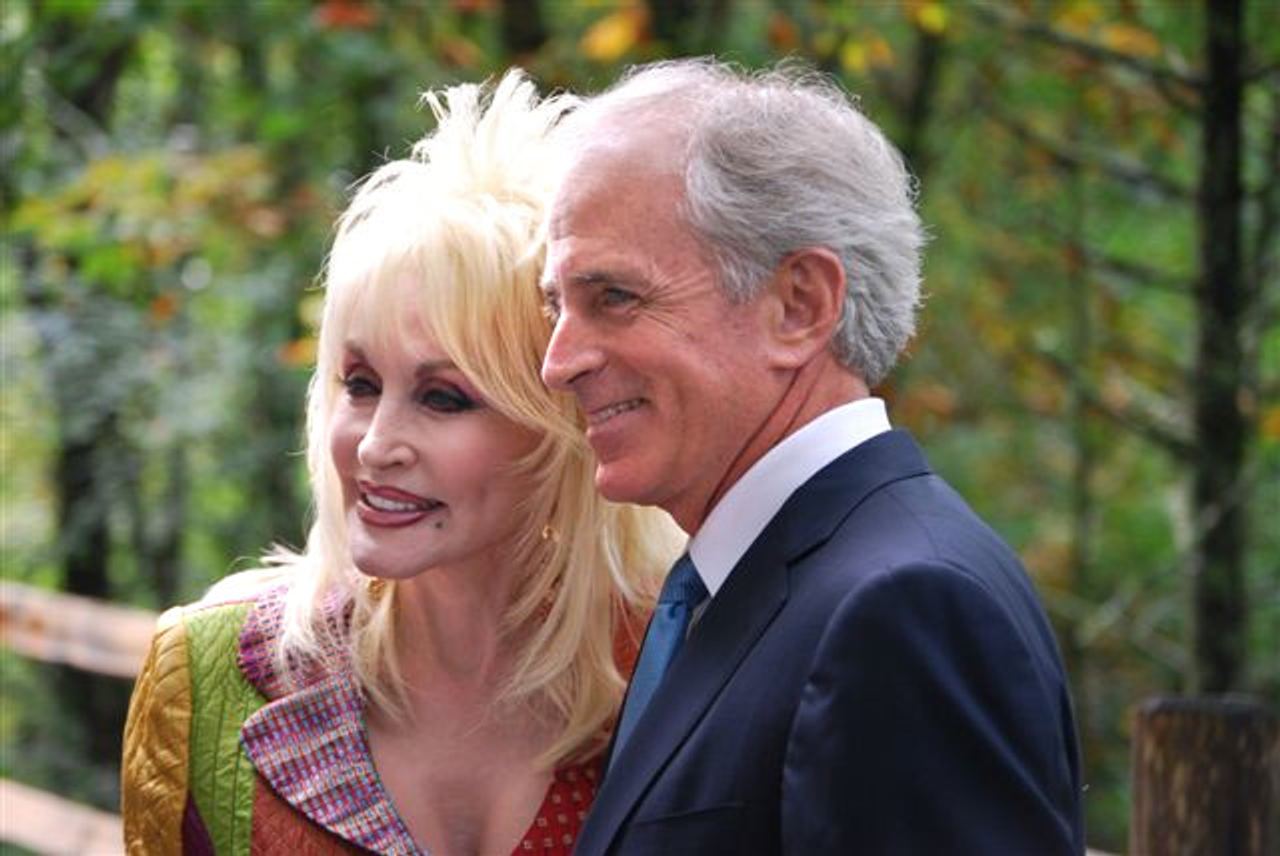
In the months after Carl Dean died in March 2025, friends reportedly urged Dolly Parton to consider a smaller home. The advice came from a caring place: a more manageable property, they believed, might feel less lonely and easier to maintain. But the suggestion ran up against something far more powerful than convenience. For Parton, the Brentwood estate she shared with Dean was not simply real estate. It was the container of their life together.
The property, known as Willow Lake Plantation and purchased in 1999, had become the rare place where one of the most recognizable entertainers in the world could step outside the machinery of celebrity. Behind its gates, the couple’s marriage existed on its own terms. To leave after Dean’s death would not have meant merely changing addresses. It would have meant surrendering the rooms, paths and rituals that still held his shape.
Instead of running from the silence, she stayed where his presence felt strongest.
The private world Carl Dean preferred
For decades, Dean was famous mostly for avoiding fame. While Parton lived in public as a global star, he was known for fiercely protecting a quieter life. That contrast became one of the enduring facts of their marriage: she belonged to the stage, and he belonged to the everyday. Their home outside Nashville reflected that balance, offering distance from cameras and from the constant motion of the music business.
Across the estate’s broad lawns, Dean reportedly spent years mowing the grass himself, a simple routine that said as much about his character as any interview ever could. The image is striking because it is so ordinary. In a life adjacent to extraordinary fame, he seemed to value the dignity of repetition: the yard, the porch, the drive, the familiar rhythms of home. Those routines helped define the place Parton was being asked to leave.
A marriage built into the landscape
By the time the couple had spent more than a quarter century on the property, the estate had become inseparable from the story of their marriage. The porch was not just a porch; it was where they shared morning coffee out of view of the world. The kitchen was not merely functional; it was part of the domestic life that existed beneath Parton’s public image. Even the garden paths carried the emotional weight of repetition, walked often enough to become part of the bond itself.
One of the most intimate spaces on the land was a small wooden chapel, where Parton and Dean privately renewed their vows for their fiftieth wedding anniversary in 2016. That detail explains why a move was never likely to feel simple. A new house could offer comfort, security and modern amenities, but it could not replicate the spiritual and emotional geography of the old one. Some homes store furniture. Others store vows.
Why starting over can feel like another loss
To outside observers, downsizing after bereavement can sound practical, even wise. Empty rooms can amplify grief, and a large estate can become physically demanding. Yet grief rarely follows the logic of tidiness. For many widowed people, preserving a familiar environment is not denial so much as continuity. The chair remains where it was, the coffee routine survives, the kitchen still carries the habits of two people instead of one. Those details can soften the shock of absence.
For Parton, who had spent decades moving through airports, hotels and performance venues, home appears to have represented the opposite of all that transit. No newly built residence, however elegant, could replace walls that had held nearly sixty years of marriage. In that sense, staying was its own kind of realism. It acknowledged that the life she had with Dean could not be transferred, only remembered where it had actually happened.
The meaning of leaving everything unchanged
Reports that Parton did not pack a single box speak to a very human instinct: when someone dies, objects become witnesses. A rocking chair is no longer just a chair. A porch cup, a garden gate, a favorite room — each becomes evidence of shared time. Keeping a home unchanged can be a way of protecting that evidence, at least for a while. It allows grief to move at the pace of memory rather than the pace of logistics.
That choice also suggests a refusal to let bereavement be managed too quickly by other people’s expectations. Well-meaning friends may see a quieter house, fewer rooms, less upkeep. The bereaved person may see the final place where love remains tangible. Parton reportedly continued to walk the same paths, cook in the same kitchen and rest her hand on Dean’s rocking chair. Such gestures are small, but they reveal how mourning often lives in motion and touch, not only in words.
A home as refuge, memorial and lasting bond
By August 2026, as sad news about Parton circulated, she was still said to be living in the home where Dean had mowed the lawns and where the couple had preserved a life largely hidden from public view. That decision fits with what many people long understood about their marriage: beneath the legend of Dolly Parton was a relationship grounded in privacy, loyalty and habit. The estate embodied those values more fully than any public tribute could.
In celebrity culture, reinvention is often treated as strength. Move on. Remodel. Begin again. Parton’s reported refusal offered a different vision of resilience. Sometimes strength means remaining in place, allowing a beloved home to become both shelter and memorial. In staying, she appeared to honor not just the man she lost, but the ordinary life they had worked so carefully to protect.
Quick Facts
- Subject: Dolly Parton and her decision to remain at the Brentwood estate she shared with Carl Dean
- Estate name: Willow Lake Plantation
- Location: Outside Nashville in Brentwood, Tennessee
- Purchased: 1999
- Carl Dean died: March 2025
- Notable feature: A small wooden chapel on the property where they privately renewed their vows in 2016
Image credits: United States Congress / Wikimedia Commons / Public domain; Curtis Hilbun / Wikimedia Commons / CC BY 3.0; Moeller Talent, Inc. Nashville (management) / Wikimedia Commons / Public domain.