
News
What Kenny Rogers Learned Too Late About Fame, Family, and Staying Home
In his later years, Kenny Rogers came to see that the hardest measure of a life was not fame or fortune, but whether love could endure after the spotlight faded.


A superstar takes stock
By the time Kenny Rogers published his 2012 memoir, he had little left to prove as an entertainer. He was one of the most recognizable voices in American popular music, a crossover giant whose songs had long since moved beyond country radio into the broader culture. But the memoir did not read like a victory lap. Instead, Rogers used it to confront the private losses that had accompanied the public triumphs.
At seventy-four, he looked back on a career built on relentless motion: recording, promoting, touring, and returning again to the stage. The rewards were enormous, but so was the cost. Four marriages had ended, and Rogers wrote with unusual candor about the emotional debris left behind when ambition and domestic life pull in opposite directions for years at a time.
I spent so much of my life running toward success that I didn’t always see what I was running away from at home.
The road as livelihood and escape
For decades, Rogers spent as much as half the year on the road, living by the rhythms of tour buses, hotel rooms, backstage hallways, and the adrenaline rush of live performance. Touring kept his catalog in front of audiences and sustained the momentum that turned hit songs into a lasting legacy. It also created a structure in which work always seemed urgent and home could begin to feel distant, even abstract.
That schedule did more than strain marriages. It offered a kind of refuge from the slower, less glamorous work of intimacy: being present, listening, compromising, and staying through routine days with no applause at the end of them. Rogers understood this later with painful clarity. The road had not only paid his bills and fed his fame; it had also made it easier to avoid the ordinary obligations that keep a family together.
The father he spent years trying not to become
Late in life, Rogers returned in his mind to the man who had shaped him by force of example and counterexample alike: his father, Edward Floyd Rogers. Edward was a skilled carpenter, but severe alcoholism shadowed much of his life. The family struggled in Houston’s Fourth Ward projects, where money was scarce and hardship was not theoretical but daily.
As a young man, Kenny Rogers had every reason to want distance from that world. He pursued a future as far removed as possible from poverty, instability, and the fear that alcohol had stitched into family life. Yet maturity complicated the simple story of escape. He began to see that even a deeply flawed father could embody a kind of commitment his famous son had failed to match in his own marriages.
A humbling comparison
What haunted Rogers was not that his father had achieved more in worldly terms. Quite the opposite. Edward Floyd Rogers died without wealth, celebrity, or industry honors. But he and Lucille Rogers remained married for forty-eight years, until his death in 1975. In that fact, Kenny Rogers found a standard of devotion that success had not taught him how to meet.
The comparison was humbling precisely because it cut through every superficial measure of accomplishment. Grammys, gold records, sold-out shows, and decades of acclaim could not answer the quieter question that emerged with age: what does fidelity look like over a lifetime? Rogers came to understand that his father, for all his failures, had held onto something enduring in marriage that money could not purchase and fame could not replicate.
Choosing Wanda Miller and a different rhythm
That realization helped shape Rogers’ final chapter. In Wanda Miller, he found the partner with whom he would build a more settled life, and in later years he became increasingly determined to protect that home. The shift was not merely logistical. It was moral and emotional, a decision to value constancy over momentum and companionship over the endless pull of professional demand.
Stepping back from touring meant loosening his grip on the engine that had powered his identity for decades. For an artist so associated with the stage, that was no small surrender. But in slowing down, Rogers appeared to recognize that the peace he wanted could not be found in one more tour, one more crowd, or one more round of applause. It had to be made in the daily shelter of family life.
The meaning of his later years
Rogers’ later years carried a kind of grace that came from honesty rather than perfection. He did not rewrite his past or pretend that insight erased the pain of earlier choices. What gave his reflections weight was their lack of self-excuse. He could celebrate the life he built in music while admitting that professional greatness had not automatically translated into personal wisdom.
That tension is part of what makes his story resonate beyond celebrity biography. Kenny Rogers’ late-life reckoning was not simply about regret. It was about reordering values before time ran out: seeing that love is maintained less by grand declarations than by staying, returning, and choosing the familiar people at home over the seductions of a public life that never stops asking for more.

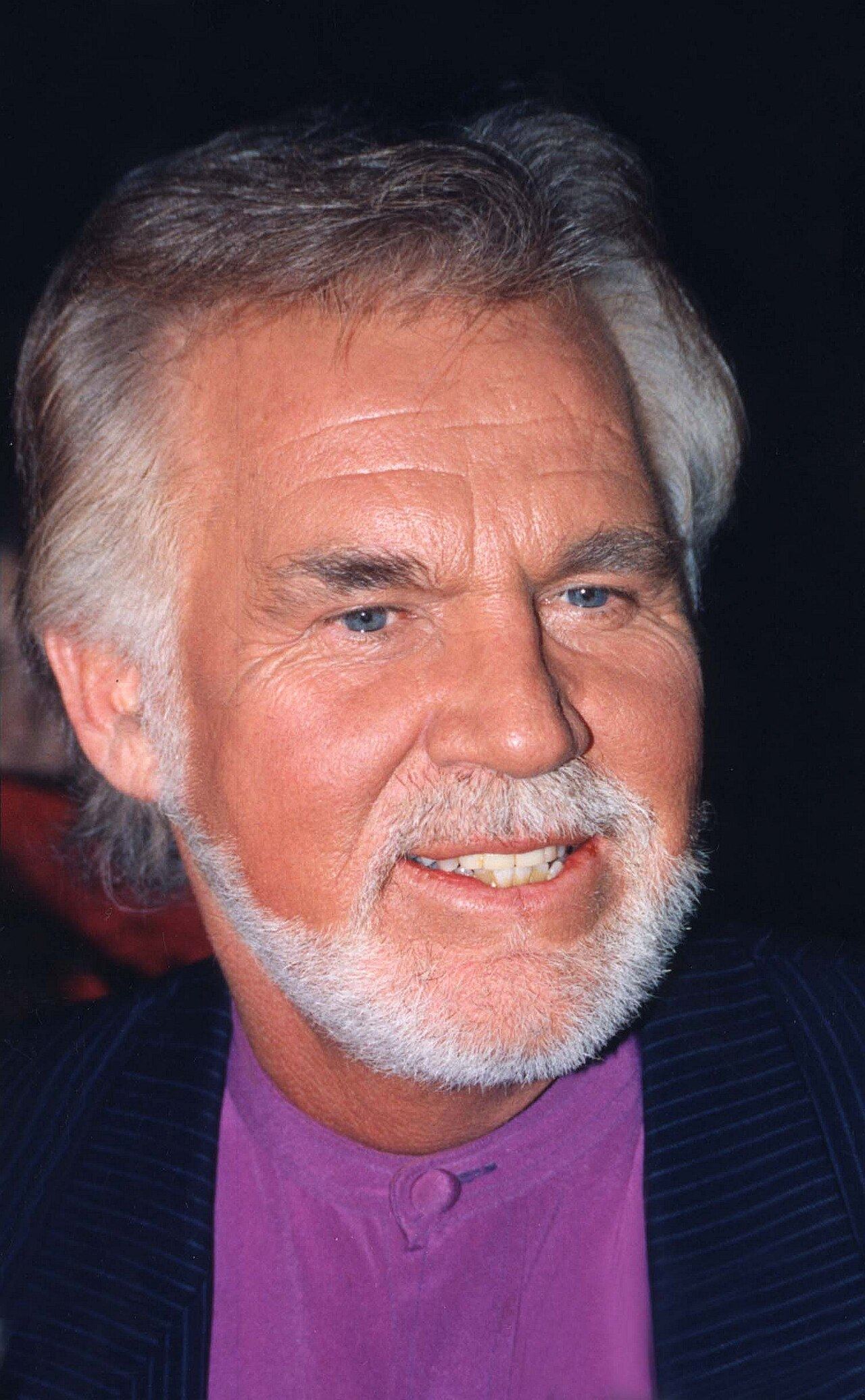
Quick Facts
- Subject: Kenny Rogers
- Memoir referenced: His 2012 memoir
- Age in memoir reflection: Seventy-four
- Marriages ended before later-life reckoning: Four
- Father: Edward Floyd Rogers
- Mother: Lucille Rogers
- Family background: Houston’s Fourth Ward projects
- Parents’ marriage: Forty-eight years, until Edward’s death in 1975
- Later-life spouse: Wanda Miller
- Key late-life change: Stepping back from touring to focus on home life
Image credits: Philpottm / Wikimedia Commons / CC BY-SA 3.0; User kw111786 on Flickr (Original version) User UCinternational (Crop) / Wikimedia Commons / CC BY-SA 2.0; John Mathew Smith & www.celebrity-photos.com from Laurel Maryland, USA / Wikimedia Commons / CC BY-SA 2.0.