
News
When Kris Kristofferson Walked Away From West Point for Nashville
In 1965, a decorated young Army captain with an Oxford pedigree chose a broom, a songwriter’s gamble, and a future his family could not yet understand.


The respectable life he was supposed to live
By the mid-1960s, Kris Kristofferson looked like the kind of man with a future already mapped out for him. He was an Army captain, a helicopter pilot, and a Rhodes Scholar who had studied at Oxford. He had the credentials that signaled discipline, intellect, and upward motion, the sort of résumé that fit neatly within the expectations of a military family.
Those expectations were not abstract. His father, Air Force Major General Lars Henry Kristofferson, and his mother, Mary Ann, belonged to a world where duty, rank, and reputation mattered deeply. A teaching post in English Literature at West Point represented not just stability but honor: a continuation of family values through service and scholarship. From that vantage point, leaving for Nashville was not adventurous. It was incomprehensible.
A gamble that looked like a fall
In 1965, at twenty-nine, Kristofferson passed up that West Point appointment and went to Tennessee to pursue songwriting. On paper, the move seemed almost absurd. He exchanged an elite institutional path for a low-paid job sweeping floors at Columbia Recording Studios for fifty-eight dollars a week, emptying ashtrays and lingering on the edges of rooms where songs, careers, and reputations were made.
But the choice was not as irrational as it appeared. Nashville was where he believed the real work he wanted to do might begin. Songwriting, especially in country music, promised no rank, no uniform, no guaranteed salary, and no social approval in the circles that had shaped him. It offered instead proximity to working musicians, hard lessons, and the possibility—nothing more certain than that—of making something that mattered.
He traded captain’s bars for a broom because the pull of songwriting had become stronger than the security of the life laid out for him.
The letter that cut deepest
The practical hardship of Nashville was one thing. The emotional cost was another. While he was doing menial work in the studio, Kristofferson received a harsh letter from his mother disowning him. To Mary Ann, the decision to leave a respectable military trajectory for manual labor around musicians was not merely disappointing; it was humiliating. In her eyes, he had embarrassed the family.
That rejection landed with unusual force because it struck at the center of identity: son, officer, scholar, husband, father. Family disapproval can wound anyone, but in a household built around achievement and service, the message carried an extra severity. It suggested that his leap toward art was not just a bad career move. It was a betrayal of the name he had inherited.
Broke, isolated, and under pressure
The years around that decision were not romantic in the way musical myth often makes struggle appear. Kristofferson was not simply a gifted outsider paying his dues in a city of dreams. He was broke. His first marriage was collapsing. Hospital bills were mounting for his young son, who had been born with a serious medical condition. The distance from family was not symbolic; it meant the absence of emotional and practical support when he most needed both.
That combination of financial strain and personal grief gives the Nashville story its true weight. Sweeping floors was not a colorful prelude to success. It was survival. Every hour of low-paid labor existed alongside the pressure of unpaid bills, family pain, and the humiliating uncertainty of not knowing whether his gamble would ever amount to anything.
Work that kept him afloat
To stay alive financially, Kristofferson did what many struggling artists do: whatever work he could find. In addition to his nights at Columbia Recording Studios, he flew helicopters to offshore oil rigs in the Gulf of Mexico. The detail matters because it reveals the split life he was living. One part of him still belonged to the skilled, disciplined world his background had prepared him for. Another part was trying to become a songwriter in a city that owed him nothing.
There is something especially stark about that contrast. By day or in one season, he was doing dangerous, technical work that drew on his training. By night or in another, he was sweeping, waiting, writing, listening, hoping. It is easy, in retrospect, to tell a clean story about destiny. The lived reality was messier: exhaustion, improvisation, and a refusal to quit even when respectability had already been forfeited.
How loneliness became a voice
The isolation of that period did not stay private. It went into notebooks. The loneliness, the pride, the bruised family ties, the money worries, and the close view of ordinary struggle all helped shape the writing voice that would later define Kristofferson’s work. What emerged was not polished detachment but rough compassion: songs that could sound plainspoken and literary at the same time, wounded without self-pity, hard on illusion but tender toward people.
That is one reason this chapter of his life remains so compelling. It shows that the making of an artist is not only a matter of talent. It is also a matter of what a person is willing to lose, and what experiences get carried into the work. In Kristofferson’s case, the break with family approval and the grind of survival in Nashville became part of the moral texture of his songs. The man who once seemed to be throwing his life away was, in those lonely years, building the voice that would make that life legible to millions.
Quick Facts
- Year of decision: 1965
- Age: 29
- What he turned down: An English Literature teaching position at West Point
- Studio job: Sweeping floors and emptying ashtrays at Columbia Recording Studios
- Weekly pay: Fifty-eight dollars a week
- Other work: Flying helicopters to offshore oil rigs in the Gulf of Mexico
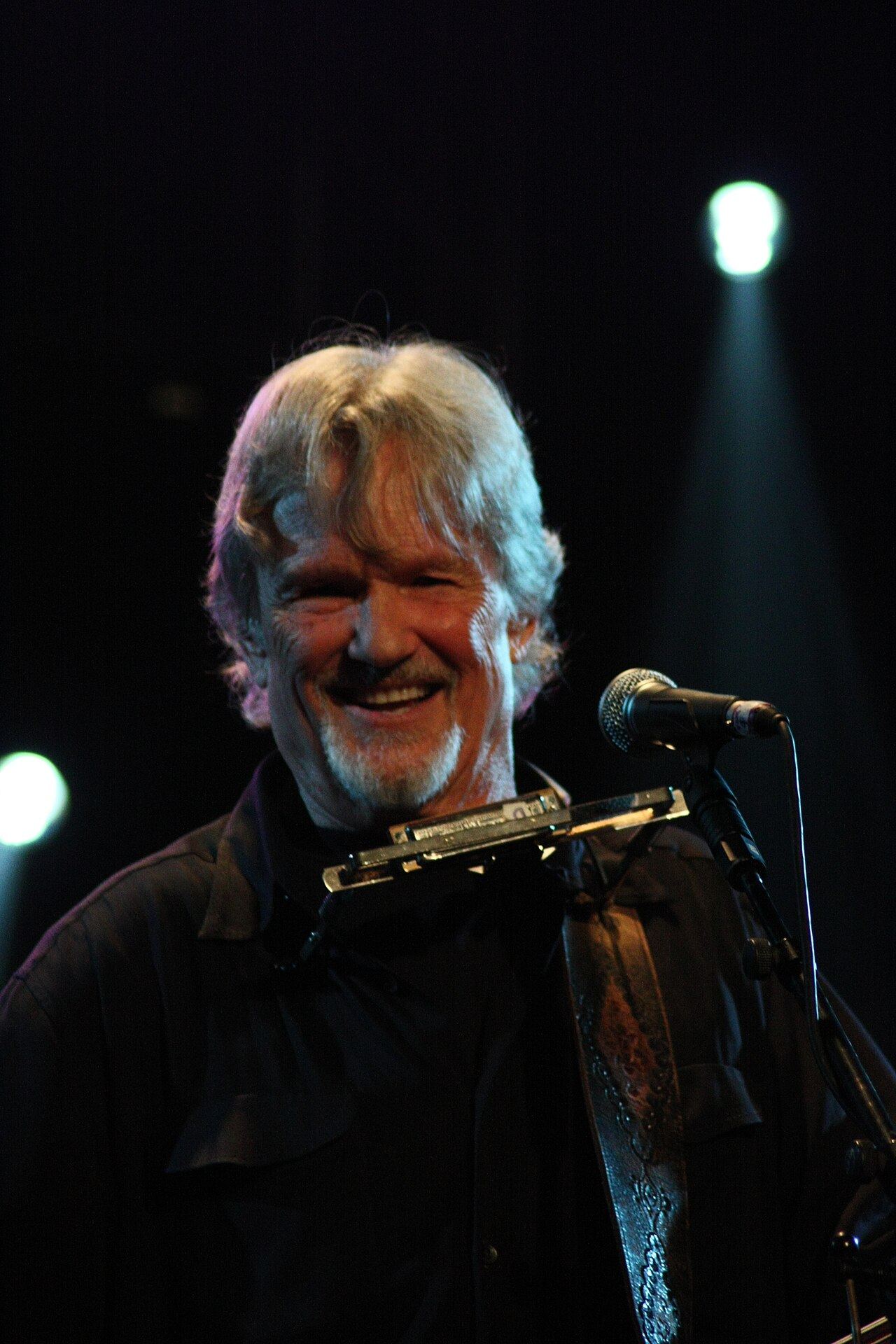
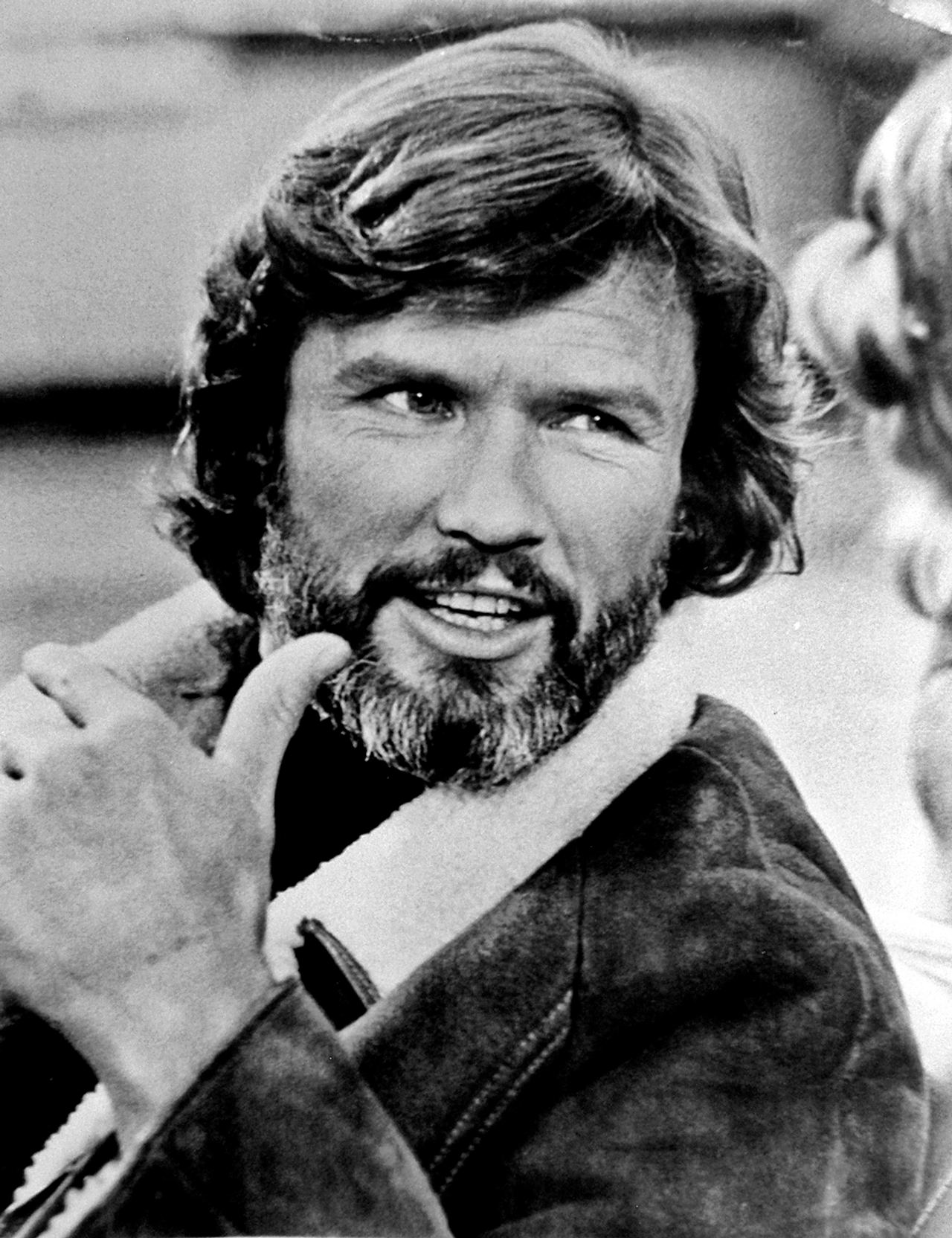
Image credits: Ron Baker (Kingsnake) / Wikimedia Commons / CC BY-SA 2.0; Atkinsj / Wikimedia Commons / CC BY-SA 3.0; Agency: Magna Artists / Wikimedia Commons / Public domain.