
News
Buck Owens and Bonnie Owens: The Bakersfield Bond That Outlasted Their Marriage
They married as teenagers with almost nothing, divorced young, and still remained bound by music, loyalty, and the town that helped make them country legends.

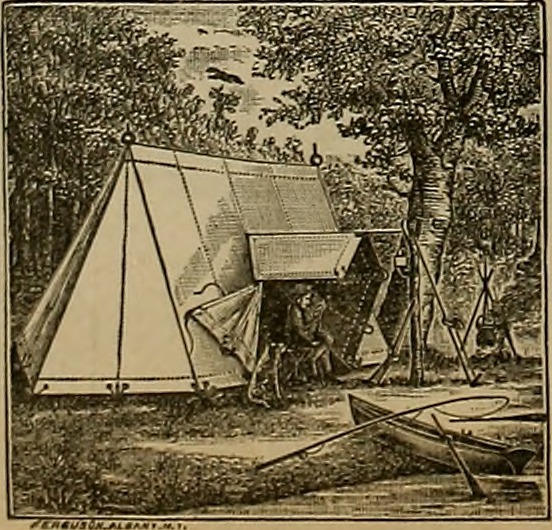
They started with little more than youth and ambition
When Buck Owens and Bonnie Campbell married in 1948, they were still teenagers, trying to build a life with talent instead of money. The landscape around them was the hard, working American West: long roads, modest means, and a country music culture being shaped in dance halls, radio rooms, and roadside stops rather than in polished industry offices.
Those early years were lean, but they were also formative. Before fame, before bandstand mythology, the two were simply young musicians learning how to survive and how to turn harmonies, grit, and persistence into a future. What they lacked in comfort they made up for in drive, and the bond formed in that period would prove more durable than the marriage itself.
A marriage ended, but the partnership never quite did
Their marriage ended in the early 1950s, and both would go on to lead separate lives and have other marriages. Yet the separation never erased the respect between them. In a music world often defined by ego, reinvention, and hard breaks, theirs was a quieter story: one of continued regard and an enduring sense of shared origin.
Bonnie kept the Owens surname throughout her performing life, a public sign of continuity as much as identity. Buck, for his part, made sure she remained supported, respected, and welcome on his stages for decades. That long-running professional and personal loyalty became one of the most moving subplots in the Bakersfield story.
Their vows did not last, but their allegiance did.
In Bakersfield, they helped build a sound that changed country music
Buck and Bonnie Owens never strayed far from Bakersfield, California, the town that became inseparable from their musical legacy. There, amid oil-town pragmatism and Central Valley restlessness, a new strain of country music took shape: sharper, louder, more electrified, and more direct than the smoother orchestral sound then dominating Nashville.
That style would come to be known as the Bakersfield Sound, and Buck Owens became its most famous standard-bearer. Bonnie was part of that world from the beginning, woven into its earliest struggles and triumphs. Their story is not just romantic history or personal biography; it is also the story of a place and a regional sound built from working-class energy, danceable rhythms, and a refusal to polish away the edge.
A lifelong respect played out on the bandstand
For more than half a century, Buck made room for Bonnie on his bandstands, most notably in the orbit of the Crystal Palace in Bakersfield, the venue that stood as both shrine and living headquarters for his music. That continued presence mattered. It suggested not nostalgia, but acknowledgment: Bonnie belonged in the story because she had helped live it.
Even as years passed and the music business changed around them, that arrangement endured. Their relationship had evolved beyond marriage into something harder to define and perhaps rarer to sustain—a practical, affectionate loyalty rooted in memory, geography, and shared work. In public, it looked simple. In the context of a long life, it was anything but.
Buck’s final performance closed one chapter of Bakersfield history
On the night of March 24, 2006, Buck Owens walked onto the stage at his beloved Crystal Palace and gave fans one final performance. It was a fitting last act for an artist so closely identified with the room, the city, and the sound that bore its stamp. Hours later, in the early morning of March 25, he died in his sleep at age seventy-six after his heart gave out.
The timing gave his passing an almost theatrical poignancy, but the deeper significance lay in place. Buck’s final bow came not in abstraction, not on a reunion tour or ceremonial appearance elsewhere, but in Bakersfield, before his own audience, in the venue that had become an extension of his name. It was the end of a career, but also of an era in California country music.
Thirty days later, Bonnie followed him
Exactly thirty days after Buck’s death, on April 24, 2006, Bonnie died in a Bakersfield hospice facility, also at the age of seventy-six, after a long and quiet battle with Alzheimer’s disease. The symmetry was startling: same town, same age, one month apart. For those who knew their history, it felt less like coincidence than the closing of a circle begun in poverty and youth decades earlier.
By then, memory had faded for Bonnie, but the larger memory remained intact in Bakersfield itself. Their lives had diverged long before, yet they remained connected by the town, the music, and the rough early years that shaped them both. Their deaths, so close together, marked the quiet end of a lifelong partnership—one that had outlasted their marriage and become part of country music’s emotional folklore.

Quick Facts
- Married: 1948
- Marriage ended: Early 1950s
- Buck Owens final show: March 24, 2006 at the Crystal Palace in Bakersfield
- Buck Owens died: Early morning of March 25, 2006, age 76
- Bonnie Owens died: April 24, 2006 in Bakersfield, age 76
- Shared legacy: Key figures in the Bakersfield Sound
Image credits: Internet Archive Book Images / Wikimedia Commons / No restrictions; U.S. Dept. of Agriculture. Food Safety and Quality Service. Meat and Poultry Inspection Program United States. Meat and Poultry Inspection Operations United States. Meat and Poultry Inspection Program United States. Food Safety and Inspection Service. Inspection Operations / Wikimedia Commons / Public domain; U.S. Dept. of Agriculture. Food Safety and Quality Service. Meat and Poultry Inspection Program United States. Meat and Poultry Inspection Operations United States. Meat and Poultry Inspection Program United States. Food Safety and Inspection Service. Inspection Operations / Wikimedia Commons / Public domain.