
News
Dottie West’s Final Ride to the Opry: Fame, Friendship, and the Crash That Shocked Country Music
On a late-summer night in 1991, a desperate trip to make a Grand Ole Opry appearance ended in the accident that brought one of country music’s most resilient stars to her final chapter.

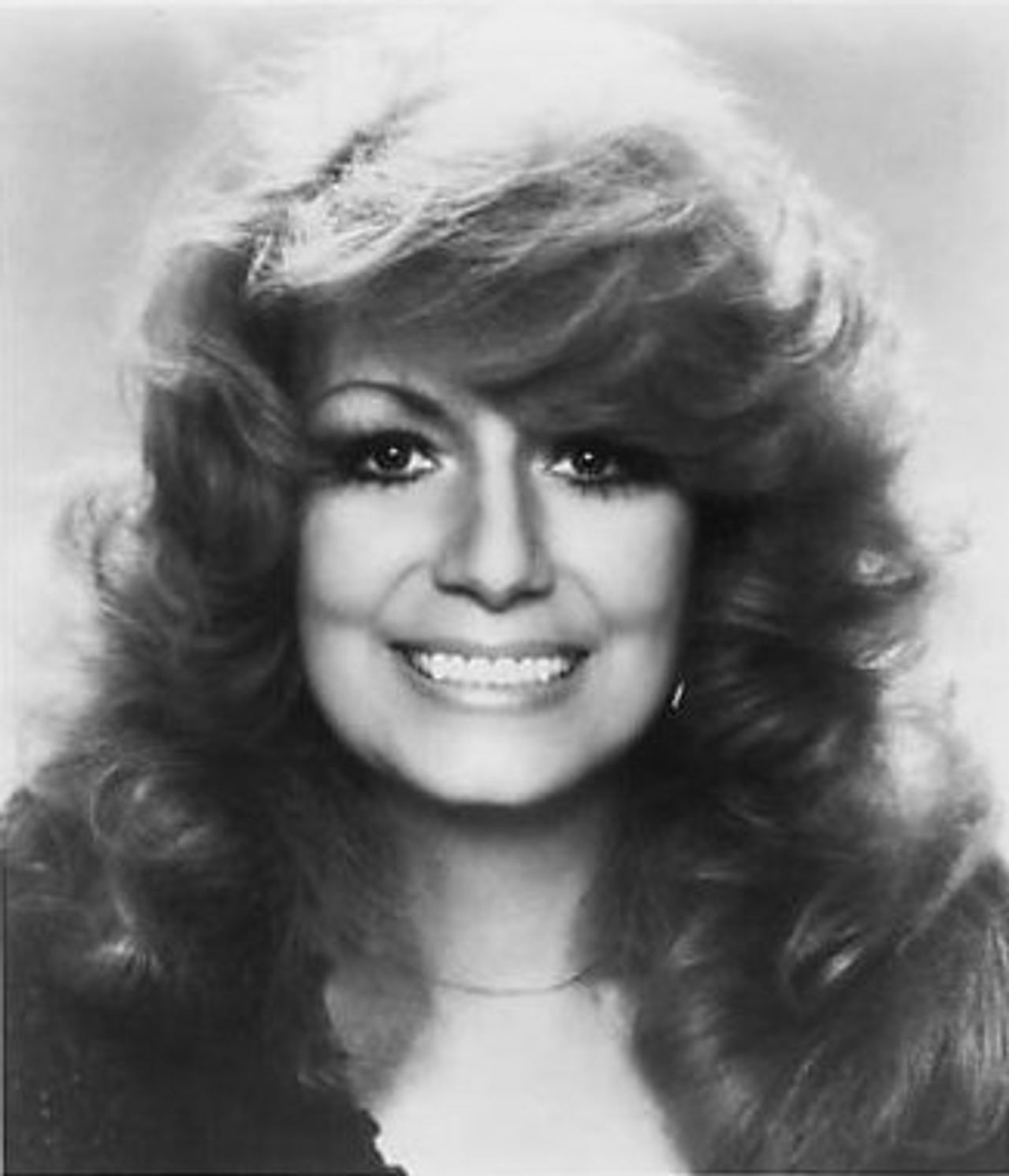
A routine drive that turned catastrophic
On the night of August 30, 1991, Dottie West was trying to do what country stars have done for generations: get to the Grand Ole Opry on time, step into the spotlight, and earn the paycheck. For a performer who had once toured arenas with Kenny Rogers and stood at the center of country-pop crossover success, the short drive through Nashville should have been uneventful.
But by then, little in West’s life was routine. Her car broke down on the way, and in a moment that now feels painfully fateful, she turned to an elderly neighbor, 81-year-old George Thackston, for help. Anxious about missing her appearance, she urged him to drive faster as they headed toward Opryland Drive.
The crash at the exit ramp
At 9:05 p.m., the car took the exit ramp off Opryland Drive at 55 miles per hour, more than twice the posted 25-mile-per-hour speed limit. The vehicle went airborne and slammed into a concrete divider, transforming an ordinary rush to a performance into one of the most haunting nights in recent country music memory.
Initial reports suggested West might have survived with injuries that were serious but manageable. But once she was taken to Vanderbilt University Medical Center, the extent of the trauma became clear. Doctors found a ruptured spleen and a severely lacerated liver, injuries far graver than first responders had realized at the scene.
A star under pressure
The urgency of that drive was tied to more than professionalism. By the summer of 1991, West was in deep financial trouble. After filing for bankruptcy, she had watched the IRS auction off her home and even her stage clothes to cover a tax debt reported at $1.3 million. Missing work was no longer a matter of inconvenience; it was something she felt she simply could not afford.
That pressure cast the evening in a harsher light. West was not a fading legend leisurely making a ceremonial Opry stop. She was a working singer still trying to hold together a career, a livelihood, and a public image after a bruising personal and financial collapse. The details make the crash feel not only tragic, but cruelly emblematic of how quickly celebrity can curdle into vulnerability.
She was still chasing the next appearance, the next paycheck, the next chance to steady a life that had spun badly off course.
The Kenny Rogers years
For many fans, Dottie West’s name remains inseparable from her partnership with Kenny Rogers. In the late 1970s, the pair became one of country music’s most successful and recognizable duet acts, blending his relaxed, conversational warmth with her bright, controlled phrasing. Songs such as “Every Time Two Fools Collide” and “All I Ever Need Is You” helped define an era when country was becoming slicker, bigger, and more commercially ambitious.
Their success was not only musical. West and Rogers were widely known to share a close friendship, one built in studios, on tour buses, and under the peculiar pressure of fame. They projected easy chemistry onstage, but behind that polish was genuine affection and trust. It was that bond that made the hospital vigil so poignant when news of the accident spread across Nashville.
At Vanderbilt, a friend arrives
As West lay in intensive care at Vanderbilt University Medical Center, Kenny Rogers hurried to the hospital to be with her. The scene carried the emotional force of a country song stripped of melody: one star at the bedside of another, both linked by years of hit records and private loyalty, facing the possibility that there would be no encore.
Reports from those final days suggested that, for a time, there was reason to hope. Earlier in the week, she had appeared alert enough to give friends and loved ones some encouragement. But severe internal injuries can shift suddenly, and in West’s case the optimism that briefly flickered around her bedside would not last.
The end of a hard-fought life in country music
Dottie West’s final journey to the Opry has endured because it collapses so much of her life story into a single night: glamour and hardship, professionalism and desperation, friendship and loss. She had been one of country music’s defining female voices, a performer who navigated traditional country, crossover polish, and the demands of a changing industry with unusual toughness.
Her death stunned Nashville not only because of who she was, but because of the circumstances. This was not a distant retirement or a slow fade from public life. It was a working artist still on the move, still chasing obligations, still trying to make it to the stage. That unfinished motion is what gives the story its lasting ache. Dottie West was on her way to sing, and country music never got that curtain call.
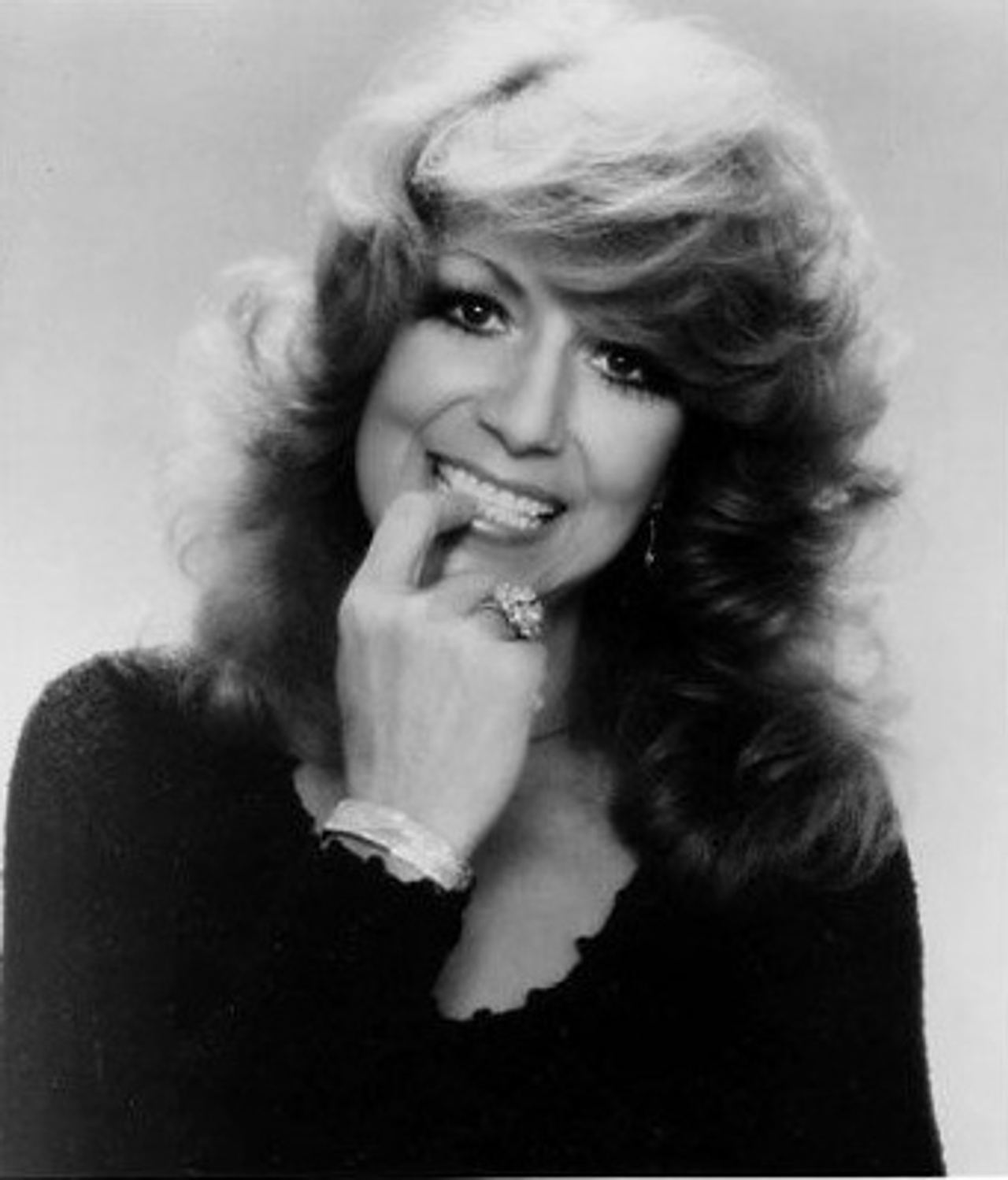
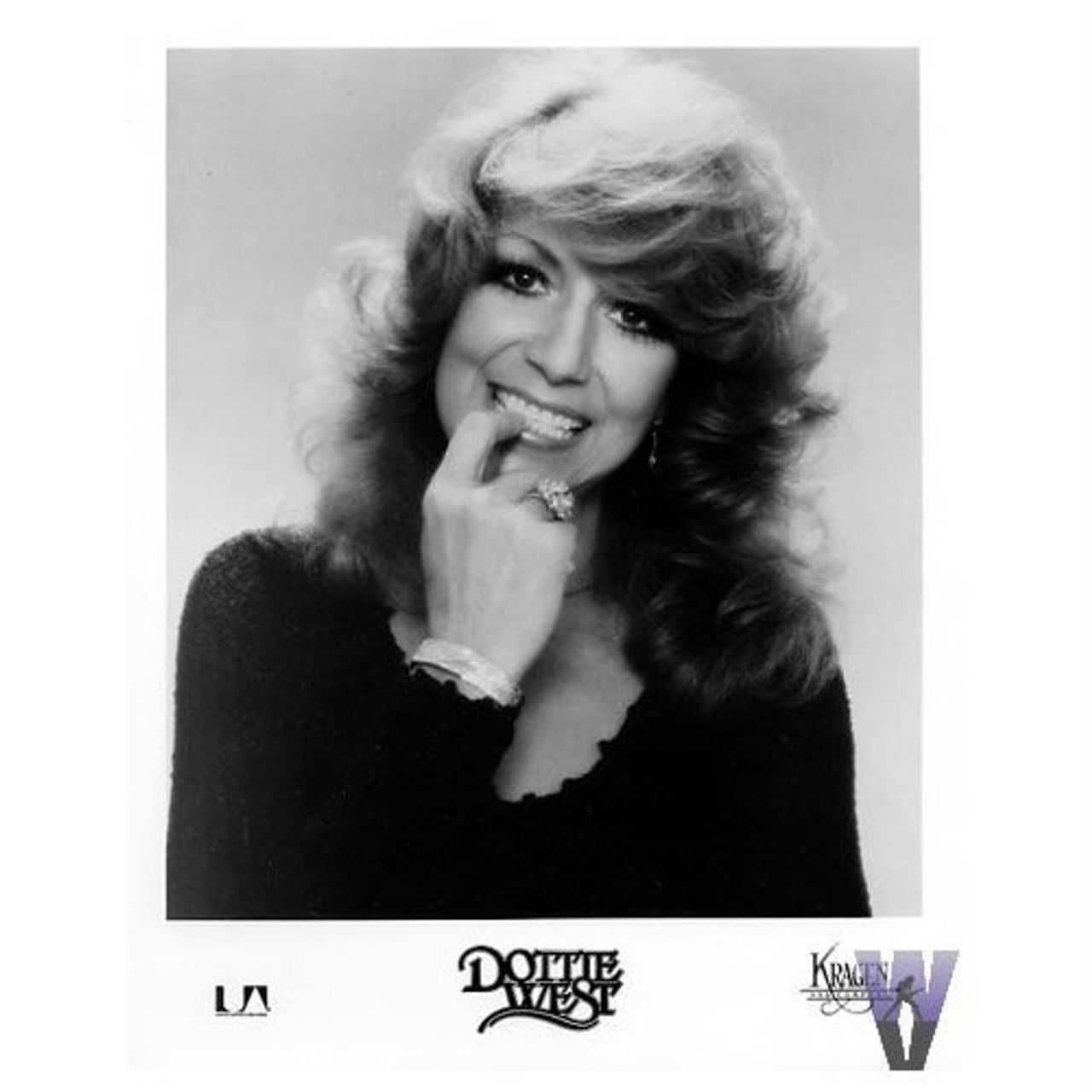
Quick Facts
- Who: Dottie West
- Date of crash: August 30, 1991
- Destination: Grand Ole Opry in Nashville
- Driver: George Thackston, her 81-year-old neighbor
- Crash detail: The car took the Opryland Drive exit ramp at 55 mph in a 25-mph zone
- Known financial strain: A reported $1.3 million tax debt and bankruptcy
- Close musical partner: Kenny Rogers
Image credits: United Artists Records derivative work: User:Dottiewest1fan / Wikimedia Commons / Public domain; United Artists Records derivative work: User:Dottiewest1fan / Wikimedia Commons / Public domain; United Artists Records / Wikimedia Commons / Public domain.