
News
Gene Autry, the Cowboy Code, and the Private Compromises Behind a Public Saint
For generations of Americans, Gene Autry stood as Hollywood’s clean-cut moral ideal, yet the immense pressures of fame tested the image that made him a national institution—and placed his wife, Ina Mae, at the center of a deeply private reckoning.

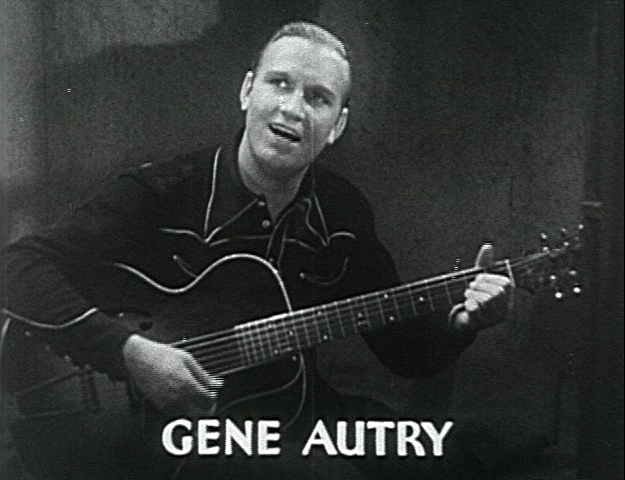
The making of a national symbol
Gene Autry was never sold to the public as merely a singer or a movie star. He was packaged as something larger and more durable: a model of American character. In films, on records, over the radio, and in countless appearances, he represented a version of virtue so polished that it seemed almost civic. To children especially, the line between the performer and the person all but disappeared.
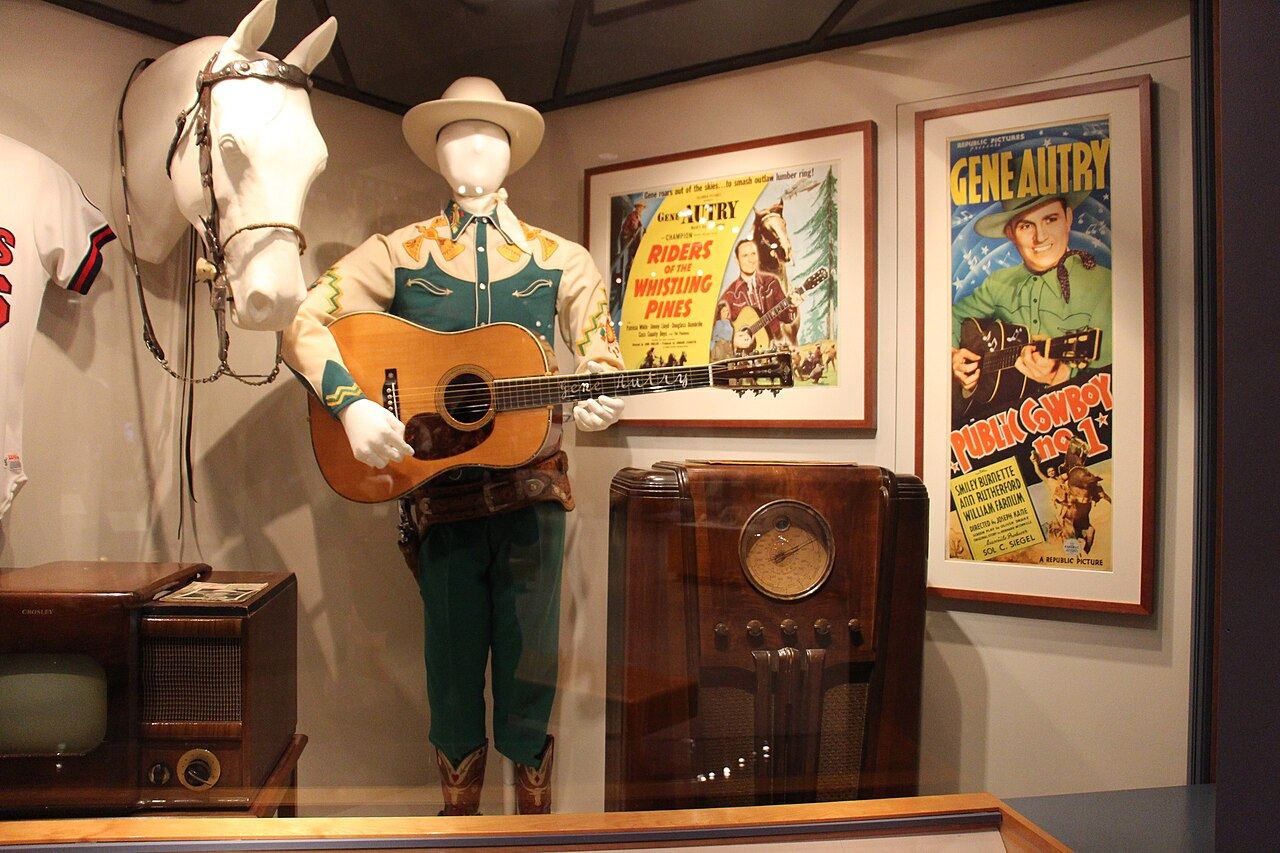
That fusion of celebrity and morality was central to Autry’s power. As the original “Singing Cowboy,” he did not simply entertain; he reassured. His screen persona promised that decency could be simple, masculinity could be gentle, and fame could remain untouched by corruption. The famous “Cowboy Code,” associated with his public identity, distilled that appeal into a creed of honesty, loyalty, and clean living.
He was marketed not just as a star, but as proof that Hollywood could still produce a hero parents trusted.
A wholesome image built for a mass audience
Autry’s rise came at a moment when the American entertainment industry understood the commercial value of moral clarity. Westerns, radio programs, songs, merchandise, and public appearances all reinforced the same impression: Gene Autry was dependable. His brand worked because it was coherent. Audiences knew what they were getting, and studios knew how profitable that consistency could be.
That reliability made him unusually valuable. A star with a wholesome image could anchor films, sell records, draw families, and avoid the kind of controversy that frightened advertisers and exhibitors. The image was not incidental to the business. It was the business. Any hint that the man behind the myth was more complicated than the character risked damaging not just a reputation, but an entire commercial machine.
What stardom looked like behind the saddle
But Hollywood’s golden-age machinery was sustained by punishing demands. At the height of his fame, Autry’s life was defined by exhausting schedules, long stretches away from home, and constant public adoration. Movie work, radio obligations, recordings, travel, and personal appearances placed him in a world of nonstop movement and nonstop attention.
That environment could distort any ordinary sense of privacy or restraint. Powerful studio systems protected valuable stars while surrounding them with handlers, executives, admirers, and opportunity. For a man celebrated as the embodiment of self-command, the temptations of celebrity were not abstract. They were woven into the daily realities of success. The larger the image grew, the harder it became to believe that the human being carrying it could remain untouched by weakness.
Rumor, secrecy, and the cost of staying untarnished
In that atmosphere, whispers of romantic entanglements and quiet affairs were especially dangerous. For many stars of the era, private indiscretions were managed through silence, discretion, and the unspoken cooperation of studio-era publicity systems. But Autry’s case carried a sharper edge. His appeal depended on innocence as much as charisma. A scandal might not have looked like mere gossip; it could have seemed like betrayal.
That is what made the rumors so combustible. A conventional leading man might survive revelations about his private life with some bruising to his image. Autry had less room to maneuver. He was tied to ideals that invited little ambiguity. If the facade cracked publicly, the damage would have spread far beyond his household. Fans would have felt deceived, and the institutions invested in his spotless identity would have faced a crisis of confidence.
Ina Mae and the private burden of preservation
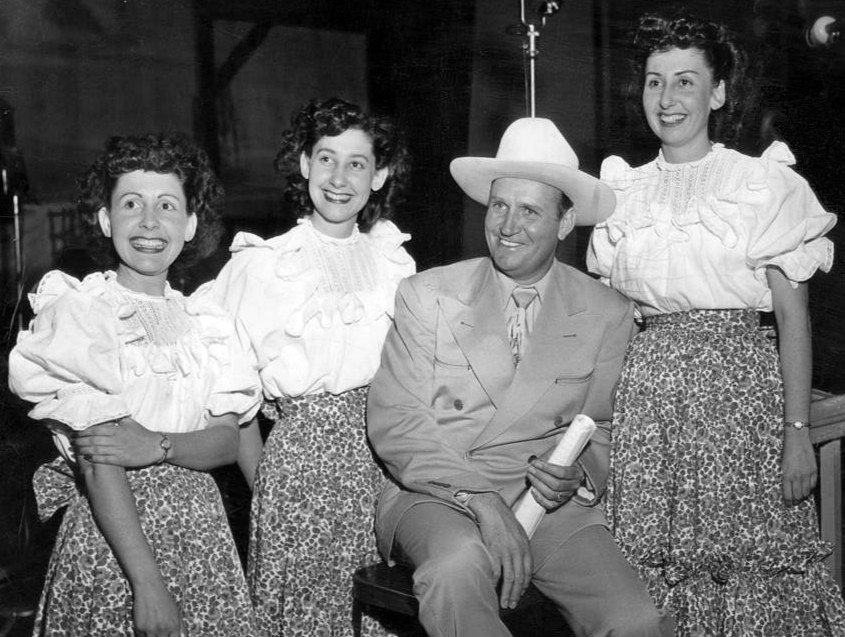
At the center of that tension stood Autry’s wife, Ina Mae. In public, spouses of major stars often remained background figures, yet in private they could become the final line between domestic upheaval and reputational disaster. If troubling stories reached her, the choice before her would not have been merely emotional. It would also have been strategic, moral, and painfully practical.
To force a public reckoning might have satisfied principle while detonating everything built around the Autry name. To contain the matter, however, meant absorbing humiliation and complexity in silence. That kind of decision has often fallen to women adjacent to powerful men: preserve the family, preserve the brand, preserve the illusion. In Autry’s case, the stakes were heightened by the vast distance between the public saint and the private man.
The burden of protecting a myth often falls not on the star who profits from it, but on the people asked to live beside it.
The enduring tension between legend and life
Autry’s story speaks to a familiar truth about American fame. The culture often demands moral symbolism from entertainers while rewarding the systems that hide their contradictions. In that sense, the “Singing Cowboy” was both an individual and a product: a talented performer, certainly, but also a carefully maintained ideal that required continual defense.
That does not erase what audiences genuinely loved about him. It simply places that affection in a more adult frame. The appeal of Gene Autry was real, and so was the machinery that polished him into an emblem of virtue. The tension between those two facts—between the man and the monument—remains what makes his image so revealing. In the end, his legend endured because the public saw the code. The private cost of maintaining it was borne elsewhere.
Quick Facts
- Known for: The original “Singing Cowboy” persona in films, radio, and recordings
- Public image: Wholesome, morally upright Western hero associated with the “Cowboy Code”
- Risk of scandal: Any widely publicized affair rumors could have threatened his family-friendly brand
- Key private figure: Ina Mae Autry, whose response would have been crucial to containing personal fallout
- Era of peak fame: 1930s and 1940s
Image credits: Joseph Kane / Wikimedia Commons / Public domain; CBS Radio / Wikimedia Commons / Public domain; Jllm06 / Wikimedia Commons / CC BY-SA 3.0.

